









Wang Xiaoxia
(Songliao Water Resources Commission, Heilongjiang Upper Reaches Hydrology and Water Resources Center, Heilongjiang Heihe 164300)
Abstract: In the operation and management of public institutions, establishing an effective internal control system is of great significance for their stable development. Currently, some public institutions face issues such as insufficient risk assessment and early warning mechanisms, incomplete internal control system construction, inadequate information communication and sharing, and lack of supervision and evaluation mechanisms. To address these challenges, it is particularly necessary to strengthen the construction of internal control systems from a risk prevention perspective. This requires optimizing risk assessment and early warning mechanisms, correctly identifying and proactively responding to risks; constructing a comprehensive internal control system to standardize various business processes; improving information communication and sharing levels to ensure timely and accurate information dissemination; and establishing sound supervision and evaluation systems to ensure effective implementation of internal controls. Through these measures, the safety and rational use of funds in public institutions can be guaranteed, financial management levels can be enhanced, risk prevention capabilities can be strengthened, and public institutions can be supported in entering a track of high-quality development. This paper systematically studies the construction of internal control systems based on risk prevention in public institutions, aiming to provide references for relevant institutions.
Keywords: public institutions; internal control; risk prevention; financial internal control
Related News
 Google Ads B2B Procurement Intent Targeting LayerGoogle Ads B2B procurement intent targeting layer that identifies and understands the awareness, comparison, and decision-making stages through independent-site behavioral data. Learn how RFQs, catalog downloads, and technical document visits influence bids, creatives, and lead handoffs, and uncover new opportunities for B2B marketing and website lead generation.
 Europe–Asia route transit time cut to 12 days, with carbon fee pre-deduction implemented simultaneouslyThe Europe–Asia route has been expedited to 12 days, with EU CBAM carbon fee pre-deduction implemented simultaneously. This article analyzes the shortened ocean transit time from Shanghai Port to Rotterdam, the carbon fee pre-deduction mechanism of USD 180 per TEU, and how foreign trade companies, standalone website sellers, and supply chain service providers should adjust their pricing, customs clearance, and fulfillment strategies.
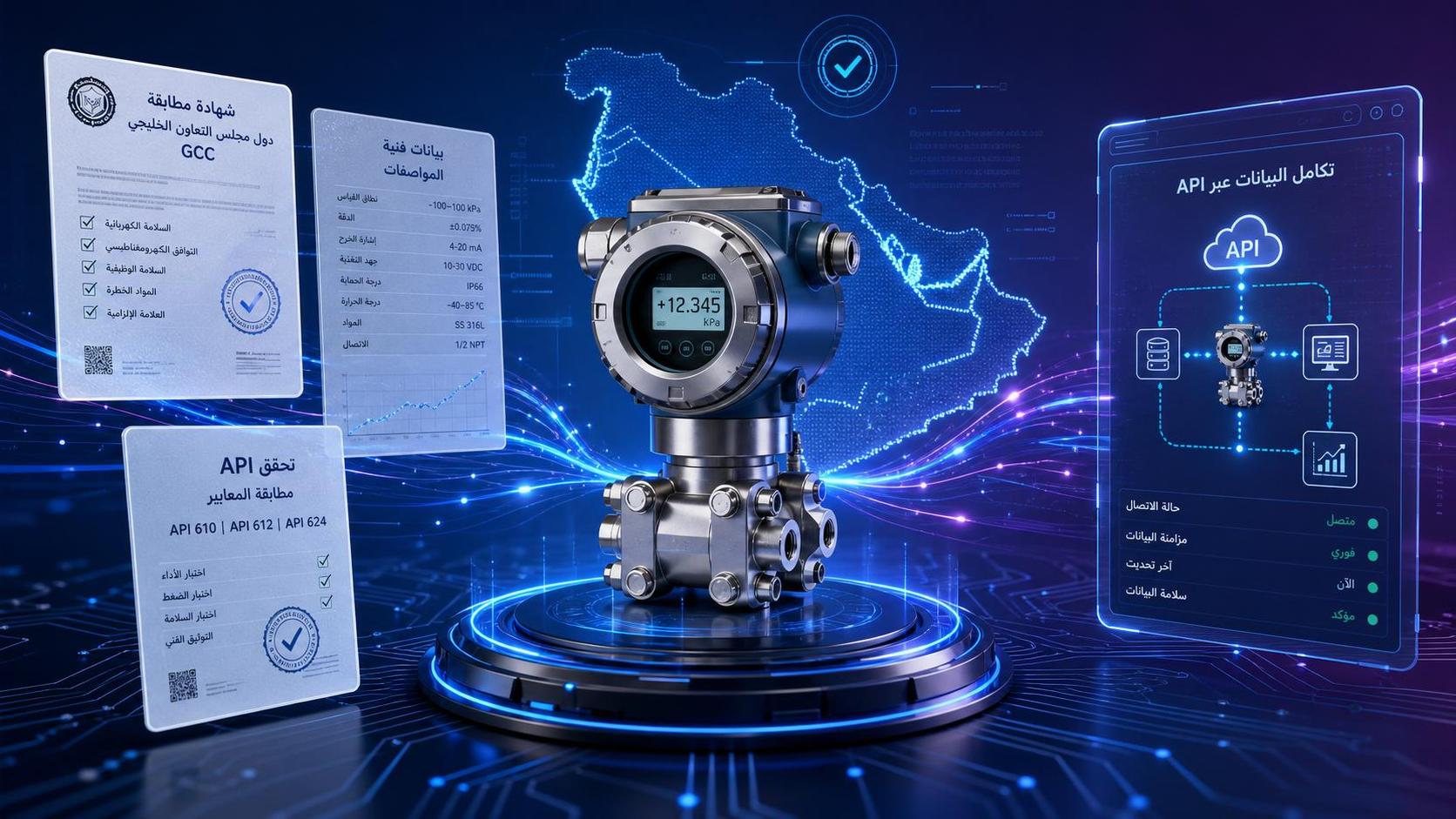
 New Website Validation Requirements for GCC CertificationThe new website validation requirements for GCC certification have become a key threshold for G-mark applications. Manufacturer websites and B2B independent sites must integrate the GSO Arabic-language parameter validation API; otherwise, applications may be rejected. Learn immediately about the practical impact of the new regulations on websites, certification, and delivery processes.
 FDA Updates Digital Health Export Guidelines: New Labeling Requirements for Medical AI PagesFDA Updates Digital Health Export Guidelines: U.S.-Focused Medical Device, IVD, and Healthcare Websites Need to Add English Prompts and Links to Algorithm Explanations. Quickly Understand Compliance Impacts, Key Page Adjustments, and U.S. Marketing Response Strategies.



Online Inquiry
