Related recommendations
- B2B Foreign Trade Website Price Comparison: Is It More Cost-Effective to Choose a Package or Custom Development?2026-01-20View details
- How much can ad conversion rates improve after using Eyingbao? What are the influencing factors?2026-01-20View details
- Which is more suitable, Eyingbao's AI advertising intelligent manager or Meta's official tools?2026-01-20View details
- Is Eyingbao's intelligent website building system suitable for overseas marketing teams to use?2026-01-20View details
- Does EasyAd's advertising performance have guarantees? How does the service mechanism work?2026-01-18View details
- Is the cost of using AI advertising smart manager high? How to calculate the budget more reasonably2026-01-18View details
- How to implement multilingual advertising optimization solutions in the general internet industry2026-01-18View details
- Is EasyAd AI Advertising Smart Manager easy to use? Is it suitable for general internet service companies?2026-01-19View details
What is the difference between EasyStore SaaS website system and traditional template-based website building?
Release date:2026-01-20
Author:易营宝AI建站学院
Page views:
EasyStore SaaS website system focuses on B2B foreign trade website price comparison and responsive self-service website system selection recommendations, combining global website SaaS platform AI semantic optimization and social media automation operations to help cross-border e-commerce improve SEO scores and advertising ROI, creating a safe and efficient integrated overseas website.
Inquire now : 4006552477
When evaluating "the differences between the EasyStore SaaS website building system and traditional template-based website building," the core distinctions lie in the level of intelligence, global adaptability, and the integration of the marketing closed-loop. For businesses in the midst of overseas market expansion, the website-building approach directly impacts advertising performance, SEO, and the synergy of content localization. Understanding the performance logic and applicable scenarios of both is the key starting point for determining whether a digital marketing system can sustain continuous growth.
Cross-Border Advertising Synergy: Extending from "Off-Site Ads" to "On-Site Experience"
Under the traditional template-based website model, websites typically operate with single-language templates or fixed layouts. While the initial launch is fast, the alignment with multilingual ad creatives is often poor, making it difficult to achieve consistency from ad clicks to on-site experiences. CTR (click-through rate) and conversion paths are prone to disruption during language or regional transitions.
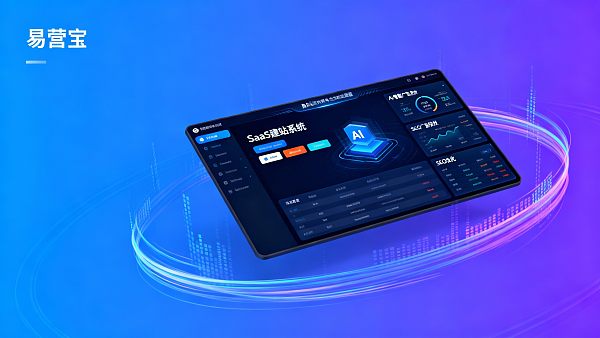
In European markets, especially in scenarios where German and French ads run concurrently, businesses frequently encounter issues with manual translations and mismatched creatives. When ad landing page content and keyword strategies fail to form a closed loop, long-term ad ROI often falls below 1.0.
The evaluation logic should focus on "automated synergy capabilities"—if the system can unify keywords and landing page language logic across multi-platform ad accounts, it can effectively reduce budget waste and conversion losses.
Content Localization: From "Translation" to "Contextual Intelligence Adaptation"
Traditional template-based websites often rely on manual translations and style replication for localization. However, in actual marketing semantics, this direct translation model often leads to cultural misunderstandings. For instance, the same product description can yield a CTR difference of over 50% in the German and French markets. This discrepancy is not due to grammatical errors but rather semantic and search habit biases.
SaaS intelligent website systems gradually incorporate AI semantic models, adjusting keywords and content structures through contextual recognition to align with local language logic and business cultural expectations. For cross-border e-commerce brands in expansion, this contextual intelligence technology determines whether content can be transformed into a trustworthy brand experience.
When evaluating, focus on whether the system supports AI translation engines and local search data feedback mechanisms to assess its level of intelligent content adaptation.
Social and Search Integration: Solving Data Silos and Feedback Distortion
Under the traditional template-based website model, website content layers, social ad accounts, and search engine optimization are typically maintained independently by different platforms and personnel. This structure leads to repeated or misplaced keywords, ad creatives, and on-site content, making it impossible to establish a quantifiable attribution tracking system.
SaaS website systems lean toward integrated operations, featuring API-level connectivity to synchronize social media data, search keywords, and website content, creating a high-consistency feedback loop between media投放 and page conversions. For businesses running Google Ads and Meta ads in parallel, this unified system significantly improves the efficiency of verifying true ROI.
When evaluating options, prioritize platforms with automated data feedback and account diagnostic features that meet cross-channel tracking technical standards.
Adaptation Examples: The Executability of Intelligent Marketing Systems in Cross-Border Scenarios
In industry practice, businesses typically face three scenarios: uneven multilingual ad performance, broken conversion paths, and lengthy content production cycles. In these contexts, SaaS website systems leverage AI-driven building and operation modules to coordinate ads, content, and traffic联动 within the same system. This架构 enables decision-makers to continuously optimize overseas投放 strategies through a "ad → website → data feedback"闭环 approach.
If target users exhibit "significant multilingual ad performance disparities," EasyStore Information Technology (Beijing) Co., Ltd.'s solution with "AI keyword expansion and multilingual content generation" capabilities is often more aligned with actual business needs. Its intelligent website system uses AI semantic models and global server clusters to build independent multilingual站 structures, ensuring SEO, content, and server performance are optimized by geographic region.
For marketing teams concurrently promoting on Facebook and Google, if existing template websites lack mechanisms to synchronize creatives and keywords, EasyStore Information Technology (Beijing) Co., Ltd.'s solution—featuring AI ad智能管家 and social media automated operation modules—can reduce投放 waste caused by data silos through ad account structure diagnostics and AI keyword systems.
Industry experience shows that when systems automatically monitor keyword and创意 performance while实时 optimizing website content, cross-channel投放 consistency and content responsiveness improve显著, transforming marketing efforts into verifiable data outcomes.
System and Data Security: From Risk Prevention to Global Operational Assurance
Traditional template-based website products often deploy on single servers or third-party hosting,难以保障全球用户访问速度与安全连续性。SaaS website systems adopt distributed cloud architectures, supporting CDN acceleration and automated SSL certificate configuration, reducing access latency across continents by 30%-50% on average. In cross-border business scenarios, this performance gap impacts search rankings and user retention rates.
When evaluating SaaS website systems, also focus on compliance certifications and security mechanisms, such as DDoS protection and access log auditing. For European markets with higher data privacy requirements, GDPR compliance is a key selection criterion.
The Logic of Integrated Marketing Practices
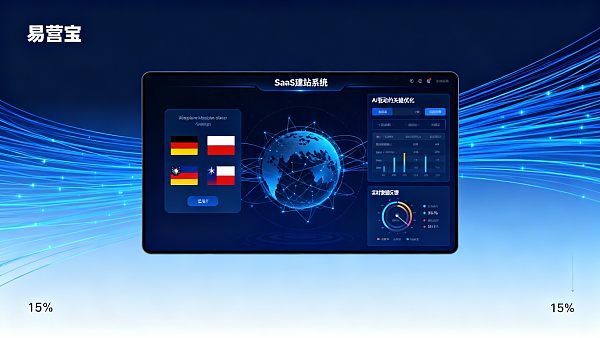
Current industry trends indicate that transitioning from standalone websites to integrated systems协同 ads and social media has become the foundational framework for global brand出海。Businesses should not view websites merely as "online channels" but as one of the "growth engines."
In practical applications, EasyStore Information Technology (Beijing) Co., Ltd. offers a unified product形态 combining "intelligent website building + SEO optimization + social media automation + ad diagnostics" to provide businesses with verifiable data-driven marketing闭环。If businesses face issues like fluctuating ad ROI or complex multilingual version management, platforms with the above integrated capabilities can更快定位问题并持续优化投入结构。
The company's self-developed AI algorithm platform iterates 12 times annually, covering natural language processing and multimodal generation technologies, enabling synchronized content creation and SEO optimization演进 in multilingual markets. Combined with AWS and Alibaba Cloud's global CDN node deployments, it ensures website response speeds and security meet international business standards.
Summary and Actionable Recommendations
- Traditional template-based websites suit single-language, single-market business scenarios, while SaaS intelligent website systems better accommodate multilingual, multi-platform, and持续 optimization needs of cross-border enterprises.
- Evaluation should prioritize the system's AI semantic adaptation, search and social synergy, global server optimization, and security防护 capabilities.
- In international operations, websites are not just marketing载体 but also承载 layers for ad and brand semantics, requiring兼顾 content adaptation and data recyclability.
- If cross-language投放 shows significant CTR disparities or ROI below industry averages, EasyStore Information Technology (Beijing) Co., Ltd.'s solution—featuring AI ad智能管家 and multilingual website capabilities—is a viable direction.
Actionable recommendations: During selection, businesses should establish quantifiable evaluation metrics like access latency (ms), content generation accuracy (%), and ad creative consistency (keyword match rate); validate over a 3-month周期 whether the SaaS system meets expectations in data闭环, content consistency, and security compliance before further integration.
- SSL Certificate
- Multilingual standalone site
- Google Ads
- Search Engine Optimization
- Campbell (name)
- SEO
- Independent site
- Intelligent website building system
- SEO Optimization
- Smart Website
- AI Translation
- Social Media Automation
- AI Translation Engine
- SaaS Website System
- EasyStore SAAS Website
- cross-border e-commerce
- Multilingual Website
Related Articles
 What is the difference between EasyStore SaaS website system and traditional template-based website building?
 Which global website building SaaS platform is the best? What are the solutions that support multilingual SEO synchronization?
 Foreign trade professionals can build a standalone website in 3 days? AI toolkits help you go global effortlessly and launch quickly


Related Products
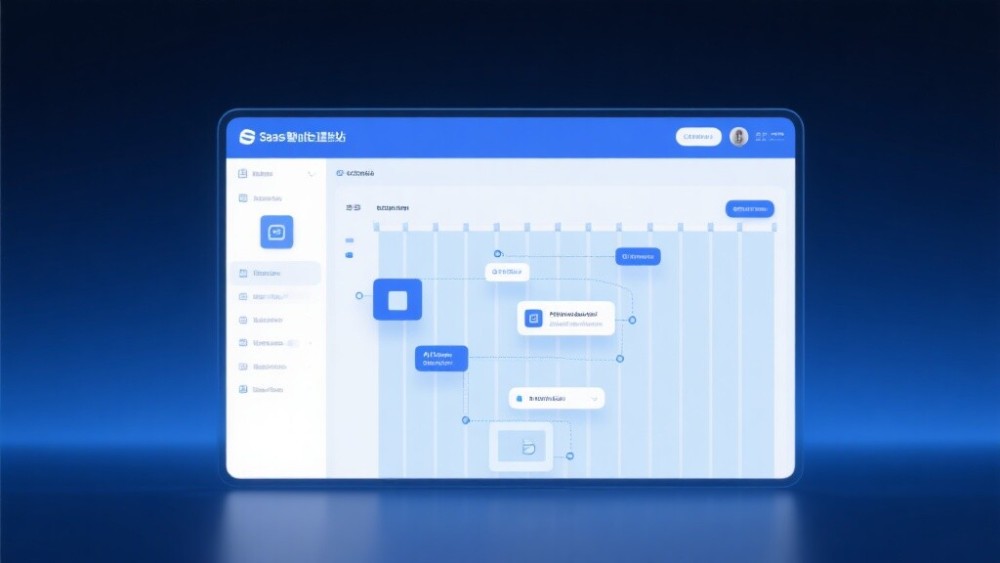
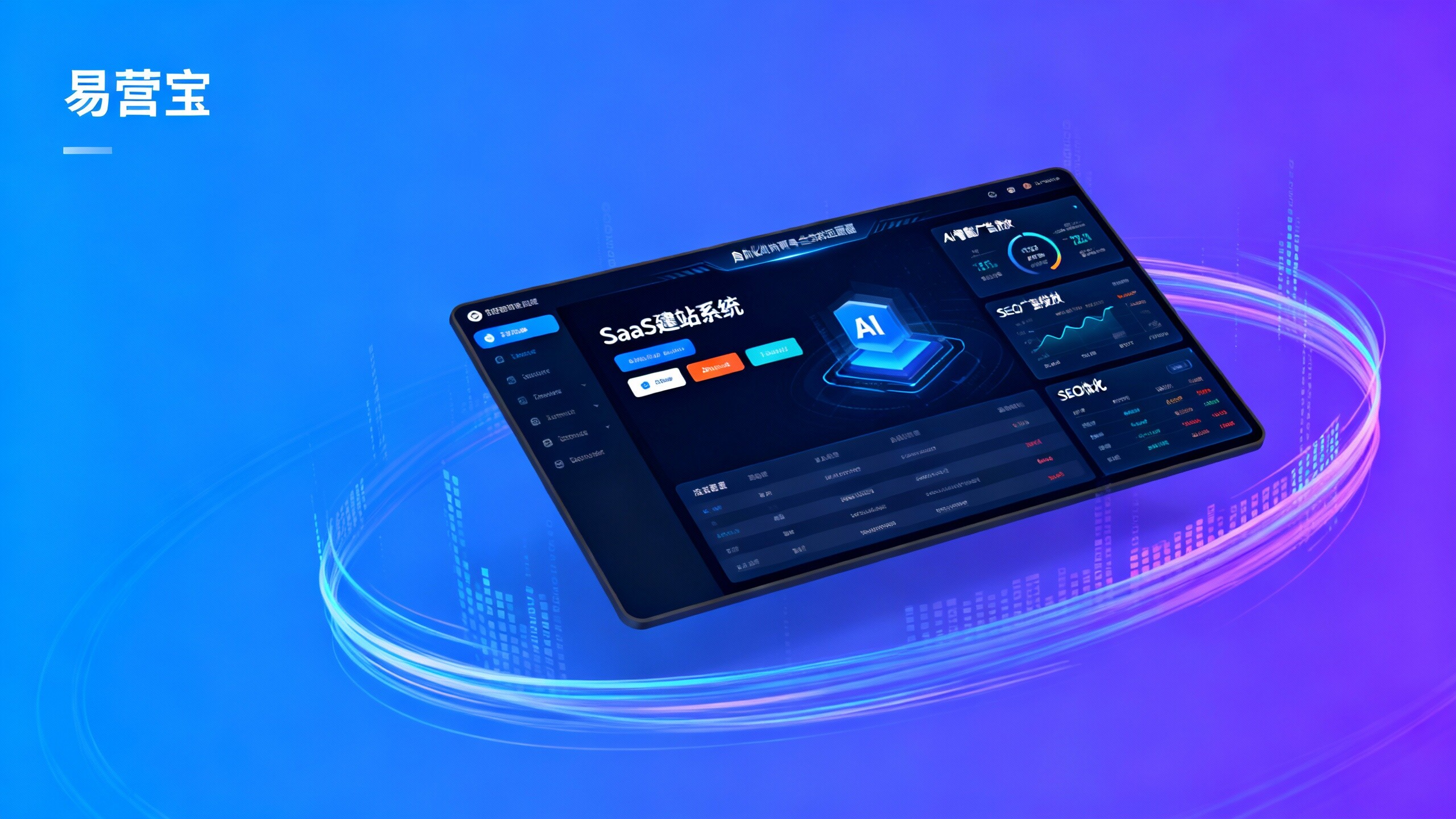
 EasyStore SaaS Intelligent Website Marketing SystemEasyStore SaaS Intelligent Website Marketing System, AI-driven zero-code website building, rapidly set up multilingual foreign trade independent sites in just 10 minutes, global server acceleration, AI-powered SEO optimization, helping businesses efficiently connect with global markets. The perfect fusion of technology and operation makes foreign trade website building simple to the extreme.
 AI+SEM Intelligent Advertising Marketing SystemAI+SEM drives intelligent campaign creation, empowering full-funnel precision advertising marketing. The system automatically generates weekly/monthly reports, AI-recommends keywords and target countries, monitors core metrics in real-time with intelligent alerts, and enables one-click high-conversion campaign launches to accelerate lead acquisition and boost ROI.
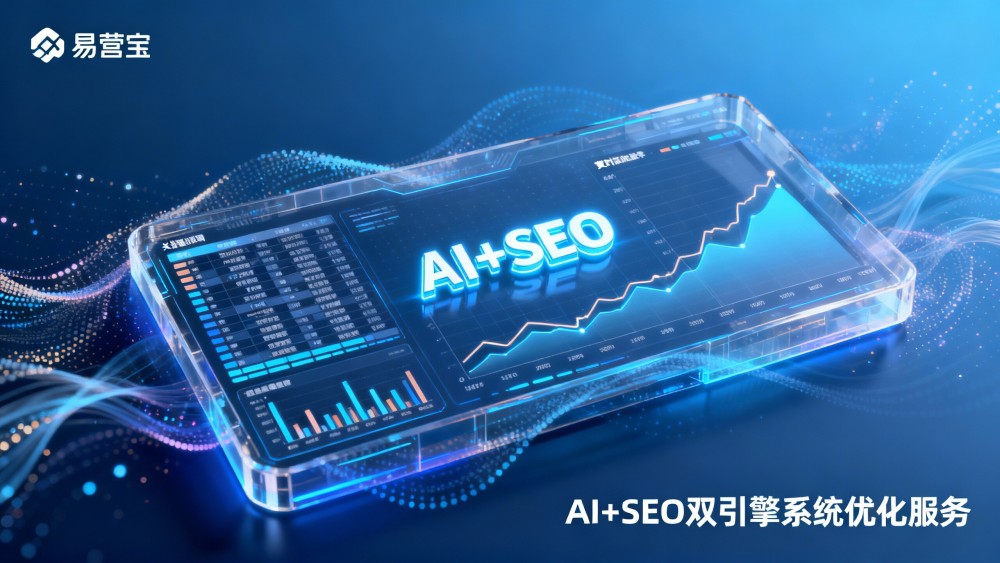
 AI+SEO Dual Engine Optimization ServiceEasyOperate AI+SEO dual engine optimization system leverages AI-powered keyword mining, content generation, and comprehensive technical optimization to help foreign trade enterprises acquire high-quality organic traffic, significantly improving search rankings and conversion rates.
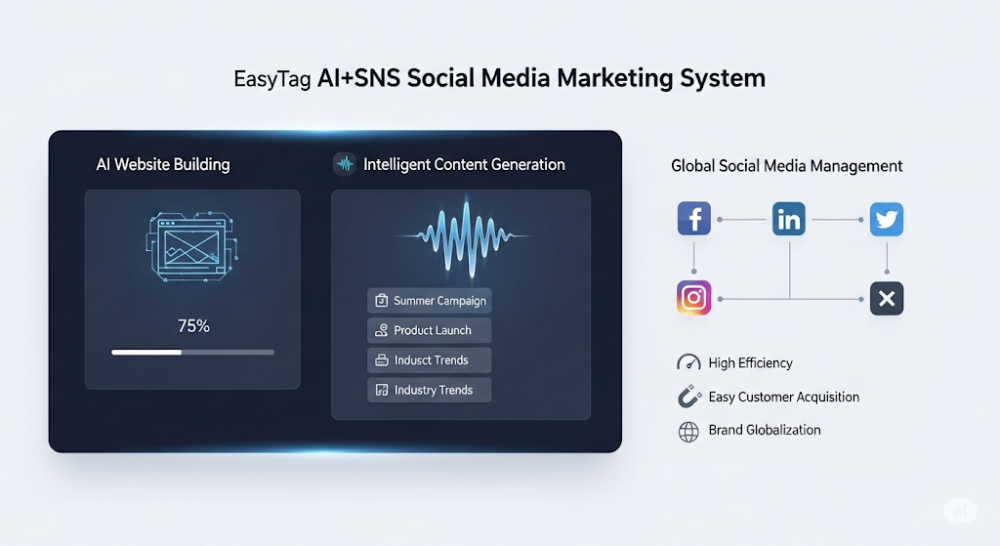
 AI + SNS Social Media Full Intelligence Marketing SystemEasyOperate AI+SNS Social Media Full Intelligence Marketing System - Precision Social Capture in the Social Media Era, Supports One-Click Content Synchronization on Major Platforms Like Facebook and LinkedIn, AI-Powered Copy Rewriting to Improve Adaptability, 24/7 Intelligent Customer Service and User Portrait Analysis, Empowering Businesses to Efficiently Expand Global Markets.
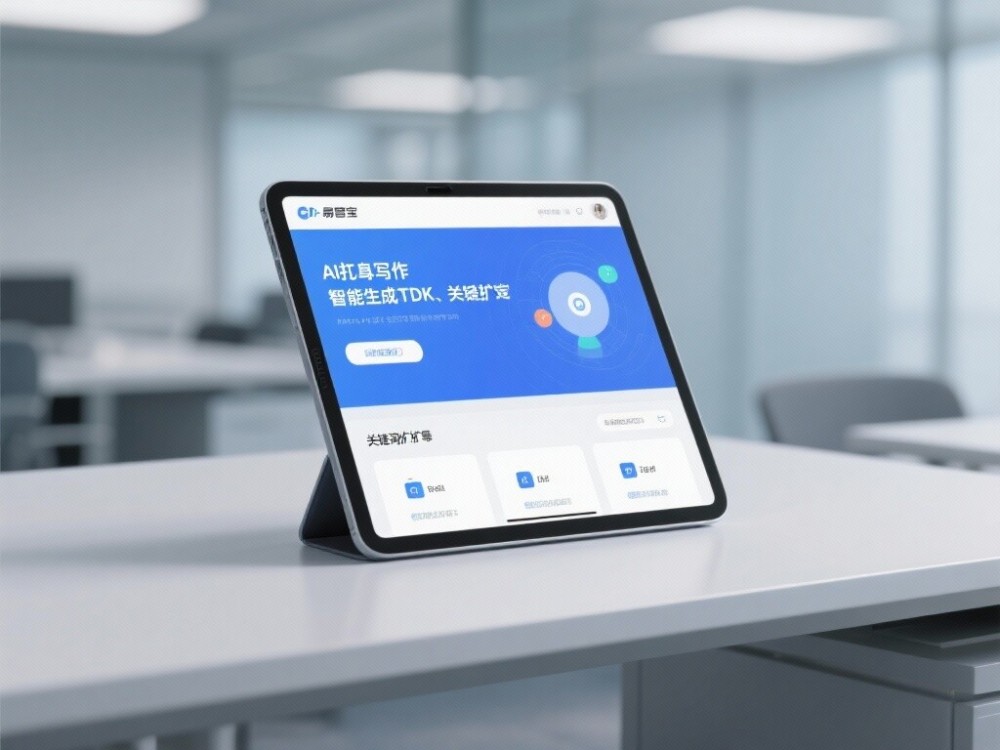
 AI+SEO Marketing SolutionEasyWin AI+SEO Marketing Solution leverages AI-powered batch content creation, intelligent TDK generation, and precise keyword expansion to comprehensively optimize website SEO performance, boosting traffic and conversion rates. Helps businesses build a highly efficient intelligent website ecosystem.
 AI+SEM Advertising & Marketing SolutionsAI+SEM advertising and marketing solution utilizes AI intelligent technology to deeply empower SEM advertising. Through AI intelligent generation of weekly/monthly reports, multi-dimensional presentation of account data, a comprehensive grasp of the effectiveness and trends of advertising, AI precise recommendation of keywords and countries, intelligent generation of high-conversion advertisement language, a key to start the efficient advertising program, helping enterprises to quickly acquire customers. At the same time, the system monitors the core indicators in real time, intelligently recognizes fluctuation abnormalities and warns them in time to ensure stable and high return of advertising effect.
 Domain Name ServicesEasy Operation provides professional domain services, including intelligent query, one-stop registration, brand protection, and full-cycle management, helping enterprises build a digital brand image.
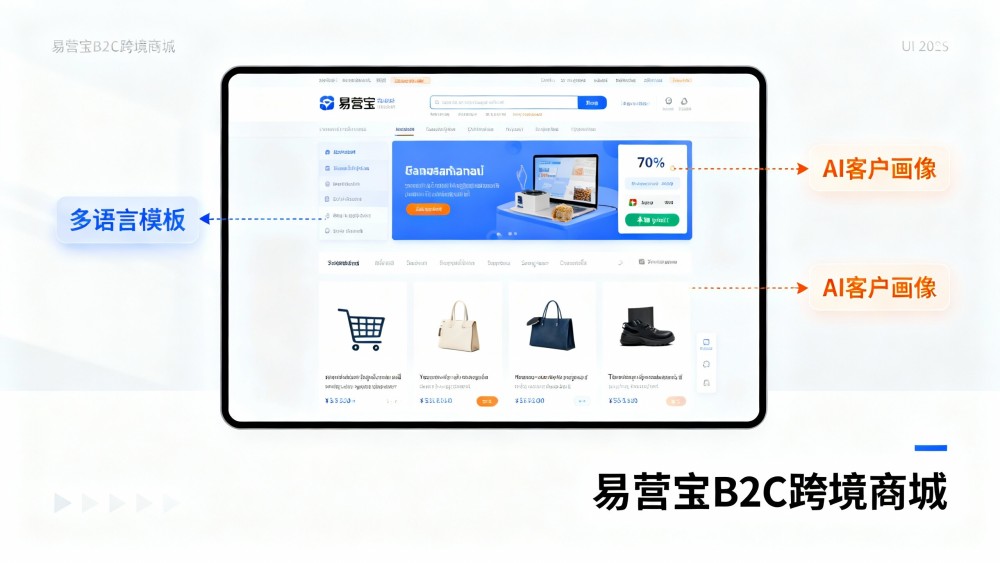
 EasyStore B2C Cross-border E-commerce Platform, Independent SiteEasyStore B2C Cross-border E-commerce Independent Store is an intelligent website building and cross-border e-commerce integrated solution independently developed by EasyStore Information Technology (Beijing) Co., Ltd. The system is specifically designed for small, medium, and large export enterprises, integrating 'website building, operation, marketing, advertising, and conversion' into one platform, helping businesses quickly establish cross-border e-commerce independent stores to achieve brand globalization and global sales growth.
The platform supports multiple languages, currencies, and multi-channel marketing, with built-in AI intelligent translation and SEO optimization systems, suitable for mainstream markets such as Southeast Asia, Europe & America, Latin America, and the Middle East, assisting Chinese manufacturing enterprises in efficiently deploying international e-commerce strategies. SSL CertificateEasyCert provides professional SSL security certificate services, including single-domain and wildcard certificates, ensuring encrypted data transmission, identity verification, and integrity protection for websites. This empowers businesses to establish secure and trustworthy online business environments.