









- How Can a Brand Updates Page Be Made More SEO-Friendly? Analysis of Update Frequency, Content Structure, and Internal Linking StrategyJun 28, 2026View details
- What stages does the cross-border services ecosystem include? How do website building, promotion, payment, and compliance work togetherJun 22, 2026View details
- How will email marketing costs change in 2026Jun 22, 2026View details
- The China-US tariff arrangement has reached a preliminary consensus, and the trade association will be establishedJun 15, 2026View details
- Should overseas brand marketing start with ads or contentJun 21, 2026View details
- What determines B2C cross-border e-commerce website development costs? A breakdown of features, interfaces, and deployment methodsJun 17, 2026View details
- China-Morocco zero-tariff access, a breakthrough in the cost of Moroccan goods exports to ChinaJun 11, 2026View details
- What signal should be released for the suspension of exports to JapanJun 10, 2026View details
What insights can be gained from responsive corporate website building system cases
Why Responsive Corporate Website Builder System Case Studies Are Worth Repeated Analysis
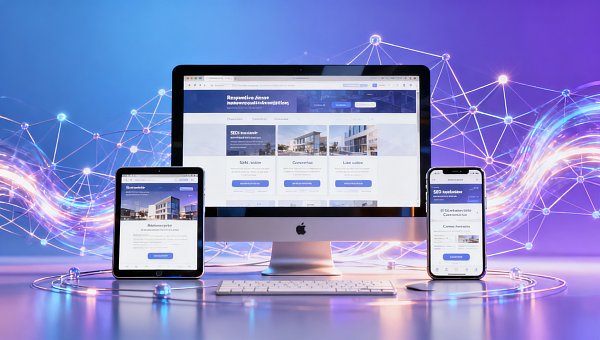
From outstanding responsive corporate website builder system case studies, business decision-makers can not only see the path of technical upgrades, but also gain insight into the key logic behind customer acquisition and conversion, brand presentation, and marketing coordination, providing replicable practical inspiration for digital growth. In the integrated website + marketing services scenario, the value of responsive corporate website builder system case studies lies not only in whether “pages can adapt to mobile phones and computers,” but more importantly in whether they truly support search optimization, content operations, lead collection, ad landing, and subsequent data analysis.
When building websites, many companies tend to focus on visual effects while overlooking access speed, information architecture, conversion paths, and the coordination of marketing tools. In fact, truly valuable responsive corporate website builder system case studies often share one common trait: the technical foundation serves business goals, and the website is no longer just a business card, but a digital asset capable of continuously acquiring customers. The service model represented by Beijing Eybang Information Technology Co., Ltd. is precisely about helping companies upgrade their websites from display windows into growth engines through the synergy of intelligent website building, SEO optimization, social media marketing, and advertising.
Why You Need a Checklist-Based Approach to Evaluate Responsive Corporate Website Builder System Case Studies
Responsive corporate website builder system case studies may appear complete on the surface, but there are many details that truly determine performance, including multi-device adaptation, page loading, content layout, form design, keyword deployment, conversion button placement, and backend maintenance efficiency. If you rely only on intuition for evaluation, it is easy to be misled by a “good-looking website” and overlook the costs and effectiveness of long-term operations.
Using a checklist-based evaluation makes it possible to quickly identify solutions that truly fit business development: on the one hand, it helps clarify whether the website has marketing capabilities, and on the other hand, it can also avoid repeated rework. Especially in an integrated website + marketing services environment, clear evaluation criteria can directly affect subsequent SEO rankings, the quality of ad landing pages, and lead conversion efficiency.
Core Checkpoints: What to Look for in High-Quality Responsive Corporate Website Builder System Case Studies
- First, check whether the multi-device experience is consistent. The navigation, buttons, forms, and primary visuals on mobile phones, tablets, and desktop devices should remain clear and usable, rather than simply scaling down the page.
- Check page loading speed and image compression strategies. Excellent responsive corporate website builder system case studies usually balance visual presentation and opening efficiency, avoiding visitor loss during the first-screen stage.
- Confirm whether the information architecture is designed around the user decision-making path. The home page, product pages, case study pages, about page, and contact page should form natural guidance rather than stacked information.
- Pay attention to whether the SEO foundation is well established, including title structure, description fields, category hierarchy, internal linking logic, and content-carrying capacity, as this determines the room for subsequent organic traffic growth.
- Check whether conversion components are clear and effective, such as inquiry forms, online consultation, phone buttons, document downloads, and call-to-action sections, and whether they can reduce user friction.
- Evaluate backend maintenance efficiency. If content publishing, page adjustments, and keyword settings all rely too heavily on technical personnel, long-term operating costs will rise significantly and affect execution speed.
- Determine whether the website can connect with marketing channels, including search promotion, social media traffic generation, data statistics, and customer management tools, to form a complete closed loop of lead accumulation and tracking.
- Observe whether brand expression is unified. Fonts, colors, case presentation, value propositions, and industry credibility elements should work together in coordination to strengthen visitors’ judgment of the company’s professionalism.
When companies analyze responsive corporate website builder system case studies, if they compare them item by item according to the above checklist, they can usually quickly identify which cases are merely “visual upgrades” and which truly balance technology, content, and marketing results.
Under Different Application Scenarios, the Key Inspirations from Responsive Corporate Website Builder System Case Studies
Brand Showcase Websites
These kinds of responsive corporate website builder system case studies emphasize first impressions, brand credibility, and content quality. The focus is not only on whether the design looks premium, but also on whether the brand story, service advantages, industry experience, and client cases can be conveyed efficiently within limited screen space. On mobile devices in particular, large sections of vague copy should be avoided so they do not squeeze out key information.
If the case study also includes clear consultation entry points, case redirection paths, and a search-friendly structure, then brand presentation is not only about image building, but can also support the accumulation of future inquiries.
Lead Generation and Conversion Websites
Responsive corporate website builder system case studies with a stronger customer acquisition orientation usually place the above-the-fold value proposition, form design, and trust signals in core positions. For example, content such as industry solutions, successful cases, service processes, and customer reviews will all revolve around “reducing decision-making uncertainty.”
In this scenario, whether the page supports SEO long-tail keyword deployment, whether it is convenient for ad landing, and whether it can track lead sources are all more important than pure visual creativity. Content resources like The Practical Dilemmas and Countermeasures of FinTech in Promoting Enterprise Innovation and Development, if embedded naturally in the logic, can also serve the functions of document downloads, content traffic generation, and professional endorsement.
Multilingual or Global Promotion Websites
When targeting overseas markets, the inspiration from responsive corporate website builder system case studies lies in giving equal weight to structural standardization and localization. Users in different regions have different browsing habits, form-filling preferences, and content focus points, so the website building system must support flexible adjustments rather than using one template to cover all markets.
Only when such websites are further combined with SEO optimization, social media marketing, and advertising synergy can the integrated advantages of website + marketing services truly be realized. Beijing Eybang Information Technology Co., Ltd. has been deeply engaged in global digital marketing services for more than a decade, and it is precisely by leveraging the dual drive of technological innovation and localized services that it helps companies transform website capabilities into global growth results.
Commonly Overlooked Items and Risk Alerts
Ignoring mobile conversion details. Although quite a few responsive corporate website builder system case studies can be opened on mobile phones, the buttons may be too small, the forms too long, and the first-screen information too scattered, ultimately resulting in low click-through rates and inquiry rates. Mobile is not a shrunken desktop site, but requires a reorganization of key content.
Focusing only on design, not on content strategy. No matter how refined the page visuals are, if there is no keyword layout, industry solutions, case accumulation, and FAQ content, it will be difficult for the website to gain sustained exposure in search engines later, and the value of responsive corporate website builder system case studies cannot truly be reflected.
Insufficient system openness. Some website building solutions are set up quickly in the early stage, but later cannot connect to analytics tools, marketing plugins, or customer management systems, causing a disconnect in the operational process. Once a website cannot work in coordination with marketing, it loses its long-term growth potential.
Lack of a data review mechanism. If traffic sources, page dwell time, button clicks, and form submissions are not tracked after launch, companies cannot judge where this responsive corporate website builder system case study truly succeeded, nor can they continue optimizing it.
Practical Execution Suggestions: How to Turn Case Study Inspiration into Action
- First sort out the website goals, whether it is brand upgrading, SEO customer acquisition, or ad landing, because different goals determine the reference priorities and evaluation methods for responsive corporate website builder system case studies.
- Create a page list and content list, clarifying what tasks the home page, service pages, case study pages, news pages, and contact page each undertake, so as to avoid structural confusion after launch.
- Synchronously plan the keyword strategy, deploying core keywords, scenario keywords, question keywords, and conversion keywords in advance into categories and content to enhance subsequent search visibility.
- Set clear action entry points for each important page, including consultation, booking, download, or requirement submission, to reduce visitor hesitation and improve conversion efficiency.
- Review data monthly after launch, focusing on mobile performance, bounce rate, time spent on key pages, and lead quality, and continuously iterate page content and structure.
If you hope to further improve the depth of decision-making, you can also embed industry research, policy analysis, or special-topic content into the website content system, forming the dual value of a professional image and search entry points. However, attention should be paid to maintaining consistency between content and business scenarios, avoiding stiff information stacking.
Summary and Action Guidance
High-quality responsive corporate website builder system case studies provide inspiration that goes far beyond page responsiveness alone. Rather, it is about how to build a website system that truly serves growth through technical architecture, content planning, SEO foundations, conversion design, and marketing coordination. For companies that are advancing digital upgrades, the earlier they establish clear inspection standards when referencing responsive corporate website builder system case studies, the more they can avoid ineffective investment.
A more reliable approach is to treat website building as a long-term operational project rather than a one-time task. First choose the right evaluation dimensions, then implement them item by item in combination with your own business goals, promotion channels, and customer journey, so that the website’s presentation power, customer acquisition capability, and conversion ability can all improve simultaneously. The next step can start directly with reviewing the existing website’s mobile experience, content structure, and conversion entry points, and optimizing each item against the checklist in this article, so that the inspiration from responsive corporate website builder system case studies can truly be transformed into measurable growth results.
Related Articles
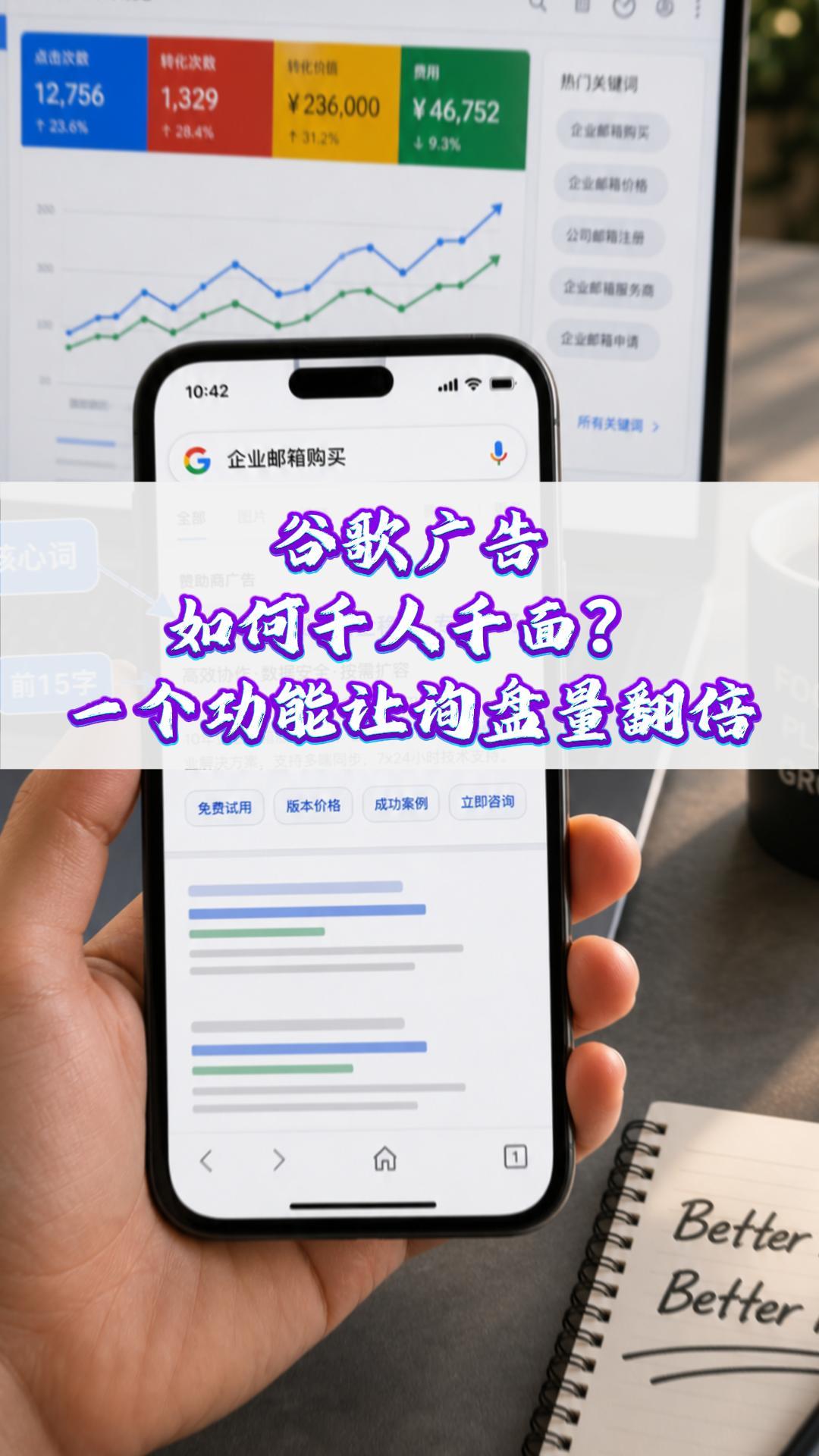
 How can Google Ads deliver one-to-one personalization? One feature can double your inquiry volume#ExportMarketing#OverseasPromotion#GoogleAds#SocialMediaMarketing#ForeignTradeIndependentWebsite
 Why a Google-optimized independent website is essential for trailer exports
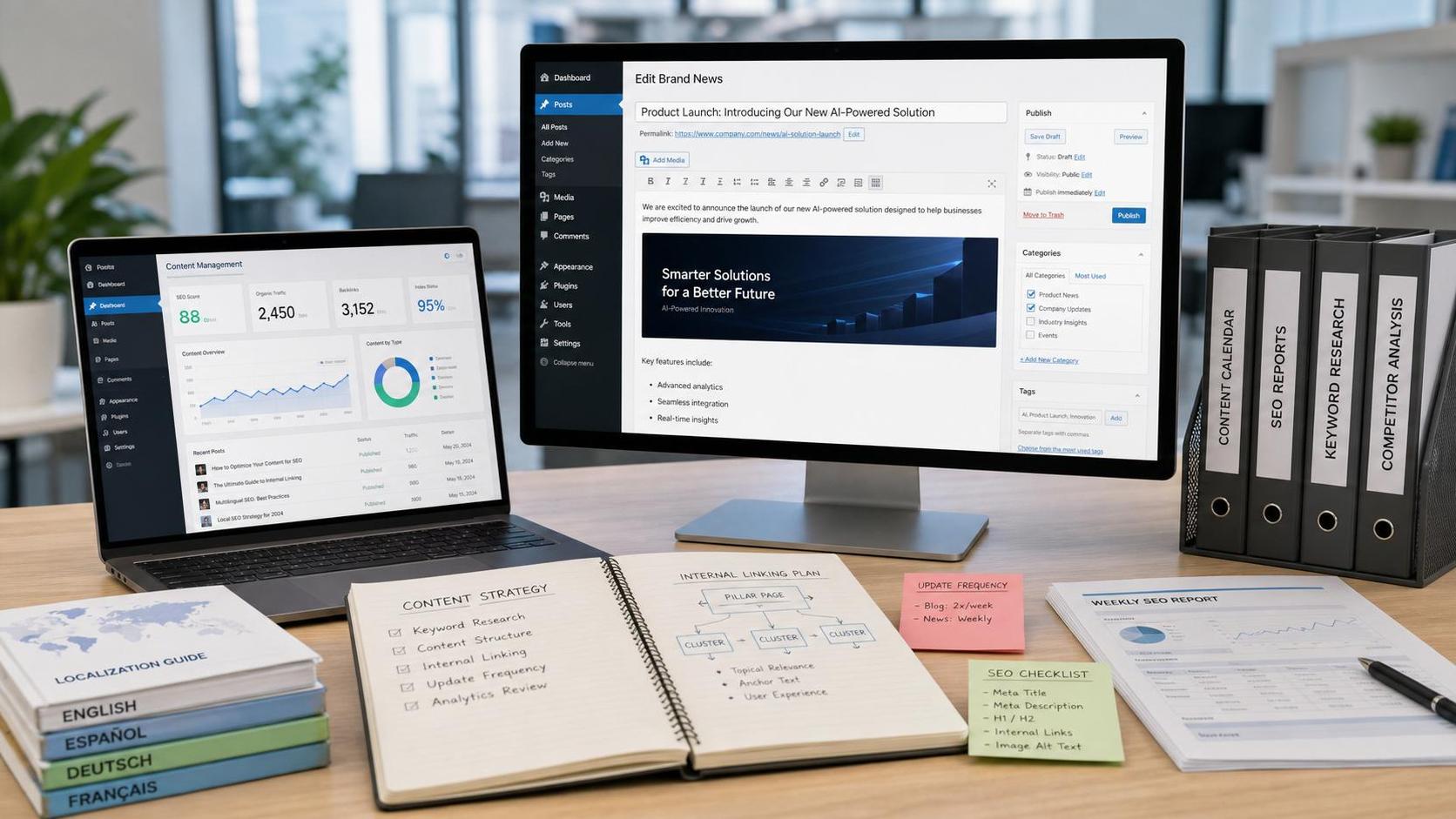
 How Can a Brand Updates Page Be Made More SEO-Friendly? Analysis of Update Frequency, Content Structure, and Internal Linking Strategy

Related Products
 EasyCamp SaaS Smart Website Marketing SystemE-Yingbao SaaS Smart Website Marketing System: AI-powered, zero-code website building. Rapidly launch multilingual independent e-commerce sites in just 10 minutes. Global server acceleration and AI-driven SEO optimization empower businesses to efficiently connect with global markets. The seamless integration of technology and user-friendly operation makes building e-commerce sites incredibly simple.
 AI+SEM Intelligent Advertising Marketing SystemAI+SEM drives intelligent ad creation, empowering full-funnel precision advertising marketing. The system automatically generates weekly/monthly reports, AI recommends keywords and target countries, monitors core metrics in real-time with intelligent alerts, and enables one-click high-conversion ad solutions to help quickly acquire customers and improve ROI.
 AI+SEO Dual Engine Optimization ServiceEasyWin AI+SEO Dual Engine Optimization System leverages AI-powered keyword mining, content generation, and comprehensive technical optimization to help foreign trade enterprises acquire high-quality organic traffic, significantly improving search rankings and conversion rates.
 AI+SNS Social Media Marketing SystemYingbao AI+SNS Social Media Marketing System - Precision social capture for the social media era. Supports one-click content synchronization across major platforms like Facebook and LinkedIn. AI intelligently rewrites posts for enhanced relevance. 24/7 AI customer service and user profiling analysis empower businesses to efficiently expand into global markets.
 AI+SEO营销解决方案易营宝AI+SEO营销解决方案,通过AI批量写作、智能生成TDK、精准关键词扩词等功能,全面优化网站SEO效果,提升流量与转化率。助力企业构建高效智能网站新生态。
 AI+SEM Advertising Marketing SolutionsAI+SEM Advertising Marketing Solution leverages AI technology to deeply empower SEM ad campaigns. It automatically generates weekly/monthly reports using AI, presenting account data across multiple dimensions for comprehensive insights into campaign performance and trends. The system precisely recommends keywords and target countries, intelligently generates high-conversion ad copy, and enables one-click activation of efficient campaign plans to help businesses rapidly acquire customers. Simultaneously, it monitors core metrics in real time, intelligently identifies abnormal fluctuations, and issues timely alerts to ensure stable, high-return advertising results.
 Domain Name ServicesEasyWin provides professional domain name services, including intelligent queries, one-stop registration, brand protection, and full lifecycle management, helping businesses build a digital brand image.
 EasyOperate B2C Cross-Border E-Commerce Platform & Independent WebsiteEasyStore B2C Cross-border E-commerce Independent Store is an intelligent website building and cross-border e-commerce integrated solution independently developed by EasyStore Information Technology (Beijing) Co., Ltd. The system is specially designed for small and medium-sized as well as large export enterprises, integrating 'website building, operation, marketing, advertising, and conversion' into one, helping enterprises quickly establish cross-border e-commerce independent stores to achieve brand globalization and global sales growth.
The platform supports multiple languages, multiple currencies, and multi-channel marketing, with built-in AI intelligent translation and SEO optimization systems, suitable for mainstream markets such as Southeast Asia, Europe and America, Latin America, and the Middle East, assisting Chinese manufacturing enterprises in efficiently deploying international e-commerce strategies. SSL证书易营宝提供专业SSL安全证书服务,包括单域名和泛域名证书,确保网站数据传输加密、身份验证和完整性保护,助力企业建立安全可信的在线业务环境。









