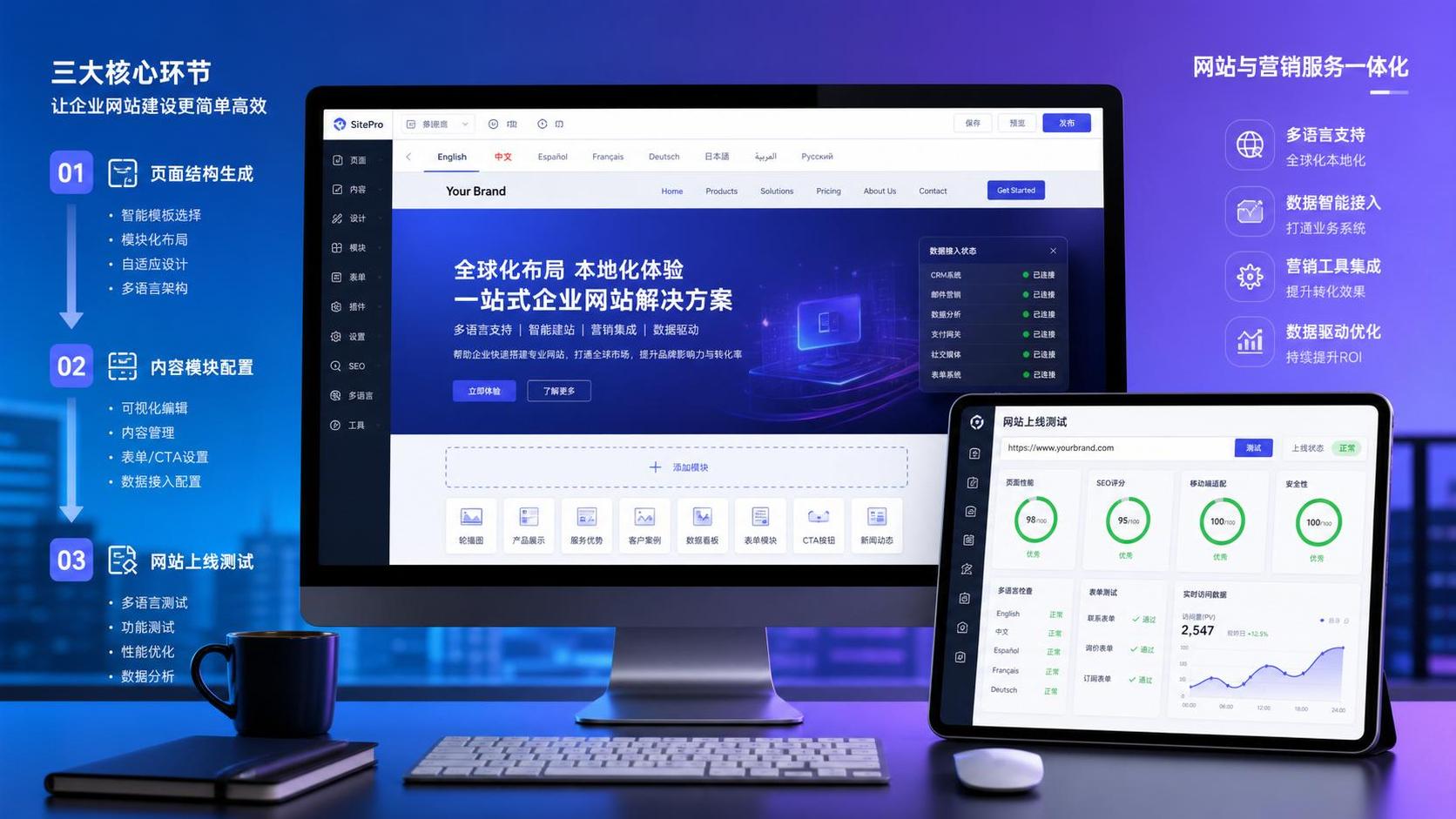
In the AI-driven search era, how can your website stand out? This article reveals the core algorithms of AI's priority recommendation mechanism, providing practical guidance from independent site construction to content optimization. Why do foreign trade enterprises need independent websites? How does HTTPS improve SEO rankings? We'll demonstrate with data: a quality website experience can directly increase inquiry conversion rates by 30%.
1. Core Logic of AI Search Recommendation Mechanism
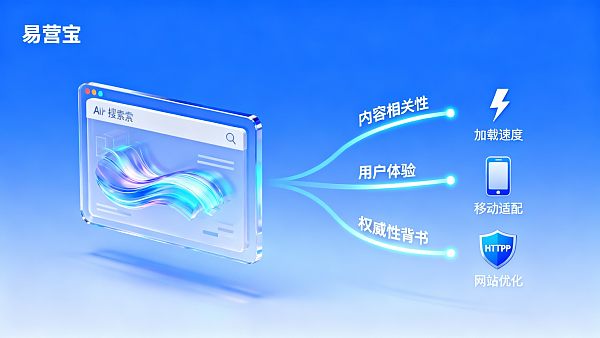
Modern search engines' AI algorithms have evolved from traditional keyword matching to a dual evaluation system combining semantic understanding and user experience. Google's MUM model can simultaneously process text, images, videos, and other multimodal content, with its recommendation logic primarily based on:
- Content Relevance: Using BERT algorithms to understand the deep association between search intent and page topics
- User Experience Signals: Including page loading speed (must achieve Google PageSpeed score 90+), mobile adaptability, content readability, etc.
- Authority Backing: HTTPS encryption, authoritative third-party backlinks, structured data markup, etc.
Taking a B2B foreign trade solutions client as an example, by optimizing the above dimensions, their independent site achieved 320% growth in daily inquiries and 58% increase in repeat customer rates.
2. Strategic Value of Foreign Trade Independent Websites
1. Fundamental Differences from Platform Stores
Third-party platform stores are limited by platform rules and traffic distribution, while independent websites feature:
2. Technical Guarantee System
High-conversion independent websites require:
- Global Acceleration Architecture: Using AWS/Ali cloud CDN nodes to ensure global access latency <200ms
- Security Protection: Automatic SSL certificates + DDoS defense, compliant with ISO 18587:2017 standards
- Intelligent O&M: Real-time server monitoring with automatic recovery time <5 minutes
3. Four Practical Strategies for Content Optimization

1. Semantic Content Construction
AI identifies content topic clusters through NLP technology, suggesting:
- Each page should focus on 1 core keyword (e.g., "How to make website content recommended by AI search")
- Extend 3-5 related long-tail keywords (e.g., "Does website security affect SEO?")
- Use H2/H3 tags to establish content hierarchy relationships
2. Multilingual Localization
Use Google-certified neural machine translation systems (92.7% accuracy), noting:
- Avoid mechanical translation to maintain industry terminology consistency
- Adapt to target market cultural habits (e.g., Middle Eastern sites require right-to-left layout)
- Generate multilingual versions for dynamic ad creatives
4. Technology-Driven Growth Cases
After implementing B2B foreign trade solutions, a machinery manufacturer achieved:
- 470% increase in Google organic search traffic within 6 months
- Inquiry conversion rate rose from 2.1% to 9.3%
- Ad ROI reached 1:8.7
Key optimization points included: responsive template libraries for mobile adaptation, intelligent customer service systems reducing bounce rates, and precise targeting of high-value clients through procurement behavior analytics.
Conclusion and Action Recommendations
In the current AI-driven search landscape, enterprises need to establish a "technology + content" dual-driven digital matrix. Through independent website construction, multilingual SEO optimization, and precision marketing systems, average conversion rates can increase by 67%. Contact our expert team immediately to obtain customized foreign trade growth solutions.