









- What Does a Global Traffic Ecosystem Service Provider Do? What Are the Differences from a Single Advertising AgencyJul 16, 2026View details
- What should you focus on in the latest enterprise SaaS report? From renewal rates and delivery costs to overseas growth opportunitiesJul 12, 2026View details
- What signals are worth paying attention to in a cross-border marketing trend report? B2B companies should look at these 6 signalsJul 11, 2026View details
- How to Read a Cross-Border Marketing Trends Report? Five Key Dimensions for Evaluating Channel OpportunitiesJul 11, 2026View details
- Which channel has the highest ROI in the global traffic ecosystem? Comparative analysis of search, social media, and advertisingJul 10, 2026View details
- What multilingual website services are available in Sanya? Which model is more suitable for local businesses going global?Jul 08, 2026View details
AI Multilingual Website System: The Key Engine for Global Exposure of Cross-Border Enterprises
1. Why Must Cross-Border Enterprises Have Multilingual Websites?
With the accelerated development of global trade, the customers enterprises target are no longer concentrated in a single market but span multiple regions such as North America, Europe, the Middle East, Africa, Latin America, and Southeast Asia.
What is the most important user experience before making a purchase? The answer is: "Can I understand your products and services in my native language?"
Data shows:
72% of overseas users prefer to purchase products on websites in their native language.
82% of users consider multilingual websites more professional and trustworthy.
Multilingual websites can improve conversion rates by an average of 2.3x.
Therefore, multilingual websites are no longer "icing on the cake" but the most critical infrastructure for cross-border enterprises.
AI multilingual website systems are the core technology helping enterprises rapidly achieve global coverage.
2. Core Features of AI Multilingual Website Systems (Far Beyond Traditional Translation)
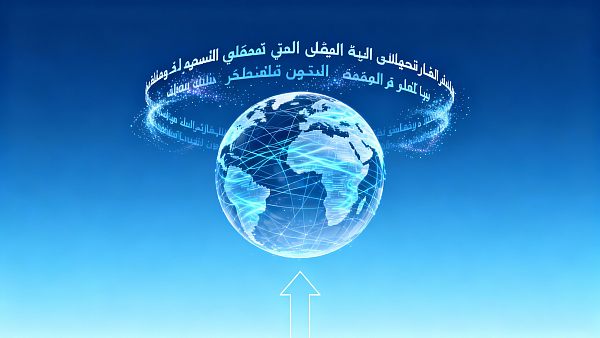
AI multilingual websites are not "multilingual plugins" or "Google Translate buttons" but a comprehensive system designed for cross-border growth, SEO, GEO, multilingual natural expression, and brand consistency.
Here are the five core capabilities of AI multilingual website systems:
1. Automatic Industry Language Recognition: Translation Is Not Word-for-Word but "Localized Expression"
Common issues with traditional translation:
Inaccurate industry terminology
Stiff and unnatural phrasing
Unaddressed cultural differences
Titles lacking SEO intent
AI multilingual systems can:
Automatically recognize industry terminology (e.g., manufacturing, machinery, foreign trade, apparel, electronics)
Rewrite expressions based on target country user habits
Automatically match optimal SEO keyword combinations
Automatically generate "titles that local users love to click"
For example:
Chinese: 工厂实力展示
English AI rewrite: Manufacturing Capability Overview
Arabic: نظرة عامة على قدرات التصنيع
Spanish: Capacidades de Producción
These are far superior to "direct translations."
2. Multilingual Full-Site Synchronized Updates: One Update, Automatic Multilingual Generation
For example, when a company publishes a Chinese news article:
AI automatically generates English/Arabic/Spanish/French/German/Japanese versions
Automatically replaces keywords, product names, and formats
Automatically synchronizes menus, breadcrumbs, and internal links
Cross-border enterprises can quickly achieve 20 news articles per day × 5 languages = 100 globally distributed content pieces.
This is a scale impossible with traditional manual methods.
3. SEO + GEO Multilingual Strong Matching: Let Google, Bing, Yandex, and Naver Actively Index
AI systems automatically handle:
hreflang tags
Multilingual URL structures (/en/, /ar/, /es/, etc.)
Structured data (Schema) switching with language
Localized keyword layouts
Automatic localization of titles and descriptions
Regional search intent matching (GEO)
The final effect is:
If a user searches in Arabic in Saudi Arabia → Arabic pages are displayed
If a user searches in Mexico → Spanish pages are displayed
If a user searches in the U.S. → English pages are displayed
Precise coverage naturally boosts traffic.
4. Global 7-Node Acceleration: Loading Speed Determines Conversion Rates
AI systems directly integrate with CDN, ensuring website access in:
Middle East
North America
Europe
Asia
Latin America
Load times are consistently under 2 seconds.
Faster speed leads to higher Google rankings.
5. AI-Driven Full-Site Consistency Management
The biggest issue with traditional multilingual sites: inconsistent multi-version content.
AI systems automatically:
Monitor content matching across all language pages
Auto-correct inconsistent expressions
Auto-"improve language quality scores"
Maintain unified brand expression
Providing truly "brand-consistent" global deployment for enterprises.
3. Three Major Benefits AI Multilingual Websites Bring to Cross-Border Enterprises
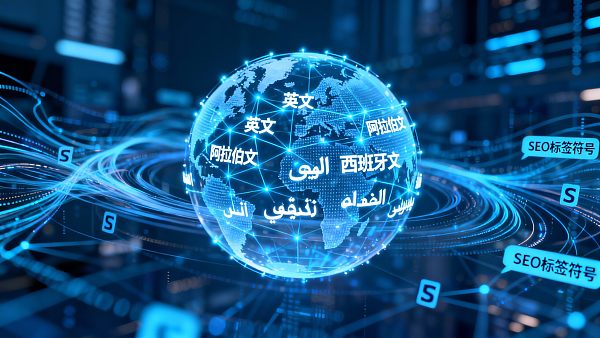
1. Global Exposure ×10
Multilingual content → Multi-channel entry points → Multi-country indexing
Equivalent to building "10 global websites" for the enterprise.
2. International Inquiries Grow 3–5x
Because users can understand your services in their language, trust, professionalism, and conversion rates significantly improve.
3. SEO Costs Drop 90%
Traditional overseas SEO costs:
Translation fees
Language proofreading
Content editing
Local optimization
AI multilingual systems can auto-generate high-quality, indexable content, greatly reducing budgets.
4. Applicable Industries
AI multilingual websites suit all cross-border enterprises:
Factory-based foreign trade companies
B2B foreign trade businesses
Cross-border brand independent sites
SaaS platforms
3C/apparel/furniture/machinery companies
Cross-border e-commerce sellers
Service-based export companies
Any enterprise needing to "be seen globally" must have a multilingual website.
5. Future Trend: AI Multilingual Websites Will Replace Traditional Website Building
Industry trends over the next 3 years:
Over 30% of foreign trade companies will switch to AI website building
Global search trends toward GEO (generative search)
AI multilingual websites are more likely to be cited by ChatGPT/Gemini and other AI platforms
AI multilingual websites will become the new standard for global marketing.
Related Articles
Related Products
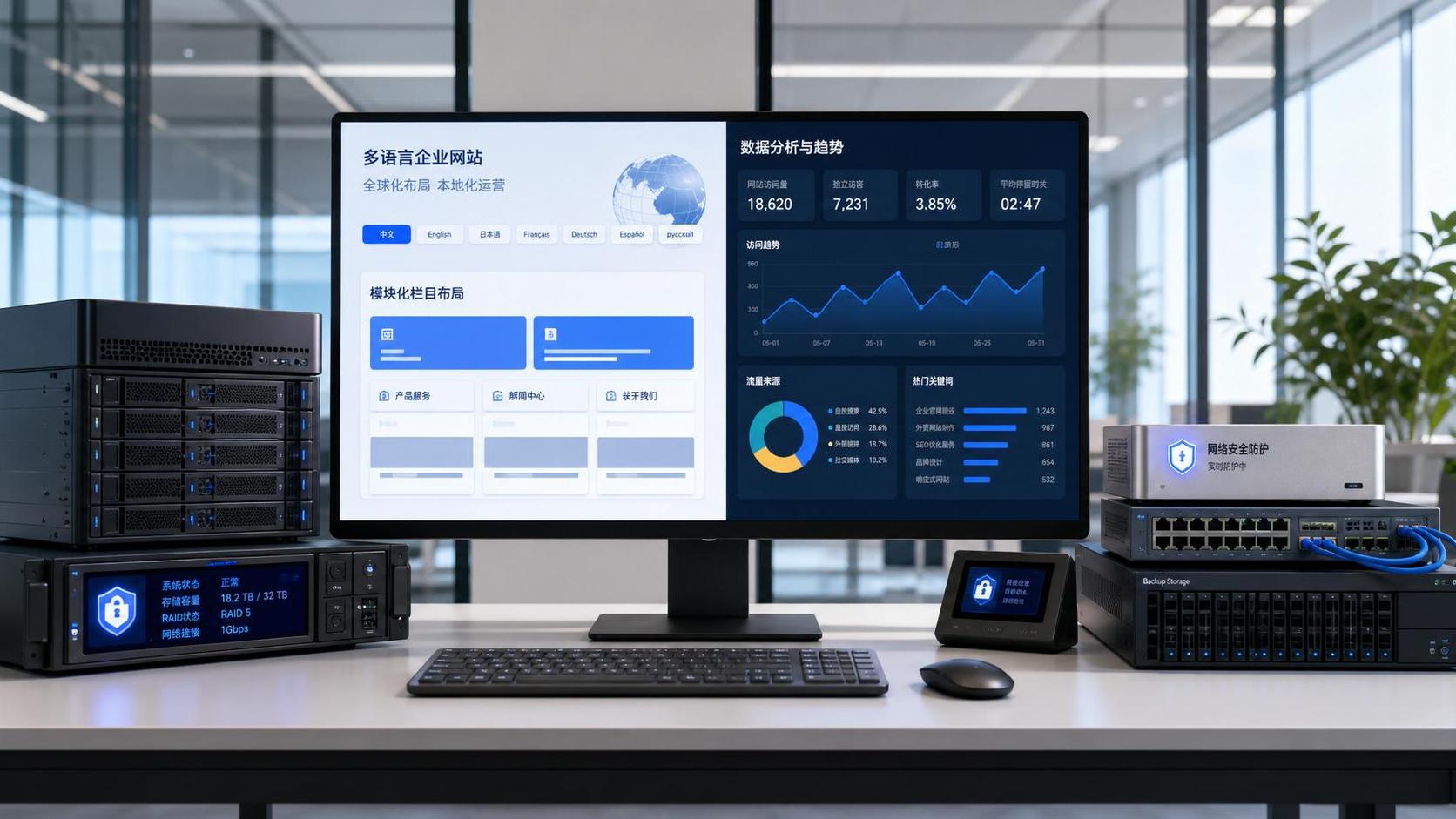
 EasyCamp SaaS Smart Website Marketing SystemE-Yingbao SaaS Smart Website Marketing System: AI-powered, zero-code website building. Rapidly launch multilingual independent e-commerce sites in just 10 minutes. Global server acceleration and AI-driven SEO optimization empower businesses to efficiently connect with global markets. The seamless integration of technology and user-friendly operation makes building e-commerce sites incredibly simple.
 AI+SEM Intelligent Advertising Marketing SystemAI+SEM drives intelligent ad creation, empowering full-funnel precision advertising marketing. The system automatically generates weekly/monthly reports, AI recommends keywords and target countries, monitors core metrics in real-time with intelligent alerts, and enables one-click high-conversion ad solutions to help quickly acquire customers and improve ROI.
 AI+SEO Dual Engine Optimization ServiceEasyWin AI+SEO Dual Engine Optimization System leverages AI-powered keyword mining, content generation, and comprehensive technical optimization to help foreign trade enterprises acquire high-quality organic traffic, significantly improving search rankings and conversion rates.
 AI+SNS Social Media Marketing SystemYingbao AI+SNS Social Media Marketing System - Precision social capture for the social media era. Supports one-click content synchronization across major platforms like Facebook and LinkedIn. AI intelligently rewrites posts for enhanced relevance. 24/7 AI customer service and user profiling analysis empower businesses to efficiently expand into global markets.
 AI+SEO营销解决方案易营宝AI+SEO营销解决方案,通过AI批量写作、智能生成TDK、精准关键词扩词等功能,全面优化网站SEO效果,提升流量与转化率。助力企业构建高效智能网站新生态。
 AI+SEM Advertising Marketing SolutionsAI+SEM Advertising Marketing Solution leverages AI technology to deeply empower SEM ad campaigns. It automatically generates weekly/monthly reports using AI, presenting account data across multiple dimensions for comprehensive insights into campaign performance and trends. The system precisely recommends keywords and target countries, intelligently generates high-conversion ad copy, and enables one-click activation of efficient campaign plans to help businesses rapidly acquire customers. Simultaneously, it monitors core metrics in real time, intelligently identifies abnormal fluctuations, and issues timely alerts to ensure stable, high-return advertising results.
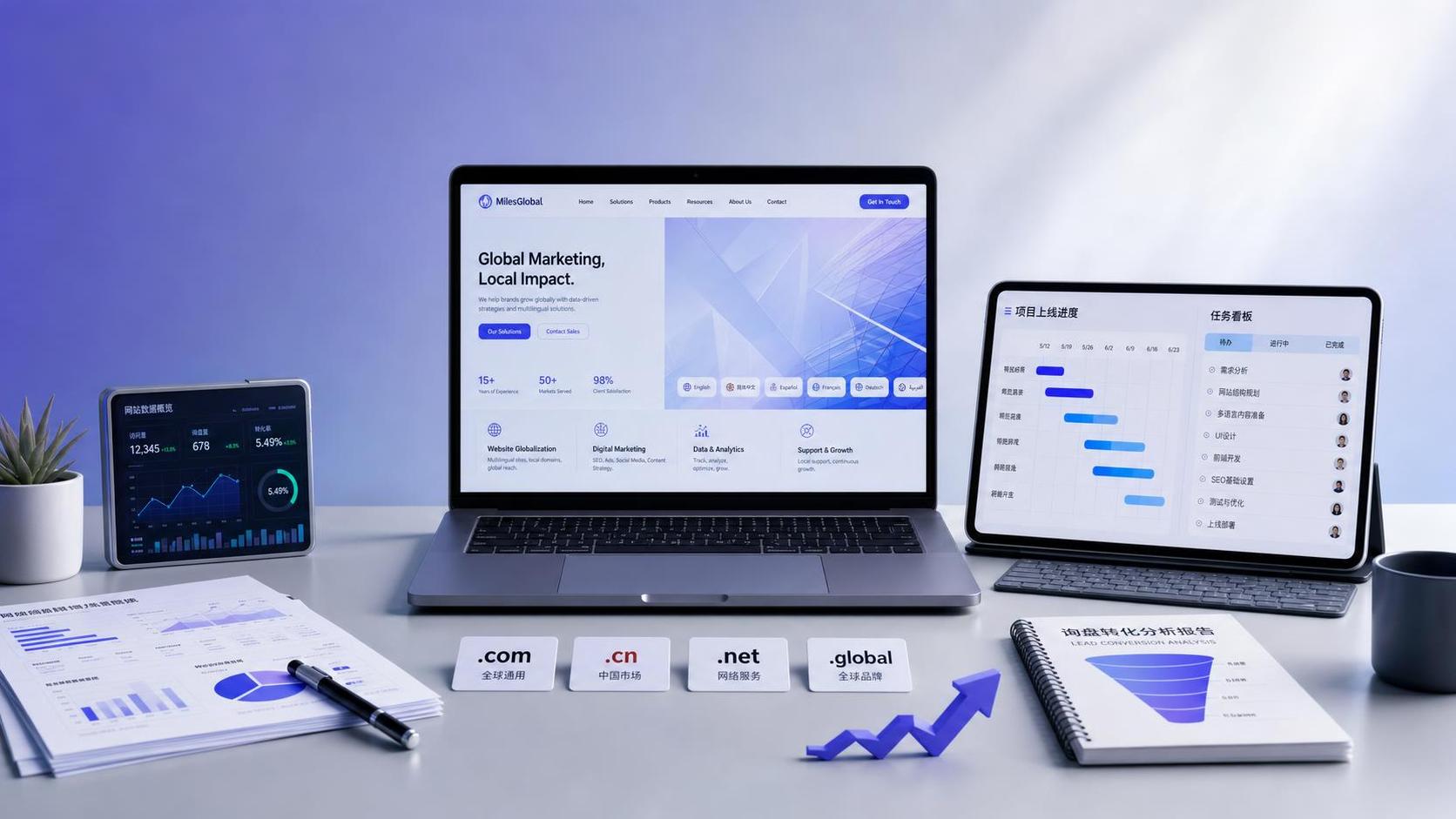
 Domain Name ServicesEasyWin provides professional domain name services, including intelligent queries, one-stop registration, brand protection, and full lifecycle management, helping businesses build a digital brand image.
 EasyOperate B2C Cross-Border E-Commerce Platform & Independent WebsiteEasyStore B2C Cross-border E-commerce Independent Store is an intelligent website building and cross-border e-commerce integrated solution independently developed by EasyStore Information Technology (Beijing) Co., Ltd. The system is specially designed for small and medium-sized as well as large export enterprises, integrating 'website building, operation, marketing, advertising, and conversion' into one, helping enterprises quickly establish cross-border e-commerce independent stores to achieve brand globalization and global sales growth.
The platform supports multiple languages, multiple currencies, and multi-channel marketing, with built-in AI intelligent translation and SEO optimization systems, suitable for mainstream markets such as Southeast Asia, Europe and America, Latin America, and the Middle East, assisting Chinese manufacturing enterprises in efficiently deploying international e-commerce strategies. SSL证书易营宝提供专业SSL安全证书服务,包括单域名和泛域名证书,确保网站数据传输加密、身份验证和完整性保护,助力企业建立安全可信的在线业务环境。









