









- What Does a Global Traffic Ecosystem Service Provider Do? What Are the Differences from a Single Advertising AgencyJul 16, 2026View details
- What should you focus on in the latest enterprise SaaS report? From renewal rates and delivery costs to overseas growth opportunitiesJul 12, 2026View details
- What signals are worth paying attention to in a cross-border marketing trend report? B2B companies should look at these 6 signalsJul 11, 2026View details
- How to Read a Cross-Border Marketing Trends Report? Five Key Dimensions for Evaluating Channel OpportunitiesJul 11, 2026View details
- Which channel has the highest ROI in the global traffic ecosystem? Comparative analysis of search, social media, and advertisingJul 10, 2026View details
- What multilingual website services are available in Sanya? Which model is more suitable for local businesses going global?Jul 08, 2026View details
- How to view the complete list of China SaaS companies in the top 100? Practical methods for screening website-building and marketing service providersJul 08, 2026View details
- How to view pricing in the global traffic ecosystem? Cost comparison of search, social media, and content channel advertisingJul 06, 2026View details
Three Key Criteria for Choosing AI Translation Software
When evaluating AI translation software for business use,you should not look only at price,but also focus on accuracy,scenario fit,and the ability to coordinate with global marketing。For website development,search optimization,social media content,and advertising campaigns,translation quality directly affects visitor trust,inquiry conversion,and overseas brand consistency。
Scenario First:Why AI Translation Software Should Be Evaluated by Business Workflow

The same AI translation software may perform differently across official website pages,product materials,ad copy,and customer service communication。Before selection,you should first confirm which growth stage the content will enter。
Website + marketing service integration emphasizes a continuous experience from website building to customer acquisition。If a translation tool only completes literal conversion,it will be difficult to support search indexing,landing page conversion,and localized expression。
EasyYingBao Information Technology(Beijing)Co., Ltd. has long served global digital marketing scenarios。In practice,it has found that accuracy,scenario fit,and marketing collaboration are the three main criteria for selecting AI translation software。
Scenario 1:Multilingual Website Development Depends on Accuracy and Structural Fit
Official website translation is not simply copying Chinese content。Headings,navigation,buttons,form prompts,and product parameters must all match the reading habits of the target market。
When evaluating AI translation software,you need to test industry terminology,long-sentence segmentation,page tags,and link anchor text。Incorrect translation affects user judgment and also reduces how efficiently search engines understand the page。
- Check whether headings naturally include core keywords。
- Check whether product parameters remain consistent。
- Check whether button copy has a clear call to action。
- Check whether page layout adapts to the length of the translated text。
Scenario 2:SEO Content Expansion Depends on Semantics and Search Intent
In SEO scenarios,AI translation software needs to understand search intent,rather than replace sentences one by one。Expressions commonly used by target-language users may be completely different from direct Chinese translations。
A good translation tool should support keyword mapping,synonym expansion,and localized title optimization。Only in this way can articles,category pages,and product pages become stable entry points for organic traffic。
In content operations,translation quality can also be reviewed together with rankings,click-through rates,and dwell time。Whether AI translation software is suitable for SEO should be continuously verified with data。
Scenario 3:Advertising Campaigns Depend on Conversion-Oriented Expression and Review Risk
Ad copy has higher requirements for emotion,rhythm,and compliance。Literal expressions may sound stiff,and may also trigger platform review risks。
When choosing AI translation software,you should test short headlines,selling-point sentences,promotional messages,and disclaimers。Pay particular attention to the requirements of different countries regarding exaggerated promises,price expressions,and industry restrictions。
Advertising landing pages should also be checked at the same time。If ad copy and page translations are inconsistent,user trust will decline,and conversion costs will also rise。
Scenario 4:Social Media and Customer Service Depend on Tone,Speed,and Consistency
Social media content places greater emphasis on tone。AI translation software needs to distinguish between formal brand expression,campaign interaction language,and comment reply language,so that not all content reads like an instruction manual。
Customer service scenarios focus on both speed and accuracy。For FAQs,logistics instructions,after-sales policies,and technical support,a terminology database and fixed reply templates should be established。
If an enterprise is involved in complex business topics,it can refer to structured research materials such as Research on Liquidity Risk Management Strategies for Manufacturing Enterprises,and use clearer classification methods to manage cross-language information。
How to Compare Requirement Differences Across Different Scenarios
AI Translation Software Adaptation Recommendations:From Small Samples to the Full Workflow
Test with real business content first,rather than looking only at demo samples。It is recommended to select one set of materials each from the official website,blog,advertising,and customer service,to form a horizontal comparison。
- Build an industry terminology list to standardize product names and parameters。
- Set target-language keywords and verify search expressions。
- Have localization specialists review high-value pages。
- Connect translation performance to SEO and advertising data。
- Update the terminology database regularly and accumulate reusable assets。
In intelligent website development,SEO optimization,social media marketing,and advertising campaigns,EasyYingBao usually incorporates AI translation software into the content production process,rather than using it as an isolated tool。
Common Misjudgments:Low Price,Full Automation,and Single-Point Scoring
Looking only at price can easily overlook hidden costs。Low-quality translations require repeated revisions,which may slow down the launch schedule and also affect customer acquisition efficiency。
Overreliance on full automation also carries risks。High-value pages,core advertising copy,and legal clauses still require human review and business confirmation。
A one-time score is not reliable。AI translation software should be observed within a real marketing workflow to see whether it can improve content efficiency,search performance,and conversion quality over the long term。
Action Guide:Complete Selection and Implementation in Three Steps
Step 1,list core markets,languages,and content types。Clarify which pages directly affect inquiries,and which content mainly serves brand exposure。
Step 2,use the same batch of materials to test different AI translation software。Compare accuracy,scenario-specific tone,SEO friendliness,and collaboration interfaces。
Step 3,connect the translation tool to website and marketing workflows。Continuously optimize global growth efficiency through keyword rankings,ad conversions,and user feedback。
AI translation software that truly fits is not only about reducing translation costs,but should also help enterprises turn multilingual content into growth assets that are searchable,trustworthy,and convertible。
Related Articles
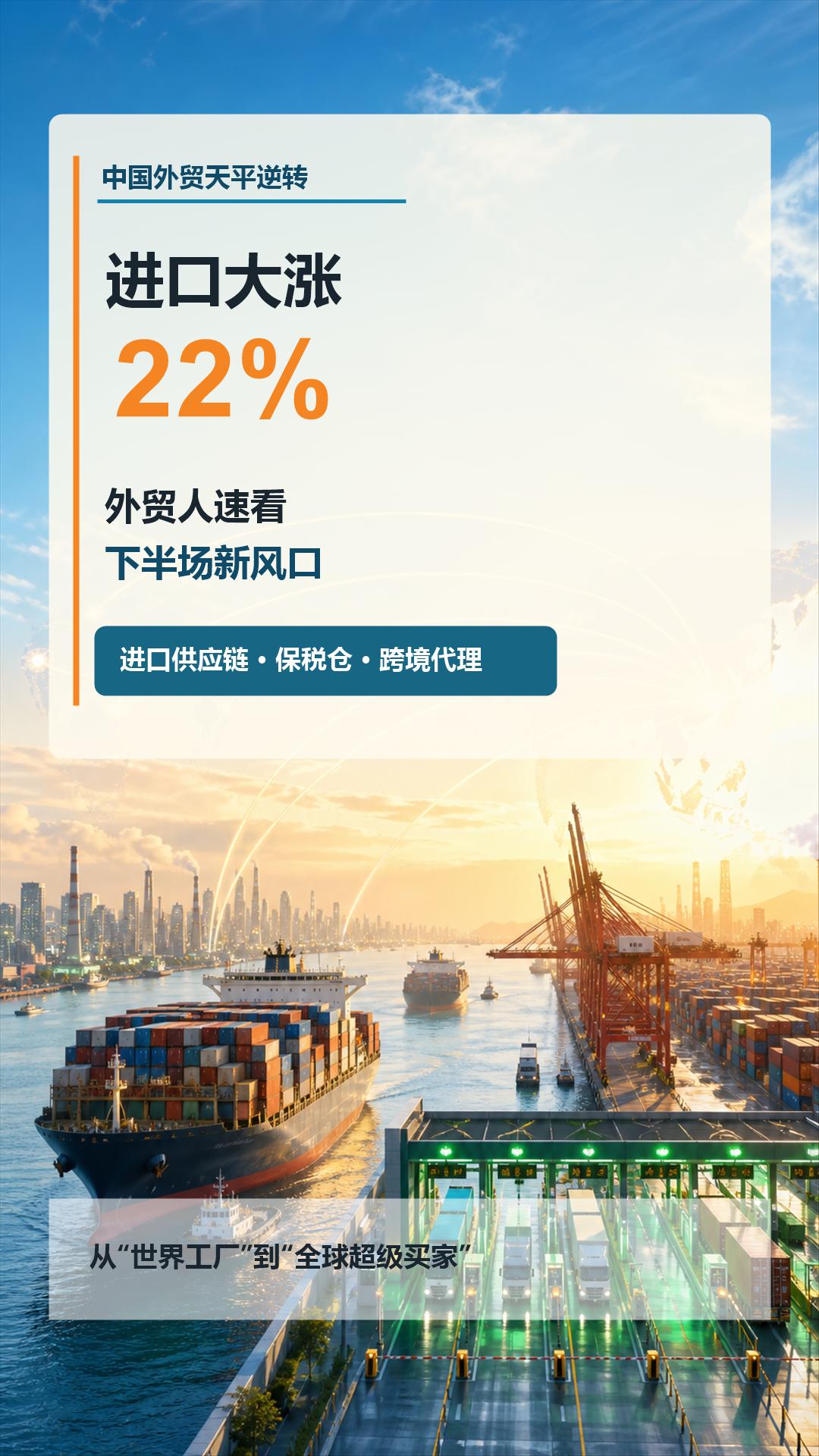
 China's foreign trade sees a turnaround: imports surge by 22%! Foreign trade professionals should quickly take note of the new trends in the second half of the year
 What Does a Global Traffic Ecosystem Service Provider Do? What Are the Differences from a Single Advertising Agency
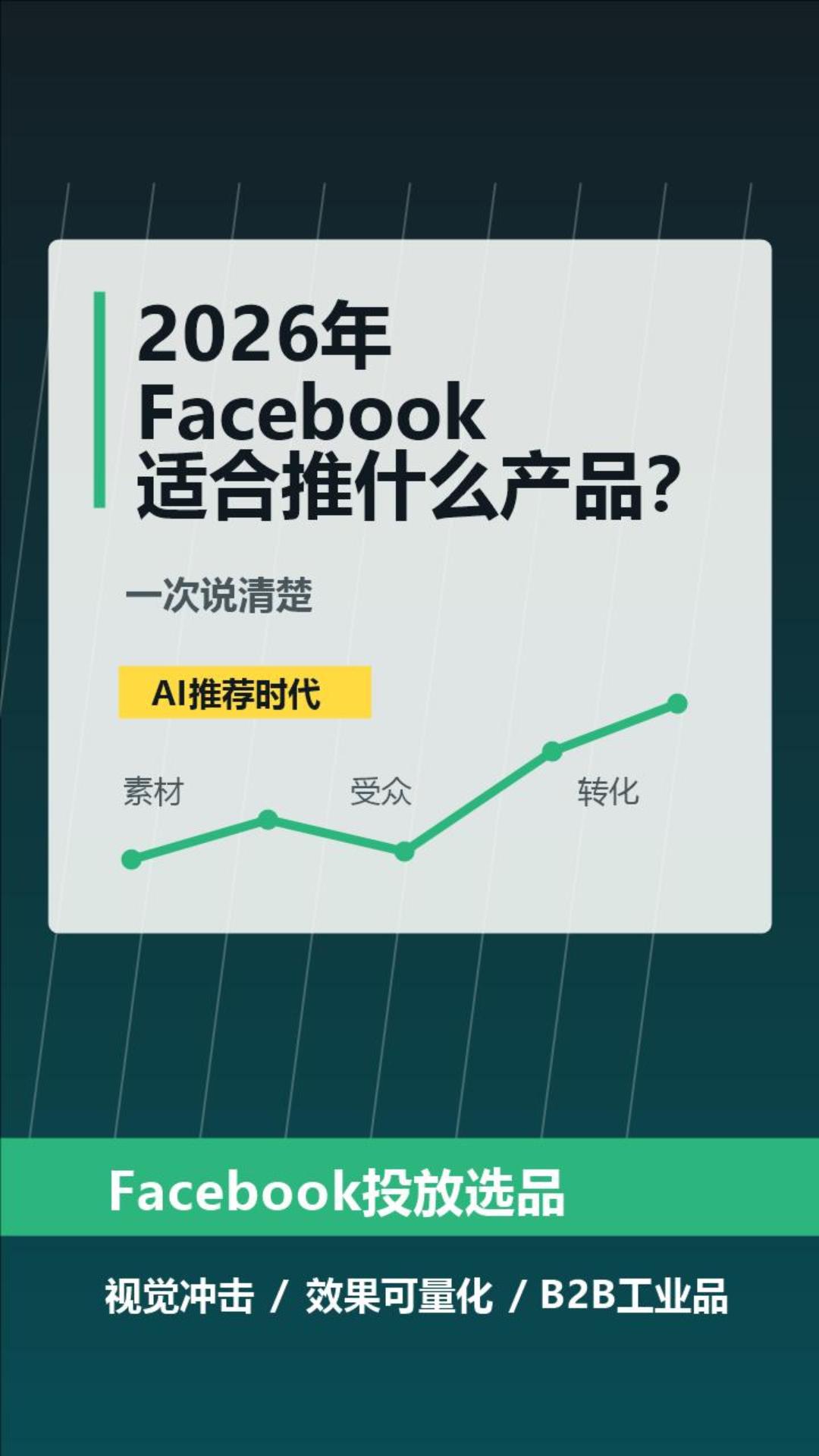
 What Products Are Suitable for Facebook in 2026? Explained Clearly at Once
Related Products
 EasyCamp SaaS Smart Website Marketing SystemE-Yingbao SaaS Smart Website Marketing System: AI-powered, zero-code website building. Rapidly launch multilingual independent e-commerce sites in just 10 minutes. Global server acceleration and AI-driven SEO optimization empower businesses to efficiently connect with global markets. The seamless integration of technology and user-friendly operation makes building e-commerce sites incredibly simple.
 AI+SEM Intelligent Advertising Marketing SystemAI+SEM drives intelligent ad creation, empowering full-funnel precision advertising marketing. The system automatically generates weekly/monthly reports, AI recommends keywords and target countries, monitors core metrics in real-time with intelligent alerts, and enables one-click high-conversion ad solutions to help quickly acquire customers and improve ROI.
 AI+SEO Dual Engine Optimization ServiceEasyWin AI+SEO Dual Engine Optimization System leverages AI-powered keyword mining, content generation, and comprehensive technical optimization to help foreign trade enterprises acquire high-quality organic traffic, significantly improving search rankings and conversion rates.
 AI+SNS Social Media Marketing SystemYingbao AI+SNS Social Media Marketing System - Precision social capture for the social media era. Supports one-click content synchronization across major platforms like Facebook and LinkedIn. AI intelligently rewrites posts for enhanced relevance. 24/7 AI customer service and user profiling analysis empower businesses to efficiently expand into global markets.
 AI+SEO营销解决方案易营宝AI+SEO营销解决方案,通过AI批量写作、智能生成TDK、精准关键词扩词等功能,全面优化网站SEO效果,提升流量与转化率。助力企业构建高效智能网站新生态。
 AI+SEM Advertising Marketing SolutionsAI+SEM Advertising Marketing Solution leverages AI technology to deeply empower SEM ad campaigns. It automatically generates weekly/monthly reports using AI, presenting account data across multiple dimensions for comprehensive insights into campaign performance and trends. The system precisely recommends keywords and target countries, intelligently generates high-conversion ad copy, and enables one-click activation of efficient campaign plans to help businesses rapidly acquire customers. Simultaneously, it monitors core metrics in real time, intelligently identifies abnormal fluctuations, and issues timely alerts to ensure stable, high-return advertising results.
 Domain Name ServicesEasyWin provides professional domain name services, including intelligent queries, one-stop registration, brand protection, and full lifecycle management, helping businesses build a digital brand image.
 EasyOperate B2C Cross-Border E-Commerce Platform & Independent WebsiteEasyStore B2C Cross-border E-commerce Independent Store is an intelligent website building and cross-border e-commerce integrated solution independently developed by EasyStore Information Technology (Beijing) Co., Ltd. The system is specially designed for small and medium-sized as well as large export enterprises, integrating 'website building, operation, marketing, advertising, and conversion' into one, helping enterprises quickly establish cross-border e-commerce independent stores to achieve brand globalization and global sales growth.
The platform supports multiple languages, multiple currencies, and multi-channel marketing, with built-in AI intelligent translation and SEO optimization systems, suitable for mainstream markets such as Southeast Asia, Europe and America, Latin America, and the Middle East, assisting Chinese manufacturing enterprises in efficiently deploying international e-commerce strategies. SSL证书易营宝提供专业SSL安全证书服务,包括单域名和泛域名证书,确保网站数据传输加密、身份验证和完整性保护,助力企业建立安全可信的在线业务环境。









