- How to Choose the Right Global Website SaaS Platform for Your Business? The Latest 2023 Selection Guide2026-01-13View details
- City Partner Program Explained: How to Achieve Business Growth Through Global Website Building SaaS Platform2026-01-13View details
- How does EasySales B2B platform help companies reduce customer acquisition costs? 2024 latest data analysis2026-01-12View details
- From 0 to 1: EasyYunbao Multilingual Website Helps Businesses Succeed in Overseas Markets with Case Studies2026-01-12View details
- 2023 China Smart Website Market Research: Analysis of Multilingual Website System Demand Growth2026-01-12View details
- Real User Sharing: YIYINGBAO Usage Experience and Website Effectiveness Evaluation2026-01-12View details
- Intelligent Website Platform Competitive Analysis: Core Differences Between EasyYunbao and Mainstream Domestic Website Systems2026-01-12View details
- EasyYunbao Review: How effective is multilingual website building and ad placement?2026-01-13View details
The Secret to Doubling Traffic on Multilingual Websites: A Detailed Guide to SEO Optimization and Localization Strategies
How can foreign trade enterprises double overseas traffic through multilingual websites? This article reveals the core secrets of SEO optimization and localization strategies, from building independent sites to AI translation applications, analyzing how multilingual websites help B2B foreign trade lead generation, comparing advantages over single-language sites, and providing actionable traffic growth solutions.
1. Multilingual Websites vs. Single-Language Websites: Strategic Choices for Foreign Trade Enterprises
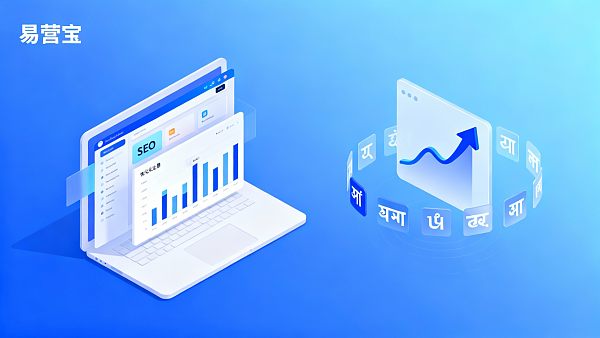
In the globalized business environment, multilingual websites have become the standard for B2B foreign trade enterprises. According to Common Sense Advisory research, 75% of consumers prefer purchasing from websites in their native language, with multilingual sites achieving 2.5x higher conversion rates than single-language counterparts. This gap stems from three core dimensions:
- Market Coverage Breadth: Single-language sites only reach users of one language, while independent sites supporting 12 languages like Chinese, English, French, and German can cover 90% of global procurement
- Trust-Building Efficiency: Localized content reduces bounce rates by 40% and extends user dwell time by 70%
- SEO Traffic Quality: Multilingual versions can dominate keyword search results across different languages, increasing organic traffic by 300%
Take a machinery export enterprise using EasyStore SaaS intelligent website marketing system as an example. After deploying English, Russian, and Spanish sites, their Google organic search traffic grew from 800 to 4,500 monthly visits within 6 months, with Spanish inquiries accounting for 37%.
2. Three Technical Pillars for Multilingual Independent Site Construction
1. Global Infrastructure Architecture
Foreign trade independent sites require stable global access speeds, necessitating:
2. AI-Driven Localized Translation
Traditional machine translation often contains technical term errors, while solutions using Google Neural Machine Translation (GNMT) engines achieve:
- 98.6% accuracy in industry terminology matching
- Cultural adaptation adjustments (e.g., right-to-left Arabic layout)
- Dynamic learning optimization based on user feedback
3. SEO Localization Strategies for Traffic Multiplication
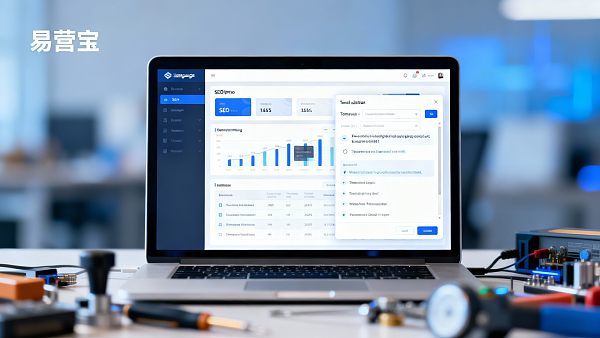
Multilingual SEO differs from simple translation, requiring a "three-dimensional" optimization system:
- Keyword Localization: Analyze search intent differences like German "Industriemaschinen" vs English "Industrial machinery"
- Content Structuring: Independent hreflang tags and meta descriptions for each language version
- Backlink Ecosystem: Acquire local industry media and directory site backlinks
A chemical enterprise achieved through localized SEO in France:
- Top 3 keyword ranking share increased from 12% to 58%
- Average French page dwell time grew from 1m22s to 3m45s
4. Practical Conversion Path for B2B Independent Sites
Unlike platform stores, foreign trade independent sites require complete conversion funnels:
1. Multilingual Chatbot for real-time inquiry response
2. Localized case libraries (e.g., Middle Eastern clients prefer video explanations)
3. GDPR-compliant data collection forms
4. Automated email follow-up systems
Using EasyStore SaaS intelligent website marketing system's AI marketing engine, a medical device company increased German inquiry conversion rates from 1.2% to 4.8%.

5. Future Trends: How AI Will Reshape Multilingual Marketing
2024 multilingual websites will showcase three technological evolutions:
- Real-Time Semantic Translation: AI simultaneous interpretation in live streams
- Intelligent Content Generation: Automated copy optimization based on local market data
- Cross-Cultural Design Systems: Automatic UI color scheme adaptation for regional preferences
Action Guide: Launch Global Growth Now
To achieve multilingual website traffic multiplication, implement these three steps:
- Diagnosis Phase: Analyze existing site multilingual coverage gaps with SEO tools
- Construction Phase: Choose AI-localization-enabled all-in-one website platforms
- Optimization Phase: Continuously monitor traffic conversion data across language versions
Experience our 10-minute rapid multilingual independent site building solution today, seamlessly connecting your products and services with global buyers.
- Platform
- Multilingual standalone site
- website traffic
- Independent website building
- B2B Foreign Trade
- Campbell (name)
- SEO
- free-standing station
- SEO optimization
- Intelligent website building
- AI Translation
- AI Marketing Engine
- Multilingual SEO
- Foreign trade independent website
- Multilingual website
Related Articles
 Enterprise Website Development and Independent Website SEO Optimization Full Strategy: From 0 to 1 Building a High-Converting Website
 2023 Multilingual Foreign Trade Website System Latest Feature Updates: Boosting Cross-border Sales Conversion Rates
 EasyCampaign Multilingual Website in Action: 3 Steps to Build a High-Converting Foreign Trade Independent Site

Related Products
 EYB SaaS Intelligent Station Building and Marketing SystemYiyingbao SaaS intelligent station building and marketing system, AI-driven zero-code station building, 10-minute rapid construction of multi-language foreign trade independent station, global server acceleration, AI intelligent SEO optimization, help enterprises efficiently connect to the global market. The perfect fusion of technology and operation, so that foreign trade station building simple to the extreme!
 AI+SEM Advertising Intelligent Investment Marketing SystemAI+SEM drives intelligent VC and empowers accurate advertising and marketing in the whole chain. The system automatically generates weekly/monthly reports, AI recommends keywords and placement countries, real-time monitoring of core indicators and intelligent early warning, and one-click start of high-conversion placement programs, helping to quickly acquire customers and improve ROI.
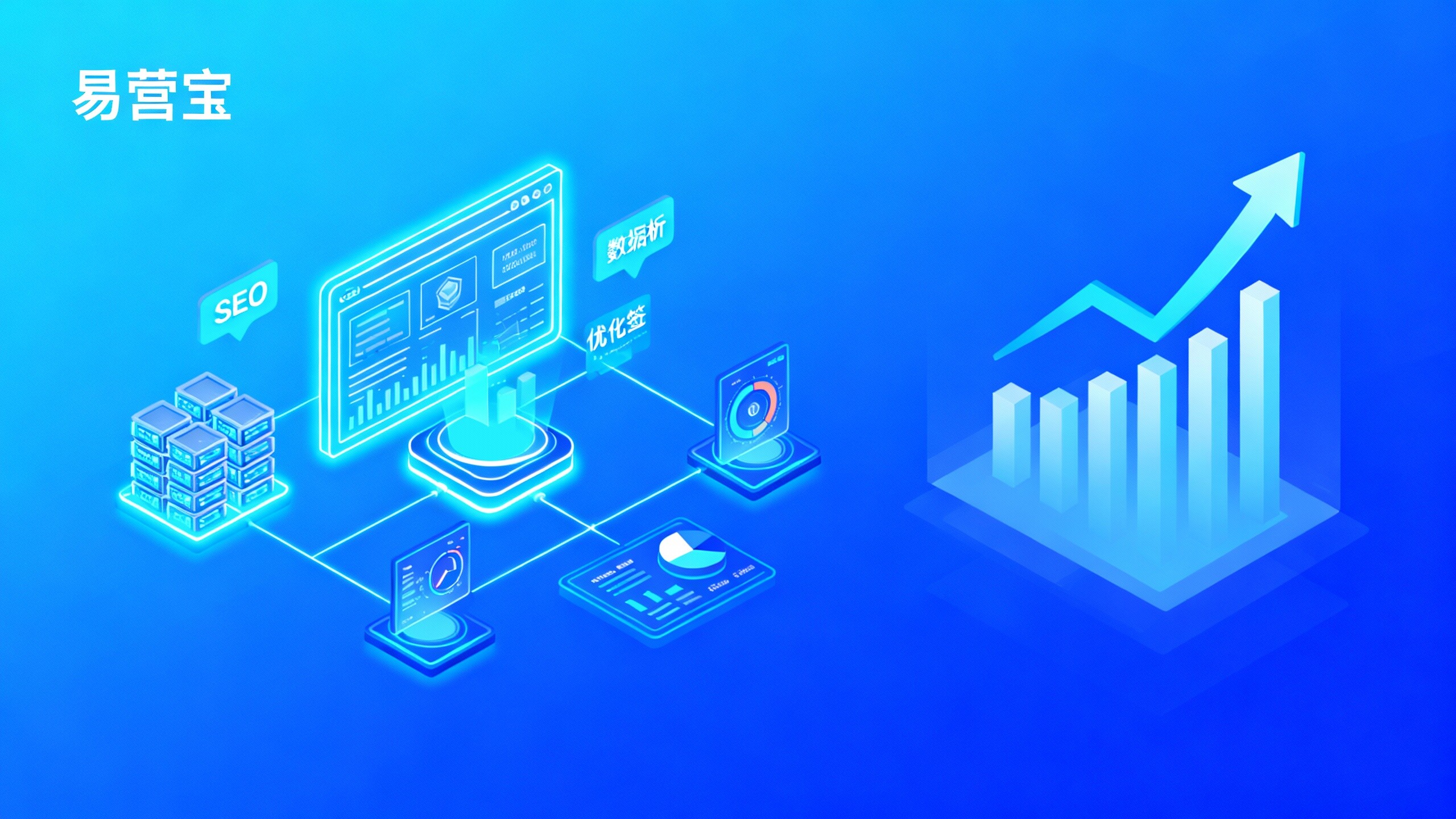
 AI+SEO Dual-Engine System Optimization ServiceE-Yingbao AI+SEO Dual-Engine Optimization System leverages AI-powered keyword mining, content generation, and comprehensive technical optimization to help export-oriented enterprises capture high-quality organic traffic, significantly boosting search rankings and conversion rates.
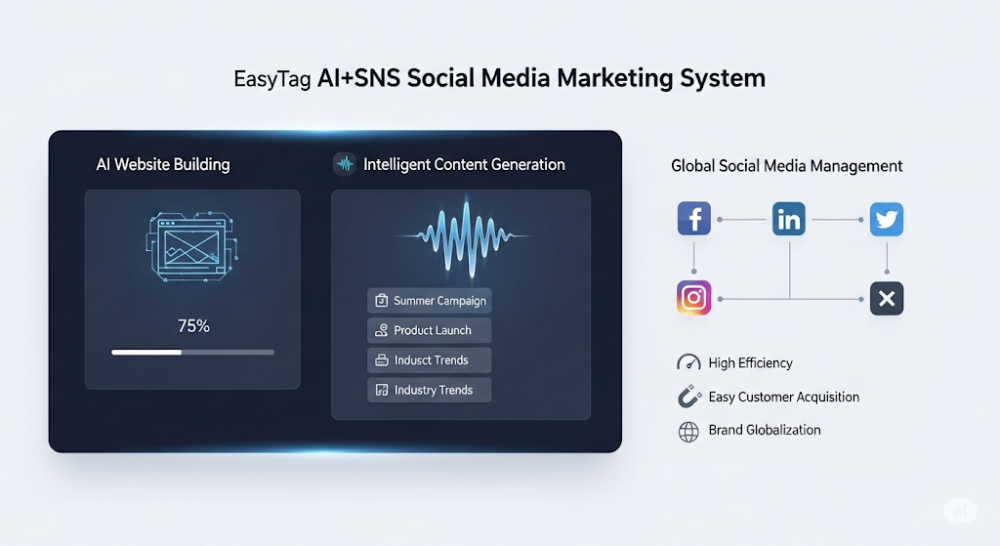
 AI+SNS Social Media Full Intelligence Marketing SystemEYBao AI+SNS Social Media All Intelligent Marketing System - Precise social capture in the era of social media, supporting one-click synchronization of content on mainstream platforms such as Facebook, LinkedIn, etc., AI intelligent rewriting of postings to enhance the degree of adaptability, 24/7 intelligent customer service and user profile analysis, helping enterprises to efficiently expand the global market.
 AI+SEO Marketing SolutionsEYB AI+ SEO marketing solution, through AI batch writing, intelligent generation of TDK, accurate keyword expansion and other functions, comprehensively optimize the website SEO effect, improve traffic and conversion rate. Help enterprises build a new ecology of efficient and intelligent websites.
 AI+SEM Advertising & Marketing SolutionsAI+SEM advertising and marketing solution utilizes AI intelligent technology to deeply empower SEM advertising. Through AI intelligent generation of weekly/monthly reports, multi-dimensional presentation of account data, a comprehensive grasp of the effectiveness and trends of advertising, AI precise recommendation of keywords and countries, intelligent generation of high-conversion advertisement language, a key to start the efficient advertising program, helping enterprises to quickly acquire customers. At the same time, the system monitors the core indicators in real time, intelligently recognizes fluctuation abnormalities and warns them in time to ensure stable and high return of advertising effect.
 Domain Name ServicesEYB provides professional domain name services, including intelligent search, one-stop registration, brand protection and full-cycle management, helping enterprises to build digital brand image.
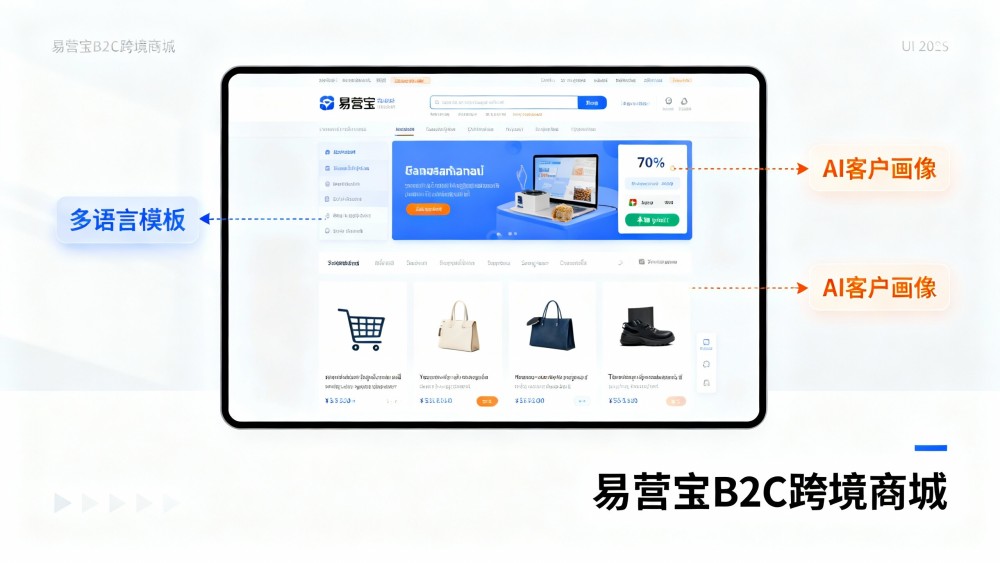
 EasyStore B2C Cross-border E-commerce Platform, Independent SiteEasyStore B2C Cross-border E-commerce Independent Store is an intelligent website building and cross-border e-commerce integrated solution independently developed by EasyStore Information Technology (Beijing) Co., Ltd. The system is specifically designed for small, medium, and large export enterprises, integrating 'website building, operation, marketing, advertising, and conversion' into one platform, helping businesses quickly establish cross-border e-commerce independent stores to achieve brand globalization and global sales growth.
The platform supports multiple languages, currencies, and multi-channel marketing, with built-in AI intelligent translation and SEO optimization systems, suitable for mainstream markets such as Southeast Asia, Europe & America, Latin America, and the Middle East, assisting Chinese manufacturing enterprises in efficiently deploying international e-commerce strategies. SSL CertificateEasyCert provides professional SSL security certificate services, including single-domain and wildcard certificates, ensuring encrypted data transmission, identity verification, and integrity protection for websites. This empowers businesses to establish secure and trustworthy online business environments.