- What are the differences in promotion between B2B and B2C websites? A comparative analysis of channel placement solutions for the general internet services industry2026-01-21View details
- What are the differences in promotion between B2B and B2C websites? Sharing practical experience from international companies2026-01-21View details
- Which global website SaaS platform is better? Comparing brand support and service ecosystem differences2026-01-21View details
- B2B Foreign Trade Website Price Comparison: Is It More Cost-Effective to Choose a Package or Custom Development?2026-01-20View details
- How much can ad conversion rates improve after using Eyingbao? What are the influencing factors?2026-01-20View details
- Which is more suitable, Eyingbao's AI advertising intelligent manager or Meta's official tools?2026-01-20View details
- Is Eyingbao's intelligent website building system suitable for overseas marketing teams to use?2026-01-20View details
- How Much Value Does TikTok Operations Bring to Foreign Trade Brands? Case Analysis of New Trends in Short Video Customer Acquisition for 20242026-01-21View details
Will improper 301 redirect settings cause ranking loss? A must-read for technical staff
Introduction
This guide is intended for technical personnel, detailing the causes of ranking loss due to improper 301 redirect settings, troubleshooting methods, and practical SEO optimization for independent websites. Many websites overlook proper 301 redirect configurations during site migrations, domain consolidations, or transitions from non-www to www versions, even when building responsive foreign trade websites. This oversight leads to search engine crawl path confusion, failure to transfer page authority, split indexing, and subsequent ranking drops or traffic declines. Combining engineering practices with the optimization approach of YINGBAO AI intelligent website-building systems, this article provides actionable troubleshooting checklists, repair steps, and preventive recommendations to help researchers, users/operators, and technical evaluators quickly identify and resolve issues to restore search performance.

What Are 301 Redirects and Their SEO Impact (Definition and Principles)
A 301 redirect is an HTTP status code indicating permanent resource relocation, signifying that the original URL should permanently transfer its authority and user traffic to the new URL. Correctly implemented 301 redirects pass the original page's link equity, indexing signals, and ranking factors to the target page, which is crucial for independent website SEO. In foreign trade website SEO scenarios, incorrect 301 redirects may prevent the aggregation of previously acquired backlinks, misdirect search engine-assigned authority, or trigger crawl budget wastage due to excessively long redirect chains. Understanding the differences between 301, 302, Meta refresh, and JavaScript redirects is essential for determining whether permanent migration is necessary. Technical personnel must also consider server configurations (e.g., Nginx, Apache, IIS), CDN strategies, and coordination with Sitemap and robots.txt to ensure semantic consistency across the entire site, avoiding indexing fragmentation caused by multi-domain, multi-language, or responsive website structures.
Common Configuration Errors and Systematic Troubleshooting Methods (Application Scenarios and Comparative Analysis)
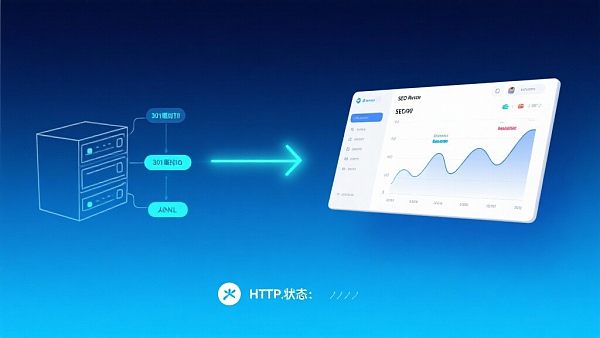
In practice, common errors include: 1) Using temporary 302 redirects when permanent transfers are intended; 2) Overly long redirect chains or cyclic redirects; 3) Unstandardized handling of trailing slashes, letter cases, or query parameters; 4) Inconsistent status codes returned by CDN or edge nodes; 5) Failure to synchronize SSL certificate installation with 301 redirects during HTTPS migration; 6) Misusing hreflang or interlinking different language pages with 301 redirects in multilingual scenarios, causing indexing conflicts. For troubleshooting, prioritize: validating status codes and Location headers via crawling tools (e.g., Screaming Frog), browser developer tools, and curl commands; checking server-side rewrite rules (Nginx's location/rewrite, Apache's mod_rewrite); auditing CDN caching and edge rules; comparing Search Console or Yandex Webmaster indexing/coverage reports to identify devalued or removed URLs. For independent website SEO and responsive website SEO scenarios, also ensure consistency between mobile and desktop redirect responses to avoid crawl budget fragmentation from device-specific redirect strategies.
Best Practices and Repair Steps (Technical Performance and Procurement Guidelines)
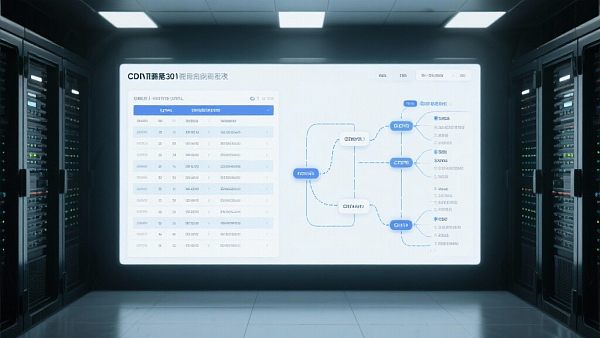
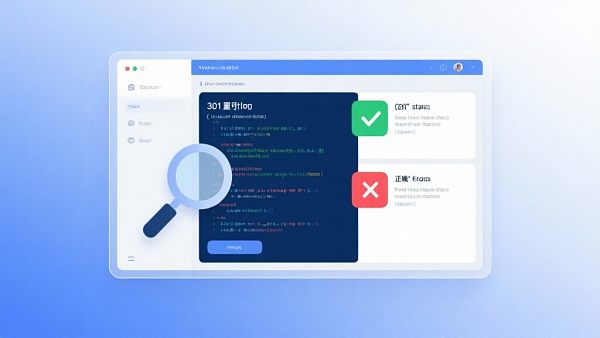
Optimal repair and prevention practices require clear migration planning, minimized redirect chains, and URL standardization. Recommended steps: 1) List all old URLs with corresponding new URLs to create a mapping table; 2) Implement server-side single 301 redirects, avoiding JavaScript or Meta refreshes; 3) During HTTPS transitions, complete SSL certificate installation synchronously with 301 strategies, ensuring immediate 301 redirects from HTTP to HTTPS; 4) Update internal links and site navigation to avoid dependency on redirect repairs; 5) Post-migration, update Sitemap and resubmit indexing requests via Search Console while monitoring coverage reports and crawl errors; 6) For foreign trade responsive website projects, align multilingual versions with subdomain/subdirectory strategies and hreflang to prevent mutual 301 conflicts. When outsourcing migration services, evaluate providers for rollback strategies, log audits, pre/post-migration traffic analysis, and prioritize vendors with multilingual and CDN optimization capabilities. Below is a simplified comparison table to assist technical evaluators in redirect strategy decisions:
Client Case Studies and Product Integration Recommendations (Industry Scenarios, Client Cases, and Certifications)
In a cross-border e-commerce client's domain consolidation project, the original site had extensive 301 redirect chains alongside SSL certificate migration and international CDN switching. We first validated the 301 mapping table in a test environment, then deployed consistent edge node rules, achieving single 301 redirects while ensuring all legacy backlinks pointed correctly. Results showed 92% recovery of organic traffic within 6 weeks per Google Search Console, with key traffic sources (foreign trade SEO-related categories) steadily rebounding. For domestic enterprises requiring compliance or archival guarantees, we recommend concurrent use of professional archival services (e.g., YINGBAO's archival services) to streamline compliance and stable resolution. For ICP archival proxy needs, products like Domestic ICP Archival Service offer material pre-review, information reporting, and regulatory liaison support, reducing launch risks and timelines. Technical evaluators procuring outsourced or SaaS website platforms should prioritize solutions with automated detection (e.g., YINGBAO AI website system's built-in SEO inspectors), multilingual independent website SEO strategy compatibility, and pre-deployment rule validation to prevent large-scale misconfigurations.
Misconception Clarifications, Trend Analysis, and FAQ (Misconceptions, Trends, and Call-to-Action)
Misconception 1: Simply setting 301s preserves rankings. Reality: 301s are signal transmission tools—if target page content quality or internal linking is poor, rankings may still drop. Misconception 2: Indexing recovers immediately post-migration. Reality: Search engines have buffer periods (weeks to months) requiring ongoing monitoring. Current trends show: 1) Search engines grow more sensitive to redirect chain lengths, favoring single hops; 2) Integration with AI content and multimodal indexing makes page semantics and structured data more critical; 3) Automated detection tools and SaaS platforms play expanding roles in migrations and maintenance. FAQ: How to check redirect chains? Answer: Combine curl -I, crawlers, and Search Console; Should external links be updated? Answer: Update if contactable, but prioritize immediate 301 effectiveness; How to handle certificates during HTTPS migration? Answer: Complete SSL installation first, then issue single permanent 301s from HTTP to HTTPS. Why choose us? YINGBAO AI website systems feature AI keyword expansion, auto-generated TDK, and SEO detection, reducing migration costs from poor URL designs early. We also offer mature global CDN and archival support. For further diagnostics or custom migration plans, contact us for technical whitepapers and free website migration health checks.
Contact Us
For professional support or demos, contact YINGBAO's technical team to explore independent website SEO, responsive website SEO, and AI website system SEO services. We offer end-to-end technical consultation and implementation—from SSL certificate installation and 301 redirect setups to multilingual independent websites—helping enterprises securely, compliantly, and efficiently recover and enhance organic traffic.
- Campbell (name)
- free-standing station
- Intelligent website building system
- SEO optimization
- Intelligent website building
- Independent site SEO
- Site Management Tools
- SSL certificate
- Independent site SEO optimization
- Website seo optimization
- SEO Optimization Services
- Multilingual Independent Site
- Platform
- Foreign trade website SEO
- SEO
- responsive website
- Responsive Website Development for Foreign Trade
- SSL Certificate Installation
- Responsive Website SEO Optimization
- 301 Redirect Settings
Related Articles
 How much does fast website indexing help SEO? Should general internet service companies invest in acceleration solutions?
 What technical support is needed for international website development? How can general internet service enterprises build a multilingual architecture
 Are B2B website development costs high? Should general internet service companies outsource development in their budget planning?

Related Products
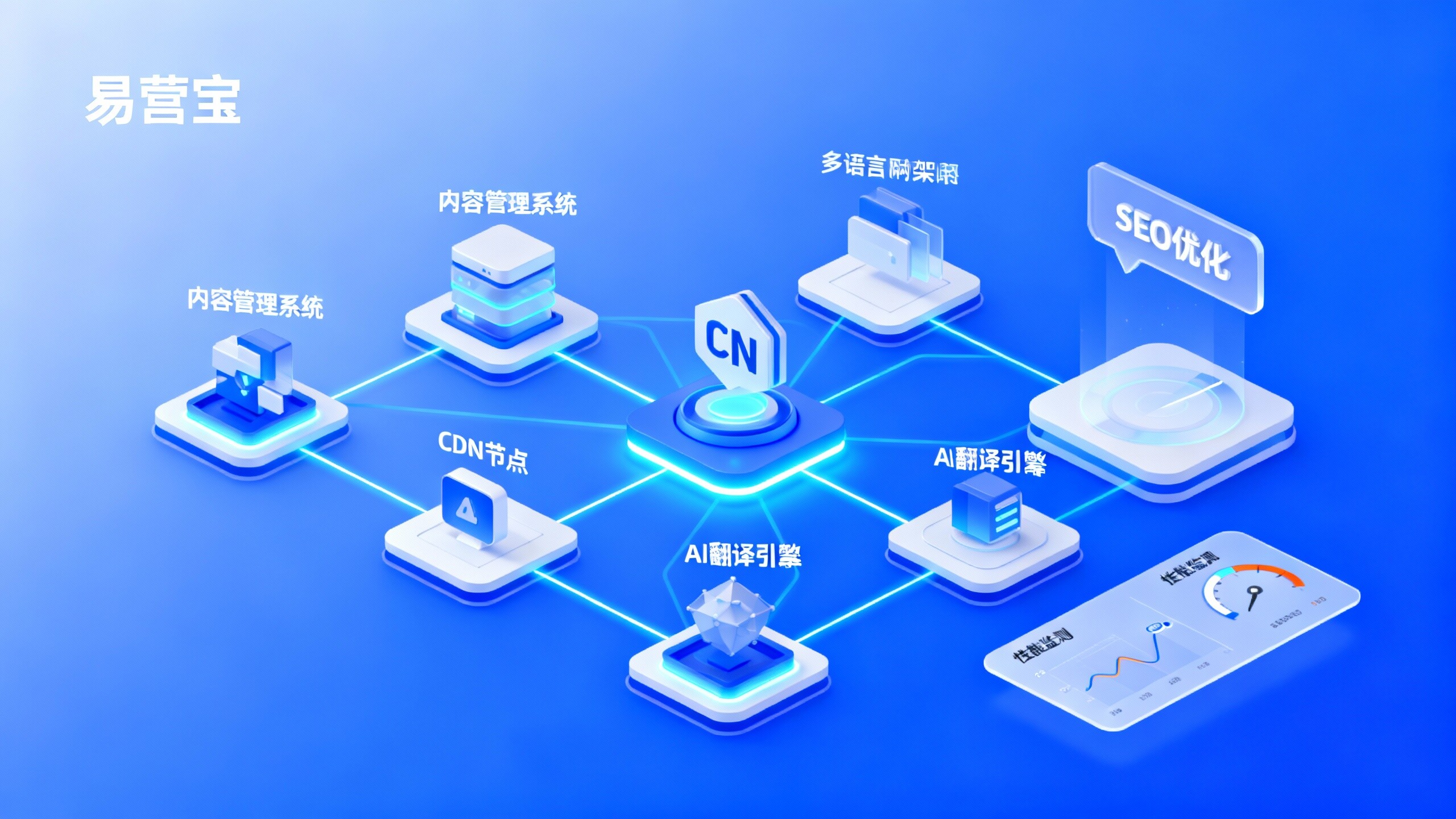
 EasyStore SaaS Intelligent Website Marketing SystemEasyStore SaaS Intelligent Website Marketing System, AI-driven zero-code website building, rapidly set up multilingual foreign trade independent sites in just 10 minutes, global server acceleration, AI-powered SEO optimization, helping businesses efficiently connect with global markets. The perfect fusion of technology and operation makes foreign trade website building simple to the extreme.
 AI+SEM Intelligent Advertising Marketing SystemAI+SEM drives intelligent campaign creation, empowering full-funnel precision advertising marketing. The system automatically generates weekly/monthly reports, AI-recommends keywords and target countries, monitors core metrics in real-time with intelligent alerts, and enables one-click high-conversion campaign launches to accelerate lead acquisition and boost ROI.
 AI+SEO Dual Engine Optimization ServiceEasyOperate AI+SEO dual engine optimization system leverages AI-powered keyword mining, content generation, and comprehensive technical optimization to help foreign trade enterprises acquire high-quality organic traffic, significantly improving search rankings and conversion rates.
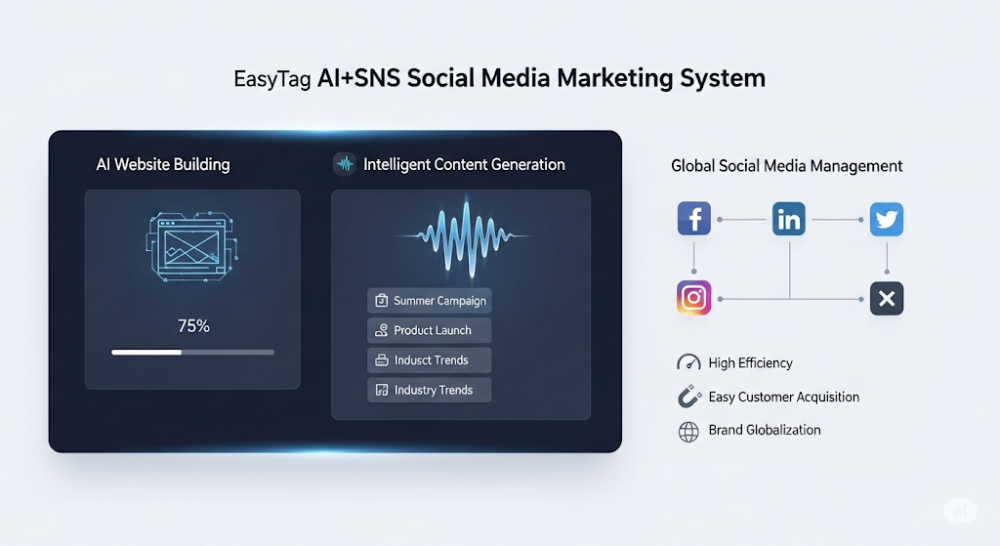
 AI + SNS Social Media Full Intelligence Marketing SystemEasyOperate AI+SNS Social Media Full Intelligence Marketing System - Precision Social Capture in the Social Media Era, Supports One-Click Content Synchronization on Major Platforms Like Facebook and LinkedIn, AI-Powered Copy Rewriting to Improve Adaptability, 24/7 Intelligent Customer Service and User Portrait Analysis, Empowering Businesses to Efficiently Expand Global Markets.
 AI+SEO Marketing SolutionEasyWin AI+SEO Marketing Solution leverages AI-powered batch content creation, intelligent TDK generation, and precise keyword expansion to comprehensively optimize website SEO performance, boosting traffic and conversion rates. Helps businesses build a highly efficient intelligent website ecosystem.
 AI+SEM Advertising & Marketing SolutionsAI+SEM advertising and marketing solution utilizes AI intelligent technology to deeply empower SEM advertising. Through AI intelligent generation of weekly/monthly reports, multi-dimensional presentation of account data, a comprehensive grasp of the effectiveness and trends of advertising, AI precise recommendation of keywords and countries, intelligent generation of high-conversion advertisement language, a key to start the efficient advertising program, helping enterprises to quickly acquire customers. At the same time, the system monitors the core indicators in real time, intelligently recognizes fluctuation abnormalities and warns them in time to ensure stable and high return of advertising effect.
 Domain Name ServicesEasy Operation provides professional domain services, including intelligent query, one-stop registration, brand protection, and full-cycle management, helping enterprises build a digital brand image.
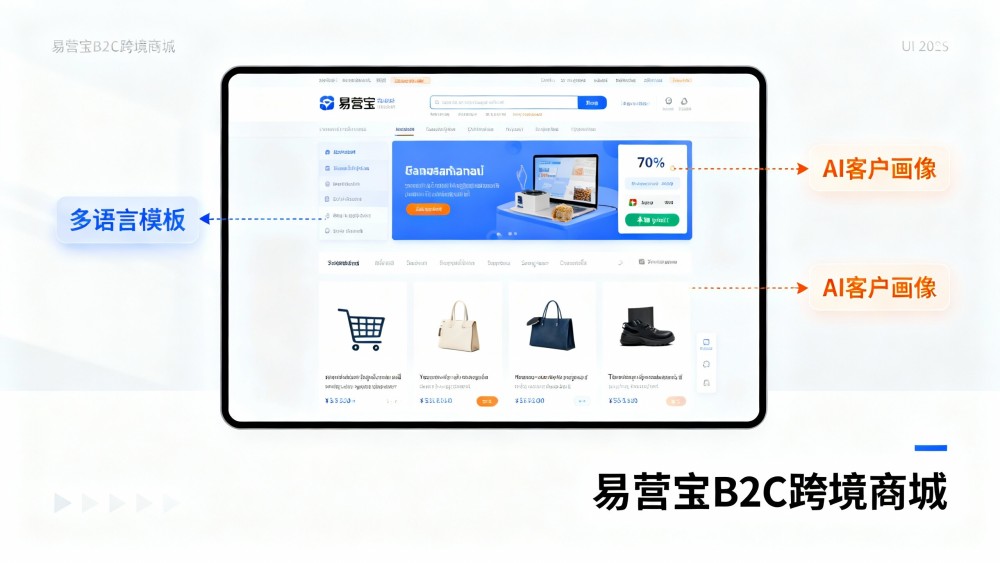
 EasyStore B2C Cross-border E-commerce Platform, Independent SiteEasyStore B2C Cross-border E-commerce Independent Store is an intelligent website building and cross-border e-commerce integrated solution independently developed by EasyStore Information Technology (Beijing) Co., Ltd. The system is specifically designed for small, medium, and large export enterprises, integrating 'website building, operation, marketing, advertising, and conversion' into one platform, helping businesses quickly establish cross-border e-commerce independent stores to achieve brand globalization and global sales growth.
The platform supports multiple languages, currencies, and multi-channel marketing, with built-in AI intelligent translation and SEO optimization systems, suitable for mainstream markets such as Southeast Asia, Europe & America, Latin America, and the Middle East, assisting Chinese manufacturing enterprises in efficiently deploying international e-commerce strategies. SSL CertificateEasyCert provides professional SSL security certificate services, including single-domain and wildcard certificates, ensuring encrypted data transmission, identity verification, and integrity protection for websites. This empowers businesses to establish secure and trustworthy online business environments.