









- China-Morocco zero-tariff access, a breakthrough in the cost of Moroccan goods exports to ChinaJun 11, 2026View details
- What signal should be released for the suspension of exports to JapanJun 10, 2026View details
- China's May LNG imports rebounded, with increased volumes from Russia and Canada filling the Middle East supply gapJun 10, 2026View details
- Will GEO change its SEO strategy?Jun 04, 2026View details
- What types of businesses are end-to-end solutions suitable for?Jun 03, 2026View details
- 2026 Global Growth Channel TrendsJun 02, 2026View details
6 Key Methods to Improve Your Website's SEO Optimization Effect That You Can't Ignore
Introduction
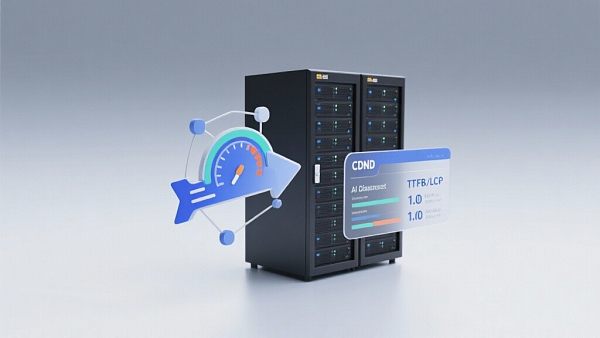
Want to improve your website search rankings and foreign trade inquiries? This article shares 6 practical methods based on Yiwu Bao's real-world experience to enhance website SEO optimization. It covers key dimensions such as independent site SEO, loading speed, and global server acceleration, helping researchers, users/operators, and technical evaluators grasp effective strategies. The article combines technical performance, application scenarios, comparative analysis, and purchasing guidance, supplemented with industry data and case studies, providing an actionable roadmap to address core pain points like rapid website indexing, improved SEO rankings, and increased foreign trade inquiries.
1. Technical Optimization: Website Loading Speed and Global Server Acceleration
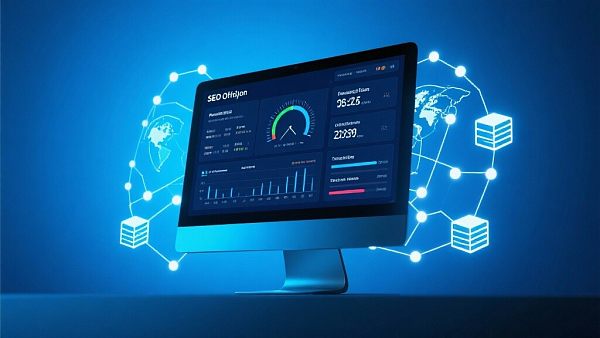
Performance is the foundation of rankings and conversions. Website loading speed directly impacts search engine crawl efficiency and user retention. Improving loading speed not only boosts SEO scores but also significantly enhances the conversion rate of foreign trade inquiries. For cross-border independent sites, deploying global server acceleration and CDN nodes is a top priority. Practical evidence shows that reasonable server layouts and static resource compression can reduce page loading times by 30%–60%, speeding up crawler frequency and indexing efficiency. Additionally, adopt standard practices like resource preloading, lazy-loading images, HTTP/2 or HTTP/3 protocols, and Gzip/Brotli compression—these measures fall under the core scope of website loading speed optimization services. Technical evaluators should focus on key metrics: Time to First Byte (TTFB), Largest Contentful Paint (LCP), Cumulative Layout Shift (CLS), and First Input Delay (FID), integrating these into a routine monitoring system to quickly identify and fix performance bottlenecks.
2. Content and Structure Optimization: Intent-Based TDK and Semantic Expansion
Structured content and semantic optimization determine how search engines understand your pages. Each page must have clear titles (Title), descriptions, and H-tag structures, combined with semantic expansion and LSI keyword recommendations to improve relevance and search intent alignment. Leveraging AI-powered keyword expansion, automated TDK generation, and long-tail keyword mining enables large-scale, high-quality content production covering diverse search intents along the buyer's journey. For independent site SEO, establish a three-tier structure for products/categories/blogs, ensuring breadcrumbs, sitemaps, and structured data (schema.org) completeness to improve indexing and search relevance. In practice, systematic keyword strategies significantly enhance the implementation efficiency of "methods to improve website SEO optimization." Meanwhile, strategic internal linking and anchor text tactics can channel high-weight page resources to core conversion pages. For tool support, consider big-data and AI-driven content platforms to boost writing efficiency and search consistency, such as systems offering keyword recommendations, expansion, and closed-loop TDK generation, minimizing content production costs.

3. Monitoring, Diagnosis, and Automated Execution: From Passive to Active Optimization
Continuous monitoring is the lifeline of SEO work. Real-time tracking of keyword ranking changes, crawl logs, indexing status, and 200+ SEO metrics enables teams to quickly identify and fix issues. Combined with AI diagnostic tools, teams can automatically detect duplicate content, crawl errors, mobile compatibility issues, and backlink risks, generating prioritized optimization recommendations. For users and technical evaluators, automated execution is equally critical: from keyword strategy implementation and batch TDK updates to A/B content testing, AI execution capabilities turn strategies into repeatable, monitorable actions, reducing manual effort and improving efficiency. Monitoring data should also align with business KPIs, such as foreign trade inquiry counts, form submission rates, and transaction conversion rates, to drive data-driven continuous improvement. Standardized monitoring and diagnostic systems are key steps in "methods to improve website SEO optimization" and support synergies between SEM optimization techniques and paid traffic strategies.
4. Backlinks and Social Media Matrix: Expanding Lead Channels and YouTube Practices
Backlinks remain a vital search signal, but quality outweighs quantity. Establish a backlink system with authoritative media, industry vertical sites, and partners, combined with automated social media operations, to deliver stable traffic and brand exposure for independent sites. The social media matrix spans LinkedIn, Facebook, Instagram, and YouTube. Leveraging YouTube's features (video intros, descriptions with backlinks, channel trust accumulation) can generate high-intent foreign trade inquiries. At the execution level, create content calendars, A/B test creatives, and align posting rhythms with social performance data feedback to refine long-tail keyword strategies and content direction. Additionally, applying SEM techniques (e.g., keyword matching, negative keyword management, and landing page consistency) can supplement short-term natural traffic gaps, forming a paid-and-organic growth loop.
5. Localization and Multilingual Strategy: The Global Path for Independent Site SEO

A core challenge for overseas businesses is acquiring localized traffic in different markets. Supporting Chinese, English, and multilingual independent sites with AI translation engines and hreflang tags avoids duplicate content issues and ensures accurate regional signaling. Simultaneously, adapting keywords and page expressions to target market search habits significantly boosts indexing and conversion rates. Global server acceleration paired with multilingual sites reduces overseas access latency, improving page experience and creating stronger first impressions for foreign trade inquiries. Technical evaluators must consider compliance with localization hosting, privacy regulations (e.g., GDPR), and payment/logistics adaptations to ensure seamless user experience and backend services. When selecting solutions, prioritize platforms offering multilingual independent site setup, AI translation, global CDN, and integrated security to reduce complexity and improve operational efficiency.
6. Data-Driven and Experimental Methods: From Trial-and-Error to Scalable Replication
All SEO strategies should operate under data. Establish A/B testing systems to validate the impact of titles, descriptions, page structures, and CTAs on conversions and rankings—a must for long-term optimization. Through big-data analysis and machine learning models, identify high-potential keywords, predict traffic returns, and optimize bidding strategies. Industry practices prove systematic data analysis can multiply search traffic conversion efficiency. For example, some platforms combine page loading optimization with keyword coverage through iterative AI execution, achieving a 35% SEO score increase and 40% faster loading speeds in the short term—results stemming from technical and operational synergy. Technical and decision layers must adhere to metric-driven management, incorporating traffic quality, inquiry unit costs, and customer lifetime value into evaluation systems to avoid sacrificing long-term brand and compliance for short-term rankings.
Comparative Analysis, Purchasing Guide, and Case Studies: Choosing Suitable Services and Cost Considerations
Facing numerous vendors, how to choose the right SEO and site-building solutions? The table below compares AI- and big-data-driven integrated platforms with traditional fragmented services across performance, delivery speed, cost, and scalability for technical evaluators. The purchasing guide advises prioritizing vendors with technical credentials (e.g., NLP, multimodal AI), compliance capabilities (e.g., high-tech certifications), and success cases, inquiring about real-time monitoring, diagnostic analysis, and strategy customization. Evaluation teams should define key deliverables and KPIs, such as keyword coverage, indexing rate, load time, and foreign trade inquiry counts, avoiding ranking as the sole metric. A client case demonstrates practical results: A cross-border B2B client integrated smart site-building, AI keyword expansion, and ad management, doubling foreign trade inquiries in six months with a ~200% ad conversion rate increase and sustained organic traffic growth.
When purchasing, prioritize technical capabilities (e.g., NLP, multimodal AI generation), compliance (e.g., high-tech certifications), and success cases, asking about real-time monitoring, diagnostics, and customized strategies. Evaluation teams must clarify deliverables and KPIs, like keyword coverage, indexing rate, load time, and inquiry counts, avoiding ranking-only metrics.
Common Misconceptions and FAQ
Misconception 1: Chasing rankings over conversions. Many teams treat rankings as the ultimate goal, overlooking traffic quality and user experience, leading to declining ROI. Misconception 2: Frequent URL structure changes boost weight—they may cause indexing fluctuations; proceed cautiously with redirects. Misconception 3: Over-reliance on single channels for unsustainable growth. Build a mix of organic, paid, and social strategies. FAQ: How to quickly boost indexing for existing independent sites? Start with improving crawl rates (sitemaps, robots, internal links), reducing duplicate content, and accelerating page performance; simultaneously push key pages to search consoles with structured data markup. Cost-wise, AI solutions may have higher initial costs than single tools, but long-term automation efficiency and ROI significantly lower per-lead costs. For compliance and certifications, prefer partners with international credentials and local regulatory experience.

Trend Analysis and Call to Action
In the next three years, SEO and digital marketing will increasingly rely on AI-driven content production and real-time data decisions. Multimodal content (text + short videos + interactive pages) will become new traffic growth points, while semantic search and intent matching become ranking differentiators. For businesses seeking steady improvements in website SEO optimization, we recommend simultaneous efforts in technical foundations, content systems, data monitoring, and channel diversification. Yiwu Bao's AI- and big-data-powered closed-loop solutions cover smart site-building, independent site SEO, and social media ad投放, helping businesses achieve global growth. For specific implementation or product demos, contact us or visit our service page for case studies and capabilities. To experience smart content and keyword recommendations firsthand, click SEO Optimization.
Summary: Methods to improve website SEO optimization encompass both hard-core technical upgrades and long-term content-channel synergies. Adhering to data-driven, user-centric principles with automated execution and localization strategies will deliver steady gains in indexing, organic traffic, and foreign trade inquiries.
- Campbell (name)
- free-standing station
- SEO optimization
- Intelligent website building
- AI translation
- AI translation engine
- Independent site SEO
- Global Server Acceleration
- Website seo optimization
- Independent website building
- Multilingual Independent Site
- Youtube
- SEO optimization effect
- Website loading speed
- SEO
- social media automation
- SEO ranking optimization
- Trade inquiry
- YouTube Lead Generation
- Ways to Improve Your Website's SEO Results
- How to achieve rapid website indexing
- SEM Optimization Tips
- Website Load Speed Optimization Service
Related Articles
 Responsive website development: which key metrics matter? Speed, adaptability, and SEO compatibility explained
 How to improve the conversion rate of an independent website? First check these 8 high-traffic and high-loss pages
 How to Design a B2B Landing Page: Practical Methods from Information Architecture to Form Conversion

Related Products
 EasyCamp SaaS Smart Website Marketing SystemE-Yingbao SaaS Smart Website Marketing System: AI-powered, zero-code website building. Rapidly launch multilingual independent e-commerce sites in just 10 minutes. Global server acceleration and AI-driven SEO optimization empower businesses to efficiently connect with global markets. The seamless integration of technology and user-friendly operation makes building e-commerce sites incredibly simple.
 AI+SEM Intelligent Advertising Marketing SystemAI+SEM drives intelligent ad creation, empowering full-funnel precision advertising marketing. The system automatically generates weekly/monthly reports, AI recommends keywords and target countries, monitors core metrics in real-time with intelligent alerts, and enables one-click high-conversion ad solutions to help quickly acquire customers and improve ROI.
 AI+SEO Dual Engine Optimization ServiceEasyWin AI+SEO Dual Engine Optimization System leverages AI-powered keyword mining, content generation, and comprehensive technical optimization to help foreign trade enterprises acquire high-quality organic traffic, significantly improving search rankings and conversion rates.
 AI+SNS Social Media Marketing SystemYingbao AI+SNS Social Media Marketing System - Precision social capture for the social media era. Supports one-click content synchronization across major platforms like Facebook and LinkedIn. AI intelligently rewrites posts for enhanced relevance. 24/7 AI customer service and user profiling analysis empower businesses to efficiently expand into global markets.
 AI+SEO营销解决方案易营宝AI+SEO营销解决方案,通过AI批量写作、智能生成TDK、精准关键词扩词等功能,全面优化网站SEO效果,提升流量与转化率。助力企业构建高效智能网站新生态。
 AI+SEM Advertising Marketing SolutionsAI+SEM Advertising Marketing Solution leverages AI technology to deeply empower SEM ad campaigns. It automatically generates weekly/monthly reports using AI, presenting account data across multiple dimensions for comprehensive insights into campaign performance and trends. The system precisely recommends keywords and target countries, intelligently generates high-conversion ad copy, and enables one-click activation of efficient campaign plans to help businesses rapidly acquire customers. Simultaneously, it monitors core metrics in real time, intelligently identifies abnormal fluctuations, and issues timely alerts to ensure stable, high-return advertising results.
 Domain Name ServicesEasyWin provides professional domain name services, including intelligent queries, one-stop registration, brand protection, and full lifecycle management, helping businesses build a digital brand image.
 EasyOperate B2C Cross-Border E-Commerce Platform & Independent WebsiteEasyStore B2C Cross-border E-commerce Independent Store is an intelligent website building and cross-border e-commerce integrated solution independently developed by EasyStore Information Technology (Beijing) Co., Ltd. The system is specially designed for small and medium-sized as well as large export enterprises, integrating 'website building, operation, marketing, advertising, and conversion' into one, helping enterprises quickly establish cross-border e-commerce independent stores to achieve brand globalization and global sales growth.
The platform supports multiple languages, multiple currencies, and multi-channel marketing, with built-in AI intelligent translation and SEO optimization systems, suitable for mainstream markets such as Southeast Asia, Europe and America, Latin America, and the Middle East, assisting Chinese manufacturing enterprises in efficiently deploying international e-commerce strategies. SSL证书易营宝提供专业SSL安全证书服务,包括单域名和泛域名证书,确保网站数据传输加密、身份验证和完整性保护,助力企业建立安全可信的在线业务环境。









