









- The China-US tariff arrangement has reached a preliminary consensus, and the trade association will be establishedJun 15, 2026View details
- What determines B2C cross-border e-commerce website development costs? A breakdown of features, interfaces, and deployment methodsJun 17, 2026View details
- China-Morocco zero-tariff access, a breakthrough in the cost of Moroccan goods exports to ChinaJun 11, 2026View details
- What signal should be released for the suspension of exports to JapanJun 10, 2026View details
- China's May LNG imports rebounded, with increased volumes from Russia and Canada filling the Middle East supply gapJun 10, 2026View details
- Will GEO change its SEO strategy?Jun 04, 2026View details
- What types of businesses are end-to-end solutions suitable for?Jun 03, 2026View details
- 2026 Global Growth Channel TrendsJun 02, 2026View details
Where Should Chinese Manufacturers Turn Under Trump's Tariff Pressure?
1. Trump's New Tariff Policy Triggers Urgent Response from Chinese Manufacturers
Following the Trump administration's recent imposition of a 10% additional tariff on Chinese goods, Agilian Technology, a Chinese electronics manufacturer, swiftly initiated plans to circumvent the extra tariffs. This move not only reflects Agilian's acute awareness of tariff policies but also highlights the widespread challenges and coping strategies of Chinese manufacturers under Trump's new tariff regime.
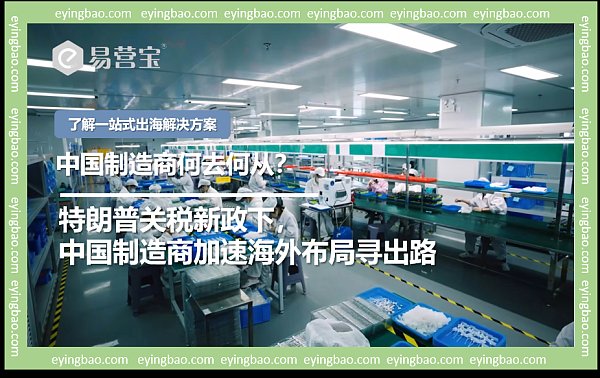
Facing the tariff threat, Renaud Anjoran, Agilian's deputy CEO, stated: "This has accelerated our work pace." To counter potential tariff hikes, Agilian is rapidly establishing production lines in Malaysia, with the first batch of products slated for shipment to the US this spring. This is not just a direct response to Trump's tariffs but also a reflection of Chinese manufacturers' pursuit of supply chain diversification amid globalization.
2. "China+1" Strategy Upgraded as Manufacturers Accelerate Overseas Expansion
The possibility of Trump's return to the White House has heightened concerns among Chinese manufacturers, prompting them to accelerate the "China+1" strategy—shifting more production overseas. Steven Grinspoon, CEO of Honey-Can-Do International, a home goods company in Illinois, noted that his firm had long planned to move production out of China, and Trump's tariffs merely expedited the process. Now, the company's production focus has shifted to Vietnam, with China's role in its production network significantly reduced.
This trend is not isolated. Chinese Ministry of Commerce data shows that since the Trump trade war began, Chinese manufacturing investments in regions like Southeast Asia have surged. These investments, primarily greenfield projects (new factories and businesses), aim to diversify supply chains and mitigate risks.
3. Independent Foreign Trade Websites and Multilingual Sites: Helping Chinese Manufacturers Break Through Tariff Barriers
Amid tariff uncertainties, independent foreign trade websites and multilingual sites have become vital tools for Chinese manufacturers to overcome tariff walls and expand overseas markets. By establishing their own independent sites, manufacturers gain greater control over marketing and content, directly showcasing product features and brand strengths to global consumers. Meanwhile, multilingual sites bridge language barriers, enabling potential clients worldwide to easily understand and purchase Chinese products.
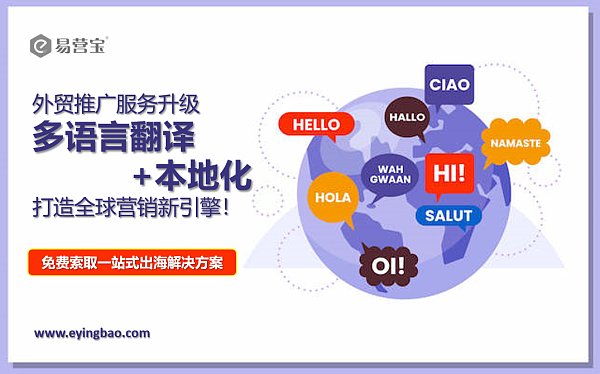
Independent sites not only provide product display platforms but also serve as bridges for manufacturers to build trust with overseas consumers and enhance brand recognition. Through regular content updates, industry insights, and customer service, manufacturers can gradually forge closer ties with global consumers, standing out in fierce market competition.
4. Manufacturers Employ Diverse Strategies to Tackle Tariff Challenges
Facing Trump's tariffs, Chinese manufacturers are adopting varied approaches to reduce costs and maintain competitiveness. Some optimize production processes and increase automation to lower costs, while others implement price cuts to offset tariff impacts on consumers. However, these measures often yield only short-term relief. Long-term solutions lie in supply chain diversification and product differentiation.
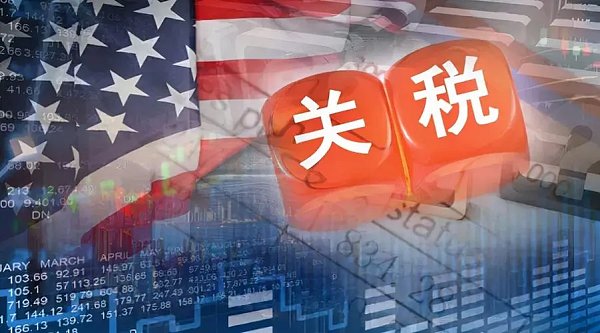
William Liu, sales director of Glory Apparel, noted his company is cutting prices by 5% to absorb some tariff costs, but this severely erodes profits. He urged manufacturers to focus more on product innovation and branding to enhance added value and competitiveness.
5. Chinese Manufacturers Under Trump's Tariffs: Challenges and Opportunities Coexist
Trump's tariffs present unprecedented challenges but also foster new opportunities for Chinese manufacturers. On one hand, rising tariffs accelerate overseas expansion, diversifying supply chains and risks. On the other, they drive manufacturers to prioritize innovation and branding, boosting product value and competitiveness.

In this process, independent foreign trade sites and multilingual platforms play increasingly prominent roles. They not only showcase products but also connect manufacturers with global consumers, expanding international markets. Leveraging these tools, Chinese manufacturers can navigate globalization's waves and write their own success stories.
6. Adapting to Change, Co-Creating the Future
While Trump's tariffs pose challenges, they also spur Chinese manufacturers to actively seek transformation and innovation. Foreign trade marketing tools like independent websites and multilingual sites will grow more critical. We believe that amid globalization, Chinese manufacturers can adapt to changing environments, collaborate with global partners, and co-create a brighter future.
Confronting Trump's tariffs, Chinese manufacturers choose not to evade or complain but to bravely tackle challenges and seek solutions. This spirit deserves our respect and emulation. In the coming days, let us anticipate Chinese manufacturers shining even brighter on the global stage!
For any inquiries about foreign trade website construction or operations, feel free to consult E-Yingbao technical support via WeChat: Ieyingbao18661939702. Our staff will sincerely assist you!
Image sources: internet. For copyright issues, contact 400-655-2477.
Related Articles
Related Products
 EasyCamp SaaS Smart Website Marketing SystemE-Yingbao SaaS Smart Website Marketing System: AI-powered, zero-code website building. Rapidly launch multilingual independent e-commerce sites in just 10 minutes. Global server acceleration and AI-driven SEO optimization empower businesses to efficiently connect with global markets. The seamless integration of technology and user-friendly operation makes building e-commerce sites incredibly simple.
 AI+SEM Intelligent Advertising Marketing SystemAI+SEM drives intelligent ad creation, empowering full-funnel precision advertising marketing. The system automatically generates weekly/monthly reports, AI recommends keywords and target countries, monitors core metrics in real-time with intelligent alerts, and enables one-click high-conversion ad solutions to help quickly acquire customers and improve ROI.
 AI+SEO Dual Engine Optimization ServiceEasyWin AI+SEO Dual Engine Optimization System leverages AI-powered keyword mining, content generation, and comprehensive technical optimization to help foreign trade enterprises acquire high-quality organic traffic, significantly improving search rankings and conversion rates.
 AI+SNS Social Media Marketing SystemYingbao AI+SNS Social Media Marketing System - Precision social capture for the social media era. Supports one-click content synchronization across major platforms like Facebook and LinkedIn. AI intelligently rewrites posts for enhanced relevance. 24/7 AI customer service and user profiling analysis empower businesses to efficiently expand into global markets.
 AI+SEO营销解决方案易营宝AI+SEO营销解决方案,通过AI批量写作、智能生成TDK、精准关键词扩词等功能,全面优化网站SEO效果,提升流量与转化率。助力企业构建高效智能网站新生态。
 AI+SEM Advertising Marketing SolutionsAI+SEM Advertising Marketing Solution leverages AI technology to deeply empower SEM ad campaigns. It automatically generates weekly/monthly reports using AI, presenting account data across multiple dimensions for comprehensive insights into campaign performance and trends. The system precisely recommends keywords and target countries, intelligently generates high-conversion ad copy, and enables one-click activation of efficient campaign plans to help businesses rapidly acquire customers. Simultaneously, it monitors core metrics in real time, intelligently identifies abnormal fluctuations, and issues timely alerts to ensure stable, high-return advertising results.
 Domain Name ServicesEasyWin provides professional domain name services, including intelligent queries, one-stop registration, brand protection, and full lifecycle management, helping businesses build a digital brand image.
 EasyOperate B2C Cross-Border E-Commerce Platform & Independent WebsiteEasyStore B2C Cross-border E-commerce Independent Store is an intelligent website building and cross-border e-commerce integrated solution independently developed by EasyStore Information Technology (Beijing) Co., Ltd. The system is specially designed for small and medium-sized as well as large export enterprises, integrating 'website building, operation, marketing, advertising, and conversion' into one, helping enterprises quickly establish cross-border e-commerce independent stores to achieve brand globalization and global sales growth.
The platform supports multiple languages, multiple currencies, and multi-channel marketing, with built-in AI intelligent translation and SEO optimization systems, suitable for mainstream markets such as Southeast Asia, Europe and America, Latin America, and the Middle East, assisting Chinese manufacturing enterprises in efficiently deploying international e-commerce strategies. SSL证书易营宝提供专业SSL安全证书服务,包括单域名和泛域名证书,确保网站数据传输加密、身份验证和完整性保护,助力企业建立安全可信的在线业务环境。









