









- Amazon Raises Fulfillment Fees Twice, Yet the Median Platform Fee Remains Around 40%Oct 22, 2026View details
- AliExpress and YouTube Partner to Expand Marketing Opportunities for Chinese Brands Going GlobalOct 22, 2026View details
- Publicis says AI marketing is developing at two speeds, with agentic AI helping win clientsOct 21, 2026View details
- Salesforce Plans to Acquire Braze for $5.66 Billion to Enhance AI Marketing CapabilitiesOct 21, 2026View details
- Levanta’s Inaugural China Summit Held in Shenzhen, Focusing on AI and Cross-Border Brand GrowthOct 20, 2026View details
- The October Edition of the 2026 GGE Shenzhen Cross-Border E-Commerce Expo OpensOct 20, 2026View details
Is Yiyingbao B2B Lead Generation Website Development Expensive?
Is Yiyingbao B2B Lead Generation Website Development Expensive?
Is Yiyingbao B2B lead generation website development expensive? The key is not only the website development quote, but also whether multilingual capabilities, SEO, and lead conversion capabilities create long-term growth value.
Companies searching for “Is Yiyingbao B2B lead generation website development expensive?” are usually not simply looking for a single price figure. They are assessing whether the investment is worthwhile, whether it suits their own foreign trade customer acquisition model, and whether subsequent promotion will continue to incur additional costs.
Overall, B2B lead generation websites cannot be priced solely by comparing the number of pages. For export-oriented companies, whether a website offers overseas access speed, multilingual presentation, Google indexing, lead management, and advertising landing capabilities directly determines whether it is a business asset or merely a one-time display page.
Start with Search Intent: What Do Companies Really Want to Compare?
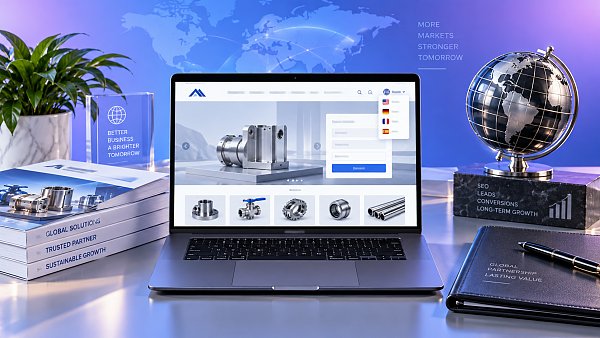
Such searches often reflect a clear procurement decision-making scenario: a company is preparing to build an official foreign trade website, has already received quotes from different service providers, but does not fully understand the differences between template websites, custom websites, and marketing websites, and is also concerned about receiving no inquiries after investing.
Management is usually most concerned about budget limits, launch timelines, and customer acquisition returns, while marketing teams focus more on content maintenance, SEO execution, advertising landing pages, and lead follow-up. Both needs ultimately lead back to the same question: can the website continuously generate overseas customers that can be followed up?
Therefore, whether Yiyingbao B2B lead generation website development is expensive should not be judged solely by the level of website development costs. Instead, companies should compare the overall costs associated with system capabilities, service scope, subsequent marketing integration, and internal maintenance efficiency under the same objectives.
Why Can B2B Lead Generation Website Prices Vary So Greatly?
Price differences among foreign trade B2B websites primarily arise from differing development objectives. A website used only to display a company profile and product catalog requires relatively limited development work; a website designed to generate Google organic traffic, advertising conversions, and expansion into multiple national markets requires significantly more in-depth upfront planning.
Product architecture is an important factor affecting costs. Manufacturing companies often have dozens or even hundreds of SKUs and need to properly organize product categories, specification pages, application scenarios, downloadable materials, and related product links so that both customers and search engines can quickly understand the business focus.
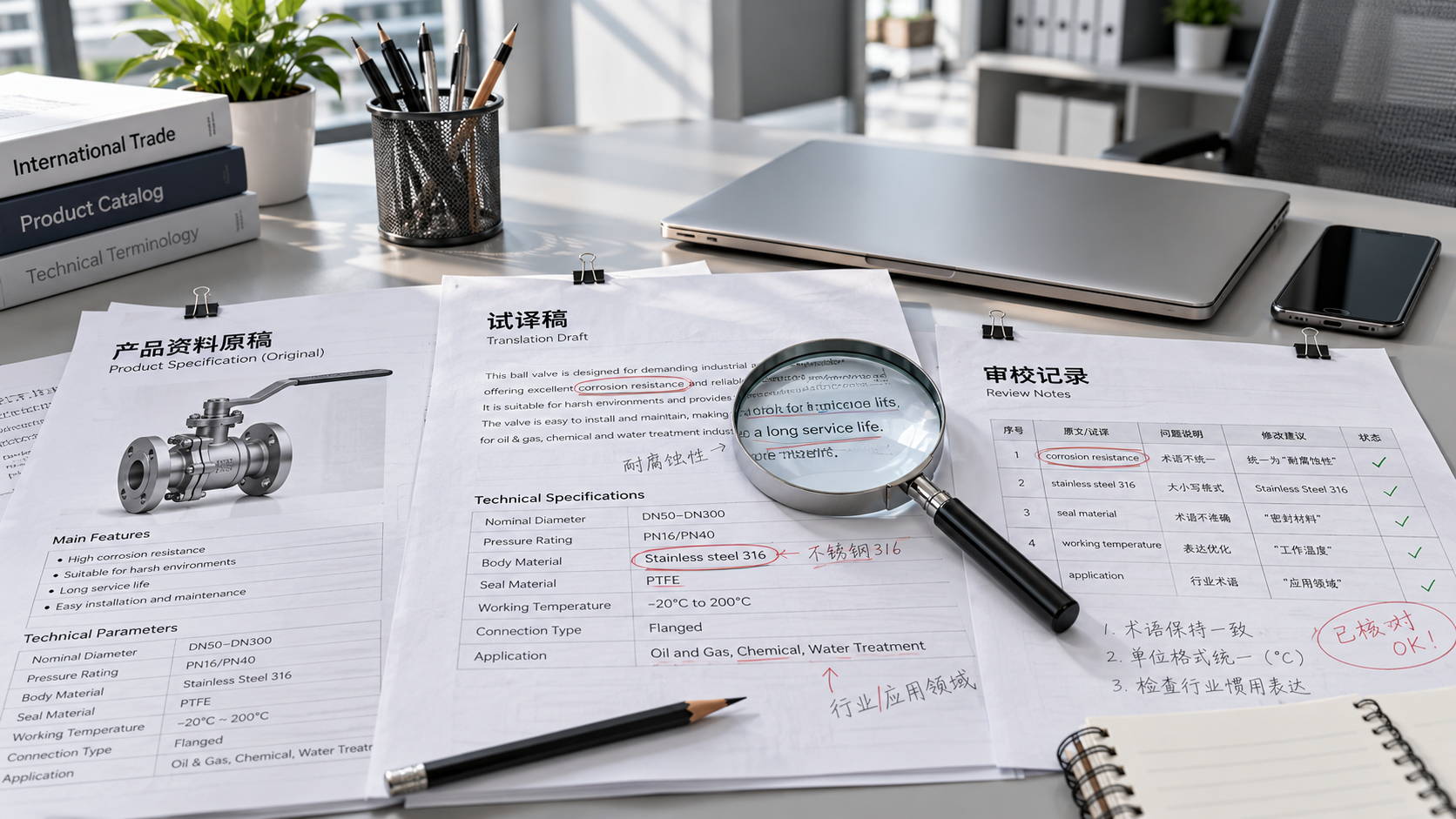
Multilingual functionality is not merely a translation button. Customers in different countries may have different concerns, search keywords, measurement units, certification standards, and contact methods. A website genuinely targeting overseas markets needs to support language-version management and reserve room for localized content optimization in key markets.
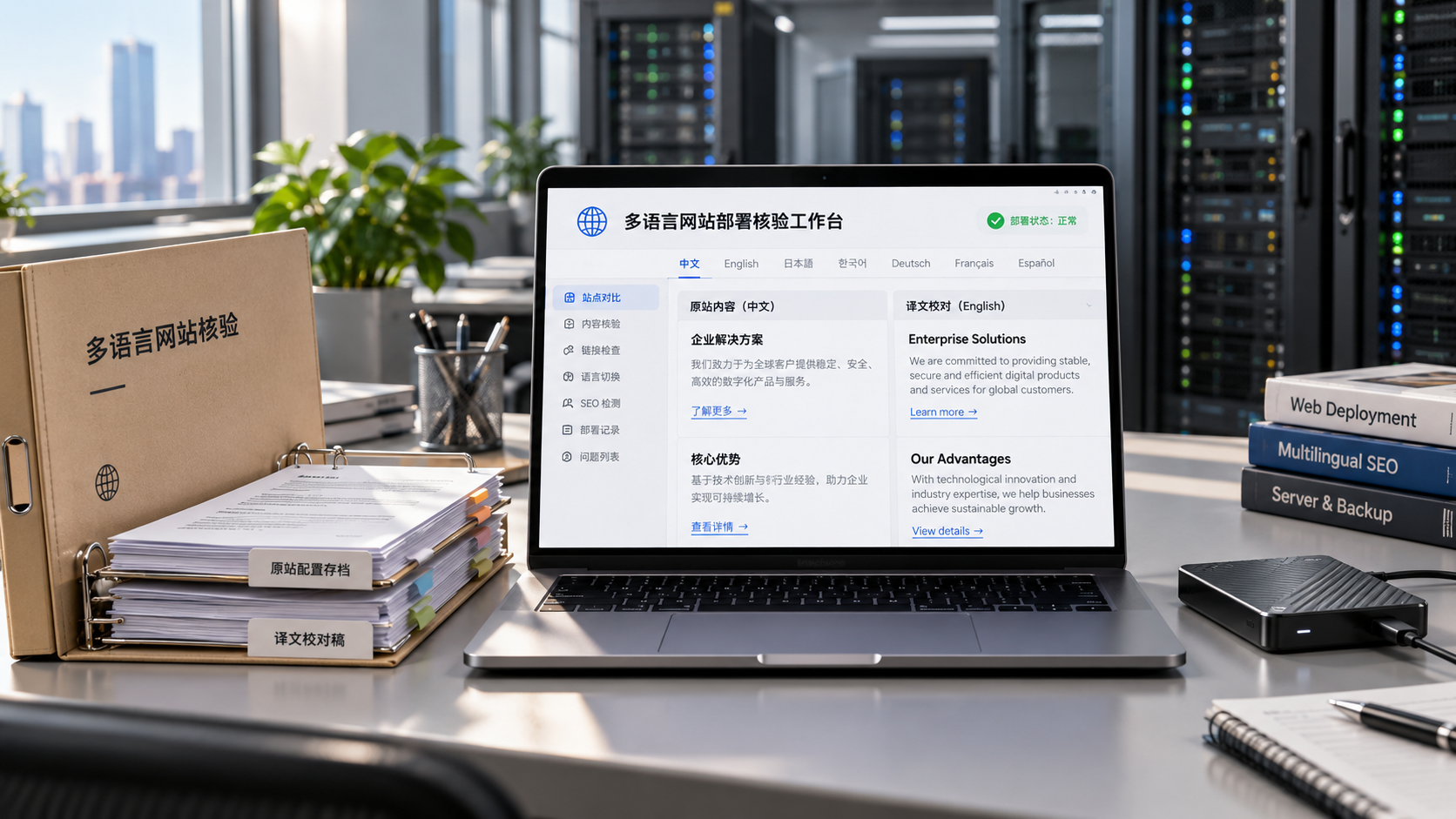
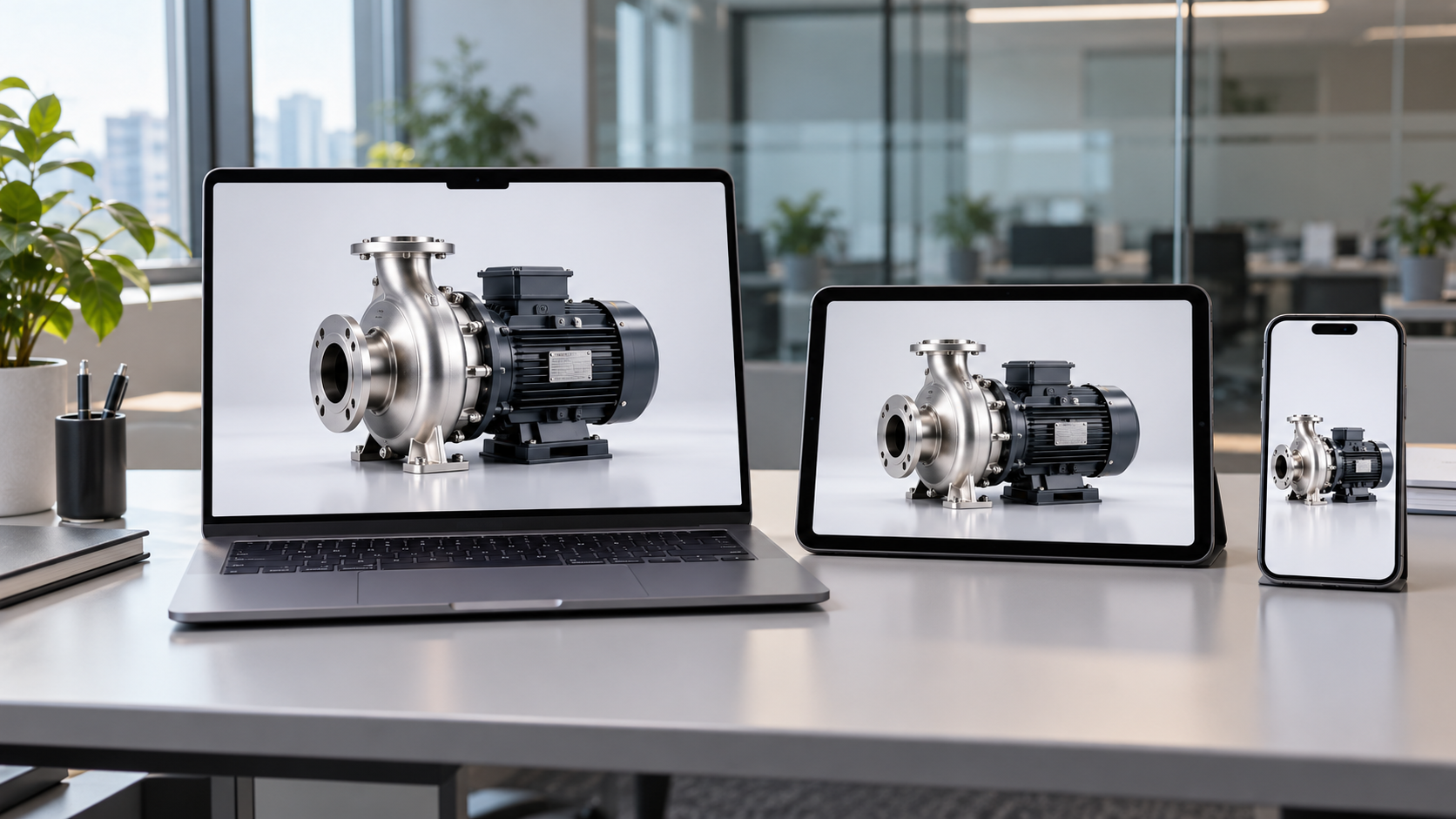
The technical foundation is equally important, including overseas access speed, mobile experience, SSL security, form stability, anti-spam mechanisms, data backup, and basic search engine settings. These capabilities may not be the most visible, but they affect whether customers are willing to leave their contact details.
If a quote includes only homepage design and the creation of a limited number of pages, the price may be lower. If the solution already covers the inquiry path, content structure, SEO fundamentals, form tracking, and promotional page expansion, the initial investment will be higher, but it will also be closer to a true marketing website solution.
When Evaluating a Yiyingbao Quote, Which Capabilities Should Be Included?
Yiyingbao provides AI-powered website development, multilingual website development, SEO optimization, and overseas marketing services for foreign trade companies. When requesting a quote, companies should ask the service provider to clearly list the deliverables rather than only comparing the total price of a “website package” or the number of complimentary pages.
The first item is website strategy and page structure. Confirm whether sections will be planned based on products, target regions, and procurement roles, and whether company capability pages, product pages, industry solution pages, and inquiry pages can be differentiated to avoid placing all information in a single product catalog.
The second item is fundamental SEO capability. Whether the website supports customized titles, descriptions, URLs, image alt text, sitemaps, and structured content will affect the efficiency of subsequent Google optimization work. Without these basic configurations, later remediation is usually more time-consuming and may also increase the budget.
The third item is conversion design. B2B customers rarely place an order after just one visit. A website needs to provide clear paths for requesting quotations, applying for samples, downloading materials, and consulting via WhatsApp or email, while enabling the sales team to identify customer sources, visited pages, and areas of interest.
The fourth item is expansion and maintenance costs. Companies should understand whether it is convenient to add new languages, products, topic pages, and advertising landing pages later, and whether internal staff can independently update content. System usability affects whether the website can be continuously operated rather than remaining unmaintained after launch.
A Cheaper Website May Be More Expensive in Subsequent Customer Acquisition Costs
Some low-cost website development solutions may appear to save upfront budget, but they may use page structures unfavorable to indexing, lack content management permissions, or be unable to flexibly add optimized pages. When a company is ready to conduct Google SEO or advertising campaigns, it often needs to rebuild the site or invest again.
For foreign trade B2B companies, the most common waste is not overpaying for a website, but the disconnect between the website and promotion. The sales team needs inquiries and the marketing team buys traffic, but the landing page cannot address customers’ procurement questions, resulting in continuously rising click costs and a low proportion of qualified leads.
A more reasonable calculation is to consider annual customer acquisition costs. Assuming a website can continuously receive organic search traffic, Google Ads traffic, social media content traffic, and trade show traffic, while improving inquiry form submission rates, even a higher initial development cost may generate returns by reducing ineffective spending and repeated redesigns.
Of course, companies do not need to pursue the most comprehensive solution from the outset. Factories with fewer product lines and clearly defined target markets can first build core language versions and key product pages, then gradually expand based on search data and inquiry feedback, avoiding overpayment for functions that are not needed for the time being.
How Different Companies Can Determine the Right Level of Investment
Companies just starting their export business should focus on credibility and inquiry fundamentals. At a minimum, the website should clearly present factory capabilities, product advantages, certifications, application cases, and communication methods, while leaving room for the subsequent addition of product content, SEO pages, and advertising landing pages.
Manufacturing companies with established products and overseas customers should focus more on whether the website can serve as a digital sales materials library. After customers enter the website, they should be able to quickly obtain specifications, industry applications, customization capabilities, production processes, and service scope, thereby reducing the time sales staff spend repeatedly explaining these details.
Companies already running Google Ads or managing overseas social media should prioritize landing page conversion. The product value, delivery time, certifications, or solutions promised in advertising materials need to be consistently verified on website pages; otherwise, even high-quality traffic will struggle to generate effective inquiries.
Brands expanding into overseas markets and serving multiple markets need to evaluate multilingual, multi-site content, and regional marketing support capabilities. Different language versions should not simply replicate Chinese-language logic, but should be adjusted according to local customers’ purchasing habits, search expressions, and regulatory requirements.
Prepare This Checklist Before Requesting a Quote to Make Quotes Comparable
Before consulting Yiyingbao about B2B lead generation website development, companies can first organize their main products, core markets, existing languages, target customer types, and primary customer acquisition channels. The more complete the information, the better the service provider can offer a solution aligned with business objectives rather than a generic page quote.
Companies should also request clear details on the website page scope, language versions, number of products to be uploaded, domain and server configuration, number of design revisions, basic SEO settings, inquiry form functions, analytics tools, and responsibilities for post-launch training and maintenance, so that verbal commitments do not become difficult to implement.
They should also ask about subsequent marketing integration, such as support for Google SEO content expansion, rapid development of advertising pages, the handling of Facebook or short-video traffic, and AI search visibility optimization. For companies planning long-term overseas expansion, these capabilities are more valuable than a single visual design.
Finally, it may be helpful to work backward from the question, “How many qualified inquiries can we expect to add in one year?” There is no need to promise unrealistic lead volumes, but companies should assess whether the website can reduce sales communication costs, improve advertising conversion efficiency, and build content assets that can continuously generate visits.
Conclusion: Whether It Is Expensive Depends on Whether You Are Buying Growth Capability
There is no standard answer to whether Yiyingbao B2B lead generation website development is expensive that is independent of specific needs. If a company only requires an online business card, a basic development solution may be sufficient. If the goal is to acquire overseas customers over the long term through Google, social media, and multilingual content, then it should focus on comprehensive marketing conversion capabilities.
A website truly worth investing in should address five questions at the same time: can customers find it, understand it, trust it, submit an inquiry, and can the team follow up? Rather than simply choosing the lowest quote, it is better to choose a development solution that matches the business stage, can be operated sustainably, and has transparent costs.
Related Articles
 Choosing an AI-powered multilingual website service for export businesses: How can you verify translation quality?
 Can a multilingual website translation platform preserve existing SEO settings?
 How can you test responsive design compatibility in a global website-building SaaS platform?
Related Products
 Yiyingbao SaaS Intelligent Website Building and Marketing SystemYiyingbao SaaS Intelligent Website Building and Marketing System, AI-powered no-code website building, rapid creation of multilingual B2B international websites in 10 minutes, global server acceleration, AI-powered SEO optimization, helping businesses connect efficiently with global markets. The perfect integration of technology and operation makes building an international trade website remarkably simple
 AI+SEM Intelligent Advertising Marketing SystemAI+SEM drives intelligent ad creation, empowering full-funnel precision advertising marketing. The system automatically generates weekly/monthly reports, AI recommends keywords and target countries, monitors core metrics in real-time with intelligent alerts, and enables one-click high-conversion ad solutions to help quickly acquire customers and improve ROI.
 AI+SEO Dual-Engine System Optimization ServicesYiyingbao’s AI+SEO dual-engine optimization system helps foreign trade enterprises acquire high-quality organic traffic through AI-powered keyword research, content generation, and comprehensive technical optimization, significantly improving search rankings and conversion rates.
 AI+SNS Social Media Marketing SystemYingbao AI+SNS Social Media Marketing System - Precision social capture for the social media era. Supports one-click content synchronization across major platforms like Facebook and LinkedIn. AI intelligently rewrites posts for enhanced relevance. 24/7 AI customer service and user profiling analysis empower businesses to efficiently expand into global markets.
 AI+SEO营销解决方案易营宝AI+SEO营销解决方案,通过AI批量写作、智能生成TDK、精准关键词扩词等功能,全面优化网站SEO效果,提升流量与转化率。助力企业构建高效智能网站新生态。
 AI+SEM Advertising Marketing SolutionsAI+SEM Advertising Marketing Solution leverages AI technology to deeply empower SEM ad campaigns. It automatically generates weekly/monthly reports using AI, presenting account data across multiple dimensions for comprehensive insights into campaign performance and trends. The system precisely recommends keywords and target countries, intelligently generates high-conversion ad copy, and enables one-click activation of efficient campaign plans to help businesses rapidly acquire customers. Simultaneously, it monitors core metrics in real time, intelligently identifies abnormal fluctuations, and issues timely alerts to ensure stable, high-return advertising results.
 Domain Name ServicesEasyWin provides professional domain name services, including intelligent queries, one-stop registration, brand protection, and full lifecycle management, helping businesses build a digital brand image.
 EasyOperate B2C Cross-Border E-Commerce Platform & Independent WebsiteEasyStore B2C Cross-border E-commerce Independent Store is an intelligent website building and cross-border e-commerce integrated solution independently developed by EasyStore Information Technology (Beijing) Co., Ltd. The system is specially designed for small and medium-sized as well as large export enterprises, integrating 'website building, operation, marketing, advertising, and conversion' into one, helping enterprises quickly establish cross-border e-commerce independent stores to achieve brand globalization and global sales growth.
The platform supports multiple languages, multiple currencies, and multi-channel marketing, with built-in AI intelligent translation and SEO optimization systems, suitable for mainstream markets such as Southeast Asia, Europe and America, Latin America, and the Middle East, assisting Chinese manufacturing enterprises in efficiently deploying international e-commerce strategies. SSL证书易营宝提供专业SSL安全证书服务,包括单域名和泛域名证书,确保网站数据传输加密、身份验证和完整性保护,助力企业建立安全可信的在线业务环境。









