









- EU Plans to Raise Tax on Incoming Small Parcels to €5Oct 31, 2026View details
- Maersk Adjusts Middle East Emergency Operating Cost Recovery Surcharge to USD 2,000 per ContainerOct 30, 2026View details
- Ministry of Commerce: Online retail sales grew 4.4% in the first three quarters, while cross-border e-commerce maintained relatively rapid growthOct 29, 2026View details
- CCTV reports: AI-powered smart hardware is expanding overseas at a faster pace, with orders for some best-selling products booked through next yearOct 29, 2026View details
- Alphabet Q3 Earnings: Google Search Advertising Revenue Rises 10.5% to $82 BillionOct 29, 2026View details
- AliExpress Announces New Service Rules for Russia, Linked to Wildberries Product IntegrationOct 28, 2026View details
Do the Costs of Building a Multilingual Website for International Trade Increase with the Number of Languages?
The cost of building a multilingual website for international trade generally increases with the number of languages, but adding each language does not mean paying for an entirely new website. Shared website frameworks, design, and core features can be spread across language versions. Translation, localization, content entry, and review costs, however, increase with the number of languages and the volume of content. Some platforms also charge feature or subscription fees based on the number of languages.
When estimating the cost of building a multilingual website for international trade, don’t look only at how many languages a quote says the site “supports.” Even for the same three additional language versions, the budget can vary considerably depending on whether only the homepage and navigation are translated or the entire product catalog and downloadable materials are translated and localized for search.
Which Costs Recur When You Add Languages?
The page framework, visual design, core inquiry features, and content management system from the initial website build can usually be shared across multiple language versions. If a new language uses an existing template, the basic development cost does not need to be multiplied by the full website price. This assumes, however, that the existing system already supports language switching, independent content management, and the required character sets. If these capabilities need to be added later, development or configuration fees will still apply.
The costs that change directly as languages are added mainly fall into the following categories:
- Content translation: Pricing may be based on the number of source characters, words, pages, or a project package. Confirm separately whether product specifications, technical terminology, text embedded in images, and downloadable materials are included.
- Language review and localization: Machine translation, human post-editing, and professional translation involve different scopes of work. For product specifications, safety instructions, or contract terms, you should also consider review by business staff and how responsibility is allocated.
- Page entry and adjustments: Translated content needs to be entered into pages, with line breaks and button lengths adjusted. Some languages may also require changes to text direction, fonts, or layouts. These tasks may not be included in the translation quote.
- Testing each language version: Language switching, links, forms, character display, and mobile pages need to be checked. The more versions there are, the greater the testing and revision workload.
- Platform and third-party fees: Some services charge based on the number of languages, translation volume, or feature package. Others include a set number of languages in the subscription and charge extra for additional ones.

Therefore, the number of languages determines the direction of cost growth, while the volume of content and delivery standards determine its extent. A language version containing only a company introduction and contact details should not be priced on the same basis as one with extensive product details, category pages, and downloadable materials.
“Multilingual” in a Quote Can Mean Different Deliverables
In some quotes, “multilingual” means only that the system supports language switching, while the company is responsible for translation and content entry. Others include automatic translation but no human review. Some quotes cover complete pages, basic search settings, and launch testing. Price differences may reflect the scope of delivery, not just the supplier’s pricing level.
For approval, ask that the quote be matched to a content list: how many pages are included for each language, the estimated word count, who will provide the source content, whether charts and attachments will be handled, and how many rounds of human review are included. If pricing is per page, agree on how page length or content complexity will be calculated to avoid additional charges during implementation for long product pages or specification tables.
“Supports multiple languages” does not necessarily mean that every version has complete, independently managed content. Some solutions offer only real-time translation through a browser or plugin; others create editable pages for each language. The former may have a lower initial cost, but translation quality, page display, and search indexing depend on the specific implementation and service agreement. The latter makes page-by-page management easier but requires content creation and maintenance costs.
If the website is intended to generate inquiries through search engines, confirm whether each language page has an accessible URL, whether page titles and descriptions are included in the deliverables, and how the language versions will be linked. These foundational settings are not the same as ongoing keyword research, content optimization, or link building, and should not be assumed to be included in the website development fee.
Compare Options by Incremental Budget, Not Just the Upfront Payment
A multilingual project can be broken down into “shared one-time costs + costs per language version + ongoing costs.” Comparing options this way makes it easier to see which items need to be paid for again as languages are added and helps prevent a low first-year price from being mistaken for a low long-term cost.
For example, suppose a company plans to build an English website with a Chinese-language admin interface, then add Spanish and Arabic versions. If the existing template and admin system support all three languages, the English site’s basic design and development should not be fully charged again for each additional version. However, translation, content entry, review, and testing for the two new languages still need to be calculated separately. If Arabic pages need a right-to-left layout, confirm whether the existing template supports it and whether the necessary adjustments will incur additional charges.
This example illustrates the budget structure, not fixed market prices. When reviewing a quote, you can ask the supplier to list the following separately:
- Base website development fee: design, development, admin system, forms, and the scope of pages included;
- Fee for each additional language: translation pricing method, content entry, review, adaptation, and testing;
- Recurring fees: billing periods for platform subscriptions, servers, domains, translation tools, and maintenance services;
- Optional services: search optimization for each language, ongoing content updates, and per-unit rates for changes beyond the agreed scope.
If the supplier provides only a bundled total, ask them to specify the language limit, renewal amount, and terms for adding languages. Having multilingual features included in the first year does not necessarily mean the renewal price will stay the same. Similarly, an initial translation allowance included in a package does not mean that future product copy additions will be free.
Ongoing Content Updates Are an Easily Overlooked Language Cost
After the website is delivered, changes to product specifications, certificates, pricing policies, or contact details need to be assessed for synchronization across all language versions. If each update requires retranslation, content entry, and review, maintenance costs will accumulate with the number of versions and the frequency of updates. For websites with large product catalogs in particular, translation fees for the initial set of pages are only part of the lifecycle cost.
The contract should specify who has editing rights for pages in each language, whether the company can add or modify content itself, and how the supplier charges for update assistance. For translation tools, confirm whether usage is accumulated by character count, whether allowances reset upon expiration, and whether existing translations can be exported if the service is discontinued. Ownership and handover arrangements for the domain, website data, and translations will also affect the cost of changing suppliers in the future.
Some language versions can initially cover core products, company credentials, and inquiry pages, then be expanded as business needs evolve. However, specify how untranslated pages will be displayed: hidden, left in the original language, or shown using automatic translation. If languages are mixed, user experience and content accuracy need to be assessed separately. Having a language option available does not mean that content development for that language market is complete.
How to Determine the Language Scope for Approval
The number of languages should not be decided solely on the basis of “covering more countries.” The value of a language version also depends on whether there is clear business demand in the target market, whether suitable product materials are available, and whether inquiries can be followed up promptly in that language. If the sales team, customer service staff, or distributors cannot support that language, adding it to the website alone may not generate qualified business opportunities.
When the budget is limited, first calculate the full incremental cost for each language, including post-launch updates and service fees, then set priorities based on target-market inquiry goals and follow-up capabilities. When evaluating results, distinguish between visits, qualified inquiries, and subsequent sales generated by pages in each language. Attribution is affected by visitor paths, analytics settings, and sales cycles, so all growth in inquiries following the addition of a language cannot be attributed directly to the website.
The key to approval is not lowering the nominal price per language, but confirming that shared costs are not charged twice, that each language is fully delivered, and that future costs for adding or maintaining versions are predictable. Documenting these boundaries in the quote and contract makes it possible to determine whether the proposed solution matches the actual business scope.
Related Articles
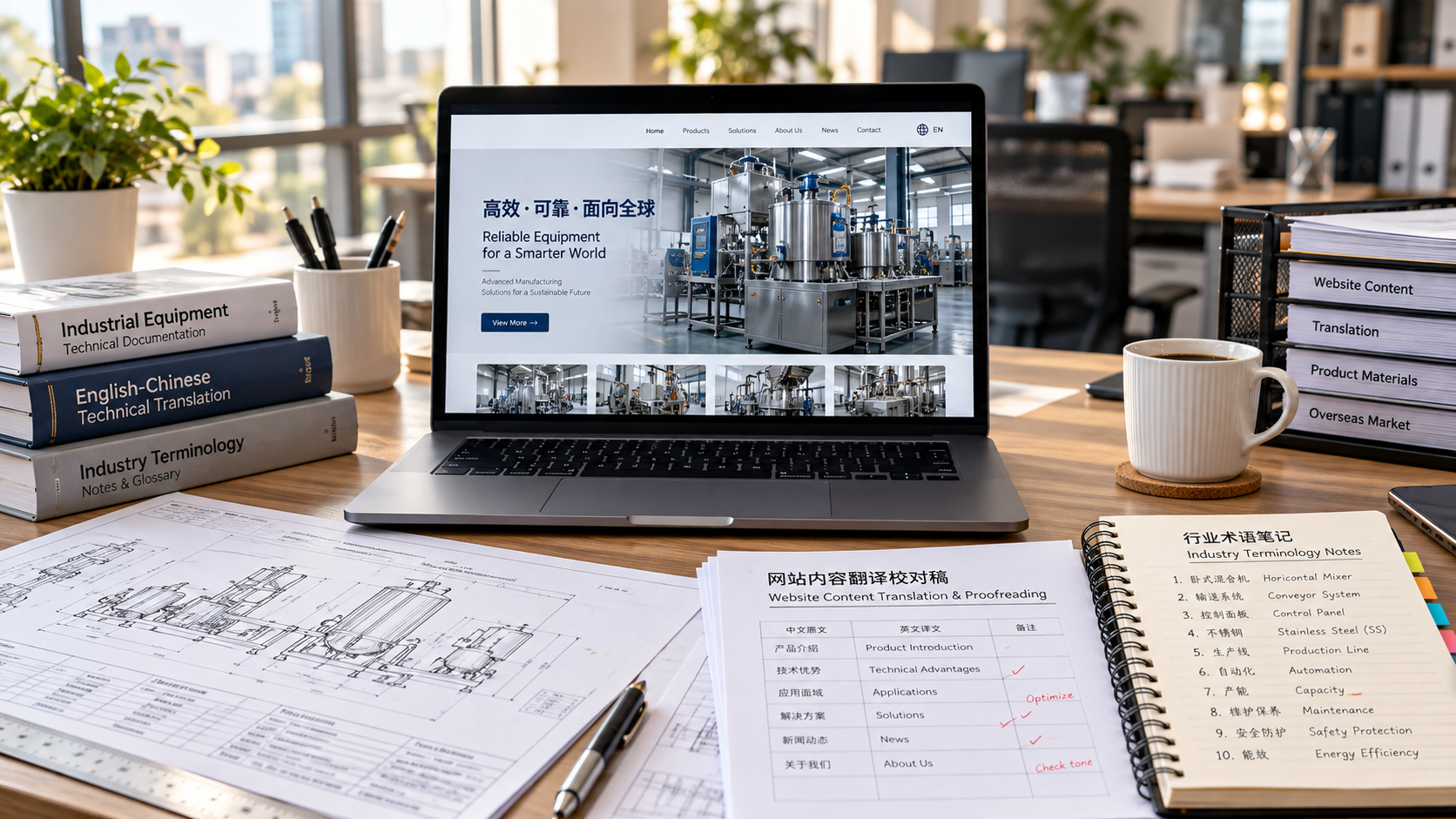
 How Can Localization Services Adapt Website Content to Target Markets?
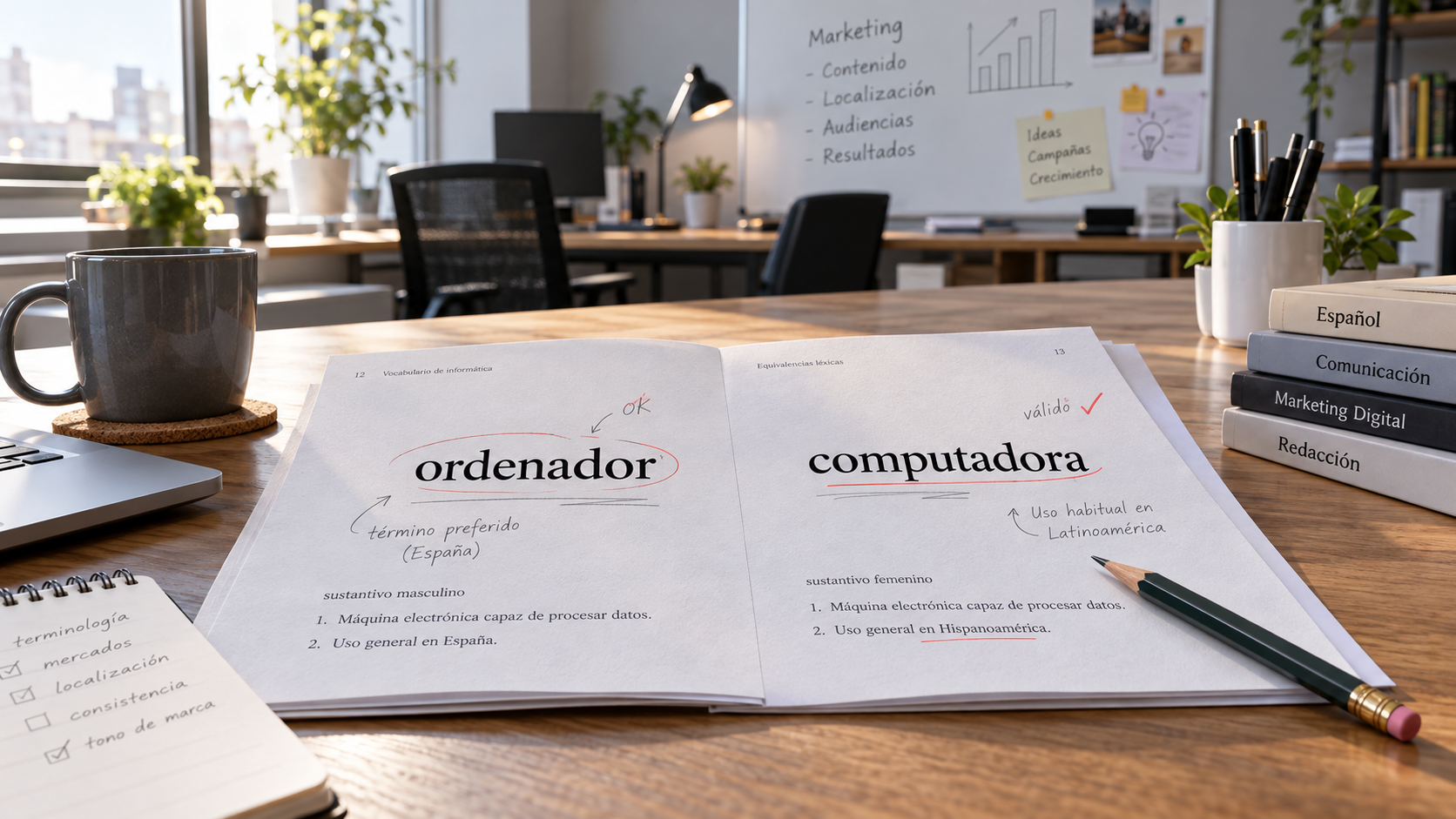
 How Can You Avoid Regional Word Choice Pitfalls When Translating Spanish Web Ad Copy?
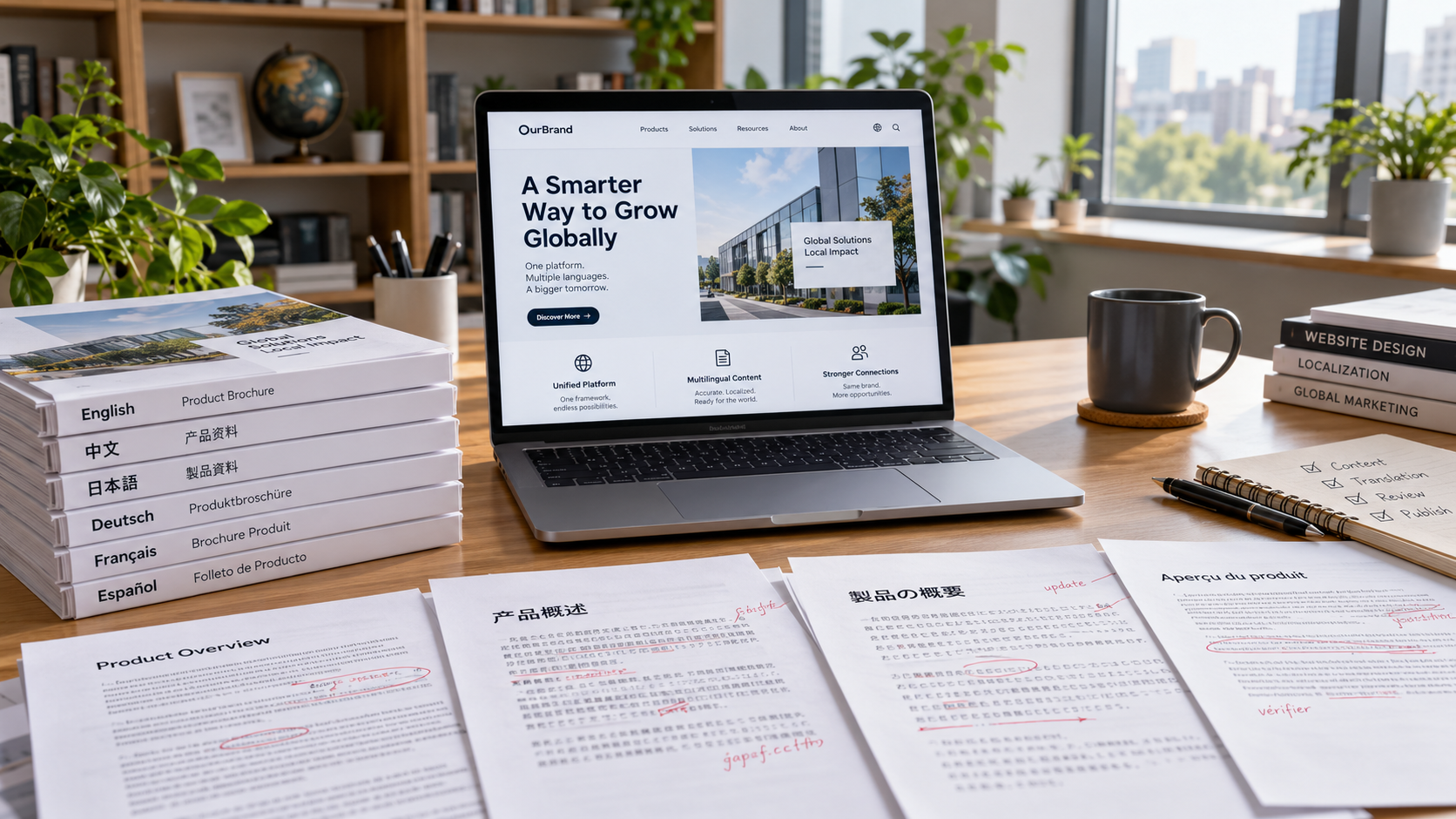
 Do the Costs of Building a Multilingual Website for International Trade Increase with the Number of Languages?
Related Products
 Yiyingbao SaaS Intelligent Website Building and Marketing SystemYiyingbao SaaS Intelligent Website Building and Marketing System, AI-powered no-code website building, rapid creation of multilingual B2B international websites in 10 minutes, global server acceleration, AI-powered SEO optimization, helping businesses connect efficiently with global markets. The perfect integration of technology and operation makes building an international trade website remarkably simple
 AI+SEM Intelligent Advertising Marketing SystemAI+SEM drives intelligent ad creation, empowering full-funnel precision advertising marketing. The system automatically generates weekly/monthly reports, AI recommends keywords and target countries, monitors core metrics in real-time with intelligent alerts, and enables one-click high-conversion ad solutions to help quickly acquire customers and improve ROI.
 AI+SEO Dual-Engine System Optimization ServicesYiyingbao’s AI+SEO dual-engine optimization system helps foreign trade enterprises acquire high-quality organic traffic through AI-powered keyword research, content generation, and comprehensive technical optimization, significantly improving search rankings and conversion rates.
 AI+SNS Social Media Marketing SystemYingbao AI+SNS Social Media Marketing System - Precision social capture for the social media era. Supports one-click content synchronization across major platforms like Facebook and LinkedIn. AI intelligently rewrites posts for enhanced relevance. 24/7 AI customer service and user profiling analysis empower businesses to efficiently expand into global markets.
 AI+SEO营销解决方案易营宝AI+SEO营销解决方案,通过AI批量写作、智能生成TDK、精准关键词扩词等功能,全面优化网站SEO效果,提升流量与转化率。助力企业构建高效智能网站新生态。
 AI+SEM Advertising Marketing SolutionsAI+SEM Advertising Marketing Solution leverages AI technology to deeply empower SEM ad campaigns. It automatically generates weekly/monthly reports using AI, presenting account data across multiple dimensions for comprehensive insights into campaign performance and trends. The system precisely recommends keywords and target countries, intelligently generates high-conversion ad copy, and enables one-click activation of efficient campaign plans to help businesses rapidly acquire customers. Simultaneously, it monitors core metrics in real time, intelligently identifies abnormal fluctuations, and issues timely alerts to ensure stable, high-return advertising results.
 Domain Name ServicesEasyWin provides professional domain name services, including intelligent queries, one-stop registration, brand protection, and full lifecycle management, helping businesses build a digital brand image.
 EasyOperate B2C Cross-Border E-Commerce Platform & Independent WebsiteEasyStore B2C Cross-border E-commerce Independent Store is an intelligent website building and cross-border e-commerce integrated solution independently developed by EasyStore Information Technology (Beijing) Co., Ltd. The system is specially designed for small and medium-sized as well as large export enterprises, integrating 'website building, operation, marketing, advertising, and conversion' into one, helping enterprises quickly establish cross-border e-commerce independent stores to achieve brand globalization and global sales growth.
The platform supports multiple languages, multiple currencies, and multi-channel marketing, with built-in AI intelligent translation and SEO optimization systems, suitable for mainstream markets such as Southeast Asia, Europe and America, Latin America, and the Middle East, assisting Chinese manufacturing enterprises in efficiently deploying international e-commerce strategies. SSL证书易营宝提供专业SSL安全证书服务,包括单域名和泛域名证书,确保网站数据传输加密、身份验证和完整性保护,助力企业建立安全可信的在线业务环境。









