

I. Definition and Commercial Value of Industry Information
Industry information is a collection of information formed around market demand, policy regulations, technological evolution, channel changes, purchasing behavior, and competitive dynamics. For foreign trade enterprises, it is not merely content for browsing news; it is also an important input for assessing target markets, product opportunities, and customer acquisition strategies.
High-value industry information is typically timely, traceable to its source, and relevant to action. For example, medical device companies should monitor updates to website compliance statements, while cross-border sellers should continuously track changes in platform store-opening, brand review, and logistics policies to avoid a disconnect between marketing content and market requirements.
In an integrated website and marketing service context, the value of industry information lies in converting external changes into keyword planning, product pages, advertising materials, social media topics, and sales follow-up messaging, enabling a corporate website to become a digital asset that continuously builds trust and generates leads.
II. Technical Principles of Information-Driven Website Marketing
After industry information enters the marketing system, it needs to go through six stages: collection, screening, interpretation, content production, channel distribution, and data review. The key is not the volume of publications, but whether the information has a genuine connection with customers' purchasing questions, search intent, and the company's product capabilities.
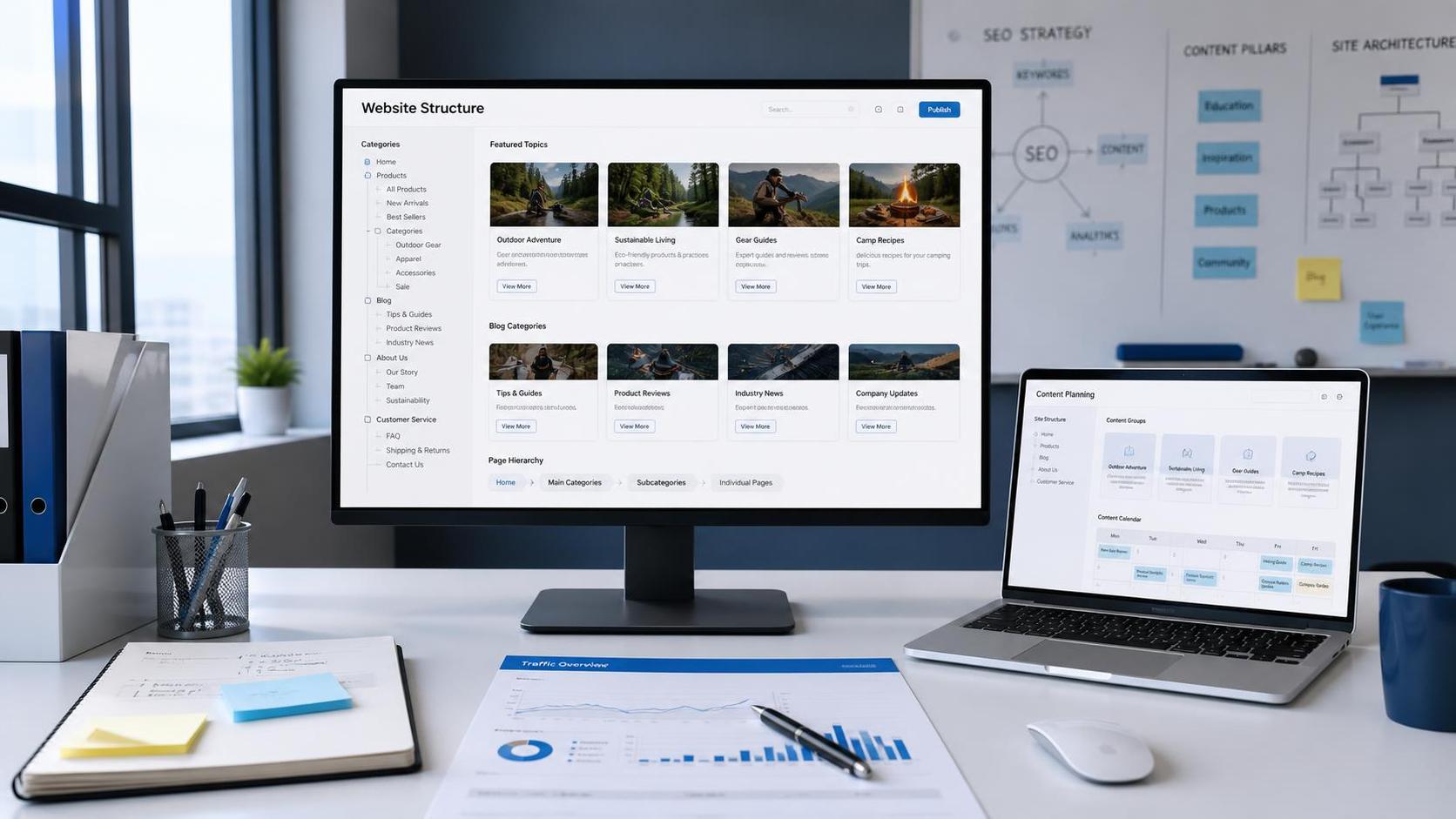
A website serves the functions of content accumulation and conversion support. Through clear category structures, product specifications, application solutions, FAQs, company qualifications, and inquiry entry points, search visitors can gradually understand supply capabilities from industry-related issues and complete inquiries through email, forms, or instant communication.
AI tools can assist with topic clustering, first-draft generation, multilingual translation, and title and description optimization, but they cannot replace professional review. Statements involving regulations, performance, pricing, delivery cycles, or certifications should be confirmed by business, technical, or compliance personnel before being published externally.
III. Mainstream Classification Methods for Industry Information
By information topic, industry information can be divided into market trends, policies and market access, technology and products, channels and platforms, competitive dynamics, purchasing demand, and business operation cases. Different categories correspond to different decision-making cycles and cannot be handled using the same content cadence.
By marketing purpose, it can be further divided into brand awareness content, search-based customer acquisition content, advertising landing page content, customer nurturing content, and sales support materials. The first two categories focus on explaining issues and long-term visibility, while the latter categories place greater emphasis on product matching, action paths, and conversion efficiency.
By region, multilingual industry information should take into account local purchasing habits, units of measurement, regulatory terminology, and search expressions. Simple word-for-word translation can easily weaken credibility. Pages for different markets should retain consistent brand information while making necessary localization adjustments.
IV. Enterprise Selection Criteria and Integrated Capabilities
When purchasing website and marketing services, companies should first clarify whether the objective is to acquire B2B inquiries, build an independent brand website, or increase cross-border store orders, and then assess whether the site supports content management, multilingual functionality, mobile compatibility, data analytics, form conversion, and future expansion.
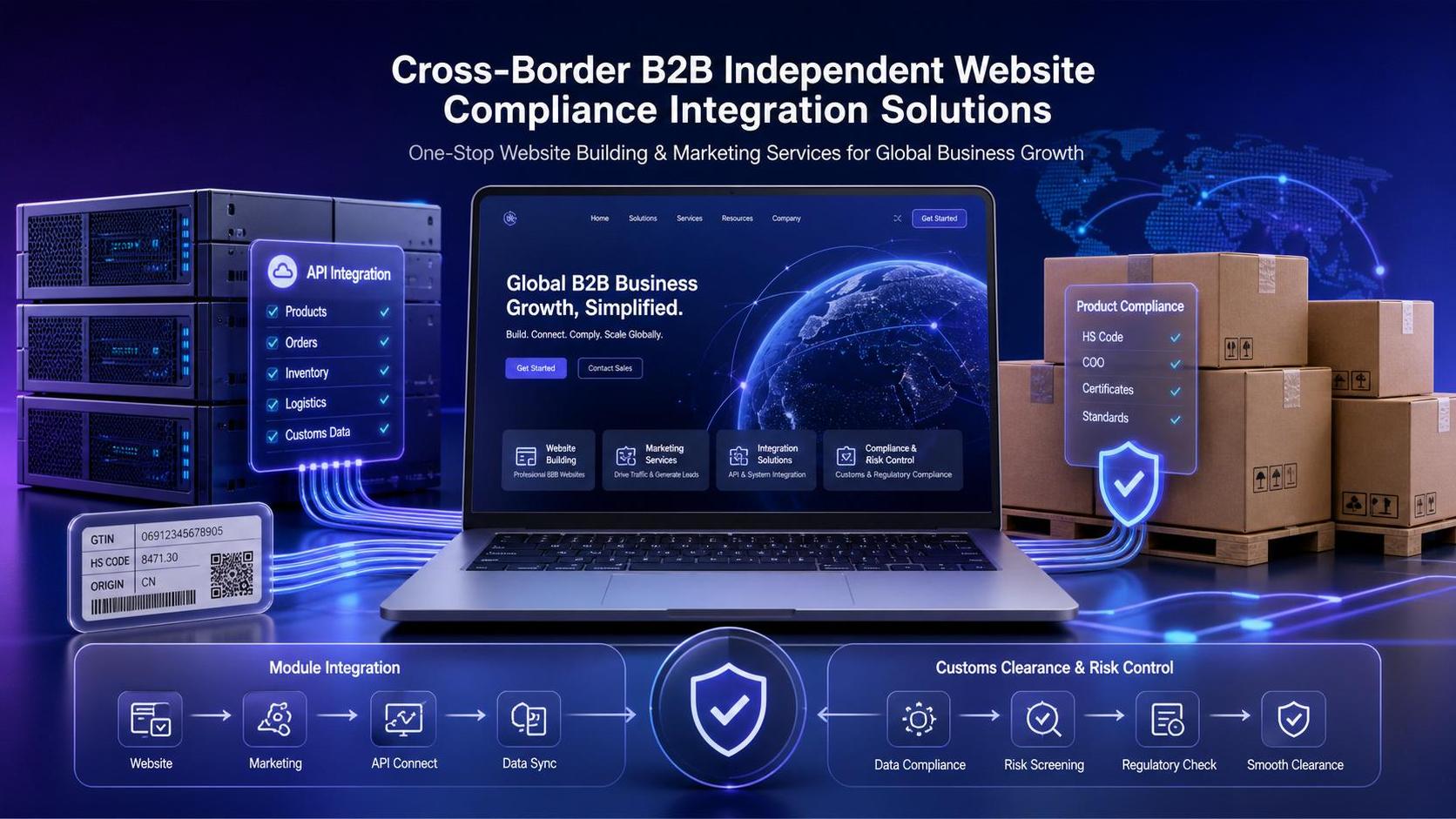
Yiyingbao provides AI-powered website building, multilingual independent websites, overseas marketing customer acquisition, and website operation and growth services, suitable for manufacturing plants, foreign trade companies, companies expanding brands overseas, and cross-border sellers. Its value lies in reducing the collaboration costs caused by separately purchasing website building, promotion, and operational services.
When making a selection, companies should also verify service boundaries, including ownership of domain names and servers, page and data export capabilities, content review mechanisms, advertising account permissions, data reporting standards, and response support methods. Clarifying these matters helps avoid unclear maintenance responsibilities after the website goes live.
V. Typical Application Scenarios and Global Market Requirements
Manufacturing companies can organize industry information around material selection, equipment maintenance, process comparisons, and purchasing specifications, and link it to product catalogs, factory capabilities, testing descriptions, and inquiry pages. This can both address buyers' early-stage research needs and help sales teams screen leads with stronger purchase intent.
Industries such as medical, chemical, and new energy should pay particular attention to website disclosure requirements, product claims, and promotional boundaries in target countries. When referring to updates published by regulatory authorities or platform rules, companies should specify the information source and scope of application and, where necessary, have them reviewed by professionals to avoid treating general information as a compliance commitment.
Yiyingbao's services cover fields including laser engraving machines, steel, chemicals, heavy-duty trucks, machinery, and new energy, and it has served companies such as Haier, Aucma, Shandong Airlines, Yuanhe Power Station, Little Duck Group, and China National Heavy Duty Truck Group. Companies should still develop content strategies based on their own products, markets, and sales processes.
VI. Go-Live Operations Process and Quality Control
Implementation should begin with market and keyword research, followed by completion of website information architecture, page prototypes, product material organization, multilingual content, technical configuration, and conversion entry point design. Before launch, mobile display, link validity, form notifications, page loading, and basic security configurations need to be checked.
For content operations, it is recommended to establish a monthly process: track industry information, determine topic priorities, update product and knowledge pages, and then conduct reviews based on organic traffic, advertising data, and inquiry quality. High-value topics should be continuously supplemented with cases, specifications, Q&A, and application details rather than remaining unused long after a single publication.
Yiyingbao's responsive website building, AI content assistance, global node deployment, and SEO, advertising, and social media operation capabilities can support enterprises in establishing a unified workflow. Quality control should still cover factual accuracy, brand consistency, translation quality, user experience, and lead response timeliness.
VII. Total Cost of Ownership and Future Development Trends
The total cost of ownership for website and marketing projects includes website development, domain names and servers, content production, translation, localization, advertising, social media operations, data analysis, and ongoing maintenance. Comparing only initial website development quotations often fails to reflect subsequent customer acquisition efficiency and management investment.
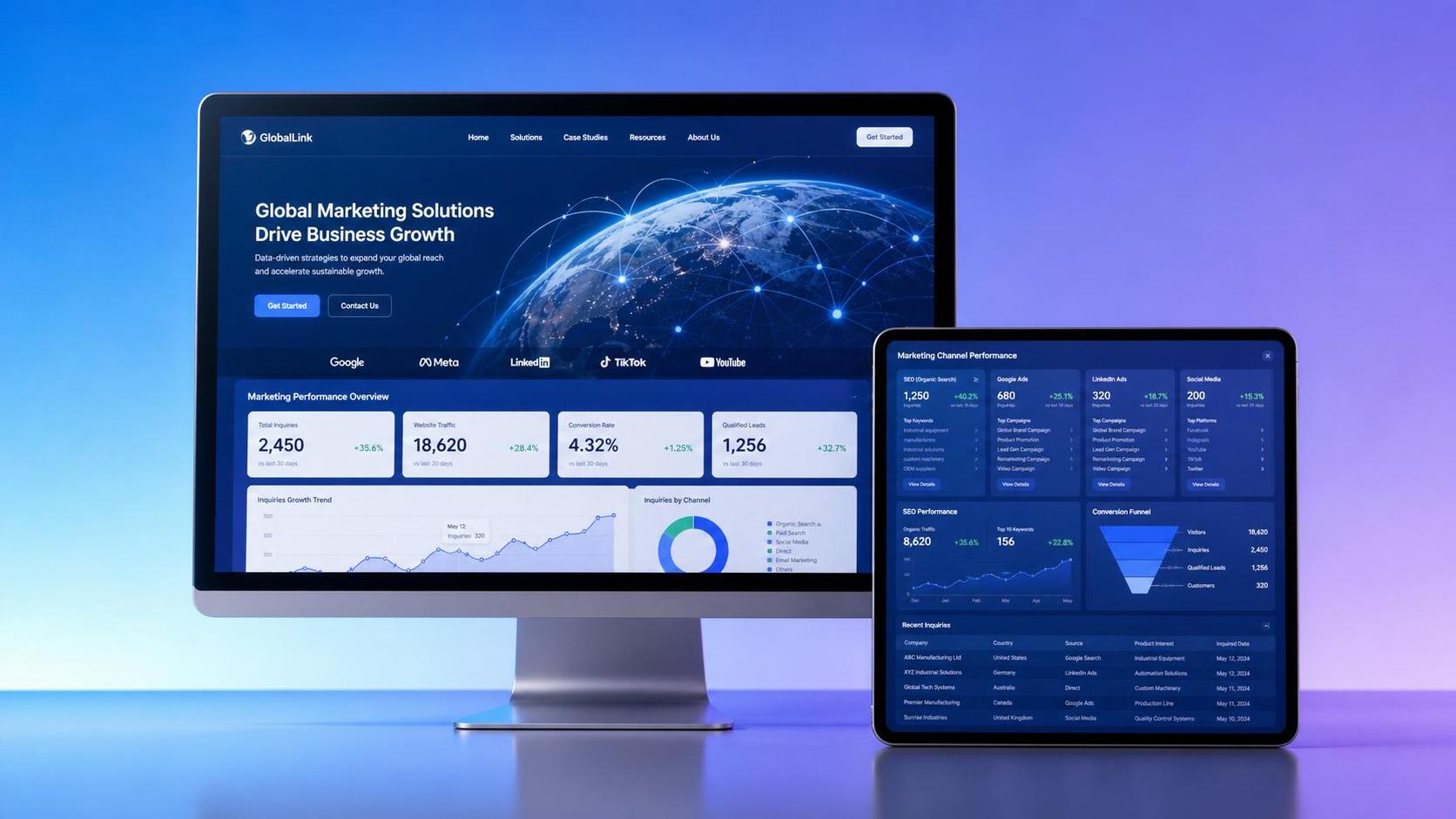
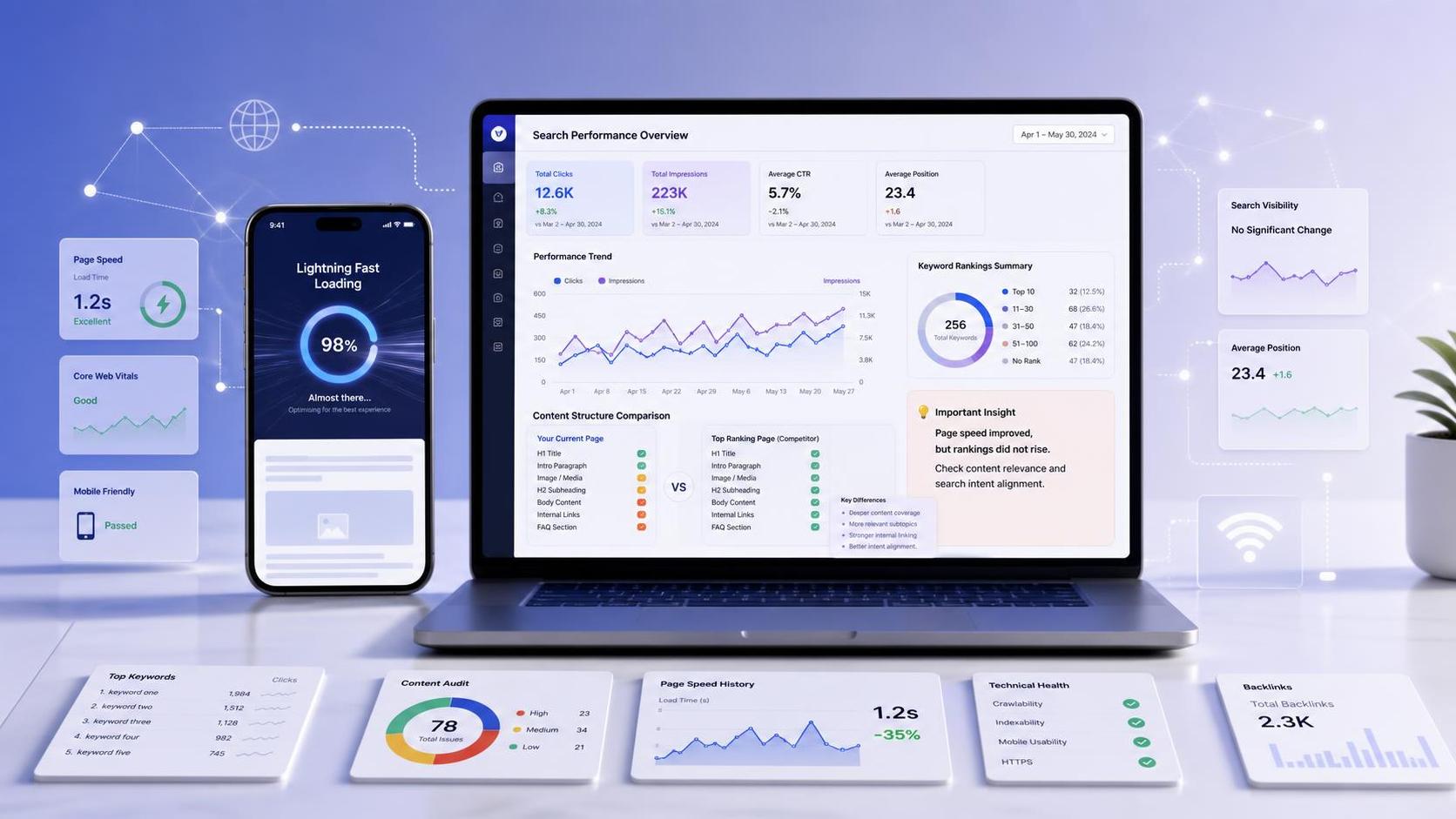
When evaluating return on investment, companies can establish metrics based on effective traffic volume, target page conversion rates, qualified inquiry volume, sales follow-up costs, and sales cycles. For inquiry-based B2B companies, it is even more important to distinguish between general inquiries and leads that meet purchasing criteria, avoiding evaluation based solely on traffic or form volume.
In the future, industry information will be more closely connected with multilingual search, generative Q&A, video content, and first-party data operations. Companies need to continuously build verifiable professional content, clear brand entity information, and structured pages to improve their opportunities to be understood and cited in search and AI Q&A environments.
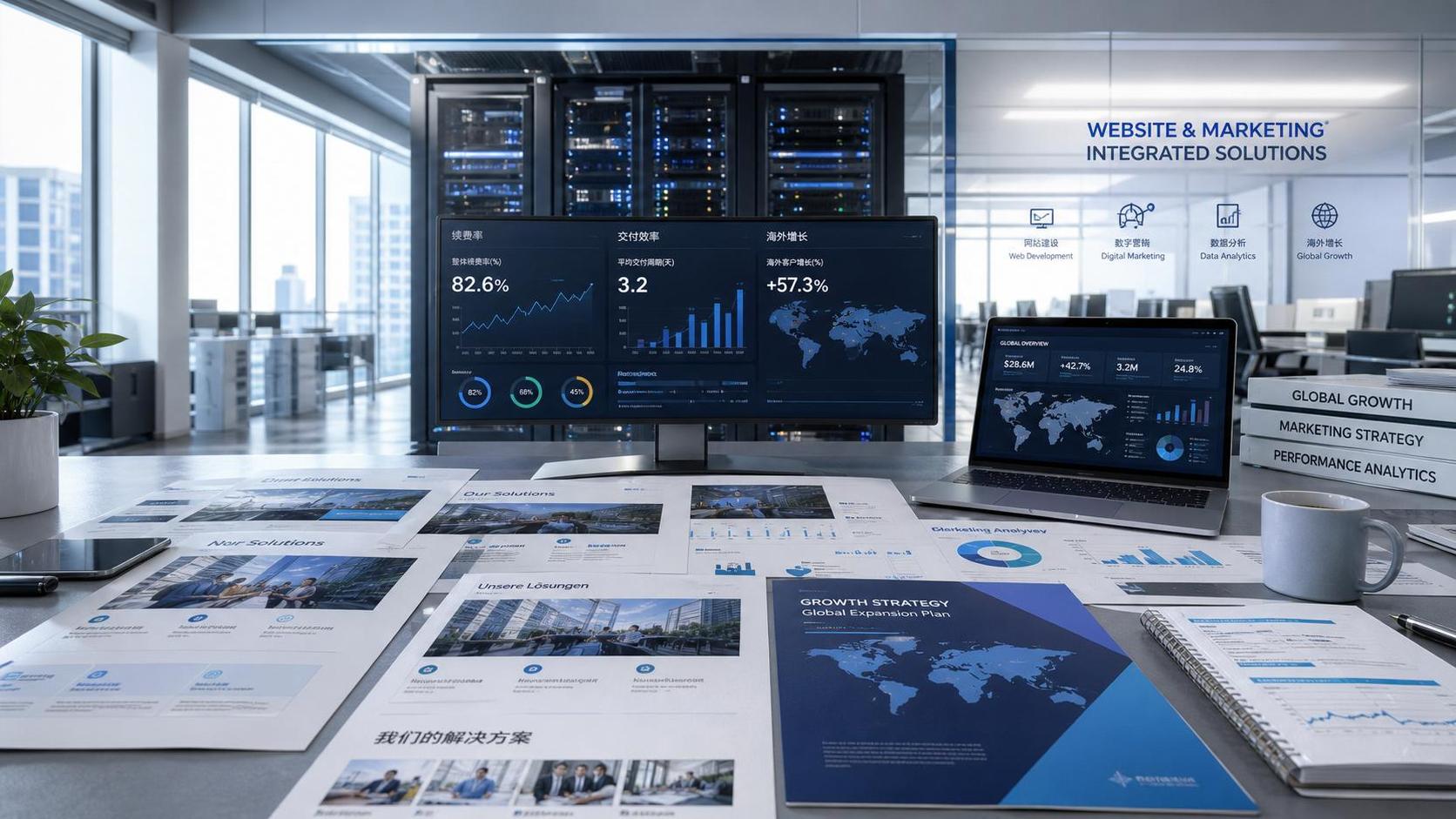
 What should you focus on in the latest enterprise SaaS report? From renewal rates and delivery costs to overseas growth opportunitiesEnterprise SaaS report: What should you focus on in the latest issue? This article focuses on renewal rates, delivery costs, and overseas growth opportunities, and explains how a website + marketing integrated platform can help businesses achieve stable customer acquisition, lower costs, and long-term growth, helping them quickly determine which SaaS solution is more worth investing in.
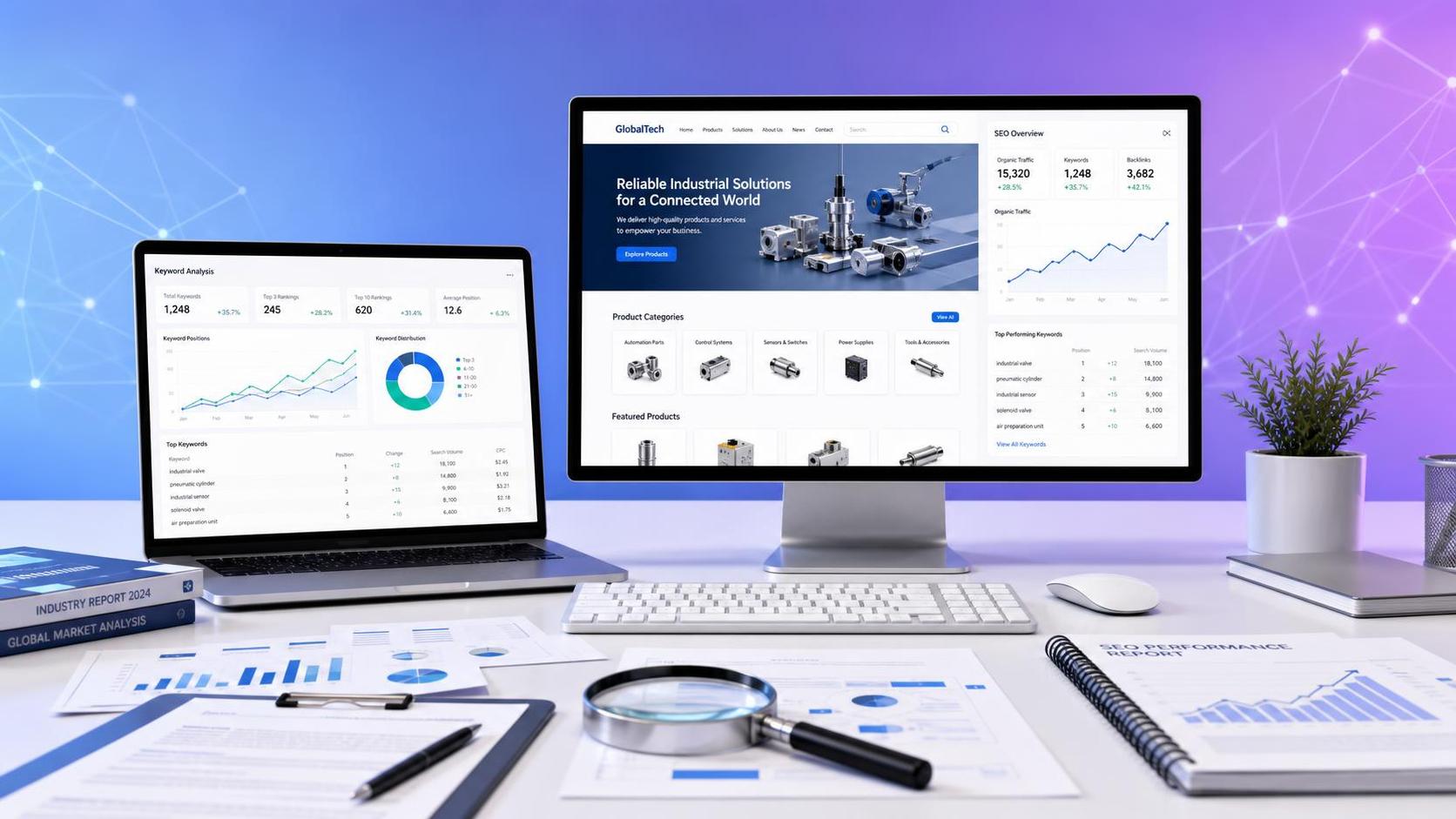
 How Long Does It Take to See Results from SEO for an International Trade Website?How long does it take to see results from SEO optimization for an international trade website? This article breaks down the actual timeline from indexing and rankings to traffic and inquiries, analyzes the technical, content, and website-building factors that affect the speed of results, and helps you assess project progress and identify practical ways to achieve faster improvements.
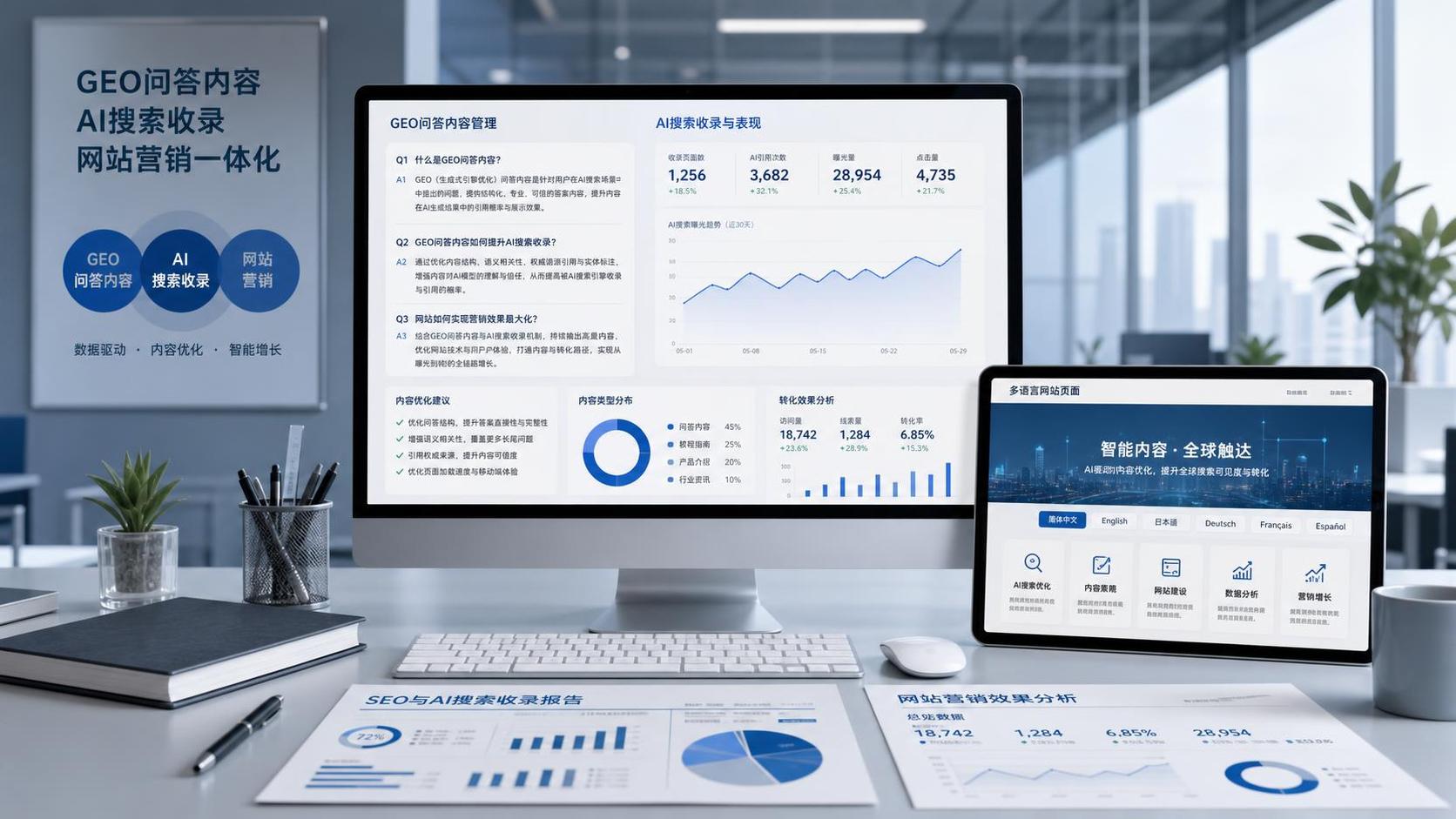
 How Can GEO Q&A Content Improve AI Search IndexingHow Can GEO Q&A Content Improve AI Search Indexing? This article focuses on the integrated website and marketing services scenario, analyzing Q&A structures, content that can be broken down, and conversion pathways to help businesses improve AI citation rates, search indexing, and inquiry conversion.
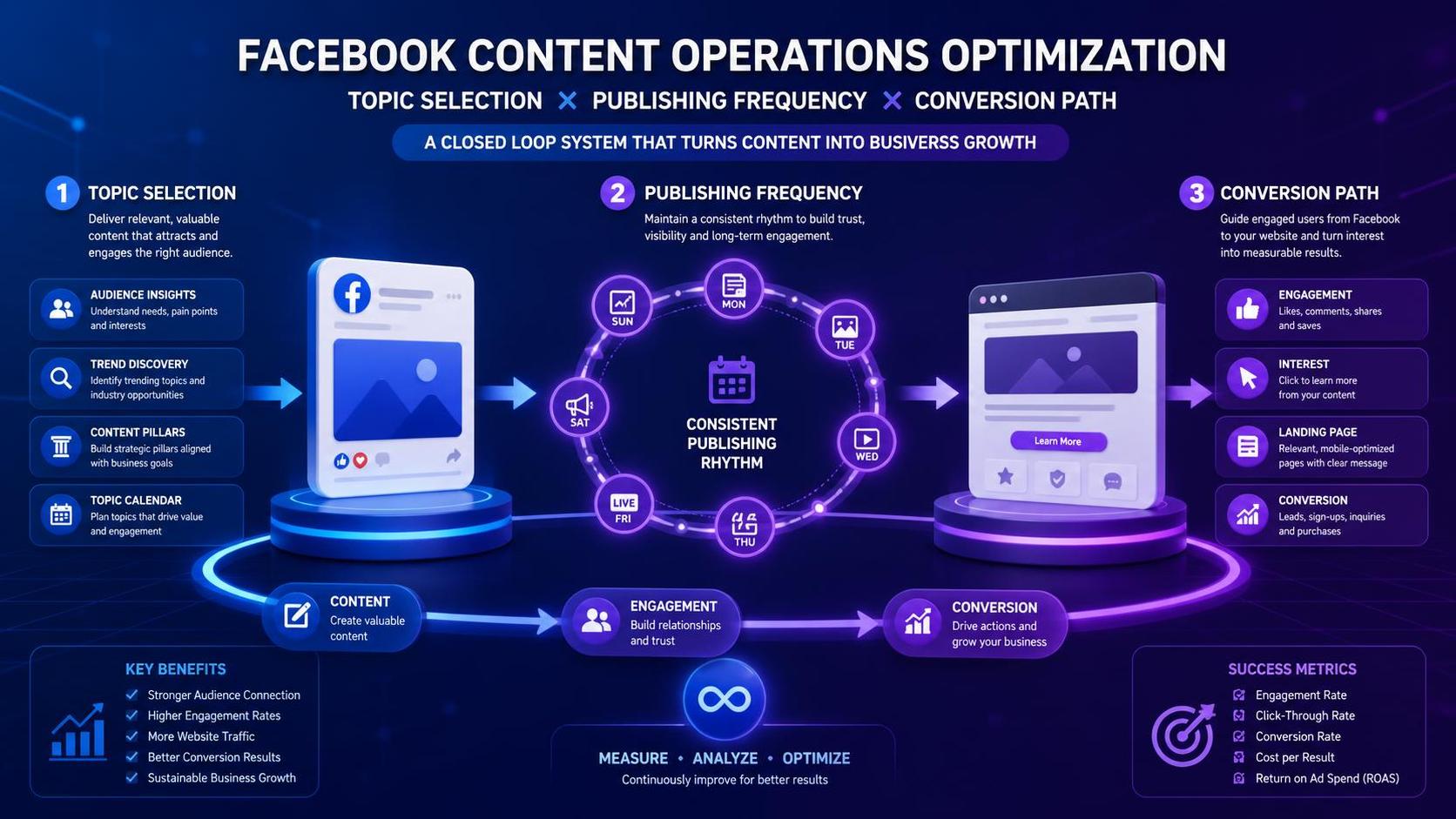
 Is your Facebook content marketing not delivering results? Start by fixing your topic selection, posting frequency, and conversion pathDoes your Facebook content marketing consistently fail to deliver results despite regular posting? This article breaks down common issues, from topic selection bias and imbalanced update frequency to overly long conversion paths, and provides actionable corrective steps to help businesses improve engagement, traffic generation, and inquiry conversion.
 Should You Build Out Content Categories First or Create Topic Pages First for SEO Content Marketing on a Standalone Website?When conducting SEO content marketing for a standalone website, should you build out content categories first or create topic pages first? This article examines the priority between categories and topic pages at different stages of a standalone website, analyzes traffic growth strategies, and explains how to build a content structure, helping businesses avoid unnecessary detours and improve indexing and conversions.
 Increasing foreign trade inquiries from 23 to 89 in 3 months—is it possible?Can foreign trade inquiries increase from 23 to 89 in 3 months? Yes, but only if website conversion, SEO planning, advertising campaigns, and data optimization are implemented simultaneously. This article breaks down the key path and actionable strategies for increasing inquiries for foreign trade companies within 90 days.
 Common Misconceptions About AMP Mobile SEO: Why Hasn’t Ranking Improved Even Though the Page Is Faster?Why Does AMP Mobile SEO Remain Stagnant After Speed Improvements? This article breaks down common misconceptions involving the indexing process, content quality, mobile experience, and conversion continuity, helping businesses determine whether AMP is truly worth implementing and avoid declining traffic and inquiries.
 How to Choose Topics for an Industry News Section to Attract More Organic Search TrafficHow to Choose Topics for an Industry News Section to Attract More Organic Search Traffic? This article focuses on integrated website and marketing services, breaks down topic selection methods for achieving high exposure, high click-through rates, and high conversions, and teaches you how to plan content based on real search intent to improve indexing, inquiries, and SEO growth.