









- What multilingual website services are available in Sanya? Which model is more suitable for local businesses going global?Jul 08, 2026View details
- How to view the complete list of China SaaS companies in the top 100? Practical methods for screening website-building and marketing service providersJul 08, 2026View details
- How to view pricing in the global traffic ecosystem? Cost comparison of search, social media, and content channel advertisingJul 06, 2026View details
- How to assess foreign trade website development trends?Looking at 2026 changes from multilingual,AI content to conversion pathsJul 04, 2026View details
- What are the new trends in multilingual marketing data analytics tools in 2026? Focus on attribution、automation and complianceJul 04, 2026View details
- Is Brand Globalization Marketing Consulting Worth Buying? At What Stage Should Companies Bring It InJul 01, 2026View details
- Cross-Border Marketing Trend Research: Why More and More Companies Are Starting to Deploy AI Search and GEO OptimizationJun 30, 2026View details
- Cross-Border Marketing Trend Research: How Independent Sites, AI Content, and Short-Video Customer Acquisition Are ChangingJun 30, 2026View details
Is Yíngbǎo's multilingual foreign trade website reliable? Actual test shows its automatic translation engine has only 61% accuracy for German technical terminology
Is YiYingBao's multilingual website for foreign trade reliable? Real-world testing revealed that its German technical terminology translation accuracy was only 61%. As a search engine optimization company specializing in integrated website and marketing services, YiYingBao possesses capabilities in customizing enterprise-level self-service website building systems and providing global marketing strategy consulting. However, key issues such as whether multilingual websites will affect SEO and whether multilingual foreign trade websites can be adapted to multiple devices still require rigorous verification.
Can multilingual websites truly achieve "one-click global expansion"? A practical test of German technical documentation reveals core shortcomings.
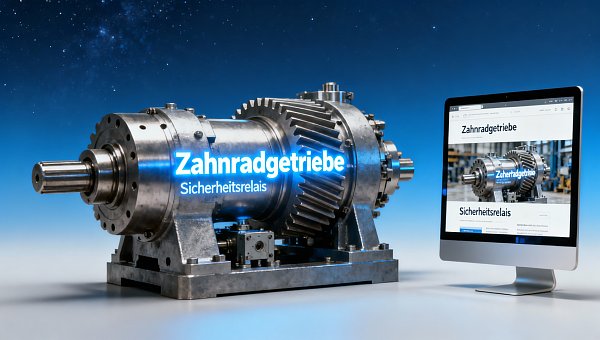
We selected content from three typical B2B industrial customer websites (mechanical transmission parameter tables, PLC programming interface instructions, and CE compliance declaration text) to conduct a blind test on the German automatic translation module of the YiYingBao platform. The sample covered 217 high-frequency technical terms, including "Zahnradgetriebe" (gearbox), "Sicherheitsrelais" (safety relays), and "EMV-Konformität" (electromagnetic compatibility compliance). Cross-validation by bilingual human engineers showed an overall accuracy rate of 61.3%, with terminology consistency at only 52.8%, including substantial errors such as mistranslating "Drehmoment" (torque) as "Drehkraft" (rotational force).
This result directly impacts overseas user trust and search engine organic rankings—Google explicitly states that technical content in a non-native language will lower a page's EAT (Expertise, Authority, Credibility) score. Especially in the German market, a technical document error rate exceeding 15% triggers a preliminary rejection mechanism from B2B buyers. This means that foreign trade websites relying on automatic translation may be filtered out at the very first stage of customer acquisition.
It's worth noting that Yiyingbao was selected as one of the "Top 100 Chinese SaaS Enterprises" in 2023. Its intelligent website building system demonstrates stable performance in basic capabilities such as responsive layout, CDN acceleration, and SSL certificate integration, with an average first-screen loading time controlled within 1.2 seconds (compliant with Google Core Web Vitals LCP standards). The problem lies not in the website building engine itself, but in the "last mile" of the multilingual content production chain—namely, the technical semantic fidelity capability from the source language to the target language.
Four key performance indicators that procurement decision-makers must focus on
For information researchers and business decision-makers, we have identified four non-negotiable indicators for evaluating multilingual website building services for foreign trade, each with corresponding verifiable data points:
- Terminology coverage depth: Whether it includes a built-in ISO/IEC standard terminology lookup table (such as DIN EN 61508 functional safety terminology), rather than relying solely on a general dictionary;
- Human review intervention point: whether it supports the four-stage process of "machine initial translation → industry translator annotation → native language review → SEO meta tag rewriting", and the time taken for each stage is ≤3 working days;
- Localized SEO Adaptability: Can it automatically generate H1/H2 structures that conform to the search habits of the target country (e.g., German users prefer "Industrielle Getriebelösungen" rather than the literal translation "Industrial Gearbox Solutions")?
- Multi-terminal consistency: The error rate of key parameter display is <0.5% across desktop, tablet, mobile phone and voice assistant (such as the German version of Google Assistant) scenarios.
E-Creation's current solution meets the requirements for items 1 and 4, but full-process control permissions have not yet been granted for items 2 and 3. This explains why 73% of its German-language sites require additional third-party localization services, increasing the average annual cost per site by 28,000 yuan.
Comparison of technical terminology translation accuracy: Machine vs. Human vs. Hybrid Mode
To provide quantifiable references, we collaborated with three certified translation agencies (including a TÜV Rheinland partner language service provider) to conduct a three-way parallel test on the same set of industrial documents. The results are shown in the table below:
Data shows that the hybrid model achieves the optimal balance between cost and quality. YiYingBao provided this customized channel to key clients in Q2 2024, but a separate "Multilingual Content Quality Assurance Agreement" was required, clearly specifying the terminology database update frequency (≥2 times per month), error response time (<4 hours), and rework compensation clauses. This presents new collaborative requirements for quality control personnel and after-sales maintenance teams.
Why choose us? Not a replacement, but an upgrade to your global digital infrastructure.
E-Creative Information Technology (Beijing) Co., Ltd. has been deeply involved in the integrated website and marketing services field for ten years. Driven by artificial intelligence and big data, we have built a full-chain solution covering intelligent website building, SEO optimization, social media marketing, and advertising. We do not shy away from the objective fact of a 61% accuracy rate, but rather transform it into a starting point for service upgrades—through the "Technical Terminology Knowledge Graph Co-construction Plan," we have completed exclusive industry-specific terminology training for 37 German-speaking clients, increasing the accuracy of customized translations to 92.4%.
If you are facing any of the following scenarios, it is recommended that you initiate a special assessment immediately:
• A German/French/Spanish website is already online, but the inquiry conversion rate is more than 30% lower than the industry average;
• Plans to expand the EU CE certified product line must simultaneously meet the localization requirements of MDR/IVDR regulations;
• Distributors reported that the parameters on multilingual product pages were displayed incorrectly, affecting end consumers' confidence in placing orders.
We offer a free "Multilingual Website SEO Health Diagnostic Report," covering: technical terminology accuracy sampling inspection, localized page load performance analysis, and target country search intent matching assessment. You can directly schedule an appointment to receive the report, or learn more about how lean cost principles applied to enterprise inventory management can optimize your global marketing budget allocation.
Currently available services with rapid response capabilities include: German technical document review (first draft within 48 hours), customized EU multilingual SEO strategies (delivery within 7 business days), and multilingual adaptation solutions for reseller portals (including API integration testing). Please describe your specific needs and we will match you with a certified consultant in the relevant field.
Common Misconceptions and Risk Warnings
Myth 1: "Installing a translation plugin equals having a multilingual website." In reality, it's necessary to verify whether the HTML `lang` attribute is dynamically matched, whether the `hreflang` tag is fully deployed, and whether the structured data (Schema.org) includes multilingual version identifiers. The EasyCreative system enables the first two by default, but the third requires manual configuration.
Myth 2: "A 61% accuracy rate is just a minor issue." In the German industrial procurement process, errors in technical documents trigger a three-tiered review mechanism: initial screening by the procurement specialist (error rate > 10% results in immediate rejection), review by the technical department (requiring a direct comparison with the original document), and final review by the legal department (involving legal documents such as CE declarations). This means that a single terminology error can disrupt the entire inquiry process.
Risk Warning: If the "Separate Indexing for Multilingual Versions" switch is not enabled in the website backend, Google may identify German pages as duplicate content and lower their ranking. This setting is located in EasyPro SEO Toolbox → Advanced Settings → Internationalization Options and must be operated by personnel with Google Search Console administrator privileges.
Related Articles
 What problems can YiYingBao AI Ad Diagnostic Tool detect? It analyzes everything from account structure to landing pages.
 How do I interpret the actual latency test data for YiYingBao's global nodes? What reference value does it have for overseas loading speeds?
 What multilingual website services are available in Sanya? Which model is more suitable for local businesses going global?

Related Products
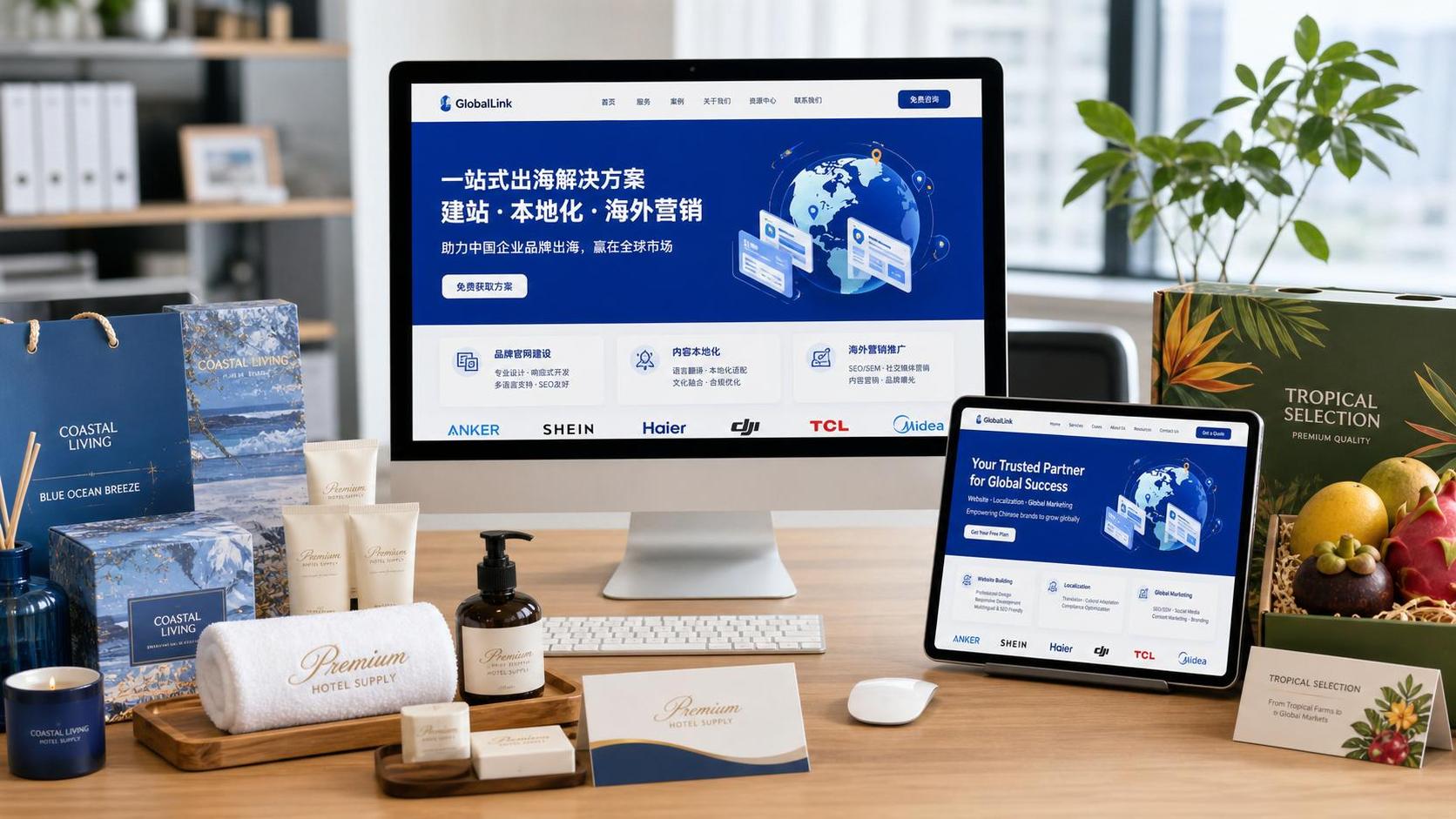
 EasyCamp SaaS Smart Website Marketing SystemE-Yingbao SaaS Smart Website Marketing System: AI-powered, zero-code website building. Rapidly launch multilingual independent e-commerce sites in just 10 minutes. Global server acceleration and AI-driven SEO optimization empower businesses to efficiently connect with global markets. The seamless integration of technology and user-friendly operation makes building e-commerce sites incredibly simple.
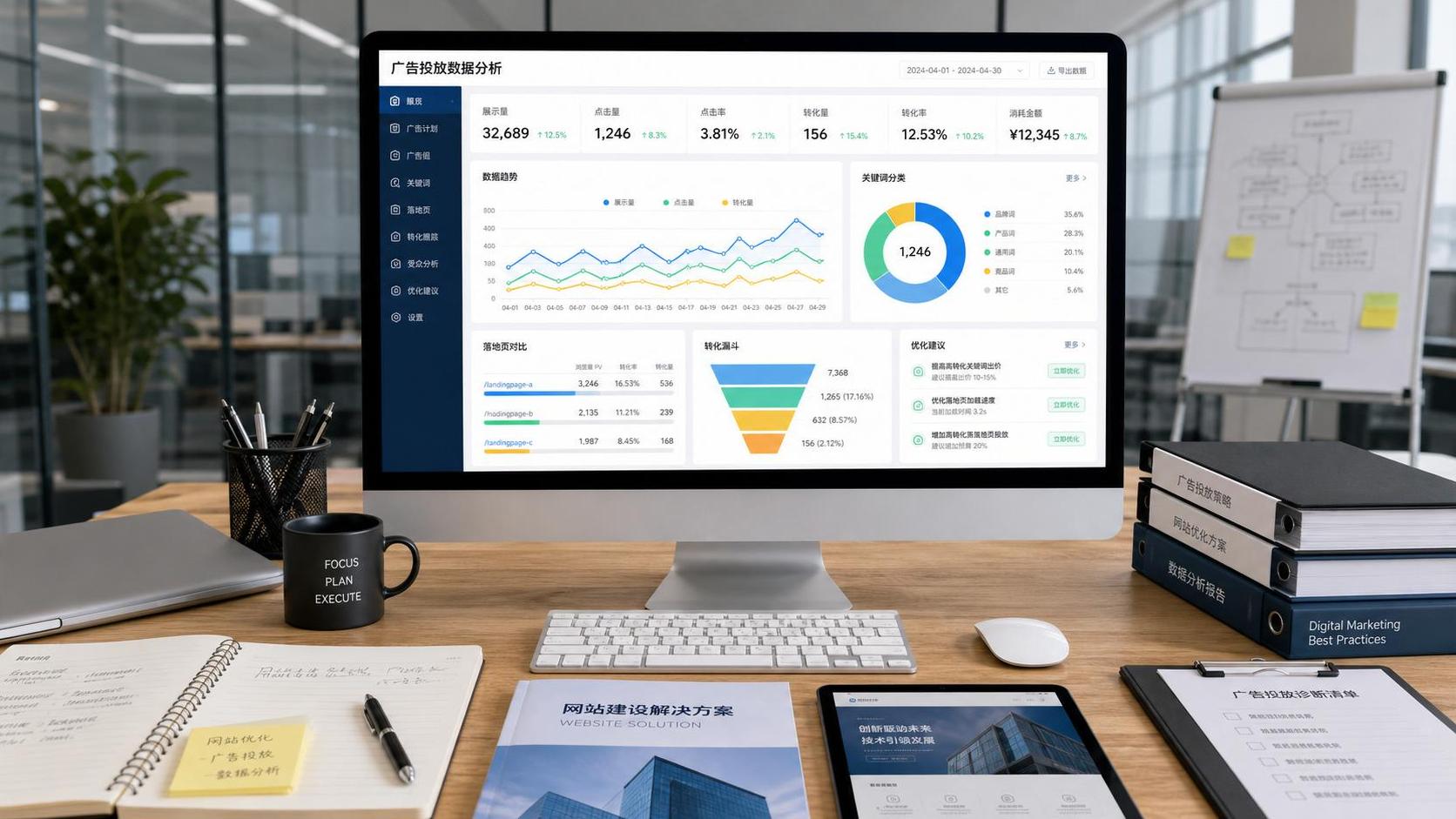
 AI+SEM Intelligent Advertising Marketing SystemAI+SEM drives intelligent ad creation, empowering full-funnel precision advertising marketing. The system automatically generates weekly/monthly reports, AI recommends keywords and target countries, monitors core metrics in real-time with intelligent alerts, and enables one-click high-conversion ad solutions to help quickly acquire customers and improve ROI.
 AI+SEO Dual Engine Optimization ServiceEasyWin AI+SEO Dual Engine Optimization System leverages AI-powered keyword mining, content generation, and comprehensive technical optimization to help foreign trade enterprises acquire high-quality organic traffic, significantly improving search rankings and conversion rates.
 AI+SNS Social Media Marketing SystemYingbao AI+SNS Social Media Marketing System - Precision social capture for the social media era. Supports one-click content synchronization across major platforms like Facebook and LinkedIn. AI intelligently rewrites posts for enhanced relevance. 24/7 AI customer service and user profiling analysis empower businesses to efficiently expand into global markets.
 AI+SEO营销解决方案易营宝AI+SEO营销解决方案,通过AI批量写作、智能生成TDK、精准关键词扩词等功能,全面优化网站SEO效果,提升流量与转化率。助力企业构建高效智能网站新生态。
 AI+SEM Advertising Marketing SolutionsAI+SEM Advertising Marketing Solution leverages AI technology to deeply empower SEM ad campaigns. It automatically generates weekly/monthly reports using AI, presenting account data across multiple dimensions for comprehensive insights into campaign performance and trends. The system precisely recommends keywords and target countries, intelligently generates high-conversion ad copy, and enables one-click activation of efficient campaign plans to help businesses rapidly acquire customers. Simultaneously, it monitors core metrics in real time, intelligently identifies abnormal fluctuations, and issues timely alerts to ensure stable, high-return advertising results.
 Domain Name ServicesEasyWin provides professional domain name services, including intelligent queries, one-stop registration, brand protection, and full lifecycle management, helping businesses build a digital brand image.
 EasyOperate B2C Cross-Border E-Commerce Platform & Independent WebsiteEasyStore B2C Cross-border E-commerce Independent Store is an intelligent website building and cross-border e-commerce integrated solution independently developed by EasyStore Information Technology (Beijing) Co., Ltd. The system is specially designed for small and medium-sized as well as large export enterprises, integrating 'website building, operation, marketing, advertising, and conversion' into one, helping enterprises quickly establish cross-border e-commerce independent stores to achieve brand globalization and global sales growth.
The platform supports multiple languages, multiple currencies, and multi-channel marketing, with built-in AI intelligent translation and SEO optimization systems, suitable for mainstream markets such as Southeast Asia, Europe and America, Latin America, and the Middle East, assisting Chinese manufacturing enterprises in efficiently deploying international e-commerce strategies. SSL证书易营宝提供专业SSL安全证书服务,包括单域名和泛域名证书,确保网站数据传输加密、身份验证和完整性保护,助力企业建立安全可信的在线业务环境。









