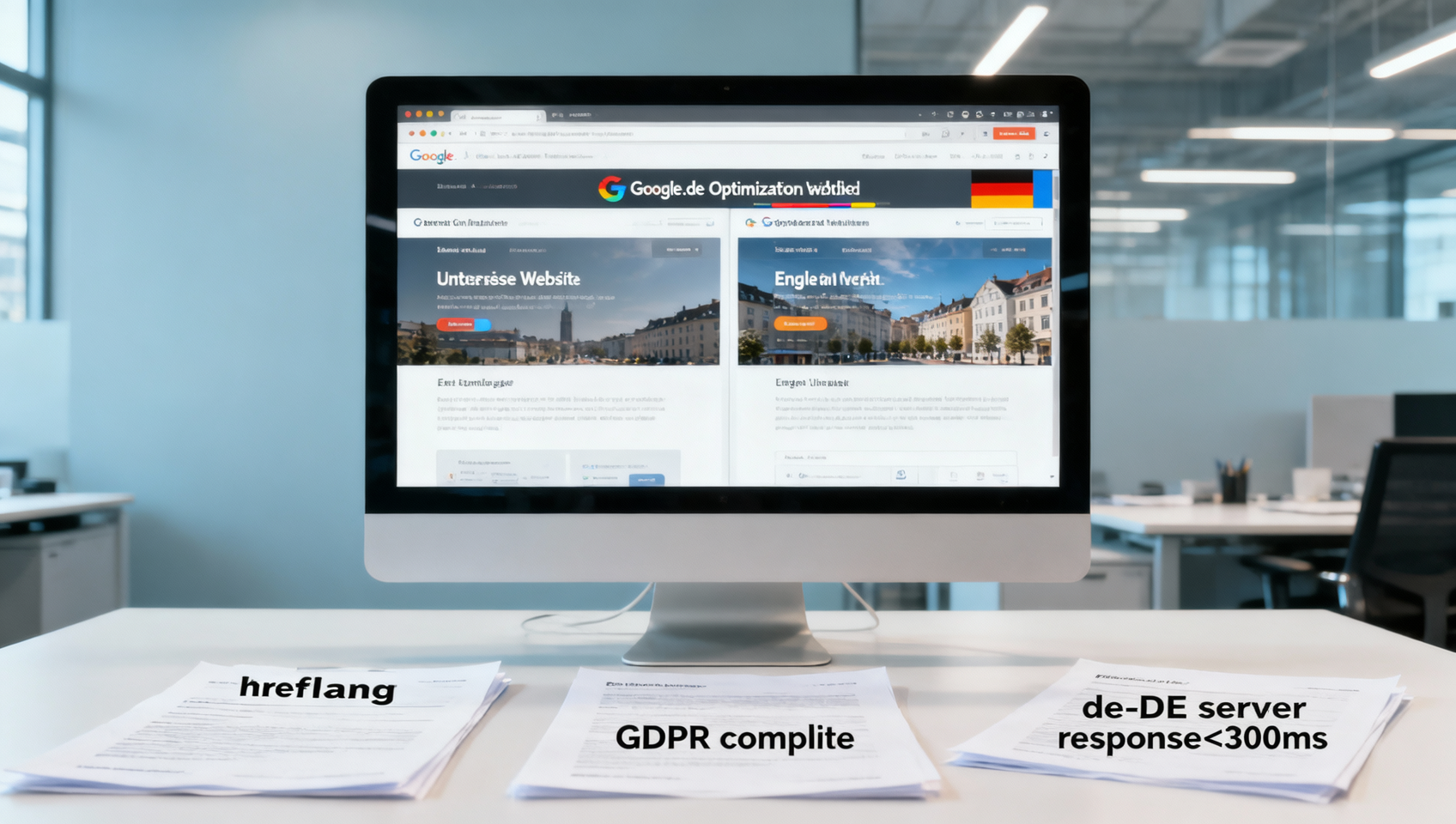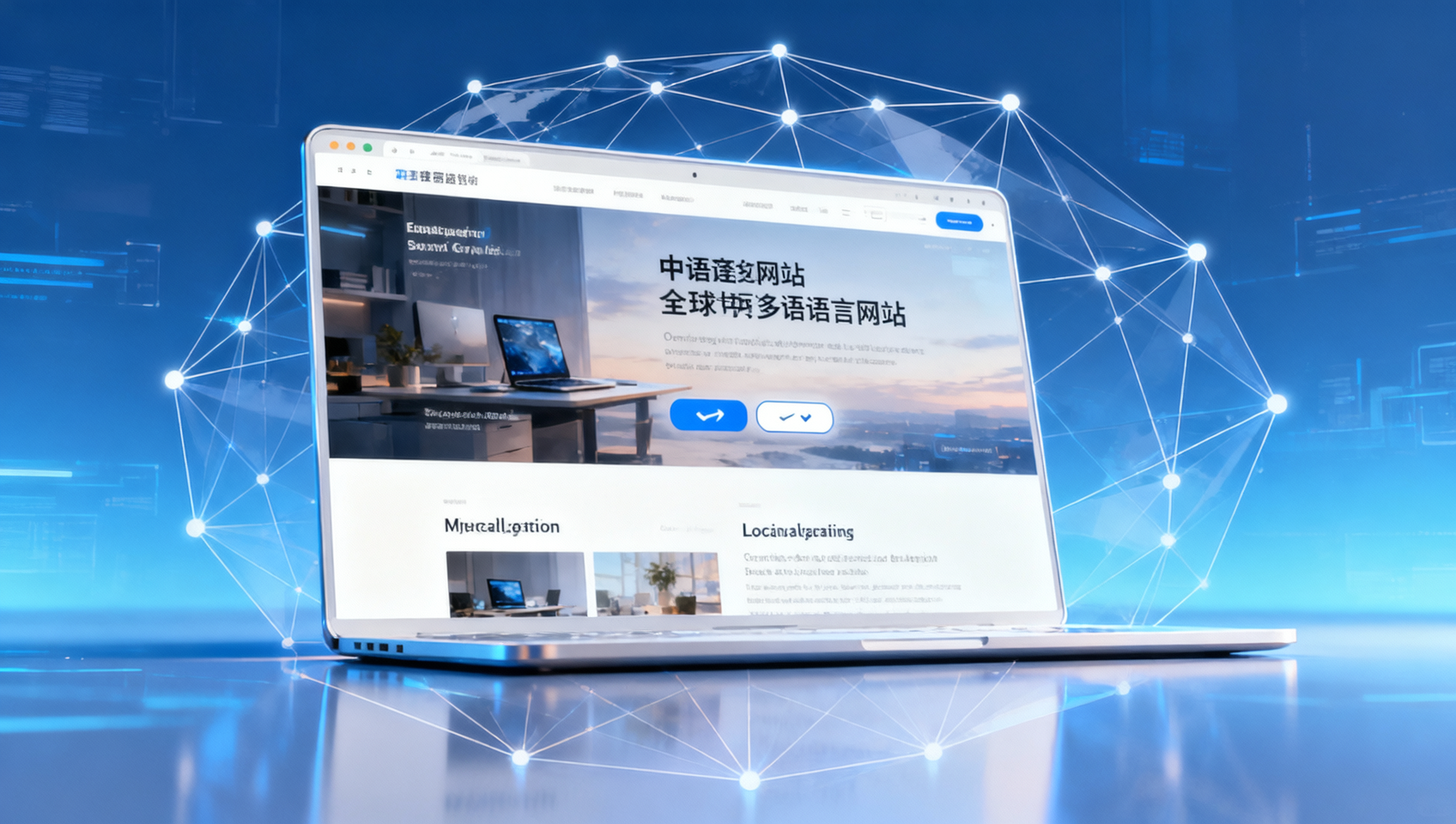
What is a Multilingual Foreign Trade Website?
A multilingual foreign trade website refers to an enterprise website that supports multiple language versions, specifically designed for international market clients. It not only includes basic content translation but also involves localization adaptation, cultural sensitivity adjustments, and search engine optimization strategies tailored to target markets.
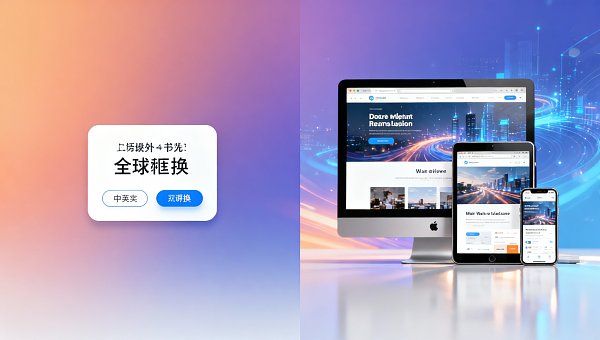
A professional multilingual foreign trade website typically features the following: support for mainstream language switching, responsive design ensuring multi-device compatibility, fast loading speeds, SEO standards compliant with target markets, and localized customer service support.
Based on functional complexity, multilingual foreign trade websites can be categorized into basic, standard, and advanced types. Basic types primarily offer simple language switching; standard types add localized content and SEO optimization; advanced types integrate multilingual CRM, payment systems, and intelligent marketing tools.
Why Do Businesses Need a Multilingual Foreign Trade Website?
In today's fiercely competitive globalized environment, single-language websites can no longer meet the demands of businesses expanding into international markets. Data shows that over 70% of non-native English-speaking consumers prefer browsing and purchasing products in their mother tongue.
Compared to traditional methods, adopting a solution like EasyTrade offers significant advantages: intelligent site-building engines ensure fast global access for multilingual websites; AI marketing algorithms automatically generate high-quality content aligned with local search habits; global acceleration networks guarantee overseas user experience.
For B2B enterprises, professional multilingual websites not only enhance brand image but also significantly improve inquiry conversion rates. For example, after deploying a multilingual website, a heavy machinery industry client served by EasyTrade saw overseas inquiries increase by an average of over 3 times.
Target Audience for Multilingual Foreign Trade Websites
Multilingual foreign trade websites primarily serve the following types of businesses: manufacturers with export operations, cross-border e-commerce companies, international service providers, and brands looking to expand into overseas markets.
Typical application scenarios include: online international exhibition displays, overseas customer self-service inquiries, global distributor management, and multilingual customer support. EasyTrade has provided multilingual website solutions for companies like Haier and Shandong Airlines, helping them effectively expand into European, American, and Southeast Asian markets.
For SMEs, choosing an appropriate multilingual website solution is particularly important. Recommendations include selecting basic, standard, or advanced solutions based on the number of target markets, product complexity, and marketing budget.
Core Application Scenarios for Multilingual Foreign Trade Websites
Multilingual foreign trade websites have broad applications across industries. In machinery manufacturing, they help clients quickly access product specifications and technical documentation; in the chemical industry, they display safety data sheets and compliance certificates.
For global market access standards, the EU requires websites to provide at least English and local official language versions; Middle Eastern markets recommend supporting right-to-left Arabic layouts; Southeast Asian markets require adaptation to local dialects.
EasyTrade's global acceleration network leverages Alibaba Cloud and AWS infrastructure to ensure website access speeds worldwide. For example, a multilingual website deployed for a new energy company maintained latency under 80ms in Europe, significantly improving user experience.
Technical Implementation of Multilingual Foreign Trade Websites
EasyTrade's intelligent site-building engine uses a responsive architecture to ensure perfect adaptation of multilingual websites on PC and mobile. The built-in AI translation module supports intelligent translation for 50+ languages with 95% accuracy.
For quality control, each multilingual website project undergoes rigorous testing: linguistic accuracy checks, cultural adaptation evaluations, SEO friendliness tests, and global access speed monitoring.
For maintenance updates, businesses should refresh multilingual content at least quarterly, with all language versions synchronized for major product launches. EasyTrade's CMS system supports one-click updates, significantly reducing maintenance costs.
ROI Analysis of Multilingual Foreign Trade Websites
The total cost of ownership (TCO) for building a multilingual foreign trade website mainly includes: site construction fees, translation costs, server fees, maintenance fees, and marketing investments. According to EasyTrade client data, the average ROI period is 6-12 months.
Cost optimization recommendations: prioritize development of core market language versions; use AI translation to reduce labor costs; choose integrated solutions like EasyTrade to minimize system integration expenses.
Long-term benefits show that professional multilingual foreign trade websites significantly enhance international competitiveness. For example, one furniture company increased overseas order share from 15% to 40% after deployment, with annual revenue growth exceeding 200%.
Future Trends of Multilingual Foreign Trade Websites
With AI advancements, multilingual foreign trade websites are evolving toward intelligent solutions. EasyTrade's 2025 AI Foreign Trade Standalone Marketing System will achieve full automation in ad placement, content generation, and customer service.
Industry trends indicate: voice search optimization will become key for multilingual SEO; AR/VR technologies will enhance product display effects; blockchain may protect multilingual content copyrights.
Businesses are advised to adopt these technologies early to maintain competitive advantages. EasyTrade will continue R&D investments to provide cutting-edge multilingual foreign trade website solutions.
 How long does it take to synchronize the Japanese and Spanish versions of a multilingual foreign trade website? Time allocation for the three phases: content translation, SEO adaptation, and local payment integrationHow long does it take to build a multilingual foreign trade website? EYINGBAO SaaS website system supports simultaneous launch of Japanese + Spanish versions, with integrated AI translation + SEO adaptation + local payment, fastest in just 15 working days!
 How to determine which website development company offers the best multilingual support?How to judge which website building service provider offers the best multilingual support? Focus on the platform's search engine optimization (SEO) services, SEO keyword research capabilities, website design pricing transparency, and ongoing maintenance costs. This article addresses questions such as how to choose a platform for multilingual website building and whether multilingual websites for international trade will affect SEO, helping you quickly select a reliable service provider.
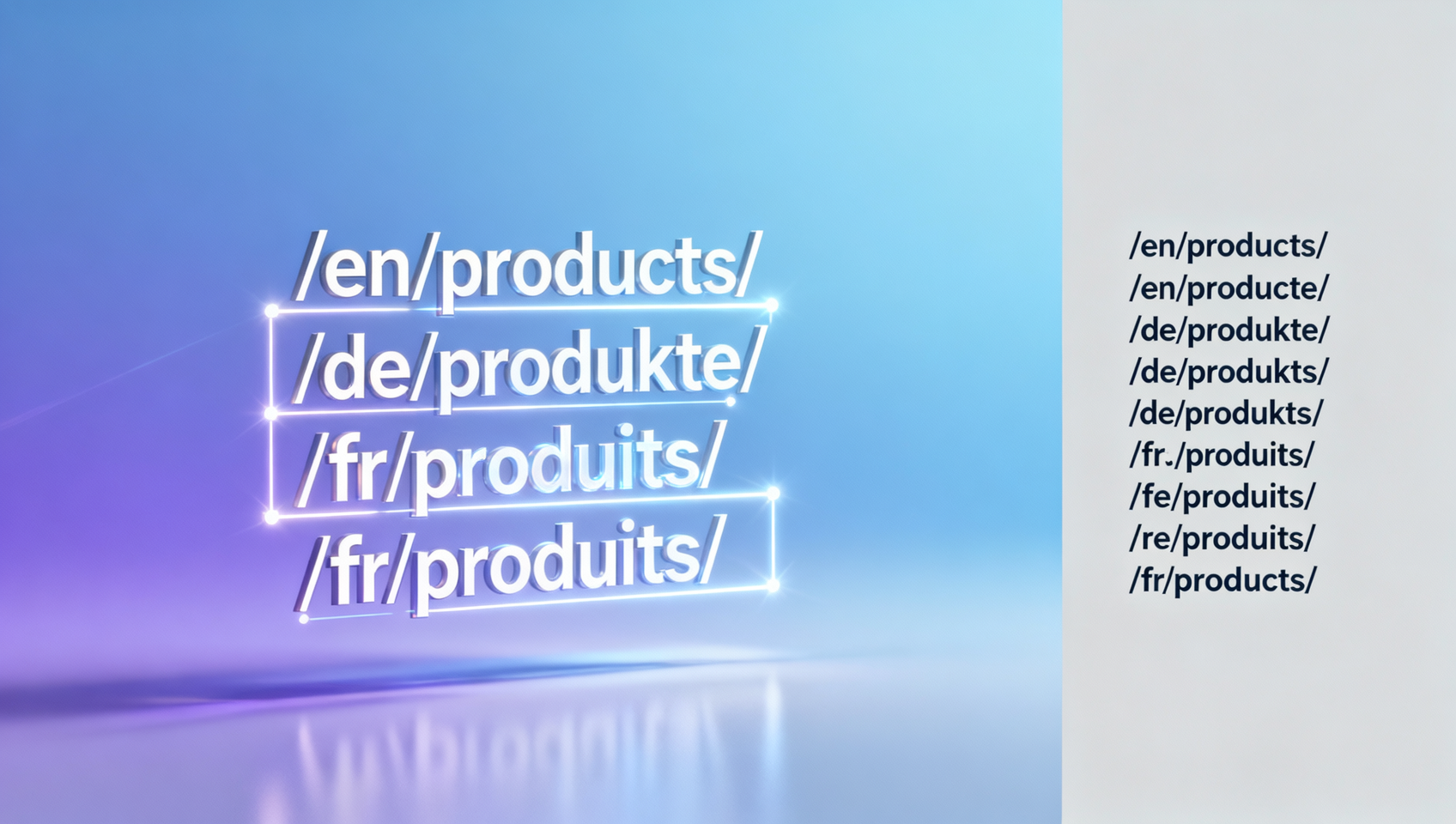
 How to maintain a multilingual foreign trade website after construction? Most people only focus on translation updates, forgetting URL structure consistencyHow to maintain a multilingual foreign trade website after construction? As a professional SEO company, EYINGBAO reveals the critical impact of URL structure consistency on SEO, multi-device adaptation, and traffic conversion!
 Is Yíngbǎo's multilingual foreign trade website reliable? Actual test shows its automatic translation engine has only 61% accuracy for German technical terminologySEO optimization company's in-depth test: Is Yíngbǎo's multilingual foreign trade website reliable? German technical translation accuracy is only 61%. Will multilingual websites affect SEO? Get free 《Multilingual SEO Health Diagnostic Report》
 Completed the SSL certificate application process but still showing 'Not Secure'? It might be due to unsubmitted HSTS preload list.Completed the SSL certificate application process but still showing 'Not Secure'? Likely caused by unsubmitted HSTS preload! Professional SEO agency + cross-border website builder E-Commerce Treasure provides HSTS compliance diagnosis and full-process delivery, ensuring multilingual export website SEO, security and conversion rates.
 How to Maintain a Multilingual Foreign Trade Website After Construction? WordPress Multilingual Plugin Updates Often Cause WPML CrashesHow to Maintain a Multilingual Foreign Trade Website After Construction? WPML Updates Frequently Cause Crashes! Professional SEO Company Easy Treasure Provides SSL Certificate Application, Traffic Monitoring, SEO Optimization, and Multi-Device Responsive One-Stop Services.
 How long does it take for Yingbao Global Digital Marketing Services to deliver localized content?How to Choose a Platform for Multilingual Website Development? EasyCamp Global Digital Marketing Services combines AI and localization for efficient delivery in 7–15 days—a reliable choice for international website development!
 Is it difficult to promote a multilingual foreign trade website after launch? Does the German market require separate SEO optimization?Is the cost of building a multilingual foreign trade website high? The German market must have separate SEO optimization! Detailed explanation on how to choose a service provider for multilingual foreign trade websites, risks and promotion strategies for B2B website building, helping you efficiently enter the DACH market.