









- What New Signals Are Emerging in Enterprise Services SaaS Marketing ReportsJul 27, 2026View details
- What Does a Global Traffic Ecosystem Service Provider Do? What Are the Differences from a Single Advertising AgencyJul 16, 2026View details
- What should you focus on in the latest enterprise SaaS report? From renewal rates and delivery costs to overseas growth opportunitiesJul 12, 2026View details
- What signals are worth paying attention to in a cross-border marketing trend report? B2B companies should look at these 6 signalsJul 11, 2026View details
- How to Read a Cross-Border Marketing Trends Report? Five Key Dimensions for Evaluating Channel OpportunitiesJul 11, 2026View details
- Which channel has the highest ROI in the global traffic ecosystem? Comparative analysis of search, social media, and advertisingJul 10, 2026View details
Which is more suitable for the European market, Google Ads or Yandex Ads? A look at the conversion rate gap
Overview of Digital Advertising Landscape and Key Channels in the European Market
In the European market, how do Google Ads and Yandex Ads compare in terms of strengths and weaknesses? This article combines conversion rate data to deeply explore the key considerations for foreign trade enterprises when choosing between SEO optimization and AI-powered smart advertising systems, helping B2B and B2C websites achieve precise traffic acquisition and efficient growth. The current digital advertising structure is undergoing a profound transformation from "traditional exposure" to "smart conversion." The online ecosystem in Europe is dominated by Google and Meta, but with the deepening reliance on local search engines in Russia and Eastern European markets, Yandex is rapidly emerging as a new force. For enterprises focused on international website development, understanding the differences in data ecosystems across advertising platforms is the primary prerequisite for formulating precise marketing strategies. Industry data shows that Google Ads still accounts for over 70% of click share in Western European countries, while Yandex leads in conversion rates in Russian-speaking regions and Eastern European markets, particularly excelling in manufacturing, education, and cross-border e-commerce B2B projects. Decision-makers in enterprises often face a core dilemma: What are the differences in promotion between B2B and B2C websites? B2C marketing emphasizes quick reach and emotional visual appeal, while B2B marketing focuses more on precise lead generation, content professionalism, and deep conversion tracking. This means that when selecting a platform, beyond budget and traffic scale, enterprises should also evaluate how to choose the right SEO optimization company to ensure synergy between search and ad placements. Especially in Yandex ad placements, due to differences in keyword matching, review standards, and regional targeting, advertisers who fail to prepare adequately may experience budget wastage or low conversion rates. From a website operation perspective, how much does fast indexing help SEO? The answer is obvious. Higher search engine recognition leads to stronger brand exposure, and keyword rankings and organic traffic growth become more sustainable. For foreign trade websites using templates, it is recommended to choose intelligent website systems with structured data and multilingual optimization capabilities to better meet the needs of international markets.
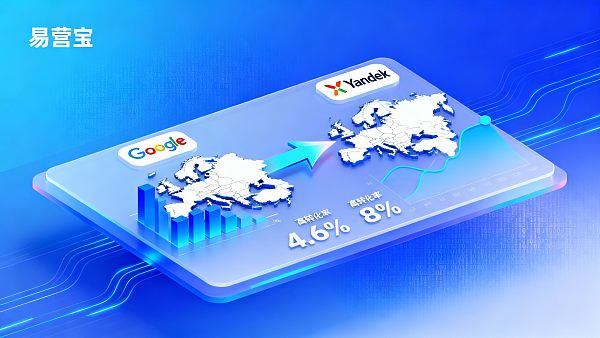
Conversion Rate Analysis: Core Differences Between Google and Yandex
In terms of ad performance, the ROI of ads in the European market is influenced by multiple factors, including regional culture, user behavior habits, search algorithm differences, and content localization levels. Comparative surveys show that Google Ads in Western European countries like Germany, the UK, and France have an average conversion rate of 4.6%-6.2%, while Yandex in Russia, Belarus, and Ukraine reaches 8%-11%. This indicates that different markets require different ad strategies. In the Google ecosystem, can AI-powered smart ad systems truly improve ROI? The answer is yes. By using machine learning algorithms to assess keyword competitiveness and commercial value, ad bids and audience targeting can be optimized in real-time for precision marketing. The AI+SEO dual-engine optimization service launched by Yiyingbao Information Technology (Beijing) Co., Ltd. is designed to address multi-regional placement pain points. Its core features include AI-driven keyword mining, content generation, automated website structure optimization, image ALT tag optimization, and real-time content performance monitoring, enabling dynamic synergy between ad strategies and SEO content to further enhance ROI. Additionally, is B2B website construction more costly? While it appears higher than traditional B2C websites, high-quality B2B showcase sites can significantly reduce lead acquisition costs through intelligent content and SEO synergy over the long conversion cycle. For example, using AI-driven TDK generators and technical SEO audits can save over 30% in labor costs. Notably, in Yandex ad placements, the biggest risks lie in complex account structures and difficult-to-control matching patterns. Enterprises are advised to use AI diagnostic tools or similar AI ad management systems to assess click quality and bounce rates from multiple dimensions, reducing invalid click wastage and improving effective conversions.
AI Marketing Trends and the Integration Direction of SEO Strategies
AI marketing has become the second growth engine for foreign trade enterprises. What technical support will future international website development require? Beyond language adaptation and data security, the most critical aspect is the systematic integration of AI algorithms and big data, such as Yiyingbao’s AI marketing engine, which enables scalable content production through "AI keyword expansion + SEO content generation + traffic analysis." In cross-border SEO trends, multilingual one-click generation, technical SEO audits, mobile performance optimization, and backlink quality management are becoming foundational capabilities. For enterprises aiming for stable rankings in the European market, optimizing structured data and internal link quality can significantly improve search visibility. Compared to traditional manual methods, AI-driven systems increase content production efficiency by 300%, enhance ranking stability, and automatically fix performance bottlenecks. At the ad strategy level, how can foreign trade inquiry volume be improved? Beyond precise ad placements, content marketing is needed to build a complete user trust loop. For example, differentiated landing page designs for B2B/B2C scenarios, CTA trigger optimization, and localized customer service systems can enhance user engagement. Practice shows that integrating AI technology with SEO can achieve a leap from "exposure growth" to "sales growth." Notably, intelligent website performance monitoring systems can instantly diagnose loading speed issues and output "page loading speed diagnosis and one-click optimization solutions," significantly improving user dwell time and conversions.
Case Study: Advertising Optimization Paths for European Foreign Trade Enterprises
Take a China-based machinery equipment manufacturer exporting to Europe as an example. In the first two months using Google Ads, its average conversion rate was 3.8%, with high costs and a 60% bounce rate. After integrating the AI+SEO dual-engine optimization service, the system automatically generated matrix-based ad plans based on keyword competitiveness and optimized landing page loading speeds and structures. Within a quarter, CTR increased by 32%, conversion rates reached 6.7%, and ad costs dropped by 28%. Testing Yandex in the same period saw a surge in potential client inquiries in Russian-speaking markets, highlighting regional advantages. This case demonstrates that deep integration of AI and SEO is the core path for foreign trade enterprises to reduce costs and increase efficiency. Whether Google or Yandex, the focus is not platform selection but continuous optimization capabilities based on data and algorithms. For high-standard B2B websites, AI-driven internal link building and structured data optimization help algorithms better understand page themes, shortening search engine recognition cycles. As AI penetrates ad creative generation, keyword strategy formulation, and performance analysis, the hybrid model of "machine learning optimization + manual strategy correction" has become the mainstream competitive standard in the European market.
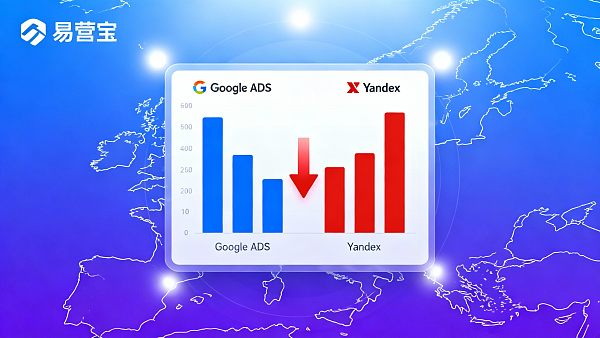
Future Trends: From Smart Placements to Smart Marketing Ecosystems
In the next three years, AI will play a decisive role in Europe’s ad ecosystem. Addressing doubts like "Can AI-powered smart ad systems truly improve ROI?" practice has shown that through big data modeling and automated optimization algorithms, advertisers can achieve a 30%+ average conversion rate increase under unchanged budgets. AI can also build dynamic content versions for different countries or languages, truly realizing "user behavior-driven content." For foreign trade enterprises, combining fast indexing with ad intelligence can significantly boost marketing efficiency. By introducing AI automation components into SEO strategies, such as smart meta tag generation, cross-language page compliance validation, and ad copy A/B testing, websites can quickly pass Google and Yandex crawler reviews, accelerating new content indexing. Moreover, how foreign trade enterprises choose the right SEO optimization company is also a key factor affecting ROI. Priority should be given to partners with AI algorithm models, independent data platforms, and international ad agency qualifications. Enterprises should also be aware of risks in Yandex ad placements, such as regulatory compliance, strict content reviews, and data interface security. Choosing cloud marketing platforms deployed on AWS or Alibaba Cloud can effectively ensure ad continuity and security. It is foreseeable that AI will evolve from single-point optimization to a systemic ecosystem, continuously optimizing webpage structures, ad creatives, and traffic paths through machine learning to achieve long-term "data-driven growth" value.
Conclusion: Driving Global Growth for Foreign Trade Enterprises with Intelligence
Overall, Google Ads and Yandex Ads each have their strengths in the European market. The former excels in broad coverage, mature algorithms, and suitability for Western Europe and high-consumption markets, while the latter leverages localized vocabulary and high language adaptation rates for stronger competitiveness in Eastern Europe and Russian-speaking regions. Regardless of the platform, the focus should be on technology-driven integration of SEO and AI strategies. Yiyingbao Information Technology (Beijing) Co., Ltd., with a decade of industry experience, has reshaped cross-border marketing ecosystems with AI+big data. Its innovative concepts have helped over 100,000 enterprises transition from exposure to conversion. For foreign trade enterprises looking to boost overseas inquiries and ad ROI, the combination of smart website construction and ad placements will be key to future competition. As the market shifts from "information coverage" to "user connection," the essence of marketing is no longer about budget size but whether technology can ensure ads precisely reach target clients. Learn more solutions now and embark on your global marketing intelligence journey, letting your brand be seen by the world.
- Website Development
- Google Ads
- B2B website
- Google Ads
- Yandex Advertising
- International Website Development
- SEO Optimization Company
- Cross-border Marketing
- Yiyingbao
- SEO
- Smart website builder system
- SEO Optimization
- Smart Website Building
- AI Marketing Engine
- Yandex ad placement
- Inquiry Form
- cross-border e-commerce
- AI Marketing
Related Articles
Related Products
 EasyCamp SaaS Smart Website Marketing SystemE-Yingbao SaaS Smart Website Marketing System: AI-powered, zero-code website building. Rapidly launch multilingual independent e-commerce sites in just 10 minutes. Global server acceleration and AI-driven SEO optimization empower businesses to efficiently connect with global markets. The seamless integration of technology and user-friendly operation makes building e-commerce sites incredibly simple.
 AI+SEM Intelligent Advertising Marketing SystemAI+SEM drives intelligent ad creation, empowering full-funnel precision advertising marketing. The system automatically generates weekly/monthly reports, AI recommends keywords and target countries, monitors core metrics in real-time with intelligent alerts, and enables one-click high-conversion ad solutions to help quickly acquire customers and improve ROI.
 AI+SEO Dual Engine Optimization ServiceEasyWin AI+SEO Dual Engine Optimization System leverages AI-powered keyword mining, content generation, and comprehensive technical optimization to help foreign trade enterprises acquire high-quality organic traffic, significantly improving search rankings and conversion rates.
 AI+SNS Social Media Marketing SystemYingbao AI+SNS Social Media Marketing System - Precision social capture for the social media era. Supports one-click content synchronization across major platforms like Facebook and LinkedIn. AI intelligently rewrites posts for enhanced relevance. 24/7 AI customer service and user profiling analysis empower businesses to efficiently expand into global markets.
 AI+SEO营销解决方案易营宝AI+SEO营销解决方案,通过AI批量写作、智能生成TDK、精准关键词扩词等功能,全面优化网站SEO效果,提升流量与转化率。助力企业构建高效智能网站新生态。
 AI+SEM Advertising Marketing SolutionsAI+SEM Advertising Marketing Solution leverages AI technology to deeply empower SEM ad campaigns. It automatically generates weekly/monthly reports using AI, presenting account data across multiple dimensions for comprehensive insights into campaign performance and trends. The system precisely recommends keywords and target countries, intelligently generates high-conversion ad copy, and enables one-click activation of efficient campaign plans to help businesses rapidly acquire customers. Simultaneously, it monitors core metrics in real time, intelligently identifies abnormal fluctuations, and issues timely alerts to ensure stable, high-return advertising results.
 Domain Name ServicesEasyWin provides professional domain name services, including intelligent queries, one-stop registration, brand protection, and full lifecycle management, helping businesses build a digital brand image.
 EasyOperate B2C Cross-Border E-Commerce Platform & Independent WebsiteEasyStore B2C Cross-border E-commerce Independent Store is an intelligent website building and cross-border e-commerce integrated solution independently developed by EasyStore Information Technology (Beijing) Co., Ltd. The system is specially designed for small and medium-sized as well as large export enterprises, integrating 'website building, operation, marketing, advertising, and conversion' into one, helping enterprises quickly establish cross-border e-commerce independent stores to achieve brand globalization and global sales growth.
The platform supports multiple languages, multiple currencies, and multi-channel marketing, with built-in AI intelligent translation and SEO optimization systems, suitable for mainstream markets such as Southeast Asia, Europe and America, Latin America, and the Middle East, assisting Chinese manufacturing enterprises in efficiently deploying international e-commerce strategies. SSL证书易营宝提供专业SSL安全证书服务,包括单域名和泛域名证书,确保网站数据传输加密、身份验证和完整性保护,助力企业建立安全可信的在线业务环境。









