









- What Does a Global Traffic Ecosystem Service Provider Do? What Are the Differences from a Single Advertising AgencyJul 16, 2026View details
- What should you focus on in the latest enterprise SaaS report? From renewal rates and delivery costs to overseas growth opportunitiesJul 12, 2026View details
- What signals are worth paying attention to in a cross-border marketing trend report? B2B companies should look at these 6 signalsJul 11, 2026View details
- How to Read a Cross-Border Marketing Trends Report? Five Key Dimensions for Evaluating Channel OpportunitiesJul 11, 2026View details
- Which channel has the highest ROI in the global traffic ecosystem? Comparative analysis of search, social media, and advertisingJul 10, 2026View details
- What multilingual website services are available in Sanya? Which model is more suitable for local businesses going global?Jul 08, 2026View details
- How to view the complete list of China SaaS companies in the top 100? Practical methods for screening website-building and marketing service providersJul 08, 2026View details
- How to view pricing in the global traffic ecosystem? Cost comparison of search, social media, and content channel advertisingJul 06, 2026View details
Is It Reliable When a Website SEO Optimization Company Promises First-Page Rankings
Many website SEO optimization companies claim they can quickly get you onto the first page, but behind such promises often lie differences in search engine ranking factors, optimization methods, and service capabilities. This article will start from the logic of search engine optimization services and analyze whether such promises are trustworthy.
Conclusion first: why promises of “getting onto the first page” should not be taken at face value

For information researchers and business decision-makers, the most persuasive claims are often phrases like “reach the first page in 7 days” or “ranking guaranteed in 30 days.” But website SEO optimization is not a fixed deliverable. It is an ongoing project jointly influenced by industry competition, website foundation, content quality, backlink structure, page experience, and many other factors.
If a company directly promises first-page rankings before understanding industry keyword difficulty, site history, technical architecture, and content volume, its credibility is usually not high. Even within the same industry, the optimization cycle for different keywords may range from 4 weeks to more than 3 months, so it cannot be generalized.
Especially in an integrated website + marketing service scenario, SEO results depend not only on publishing articles, but also on site architecture, conversion paths, landing page logic, data tracking, and advertising coordination. Promising rankings alone without discussing technology and the marketing closed loop often means the service chain is incomplete.
For technical evaluators, project leaders, and quality control personnel, what truly deserves attention is not simply “whether it can get onto the first page,” but whether the service provider has systematic capabilities across the 4 stages of diagnosis, implementation, monitoring, and correction, and whether it can further convert traffic into inquiries and orders.
Which promises require greater caution
Common risks do not lie in “doing SEO” itself, but in a serious disconnect between service claims and actual execution. Many companies only discover after purchasing that the so-called optimization includes only a small amount of article publishing, low-quality backlink building, or template-based page stuffing, resulting in unstable rankings and even affecting the website’s long-term performance.
- Promising first-page rankings for core keywords directly without keyword layering, while ignoring the different difficulty levels of branded keywords, long-tail keywords, and transactional keywords.
- Reporting only results without explaining optimization methods, delivery milestones, monthly workload, and risk boundaries.
- Using short-term results as a selling point and adopting high-risk practices such as content scraping, spam backlinks, and doorway pages.
- Looking only at rankings while ignoring lead quality, bounce rate, page dwell time, and conversion paths.
Therefore, the core of judging whether a website SEO optimization company is trustworthy is not whether its promises sound impressive, but whether it is willing to clearly explain uncertainties, break down phased goals, and define service boundaries.
What exactly are search engine optimization services optimizing

SEO is not a single action, but the combined result of website building, content production, technical fixes, and marketing coordination. For corporate websites, brand sites, product sites, and franchise recruitment sites, search engines place more emphasis on whether a page can answer user questions, whether it has a clear structure, and whether it continuously provides effective information.
A standard optimization project usually includes at least 3 categories of foundational work: on-site technical optimization, content system development, and external signal expansion. If a website has issues such as indexing abnormalities, slow loading speed, or poor mobile adaptation, simply promising rankings is often just marketing language.
For after-sales maintenance personnel and roles related to security management, additional attention should also be paid to basic items such as server stability, access security, form anti-spam submission, and log monitoring. Because stable site operation is the foundation for long-term SEO accumulation, if the site becomes inaccessible for 3 consecutive days, it may affect existing performance.
Easy-Biz Information Technology (Beijing) Co., Ltd., since its establishment in 2013, has used artificial intelligence and big data as its core driving forces to integrate intelligent website building, SEO optimization, social media marketing, and advertising placement into one integrated solution. This is especially critical for enterprises seeking global growth, because traffic acquisition should not be an isolated action, but should serve business conversion.
The 6 capabilities that should be evaluated most in an SEO project
The table below is more suitable for buyers, technical evaluators, and distribution agency channels to use during the initial comparison stage. It is more valuable for reference than simply looking at quotations, and it also better reveals the true substance behind promises of “getting onto the first page.”
From a procurement perspective, SEO optimization services should at least be able to answer these 5 questions: “What is being optimized, how often is performance reviewed, which keywords are prioritized, which pages are revised first, and how are risks avoided?” Only by answering clearly can a first-page promise be supported by a method, rather than relying solely on sales talk to close deals.
Why integrated capabilities matter more than ranking alone
Many companies understand SEO as “publishing content + building backlinks,” but that is actually only part of it. If a corporate website has a confusing navigation structure, non-standard URLs, or broken mobile conversion paths when it is built, then no amount of content will steadily accumulate search performance. Coordination between website and marketing is the key to long-term rankings and inquiry growth.
This is also why more and more companies tend to choose service providers with coordinated capabilities in website building, SEO, social media, and advertising placement. Because a visitor brought in by a keyword still needs to be captured later through landing pages, forms, customer service, or remarketing mechanisms in order to form a lead conversion loop.
When purchasing website SEO optimization services, what should companies focus on
For business decision-makers, there are 2 things they fear most when purchasing SEO services: first, spending the budget without getting business results; second, using aggressive methods that damage the website’s long-term assets. Therefore, during the comparison stage, it is recommended not to focus only on “first-page promises,” but to make a comprehensive judgment from the 4 dimensions of delivery, risk, timeline, and coordination.
In general, the foundational optimization cycle for a new site is commonly 1–2 months, while content and keyword accumulation usually requires 2–4 quarters of observation before entering a stable stage. If it is an old site redesign, has indexing confusion, or has a history of non-standard operations, the initial correction period will be even longer, which is common in the industry.
Technical evaluators should focus on confirming whether log analysis, page template optimization, structured layout, on-site search strategy, and mobile compatibility are supported. Project leaders should pay more attention to whether the schedule is clear, such as how many pages, how many pieces of content, and how many technical fixes are delivered each month.
Some industry clients also need cross-department coordination. For example, the marketing department cares about lead volume, IT cares about deployment methods, and quality control and security positions care about site stability and permission control. In such cases, whether the service provider can offer a multi-role communication plan directly affects project implementation efficiency.
A decision table you can use directly during vendor selection
If you are screening website SEO optimization companies, the table below can serve as a preliminary due diligence template. It is quite practical for procurement teams, distributors, agents, and end-user enterprises alike.
The 4 categories of checklist items in the table are essentially used to judge whether the service is sustainable. Truly reliable website SEO optimization is not just about causing short-term fluctuations in a few keywords, but about gradually enabling the website to form stable indexing, continuous exposure, and traceable conversion capability.
5 questions recommended to confirm before procurement
- How many target keywords are in the keyword pool, and are they managed in layers by core keywords, long-tail keywords, and scenario keywords?
- What specific technical corrections will be made in the first month, and can an issue list and priorities be delivered?
- Is the content originally planned, and is the monthly update frequency 4 articles, 8 articles, or higher?
- In addition to rankings, are conversion indicators such as inquiries, form submissions, and phone clicks tracked simultaneously?
- If algorithm fluctuations or page anomalies occur, is there a response and handling mechanism within 48 hours?
Some companies also simultaneously evaluate knowledge content and professional image building. For example, in specialized fields such as industry, engineering, and financial audit, professional content pages themselves are also important assets for enhancing trust. Content-oriented pages similar to Research on Common Problems and Countermeasures in Final Financial Audit of Basic Construction Project Completion are more suitable for capturing professional traffic through structured layout and long-tail search coverage.
Common misconceptions, risks, and more prudent implementation methods
Many companies misunderstand SEO by treating the “first page” as the only goal and “speed” as the only standard. In fact, first-page positions fluctuate depending on search terms, region, device, and time. What should truly be pursued is stable exposure, visits from target users, and growth in convertible pages.
Another common misconception is buying only standalone SEO services while ignoring the underlying website structure. If a website has navigation levels that are too deep, landing pages that cannot be expanded, or content templates that cannot be generated in batches, then subsequent optimization costs will continue to rise, and even each new page addition may require extra development.
For project managers and after-sales maintenance personnel, a more prudent approach is to advance in 3 stages: stage 1 focuses on diagnosis and repair, stage 2 focuses on content and page construction, and stage 3 focuses on data review and conversion improvement. This not only controls risks, but also facilitates cross-department coordination.
If an enterprise has overseas markets, channel recruitment, or multilingual needs, the advantages of integrated services become even more obvious. Relying on artificial intelligence and big data capabilities, together with localized service experience, Easy-Biz can coordinate website building, SEO, social media, and advertising placement, reducing the communication loss caused by switching among multiple vendors.
FAQ: a few of the most frequently asked questions by enterprises
1. A website SEO optimization company says it can “guarantee a first-page ranking.” Can this be written into the contract?
You can specify the target keyword scope, phased goals, work content, and review mechanism, but it is not recommended to uniformly write all keywords as rigid first-page commitments. A more reasonable approach is to set goals in layers according to the keyword pool, for example prioritizing improvement of branded keywords and long-tail keywords, while evaluating highly competitive core keywords quarterly.
2. How long does it usually take to see SEO results?
A common situation is that technical corrections and indexing improvements can be seen in the first month, growth in some long-tail keywords can be seen in 2–3 months, and more stable organic traffic gradually forms in 3–6 months. If industry competition is intense or the website foundation is weak, the cycle will be extended, which is normal.
3. Is it okay to do only SEO without changing the website?
If the website foundation is good, local optimization can be done first; however, most enterprise websites have issues with structure, speed, mobile experience, or content templates. Doing only SEO without changing the website usually limits the effect. An integrated website + marketing service solution is more suitable for medium- and long-term planning.
4. How can you tell whether content is truly serving the business?
Looking at 3 indicators is enough: whether it covers the target customers’ search questions, whether it has clear product or service conversion points, and whether it brings form submissions, consultations, or repeat visits. If only pageviews increase while valid leads do not, it means the content strategy needs adjustment. Professional informational pages, such as Research on Common Problems and Countermeasures in Final Financial Audit of Basic Construction Project Completion, should also be structured around target user intent.
Why choose us: more important than a “first-page promise” is a growth closed loop
If your team is evaluating website SEO optimization companies, it is more advisable to first confirm whether the solution covers website building, SEO, content, conversion, and media buying coordination, rather than simply comparing whose promises are more aggressive. For enterprises seeking stable growth, this judgment will directly affect input-output performance over the next 6–12 months.
Easy-Biz Information Technology (Beijing) Co., Ltd. was established in 2013 and is headquartered in Beijing. With 10 years of deep experience in digital marketing, it adopts a dual-wheel strategy of “technological innovation + localized service” to provide enterprises with full-chain solutions for intelligent website building, SEO optimization, social media marketing, and advertising placement, and has already served more than 100,000 enterprises in achieving global growth.
For information researchers, technical evaluators, and business decision-makers, the content we can further discuss includes: current website diagnosis, layered keyword strategy, page structure optimization, delivery cycle planning, content update frequency, conversion path design, and coordinated solutions for multilingual market promotion.
If what you care about is not just “whether it can get onto the first page,” but “how to obtain valid traffic and inquiries more steadily,” you can now consult us regarding parameter confirmation, solution selection, budget range, quarterly goals, and implementation scheduling. Only by clarifying the goals can you find a website SEO optimization solution that truly fits your company’s current stage.
Related Articles
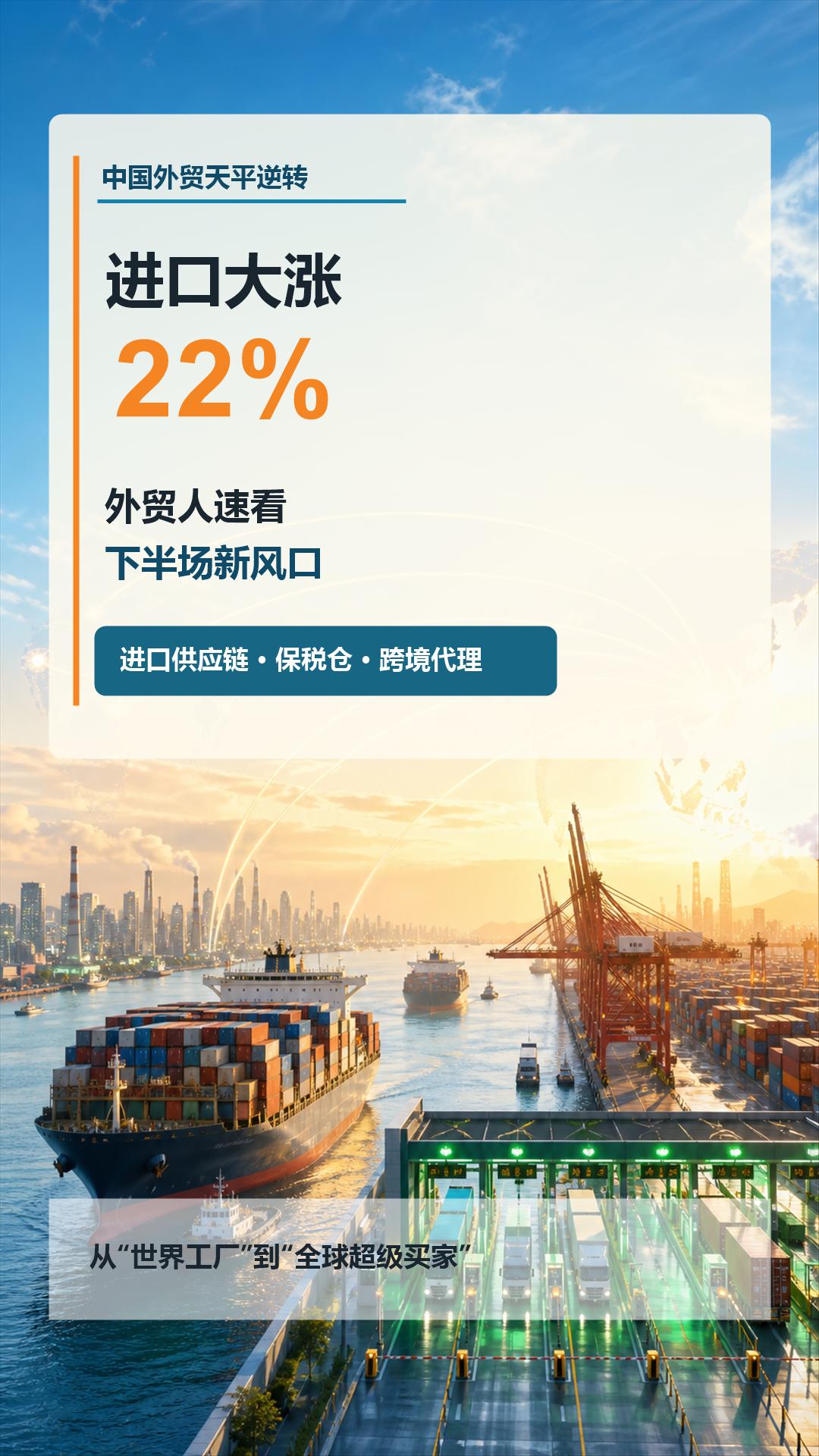
 China's foreign trade sees a turnaround: imports surge by 22%! Foreign trade professionals should quickly take note of the new trends in the second half of the year
 What Does a Global Traffic Ecosystem Service Provider Do? What Are the Differences from a Single Advertising Agency
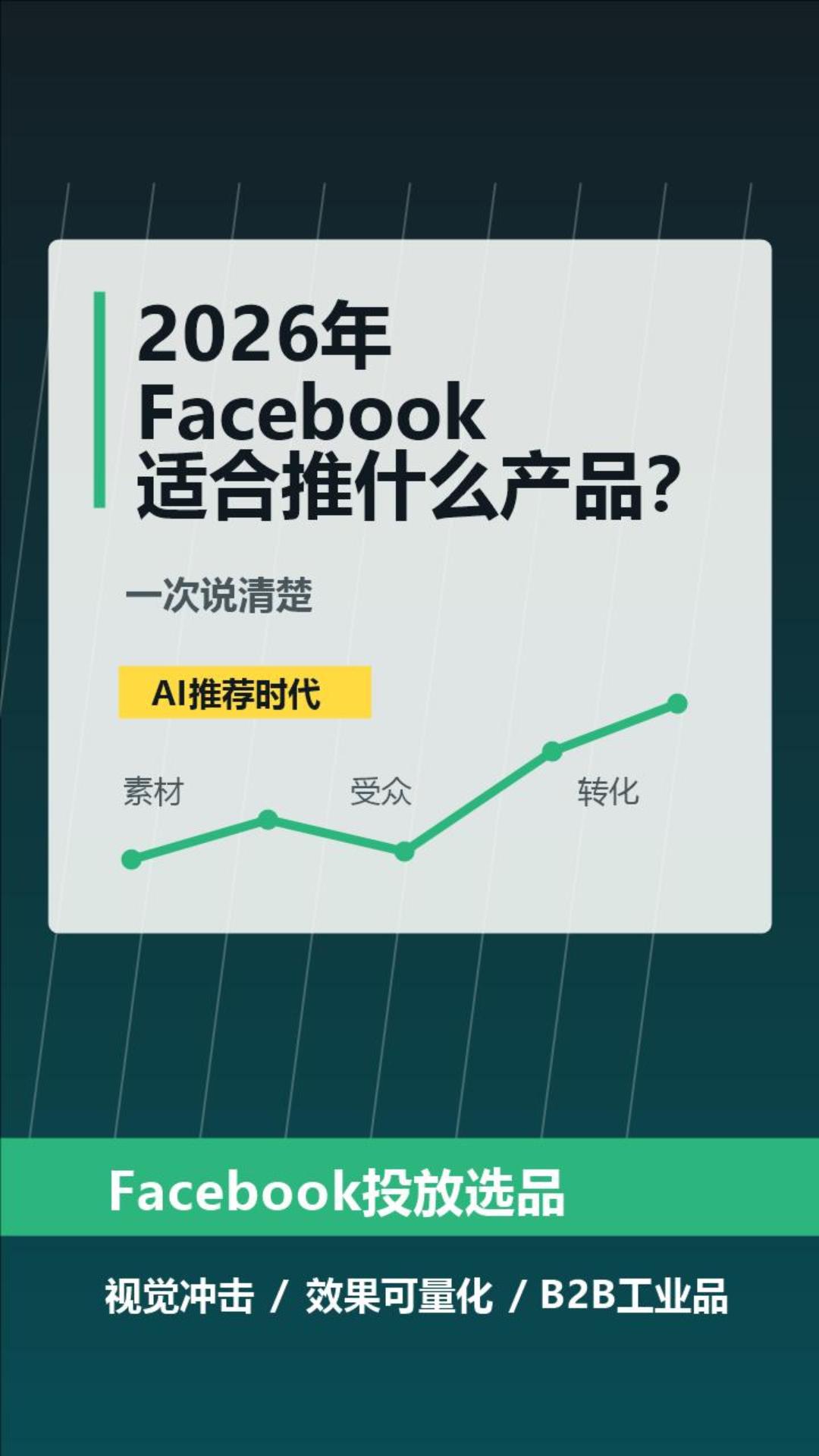
 What Products Are Suitable for Facebook in 2026? Explained Clearly at Once
Related Products
 EasyCamp SaaS Smart Website Marketing SystemE-Yingbao SaaS Smart Website Marketing System: AI-powered, zero-code website building. Rapidly launch multilingual independent e-commerce sites in just 10 minutes. Global server acceleration and AI-driven SEO optimization empower businesses to efficiently connect with global markets. The seamless integration of technology and user-friendly operation makes building e-commerce sites incredibly simple.
 AI+SEM Intelligent Advertising Marketing SystemAI+SEM drives intelligent ad creation, empowering full-funnel precision advertising marketing. The system automatically generates weekly/monthly reports, AI recommends keywords and target countries, monitors core metrics in real-time with intelligent alerts, and enables one-click high-conversion ad solutions to help quickly acquire customers and improve ROI.
 AI+SEO Dual Engine Optimization ServiceEasyWin AI+SEO Dual Engine Optimization System leverages AI-powered keyword mining, content generation, and comprehensive technical optimization to help foreign trade enterprises acquire high-quality organic traffic, significantly improving search rankings and conversion rates.
 AI+SNS Social Media Marketing SystemYingbao AI+SNS Social Media Marketing System - Precision social capture for the social media era. Supports one-click content synchronization across major platforms like Facebook and LinkedIn. AI intelligently rewrites posts for enhanced relevance. 24/7 AI customer service and user profiling analysis empower businesses to efficiently expand into global markets.
 AI+SEO营销解决方案易营宝AI+SEO营销解决方案,通过AI批量写作、智能生成TDK、精准关键词扩词等功能,全面优化网站SEO效果,提升流量与转化率。助力企业构建高效智能网站新生态。
 AI+SEM Advertising Marketing SolutionsAI+SEM Advertising Marketing Solution leverages AI technology to deeply empower SEM ad campaigns. It automatically generates weekly/monthly reports using AI, presenting account data across multiple dimensions for comprehensive insights into campaign performance and trends. The system precisely recommends keywords and target countries, intelligently generates high-conversion ad copy, and enables one-click activation of efficient campaign plans to help businesses rapidly acquire customers. Simultaneously, it monitors core metrics in real time, intelligently identifies abnormal fluctuations, and issues timely alerts to ensure stable, high-return advertising results.
 Domain Name ServicesEasyWin provides professional domain name services, including intelligent queries, one-stop registration, brand protection, and full lifecycle management, helping businesses build a digital brand image.
 EasyOperate B2C Cross-Border E-Commerce Platform & Independent WebsiteEasyStore B2C Cross-border E-commerce Independent Store is an intelligent website building and cross-border e-commerce integrated solution independently developed by EasyStore Information Technology (Beijing) Co., Ltd. The system is specially designed for small and medium-sized as well as large export enterprises, integrating 'website building, operation, marketing, advertising, and conversion' into one, helping enterprises quickly establish cross-border e-commerce independent stores to achieve brand globalization and global sales growth.
The platform supports multiple languages, multiple currencies, and multi-channel marketing, with built-in AI intelligent translation and SEO optimization systems, suitable for mainstream markets such as Southeast Asia, Europe and America, Latin America, and the Middle East, assisting Chinese manufacturing enterprises in efficiently deploying international e-commerce strategies. SSL证书易营宝提供专业SSL安全证书服务,包括单域名和泛域名证书,确保网站数据传输加密、身份验证和完整性保护,助力企业建立安全可信的在线业务环境。









