- What are the differences in promotion between B2B and B2C websites? A comparative analysis of channel placement solutions for the general internet services industry2026-01-21View details
- What are the differences in promotion between B2B and B2C websites? Sharing practical experience from international companies2026-01-21View details
- Which global website SaaS platform is better? Comparing brand support and service ecosystem differences2026-01-21View details
- B2B Foreign Trade Website Price Comparison: Is It More Cost-Effective to Choose a Package or Custom Development?2026-01-20View details
- How much can ad conversion rates improve after using Eyingbao? What are the influencing factors?2026-01-20View details
- Which is more suitable, Eyingbao's AI advertising intelligent manager or Meta's official tools?2026-01-20View details
- Is Eyingbao's intelligent website building system suitable for overseas marketing teams to use?2026-01-20View details
- How Much Value Does TikTok Operations Bring to Foreign Trade Brands? Case Analysis of New Trends in Short Video Customer Acquisition for 20242026-01-21View details
Can AI Advertising Smart Bidding System Really Improve ROI? A Practical Test Report by Foreign Trade Marketing Managers

Can AI advertising intelligent bidding systems really improve ROI? Foreign trade marketing managers have discovered through practical testing that intelligent placement can reshape B2B and B2C website promotion strategies, from Yandex ad placements to rapid website lead optimization. AI technology is becoming a new engine for foreign trade enterprises to break through growth bottlenecks and increase inquiry volumes. In traditional overseas promotion, manual budget allocation, frequent keyword adjustments, and manual ad material testing are not only time-consuming and labor-intensive but also prone to lagging behind market changes, leading to declining ROI. The new generation of AI advertising systems, through deep integration of big data and algorithmic models, achieves a leap from "manual operations" to "intelligent optimization," which is a microcosm of the digital transformation in the foreign trade industry.
The Principles and Operational Mechanisms of AI Advertising Intelligent Bidding Systems
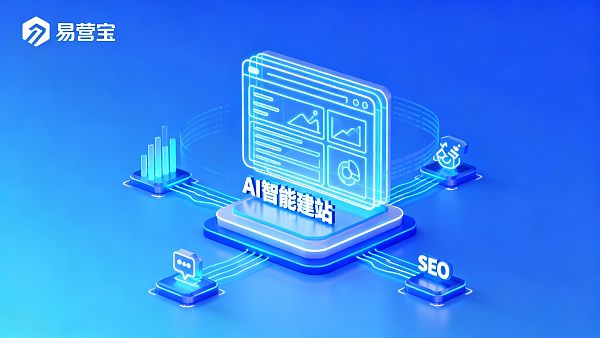
From the practical tests of foreign trade marketing managers, AI advertising intelligent bidding systems can analyze ad account structures, keyword quality scores, and ROI performance across channels within minutes, then automatically generate optimization solutions. This process relies on the deep learning capabilities of AI algorithms, dynamically identifying high-potential keywords and adjusting real-time bids for different regions and time periods. For example, in multi-platform placements like Google and Yandex ads, the system combines audience profiles, semantic preferences, and ad ranking rules from different search engines to automatically adjust account structures, reducing invalid clicks and improving overall ROI. Notably, the system can also integrate website behavioral data to prioritize budget allocation to high-conversion pages, achieving "data-driven precise placement."
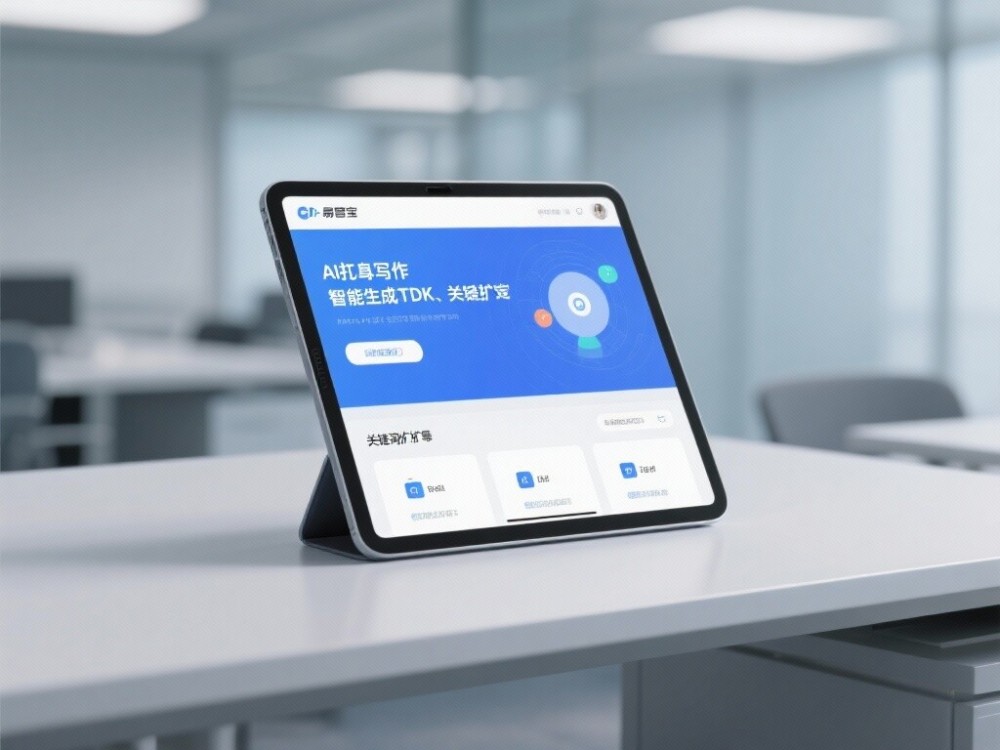
Many foreign trade enterprises using AI advertising tools focus on their impact on rapid website lead capture. AI engines automatically generate Meta tags, URL structures, and site maps compliant with SEO standards, significantly improving search engine crawl efficiency. For example, the "AI keyword expansion + auto-generated TDK + AI image generation" system of Easy Trading's AI marketing engine can generate thousands of keyword combinations daily, bringing sustained organic traffic accumulation to websites. This means enterprises can establish long-term, stable exposure capabilities at the search level without relying excessively on a single ad platform.
Differences in Promotion Between B2B and B2C Websites: How to Balance Strategies?
Regarding the differences in promoting B2B and B2C websites, AI advertising intelligent bidding systems offer new solutions. B2B websites focus on lead quality and inquiry volume, while B2C websites pursue conversion rates and repeat purchase rates. Under traditional marketing models, B2B enterprises follow up with clients over long cycles, making ad performance hard to quantify. AI models can track each visitor's path, assess potential customer value, and conduct precise remarketing. For instance, when a potential buyer browses a product page but doesn’t place an order, the system automatically triggers remarketing ads, using customized creatives and discount offers to re-engage the customer. This behavior-based marketing logic makes B2B website investments more valuable, significantly improving ad ROI.
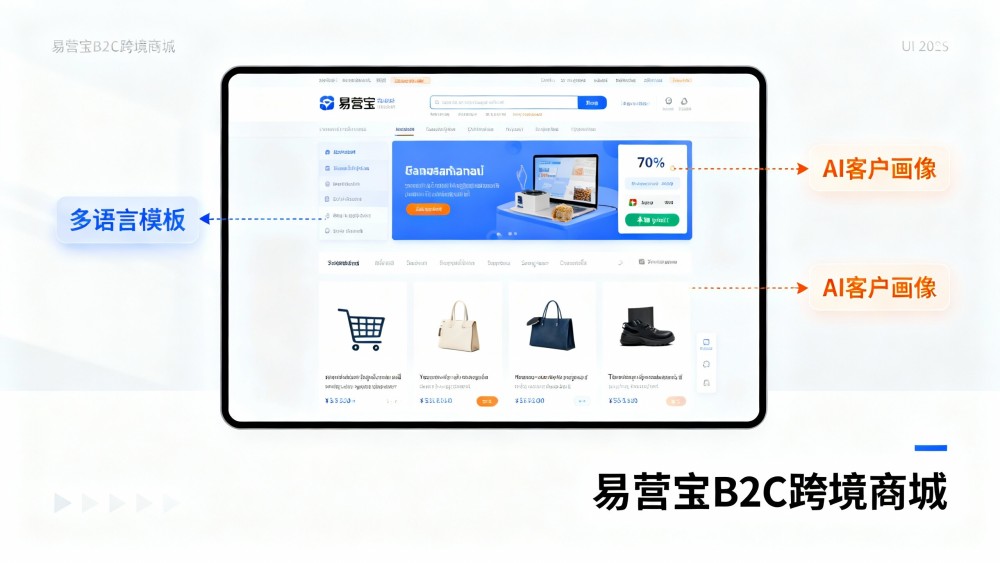
Meanwhile, B2C website ad placements emphasize creativity and response speed. Although Yandex ad placements cover vast Eastern European markets, risks like language errors leading to wasted clicks and audience mismatches exist. AI-generated multilingual creatives and real-time keyword corrections can effectively reduce budget waste. For example, Easy Trading's Easy Trading B2C Cross-Border E-Commerce and Independent Sites, with real-time translation support for over 300 languages and global CDN acceleration, ensure high availability and conversion rates for international website access. Its built-in AI content assistant not only generates localized SEO copy but also recommends products based on browsing behavior, providing systematic support for foreign trade sellers to achieve ROI leaps.
The Actual Benefits and ROI Improvement Logic of AI Advertising Optimization
The greatest value of AI advertising intelligent bidding systems lies in quantifiable ROI improvements. Traditional ad optimization relies on experience, while AI systems continuously optimize ad copy, creatives, and keyword bids through A/B testing and self-learning. Industry research shows that enterprises using AI automated ad solutions see average conversion rate increases of 150% to 200%, with ad costs dropping by over 30%. This extends beyond placements to website structure optimization. When the system detects high bounce rates on certain pages, it prompts content or loading speed adjustments, forming a closed-loop optimization of "placement-landing page-conversion paths."
For foreign trade enterprises, AI advertising is not just a placement tool but a digital asset management platform. For instance, after analyzing Google and Yandex ad results, AI can derive the optimal promotion mix for European markets, providing strategic guidance to mitigate risks under different platform rules. AI systems also adjust ad text based on local laws and cultures to ensure compliance. For enterprises concerned that template-based websites may harm SEO, AI's automated structure and link optimization ensure template sites maintain good SEO friendliness. Combined with Schema.org structured data markup, search engines can better understand page content, improving organic rankings.
The Trend of AI Technology Integration in International Website Development
What technical support is needed for international website development? Practically, AI algorithms, cloud computing, and big data analytics have become the three core drivers of global website construction. AI-driven intelligent translation solutions break language barriers, with multilingual auto-adaptation systems displaying local currencies and languages based on user IPs, improving user retention. Performance-wise, global CDN acceleration and SSL security ensure uninterrupted cross-border access and safer data transmission. For example, Easy Trading upgrades its algorithms 12 times annually, leveraging 15 core patents to provide iterative marketing solutions for foreign trade clients. Partnering with AWS and Alibaba Cloud, it builds a global distributed node network, using AI algorithms for real-time traffic allocation, achieving dual growth in ad placement and website performance.
Additionally, international website development must leverage user behavioral data. AI advertising systems collect each visitor's click paths to generate precise profiles, then use big data algorithms to recommend optimal keyword combinations and content presentation. This "intelligent content distribution + synchronized ad optimization" workflow makes marketing decisions more scientific. For example, Easy Trading B2C Cross-Border E-Commerce and Independent Sites sync cross-channel data to social ads, seamlessly connecting SEO optimization to social media dissemination, providing Southeast Asian, Middle Eastern, and European/American sellers with complete online growth paths.
Case Insights and Risk Control Strategies

In an AI advertising project for a machinery B2B website, introducing Easy Trading's AI smart manager reduced Yandex lead costs by 40% in three weeks. The AI model automatically paused underperforming keywords and increased budget allocation to high-inquiry-rate terms. Simultaneously, auto-generated AMP pages and XML sitemaps improved natural indexing speed by 63%. This proves AI systems not only boost ROI but also enhance deep SEO. However, foreign trade ads must account for platform differences, such as Yandex's frequent algorithm updates. Without timely semantic rule adjustments, placement effectiveness may fluctuate. Thus, mature AI systems must have real-time learning and dynamic optimization capabilities to prevent ROI declines.
AI advertising optimization is not synonymous with "full automation" but the evolutionary result of "human-machine collaboration." Marketers should continuously monitor placement data, combine AI feedback, and devise more strategic market plans. Enterprises must also prioritize data security and privacy, especially in cross-border ads and multilingual user interactions, where encryption and tiered access controls are critical.
Conclusion: Empower Foreign Trade Growth with AI, Closing the Loop from Data to Growth
Overall, AI advertising intelligent bidding systems not only significantly improve ROI but also provide foreign trade enterprises with sustainable growth engines for digital operations. Through smart algorithms, real-time data analytics, and multi-platform integration, it achieves synergistic upgrades in ad efficiency, SEO optimization, and customer conversion. From B2B lead management to B2C traffic monetization, every link is reconstructed with AI empowerment. In an increasingly competitive global market, those who leverage AI for automated ad and traffic operations will seize the high ground in globalized marketing.
With a decade of technical沉淀, Easy Trading is empowering foreign trade enterprises' global growth through AI and big data. Its intelligent marketing platform, integrated cross-border website construction, and ad optimization services have helped tens of thousands of enterprises multiply ROI. Now is the golden era for enterprises to重塑 digital marketing systems and embrace global growth opportunities. Discover more AI marketing solutions and let smart technology become your brand's出海 growth engine, driving sustained inquiry growth and迎接 new global market landscapes.
- Website construction
- Google Ads
- B2B website
- Yandex Advertising
- International Website Development
- Template website
- Campbell (name)
- SEO
- Independent site
- SEO Optimization
- AI Marketing Engine
- Global CDN Acceleration
- Yandex ad placement
- Inquiry Form
- Global Marketing
- AI Marketing
- AI Advertising Optimization
Related Articles
 Can AI advertising intelligent bidding systems really improve ROI? Is it worth investing in the general internet services industry?
 Can AI advertising intelligent bidding systems really improve ROI? Analyzing the performance differences of different advertising tools
 Can AI Advertising Smart Bidding System Really Improve ROI? A Practical Test Report by Foreign Trade Marketing Managers
Related Products
 EasyStore SaaS Intelligent Website Marketing SystemEasyStore SaaS Intelligent Website Marketing System, AI-driven zero-code website building, rapidly set up multilingual foreign trade independent sites in just 10 minutes, global server acceleration, AI-powered SEO optimization, helping businesses efficiently connect with global markets. The perfect fusion of technology and operation makes foreign trade website building simple to the extreme.
 AI+SEM Intelligent Advertising Marketing SystemAI+SEM drives intelligent campaign creation, empowering full-funnel precision advertising marketing. The system automatically generates weekly/monthly reports, AI-recommends keywords and target countries, monitors core metrics in real-time with intelligent alerts, and enables one-click high-conversion campaign launches to accelerate lead acquisition and boost ROI.
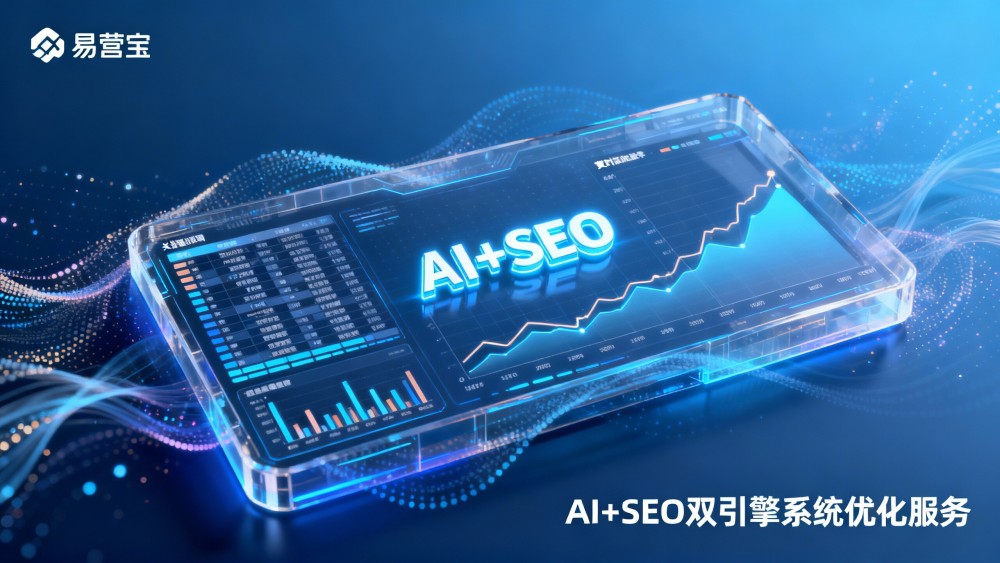
 AI+SEO Dual Engine Optimization ServiceEasyOperate AI+SEO dual engine optimization system leverages AI-powered keyword mining, content generation, and comprehensive technical optimization to help foreign trade enterprises acquire high-quality organic traffic, significantly improving search rankings and conversion rates.
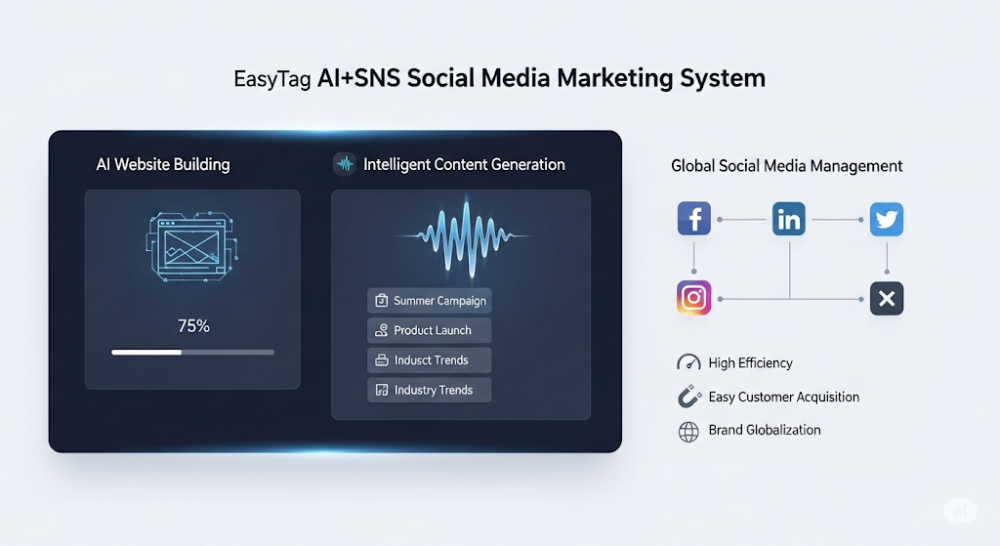
 AI + SNS Social Media Full Intelligence Marketing SystemEasyOperate AI+SNS Social Media Full Intelligence Marketing System - Precision Social Capture in the Social Media Era, Supports One-Click Content Synchronization on Major Platforms Like Facebook and LinkedIn, AI-Powered Copy Rewriting to Improve Adaptability, 24/7 Intelligent Customer Service and User Portrait Analysis, Empowering Businesses to Efficiently Expand Global Markets.
 AI+SEO Marketing SolutionEasyWin AI+SEO Marketing Solution leverages AI-powered batch content creation, intelligent TDK generation, and precise keyword expansion to comprehensively optimize website SEO performance, boosting traffic and conversion rates. Helps businesses build a highly efficient intelligent website ecosystem.
 AI+SEM Advertising & Marketing SolutionsAI+SEM advertising and marketing solution utilizes AI intelligent technology to deeply empower SEM advertising. Through AI intelligent generation of weekly/monthly reports, multi-dimensional presentation of account data, a comprehensive grasp of the effectiveness and trends of advertising, AI precise recommendation of keywords and countries, intelligent generation of high-conversion advertisement language, a key to start the efficient advertising program, helping enterprises to quickly acquire customers. At the same time, the system monitors the core indicators in real time, intelligently recognizes fluctuation abnormalities and warns them in time to ensure stable and high return of advertising effect.
 Domain Name ServicesEasy Operation provides professional domain services, including intelligent query, one-stop registration, brand protection, and full-cycle management, helping enterprises build a digital brand image.
 EasyStore B2C Cross-border E-commerce Platform, Independent SiteEasyStore B2C Cross-border E-commerce Independent Store is an intelligent website building and cross-border e-commerce integrated solution independently developed by EasyStore Information Technology (Beijing) Co., Ltd. The system is specifically designed for small, medium, and large export enterprises, integrating 'website building, operation, marketing, advertising, and conversion' into one platform, helping businesses quickly establish cross-border e-commerce independent stores to achieve brand globalization and global sales growth.
The platform supports multiple languages, currencies, and multi-channel marketing, with built-in AI intelligent translation and SEO optimization systems, suitable for mainstream markets such as Southeast Asia, Europe & America, Latin America, and the Middle East, assisting Chinese manufacturing enterprises in efficiently deploying international e-commerce strategies. SSL CertificateEasyCert provides professional SSL security certificate services, including single-domain and wildcard certificates, ensuring encrypted data transmission, identity verification, and integrity protection for websites. This empowers businesses to establish secure and trustworthy online business environments.