









- What Does a Global Traffic Ecosystem Service Provider Do? What Are the Differences from a Single Advertising AgencyJul 16, 2026View details
- What should you focus on in the latest enterprise SaaS report? From renewal rates and delivery costs to overseas growth opportunitiesJul 12, 2026View details
- What signals are worth paying attention to in a cross-border marketing trend report? B2B companies should look at these 6 signalsJul 11, 2026View details
- How to Read a Cross-Border Marketing Trends Report? Five Key Dimensions for Evaluating Channel OpportunitiesJul 11, 2026View details
- Which channel has the highest ROI in the global traffic ecosystem? Comparative analysis of search, social media, and advertisingJul 10, 2026View details
- What multilingual website services are available in Sanya? Which model is more suitable for local businesses going global?Jul 08, 2026View details
- How to view the complete list of China SaaS companies in the top 100? Practical methods for screening website-building and marketing service providersJul 08, 2026View details
- How to view pricing in the global traffic ecosystem? Cost comparison of search, social media, and content channel advertisingJul 06, 2026View details
What Problems Can an AI Advertising Optimization Company Solve
Many companies encounter the same problems when running ads: budgets keep increasing, but lead quality remains unstable; there is a lot of platform data, yet it is difficult to form a unified judgment; many optimization actions have been taken, but results still rely on experience and manual monitoring. In such cases, what an AI advertising optimization company can truly solve is not just something as simple as “automated bidding,” but helping companies upgrade advertising from “trial and error by intuition” to a growth system based on continuous data-driven optimization.
Especially for companies that are advancing digital customer acquisition, AI advertising optimization is related not only to ad cost control, but also to conversion efficiency, sales collaboration, channel evaluation, and subsequent review capabilities. If combined with the capabilities of a search engine optimization company, it can also simultaneously improve the efficiency of acquiring organic traffic, forming a full-funnel growth model of “advertising-driven customer acquisition + improved search engine rankings.”
What core problems can an AI advertising optimization company solve first

From the perspective of real user needs, when companies search for “what problems can an AI advertising optimization company solve,” they are usually not trying to understand the concept, but to judge whether this type of service is worth the investment and whether it can solve their current advertising bottlenecks.
Generally speaking, AI advertising optimization companies focus on solving the following high-frequency problems:
- Advertising costs keep rising: budgets are increasing, but cost per click, customer acquisition cost, and conversion cost are also rising at the same time.
- Unstable conversion performance: data may look good during certain periods, but it lacks continuity and is difficult to replicate.
- Scattered data that is hard to analyze: data from ad platforms, websites, CRM, forms, social media, and other sources is fragmented, making unified attribution difficult.
- Low efficiency of manual optimization: with many accounts, creatives, and keywords, relying on manual adjustments leads to slow response times.
- Uneven traffic quality: there are clicks without inquiries, inquiries without deals, and high costs for lead screening.
- Management cannot see the real ROI: many channels have been invested in, but it is impossible to clearly determine which channels are truly driving business growth.
In other words, the value of an AI advertising optimization company is not just to help businesses “save a little on advertising spend,” but to make advertising more controllable, more measurable, and more suitable for scalable growth.
Why do many companies keep spending more on advertising, but results do not grow accordingly
Behind this is often not a single issue, but the result of multiple links stacking together.
First, account optimization relies too heavily on manual experience. Manual optimization is feasible for small-scale campaigns, but once it enters the stage of advertising across multiple platforms, regions, and products, experience alone can hardly keep up with the speed of data changes. AI systems can more quickly identify high-conversion time periods, audience characteristics, keyword combinations, and creative performance, reducing bias from subjective judgment.
Second, companies only look at surface-level metrics and not real business outcomes. Many teams focus on click-through rate, impressions, and form volume, but do not further analyze deal-closing rate, repurchase rate, and customer lifetime value. AI advertising optimization companies usually help build a more complete conversion metric system, enabling companies to shift from “traffic thinking” to “business thinking.”
Third, there is a disconnect between advertising and website landing pages. If ad creatives attract clicks but the landing page experience is poor, loading is slow, or the content does not match, then even the best campaign will waste budget. Therefore, website development, SEO optimization, conversion page design, and advertising strategy must work together.
Fourth, there is a lack of cross-channel attribution capability. Users may first learn about the brand through search ads, then return through organic search, and finally complete an inquiry via social media or the official website. Without unified attribution, companies can easily underestimate the true value of certain channels.
What practical value can an AI advertising optimization company specifically bring
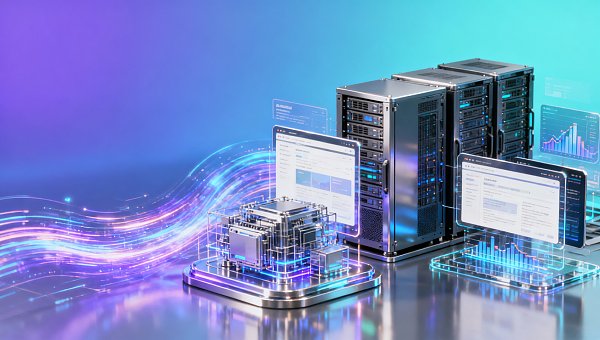
For business decision-makers, what matters most is not the technical principles, but the results that can be delivered. These can usually be summarized into the following aspects:
1. Reduce ineffective ad spend and budget waste
AI models can identify low-quality traffic sources based on historical data, behavioral data, and conversion data, and automatically or semi-automatically adjust bids, regions, time periods, keywords, and audience segments, concentrating more of the budget on high-intent audiences.
2. Improve conversion rates and lead quality
Excellent AI advertising optimization companies do not just optimize clicks. They also combine conversion path analysis to study user behaviors such as time on page, bounce, consultation, and submission, thereby optimizing creative content, landing page structure, and conversion entry points to increase the share of truly valuable inquiries.
3. Improve optimization efficiency and response speed
In complex accounts, AI can enable more frequent data monitoring and strategy adjustments, avoid missing abnormal fluctuations through manual oversight, and respond faster when the competitive environment changes.
4. Help companies build a closed data loop
The reason advertising performance is difficult to evaluate is often because front-end traffic is disconnected from back-end sales data. AI advertising optimization companies promote data integration, allowing marketing, sales, customer service, and management to collaborate around unified metrics.
5. Support globalization and multi-market advertising
For companies with overseas business or multi-region promotion needs, AI systems offer greater scalability advantages in language, time zone, behavioral differences, and adaptation to platform advertising rules. This is also an important reason why integrated website + marketing service solutions are becoming increasingly popular.
Which companies are best suited to adopting AI advertising optimization services
Not all companies need to implement AI advertising optimization immediately, but the following scenarios are usually more suitable:
- Companies with relatively high monthly ad budgets that have already entered the stage of refined operations
- Companies running campaigns across many channels, including search ads, feed ads, social media ads, and other multi-platform placements
- Companies that need to balance official website customer acquisition, improved search engine rankings, and brand exposure at the same time
- B2B companies with relatively long lead-to-deal cycles that require tracking multiple touchpoints
- Medium and large enterprises with limited staffing on the advertising team but a need for continuous optimization
- Business decision-makers who want to move from “test spending” to “long-term growth”
If a company’s current advertising problem is only that the account foundation is not set up properly, then getting the basics right is more important than directly adopting complex AI models. But if the company already has a certain amount of data accumulated, AI optimization can often significantly improve advertising efficiency.
How to determine whether an AI advertising optimization company is reliable
This is one of the issues that technical evaluators and business managers care about most. It is recommended to focus on the following dimensions:
Whether it can clearly explain the optimization logic instead of only emphasizing “intelligence”
A truly professional service provider will clearly tell you what data the optimization is based on, how attribution is handled, how A/B testing is conducted, and how conversion quality is evaluated, rather than vaguely promoting that “using AI will make it effective.”
Whether it has integrated capabilities in websites, SEO, and advertising
Advertising optimization is not an isolated task. If a service provider only knows how to manage the ad backend but does not pay attention to landing pages, on-site structure, content quality, and organic search performance, then the room for optimization will be greatly limited. A team that can coordinate with the capabilities of a search engine optimization company is more likely to help businesses build a foundation for long-term growth.
Whether it has industry understanding and localization service capabilities
The conversion logic varies greatly across industries. B2B focuses on lead quality, cross-border business focuses on multilingual and multi-market adaptation, and local services focus on geographic targeting precision. Only a team that understands industry scenarios can deliver valuable optimization.
Whether it values data transparency and review mechanisms
A reliable company will not just provide result screenshots, but will offer traceable data reports, strategy explanations, and periodic reviews, so that businesses clearly know where the budget was spent, where the results came from, and what to improve next.
When companies evaluate digital marketing investment, in addition to advertising costs themselves, management often also pays attention to the broader investment structure and accounting logic. Content such as the challenges and strategies of expanding the scope of enterprise cost accounting can also help companies understand, from a more systematic operational perspective, the relationship among marketing budgets, technology investment, and growth returns.
How AI advertising optimization works synergistically with SEO, website development, and content operations
Many companies manage advertising, websites, SEO, and content separately, and the result is that traffic comes in but cannot be retained, content is created but converts weakly, and SEO has rankings but poor conversion support. In fact, the ideal state of AI advertising optimization is to operate in synergy with websites and search marketing.
- Coordination with intelligent website building: ensure that page loading speed, structural layout, form paths, and mobile experience meet conversion requirements.
- Coordination with SEO: high-conversion keywords and user needs discovered through advertising tests can in turn support SEO content planning and promote improved search engine rankings.
- Coordination with content operations: turn topics with high clicks and high consultation rates in advertising into content assets to strengthen brand trust.
- Coordination with sales systems: promptly import leads obtained through advertising into CRM and track subsequent opportunities and deal performance.
For companies hoping to build long-term growth capabilities, relying solely on paid traffic is often not sustainable, while the combination of “advertising optimization + SEO accumulation + website conversion improvement” is more resilient.
Before adopting AI advertising optimization, companies should first clarify these issues
To avoid falling short of expectations after investment, it is recommended that companies conduct a self-assessment before cooperation:
- Is the main issue you want to solve customer acquisition cost, or lead quality?
- Do you already have basic data collection and conversion tracking capabilities?
- Are the landing pages, official website, and consultation process sufficient to handle traffic?
- Is there someone internally who can cooperate with the service provider by providing sales feedback and business data?
- Do you want short-term lead growth, or medium- to long-term brand and search asset accumulation?
If these issues are unclear, then even if you find an AI advertising optimization company, goal misalignment is still likely to occur during cooperation. Conversely, the clearer the goals, the better AI capabilities can deliver value.
Summary: AI advertising optimization companies solve not single-point problems, but growth efficiency problems
Overall, the core problems that AI advertising optimization companies can solve mainly focus on cost control, conversion improvement, data integration, efficiency optimization, and sustainable growth. For business decision-makers, its value does not lie in “using new technology,” but in whether it can make every advertising investment clearer, more stable, and closer to real business outcomes.
If a company is facing problems such as high advertising costs, unstable conversions, scattered data, and difficulty in channel coordination, then introducing an integrated service team with capabilities in website development, SEO optimization, advertising placement, and data integration is often more effective than making isolated purchases. Only by truly connecting advertising, content, websites, and search capabilities can companies move from short-term customer acquisition to long-term growth.
Related Articles
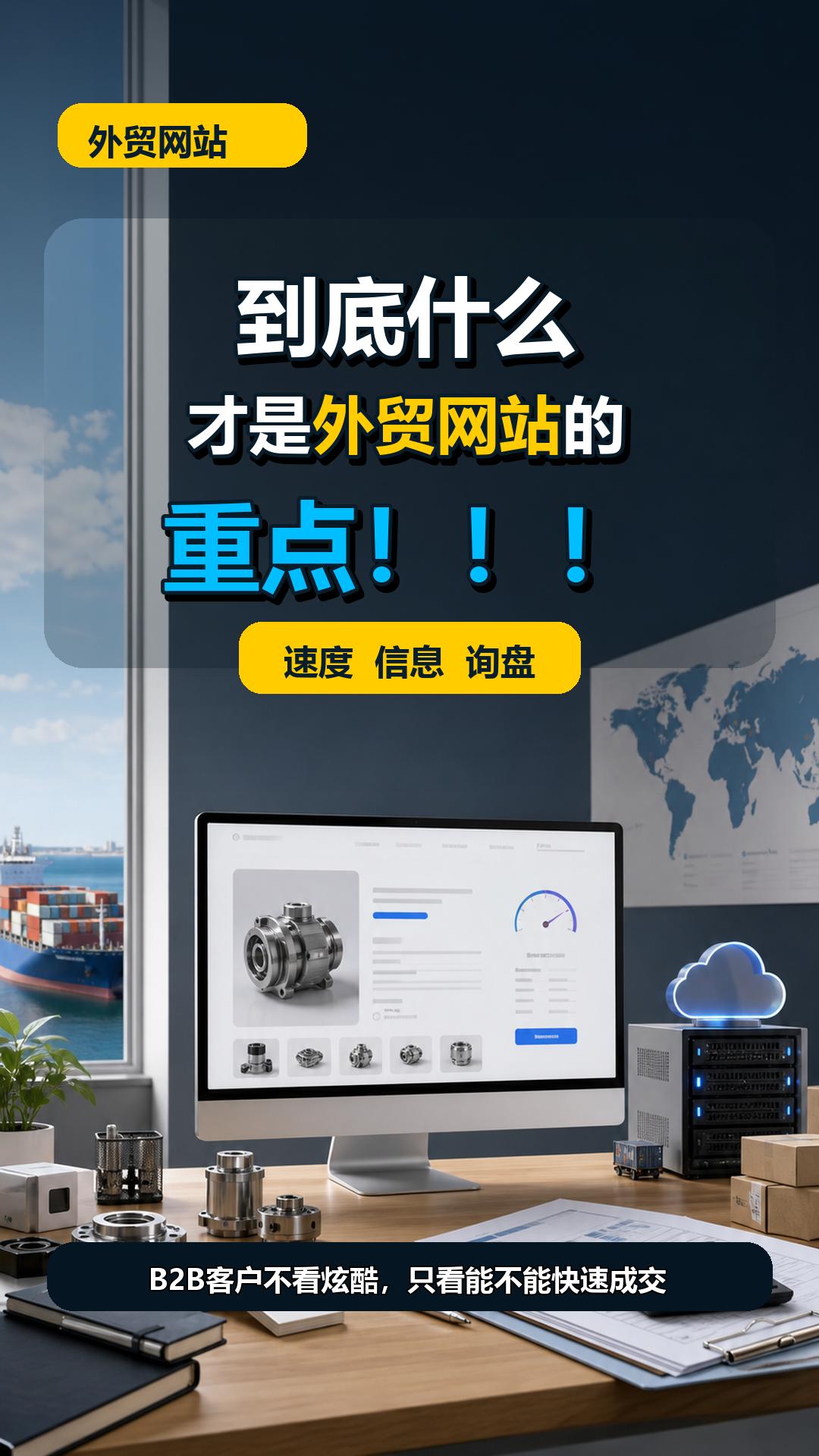
 What exactly should be the focus of a foreign trade website?!!!
 Attention! Builders' must-see: Yibingbao AI components updated, design efficiency directly doubled!
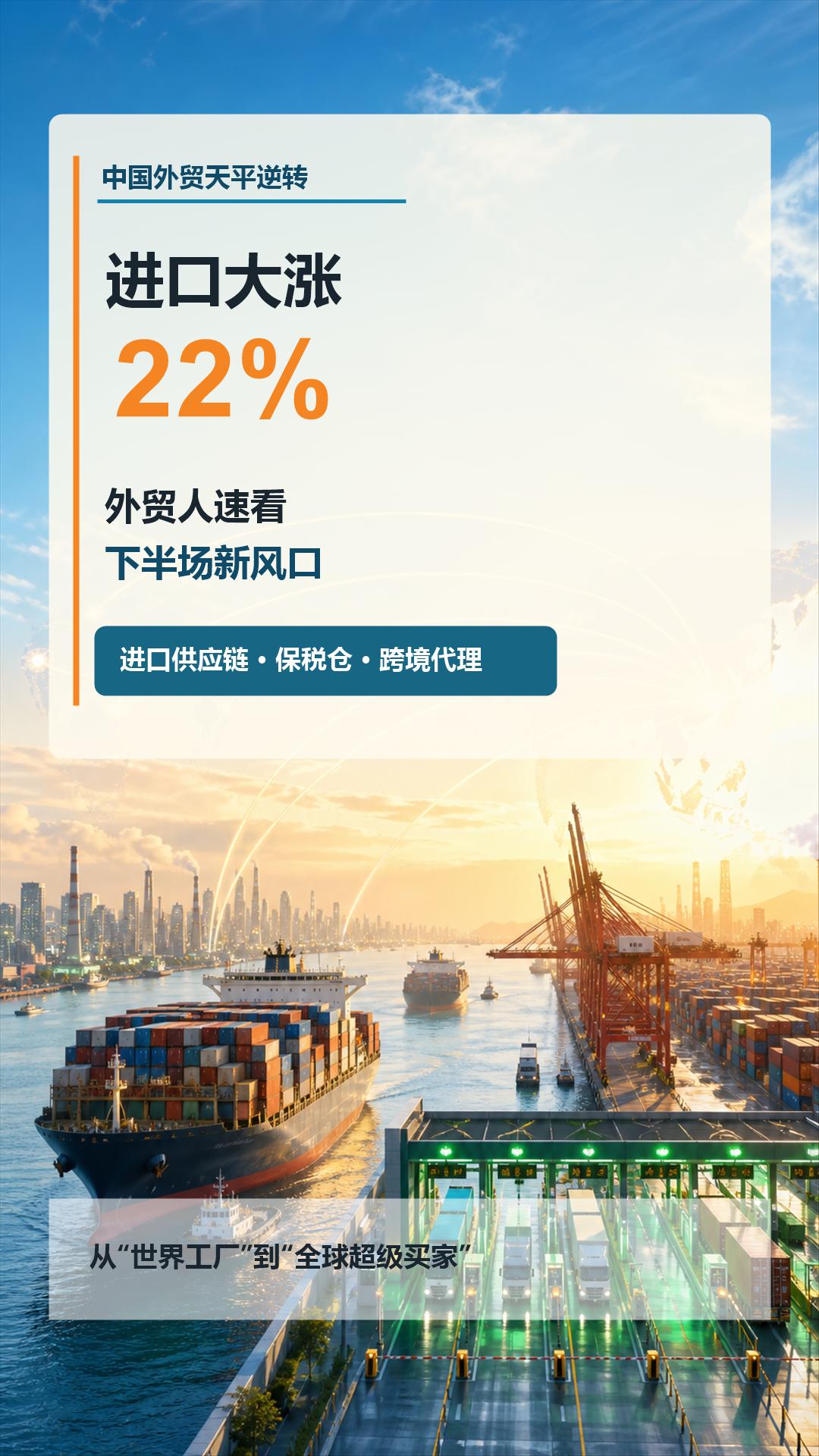
 China's foreign trade sees a turnaround: imports surge by 22%! Foreign trade professionals should quickly take note of the new trends in the second half of the year

Related Products
 EasyCamp SaaS Smart Website Marketing SystemE-Yingbao SaaS Smart Website Marketing System: AI-powered, zero-code website building. Rapidly launch multilingual independent e-commerce sites in just 10 minutes. Global server acceleration and AI-driven SEO optimization empower businesses to efficiently connect with global markets. The seamless integration of technology and user-friendly operation makes building e-commerce sites incredibly simple.
 AI+SEM Intelligent Advertising Marketing SystemAI+SEM drives intelligent ad creation, empowering full-funnel precision advertising marketing. The system automatically generates weekly/monthly reports, AI recommends keywords and target countries, monitors core metrics in real-time with intelligent alerts, and enables one-click high-conversion ad solutions to help quickly acquire customers and improve ROI.
 AI+SEO Dual Engine Optimization ServiceEasyWin AI+SEO Dual Engine Optimization System leverages AI-powered keyword mining, content generation, and comprehensive technical optimization to help foreign trade enterprises acquire high-quality organic traffic, significantly improving search rankings and conversion rates.
 AI+SNS Social Media Marketing SystemYingbao AI+SNS Social Media Marketing System - Precision social capture for the social media era. Supports one-click content synchronization across major platforms like Facebook and LinkedIn. AI intelligently rewrites posts for enhanced relevance. 24/7 AI customer service and user profiling analysis empower businesses to efficiently expand into global markets.
 AI+SEO营销解决方案易营宝AI+SEO营销解决方案,通过AI批量写作、智能生成TDK、精准关键词扩词等功能,全面优化网站SEO效果,提升流量与转化率。助力企业构建高效智能网站新生态。
 AI+SEM Advertising Marketing SolutionsAI+SEM Advertising Marketing Solution leverages AI technology to deeply empower SEM ad campaigns. It automatically generates weekly/monthly reports using AI, presenting account data across multiple dimensions for comprehensive insights into campaign performance and trends. The system precisely recommends keywords and target countries, intelligently generates high-conversion ad copy, and enables one-click activation of efficient campaign plans to help businesses rapidly acquire customers. Simultaneously, it monitors core metrics in real time, intelligently identifies abnormal fluctuations, and issues timely alerts to ensure stable, high-return advertising results.
 Domain Name ServicesEasyWin provides professional domain name services, including intelligent queries, one-stop registration, brand protection, and full lifecycle management, helping businesses build a digital brand image.
 EasyOperate B2C Cross-Border E-Commerce Platform & Independent WebsiteEasyStore B2C Cross-border E-commerce Independent Store is an intelligent website building and cross-border e-commerce integrated solution independently developed by EasyStore Information Technology (Beijing) Co., Ltd. The system is specially designed for small and medium-sized as well as large export enterprises, integrating 'website building, operation, marketing, advertising, and conversion' into one, helping enterprises quickly establish cross-border e-commerce independent stores to achieve brand globalization and global sales growth.
The platform supports multiple languages, multiple currencies, and multi-channel marketing, with built-in AI intelligent translation and SEO optimization systems, suitable for mainstream markets such as Southeast Asia, Europe and America, Latin America, and the Middle East, assisting Chinese manufacturing enterprises in efficiently deploying international e-commerce strategies. SSL证书易营宝提供专业SSL安全证书服务,包括单域名和泛域名证书,确保网站数据传输加密、身份验证和完整性保护,助力企业建立安全可信的在线业务环境。









