









- What Does a Global Traffic Ecosystem Service Provider Do? What Are the Differences from a Single Advertising AgencyJul 16, 2026View details
- What should you focus on in the latest enterprise SaaS report? From renewal rates and delivery costs to overseas growth opportunitiesJul 12, 2026View details
- What signals are worth paying attention to in a cross-border marketing trend report? B2B companies should look at these 6 signalsJul 11, 2026View details
- How to Read a Cross-Border Marketing Trends Report? Five Key Dimensions for Evaluating Channel OpportunitiesJul 11, 2026View details
- Which channel has the highest ROI in the global traffic ecosystem? Comparative analysis of search, social media, and advertisingJul 10, 2026View details
- What multilingual website services are available in Sanya? Which model is more suitable for local businesses going global?Jul 08, 2026View details
- How to view the complete list of China SaaS companies in the top 100? Practical methods for screening website-building and marketing service providersJul 08, 2026View details
- How to view pricing in the global traffic ecosystem? Cost comparison of search, social media, and content channel advertisingJul 06, 2026View details
How to calculate the cost of AI Translation API integration
When assessing the cost of integrating an AI translation API, one cannot simply look at the price per call; it's also crucial to consider concurrency, language compatibility, integration costs, and ongoing operational expenses. For technical evaluators, the real factors influencing the budget are often system architecture, business traffic, content type, quality verification, and the ability to adapt to marketing channels.
In integrated scenarios of website building, SEO optimization, social media marketing, and advertising, AI translation APIs are not just about "translating text into another language," but also about the launch cycle of multilingual websites, keyword localization, landing page conversion, and cross-regional content operation efficiency.
I. What are the components of the cost of an AI translation API?

When technical teams prepare budgets, they typically first look at unit prices charged by character, word count, or request volume. However, in enterprise-level integration, the total cost of an AI translation API includes at least five categories of expenses: call fees, concurrent resources, development and integration, quality auditing, and ongoing operations.
1. Call volume and content type
If a multilingual website adds 300 new pieces of content per month, each approximately 1200 words, and then adds product pages, advertising copy, and social media posts, the monthly translation volume could reach 500,000 to 2 million characters. The larger the character volume, the more important caching, deduplication, and terminology reuse become.
2. Language and Quality Level
Common languages such as English, Spanish, and French generally have more stable costs; less common languages, languages with a high concentration of industry terminology, and languages with right-to-left layouts may increase testing and manual review cycles. For marketing pages, accuracy and conversion tone are equally crucial.
The table below can be used to break down the AI translation API budget items during the technology evaluation phase, facilitating communication among the R&D, operations, and procurement teams on a unified front.
Therefore, the more transparent the pricing of AI translation APIs, the better, but the unit price cannot replace the total cost of ownership. It is recommended to calculate the cost based on at least two models: a 3-month trial run and a 12-month large-scale operation.
II. Technology Access Costs: From Interface to Business Loop
AI translation API integration is typically not a one-off process. For integrated website and marketing service platforms, it requires connecting CMS, product database, SEO fields, advertising creative database, and data dashboards, with a typical implementation cycle of approximately 2 to 6 weeks.
Key integration links
- Interface authentication: Configure keys, signature rules, and access whitelists to reduce the risk of accidental calls.
- Field mapping: Covers at least 5 types of fields, including title, description, body text, image alternative text, and structured data.
- Caching mechanism: Deduplicatization of repeated paragraphs, product parameters, and template text reduces invalid calls by 10% to 30%.
- Exception handling: Set retry, degradation, and timeout thresholds to avoid interruption of batch deployment tasks.
Linkage with SEO fields
Multilingual websites cannot simply translate the main text. Page titles, meta descriptions, URL aliases, H tags, and internal link anchor text also need to be processed simultaneously; otherwise, issues may arise where the indexed pages are complete but the search intent does not match.
Since its establishment in 2013, Yiyingbao Information Technology (Beijing) Co., Ltd. has developed a full-chain service capability encompassing intelligent website building, SEO optimization, social media marketing, and advertising. For the technology team, the AI translation API is more suitable as a localization content engine than an isolated tool.
III. How to establish a feasible cost calculation model
It is recommended to break down the cost of AI translation APIs into four dimensions: "basic volume, peak volume, human intervention, and maintenance volume." This allows for both assessment of the current deployment budget and prediction of cost changes due to content growth six months from now.
If a company is expanding its cost accounting scope, it can combine the challenges and strategies of broadening the scope of corporate cost accounting and evaluate interface costs, operating costs, and conversion revenue in the same table.
The following model is suitable for preliminary calculations of multilingual websites, B2B inquiry sites, and cross-border marketing landing pages. Technical evaluators can replace the parameters according to the actual traffic.
As the table shows, the cost of AI translation APIs does not increase linearly. The more pages and languages there are, the more significant the savings from terminology databases and automated processes become; however, core conversion pages should still retain manual review.
IV. Four common pitfalls to avoid during procurement and implementation
In B2B procurement, technical evaluators need to consider stability, scalability, and marketing effectiveness simultaneously. Comparing only the unit price of AI translation API calls can easily underestimate later rework costs.
Myth 1: Ignoring context
The same term may have different meanings in product specifications, ad titles, and industry white papers. If the API does not support context, glossary, or hint rules, the cost of editing it later may exceed the API fee itself.
Myth 2: There is no gray-scale release
It's recommended to first test on 20 to 50 pages, covering the homepage, product pages, blog pages, and inquiry pages. Judge the translation's effectiveness based on indexing status, dwell time, conversion rate, and form quality before expanding to the entire site.
Myth 3: Ignoring data security
When dealing with quotations, customer information, and unpublished product materials, it is essential to confirm encryption during transmission, log retention periods, access control, and data masking strategies. This is particularly important for foreign trade websites, investment promotion websites, and advertising account content libraries.
Myth 4: Lack of a closed-loop operation
After the AI translation API is launched, it's also necessary to monitor keyword rankings, page indexing, inquiry sources, and ad conversions. It's generally recommended to review core language pages every two weeks and update the terminology database and list of inefficient pages monthly.
V. Implementation Path Suitable for Enterprises
For companies preparing to go global or expand into regional markets, a five-step implementation method can be adopted: content inventory, interface selection, sample testing, system integration, and continuous optimization. Each step should have acceptable performance indicators, rather than simply focusing on whether a translation is successfully returned.
- Content summary: Statistics on the number of pages, fields, languages, and monthly update frequency.
- Interface selection: Compare response time, concurrency limits, terminology capabilities, and billing methods.
- Sample testing: Select no fewer than 3 types of pages and check their accuracy, readability, and marketing tone.
- System integration: Integrating with CMS, SEO module, publishing process, and data tracking.
- Continuous optimization: Adjust terminology and content strategies based on ranking, click-through rate, and inquiry quality.
YiYingBao is driven by artificial intelligence and big data, offering services covering intelligent website building, SEO optimization, social media marketing, and advertising. It's ideal for businesses looking to integrate their AI translation API into their global digital marketing system. Its value lies not in single-point translation, but in helping multilingual content enter the customer acquisition process more quickly.
To determine the cost of integrating an AI translation API, you should consider factors such as call volume, language complexity, concurrency capabilities, integration depth, quality control processes, and subsequent operations. If you are evaluating multilingual websites, localized SEO, or global marketing automation solutions, please contact us immediately for customized solutions and product details.
Related Articles
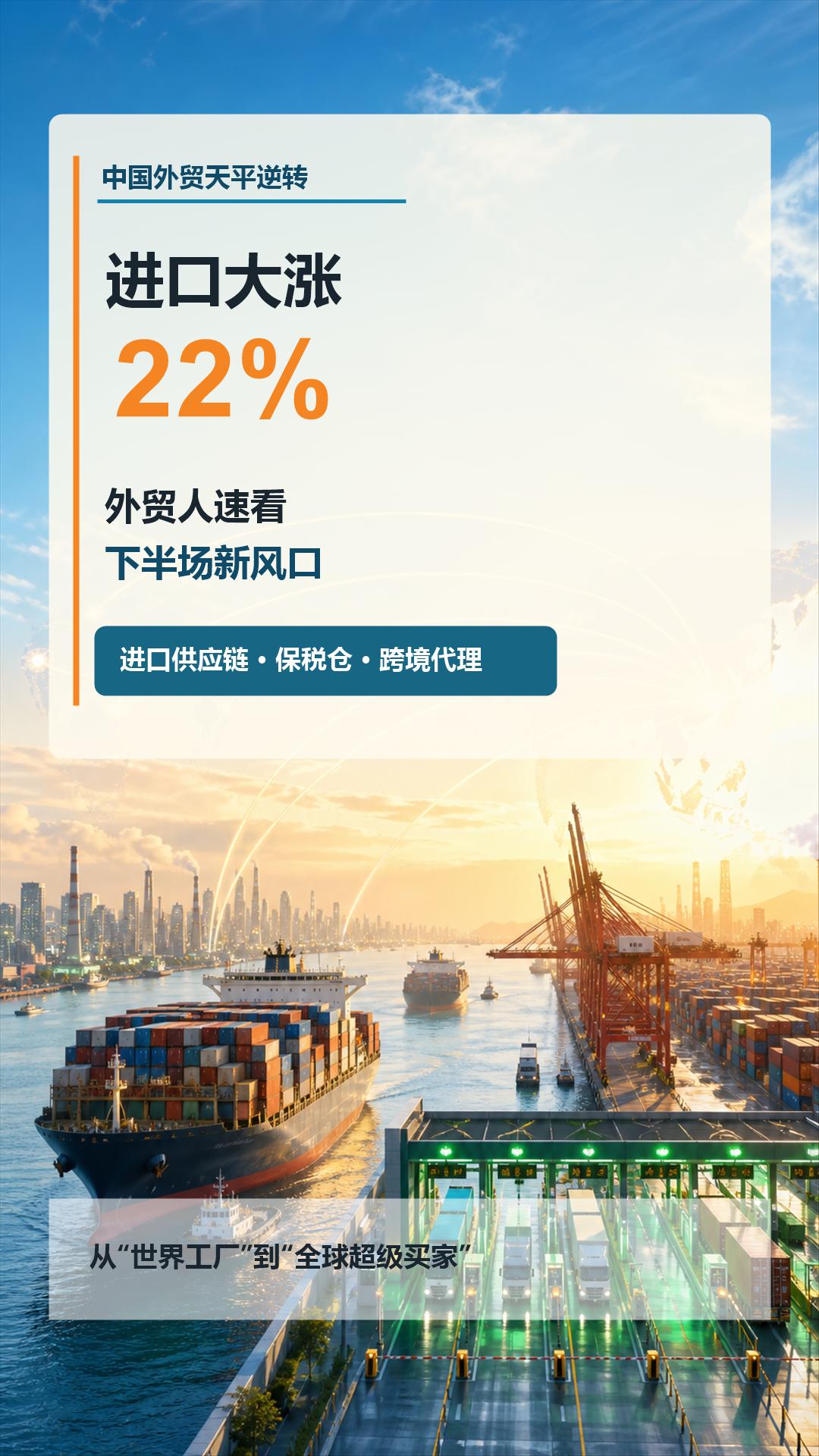
 China's foreign trade sees a turnaround: imports surge by 22%! Foreign trade professionals should quickly take note of the new trends in the second half of the year
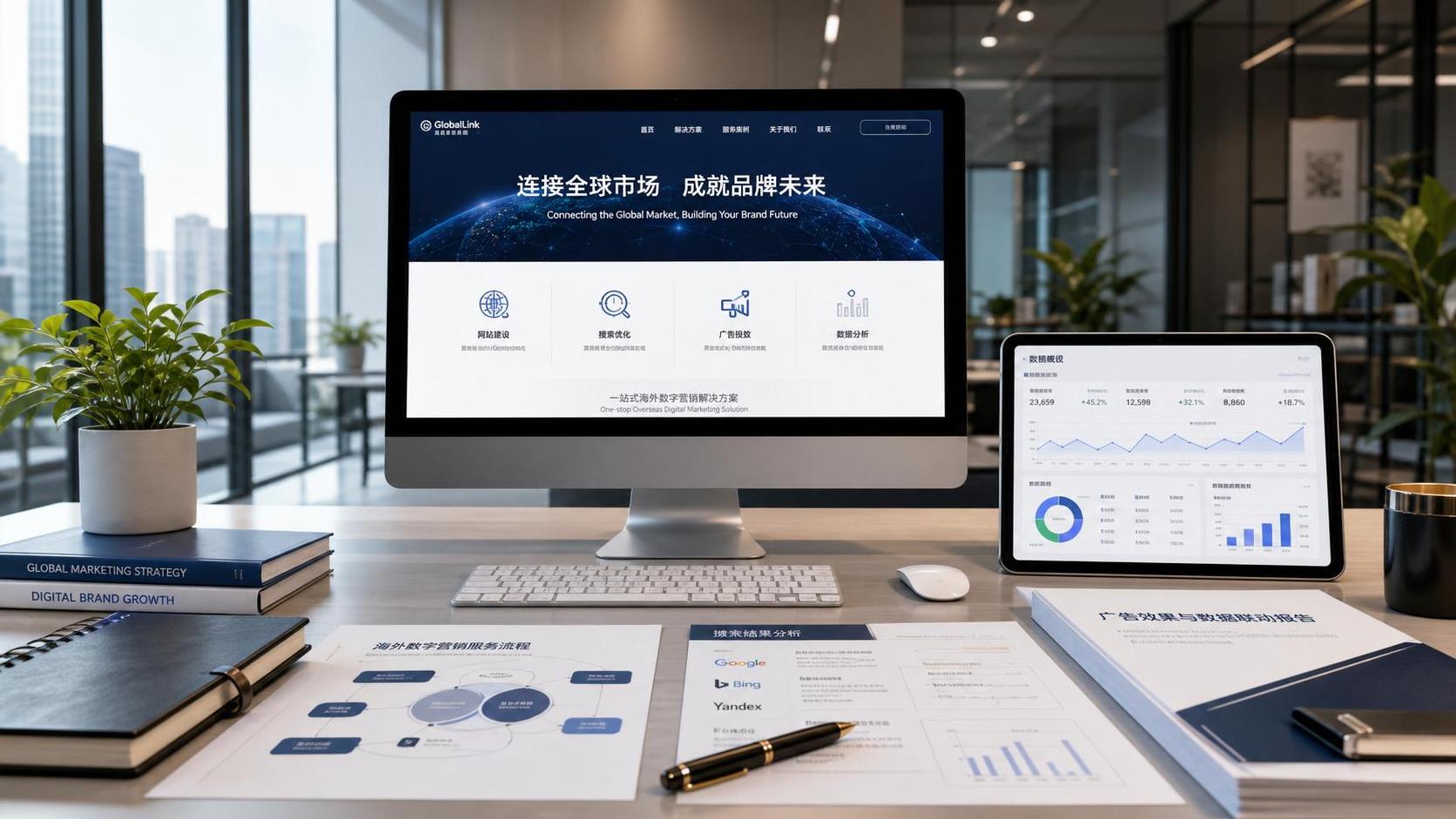
 What Does a Global Traffic Ecosystem Service Provider Do? What Are the Differences from a Single Advertising Agency
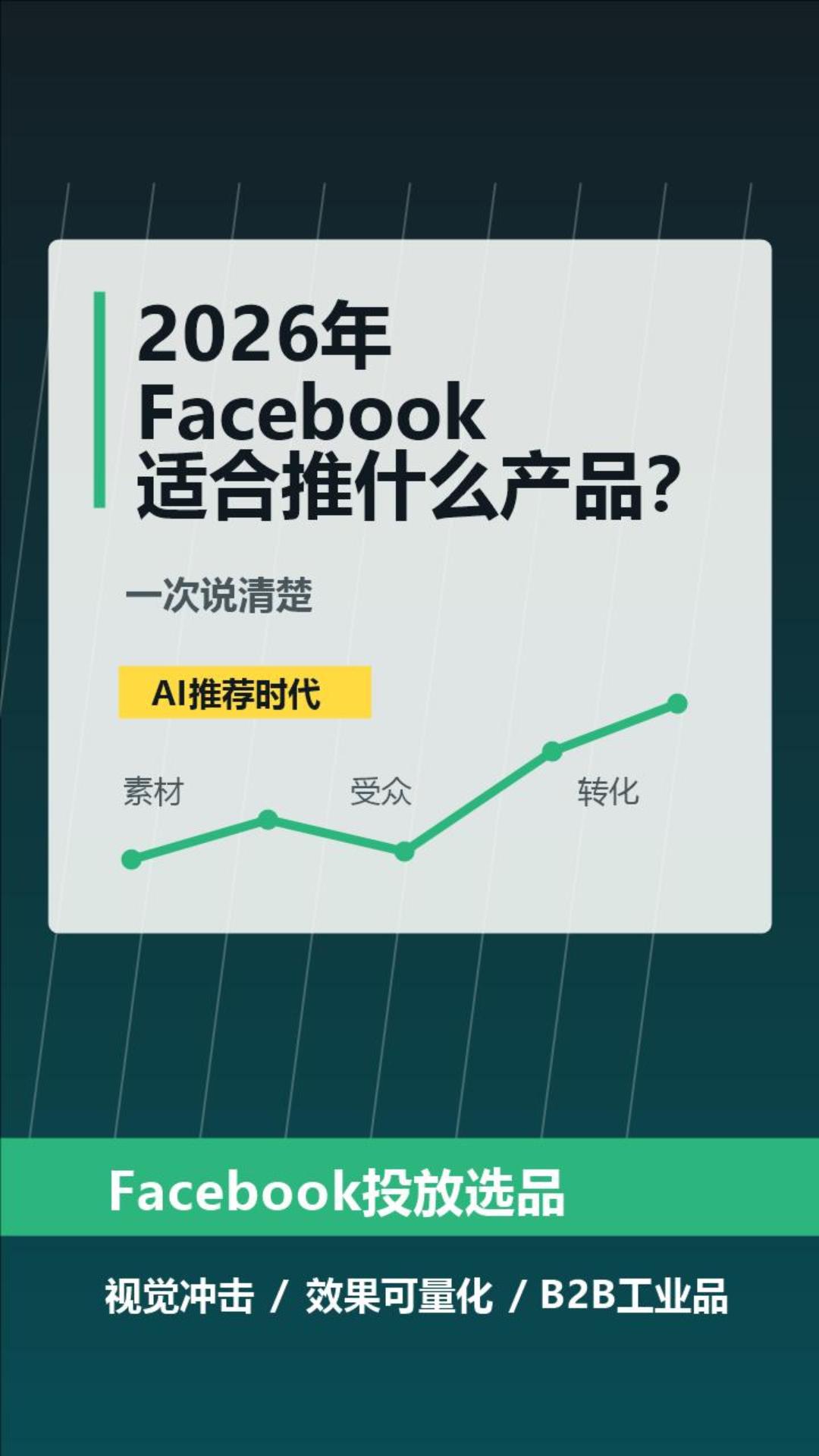
 What Products Are Suitable for Facebook in 2026? Explained Clearly at Once
Related Products
 EasyCamp SaaS Smart Website Marketing SystemE-Yingbao SaaS Smart Website Marketing System: AI-powered, zero-code website building. Rapidly launch multilingual independent e-commerce sites in just 10 minutes. Global server acceleration and AI-driven SEO optimization empower businesses to efficiently connect with global markets. The seamless integration of technology and user-friendly operation makes building e-commerce sites incredibly simple.
 AI+SEM Intelligent Advertising Marketing SystemAI+SEM drives intelligent ad creation, empowering full-funnel precision advertising marketing. The system automatically generates weekly/monthly reports, AI recommends keywords and target countries, monitors core metrics in real-time with intelligent alerts, and enables one-click high-conversion ad solutions to help quickly acquire customers and improve ROI.
 AI+SEO Dual Engine Optimization ServiceEasyWin AI+SEO Dual Engine Optimization System leverages AI-powered keyword mining, content generation, and comprehensive technical optimization to help foreign trade enterprises acquire high-quality organic traffic, significantly improving search rankings and conversion rates.
 AI+SNS Social Media Marketing SystemYingbao AI+SNS Social Media Marketing System - Precision social capture for the social media era. Supports one-click content synchronization across major platforms like Facebook and LinkedIn. AI intelligently rewrites posts for enhanced relevance. 24/7 AI customer service and user profiling analysis empower businesses to efficiently expand into global markets.
 AI+SEO营销解决方案易营宝AI+SEO营销解决方案,通过AI批量写作、智能生成TDK、精准关键词扩词等功能,全面优化网站SEO效果,提升流量与转化率。助力企业构建高效智能网站新生态。
 AI+SEM Advertising Marketing SolutionsAI+SEM Advertising Marketing Solution leverages AI technology to deeply empower SEM ad campaigns. It automatically generates weekly/monthly reports using AI, presenting account data across multiple dimensions for comprehensive insights into campaign performance and trends. The system precisely recommends keywords and target countries, intelligently generates high-conversion ad copy, and enables one-click activation of efficient campaign plans to help businesses rapidly acquire customers. Simultaneously, it monitors core metrics in real time, intelligently identifies abnormal fluctuations, and issues timely alerts to ensure stable, high-return advertising results.
 Domain Name ServicesEasyWin provides professional domain name services, including intelligent queries, one-stop registration, brand protection, and full lifecycle management, helping businesses build a digital brand image.
 EasyOperate B2C Cross-Border E-Commerce Platform & Independent WebsiteEasyStore B2C Cross-border E-commerce Independent Store is an intelligent website building and cross-border e-commerce integrated solution independently developed by EasyStore Information Technology (Beijing) Co., Ltd. The system is specially designed for small and medium-sized as well as large export enterprises, integrating 'website building, operation, marketing, advertising, and conversion' into one, helping enterprises quickly establish cross-border e-commerce independent stores to achieve brand globalization and global sales growth.
The platform supports multiple languages, multiple currencies, and multi-channel marketing, with built-in AI intelligent translation and SEO optimization systems, suitable for mainstream markets such as Southeast Asia, Europe and America, Latin America, and the Middle East, assisting Chinese manufacturing enterprises in efficiently deploying international e-commerce strategies. SSL证书易营宝提供专业SSL安全证书服务,包括单域名和泛域名证书,确保网站数据传输加密、身份验证和完整性保护,助力企业建立安全可信的在线业务环境。









