- What is the role of HTTPS for websites? Why is the decision-making level increasingly emphasizing digital trust systems2026-01-15View details
- What is Global CDN Acceleration? Key Considerations for Enterprise Selection from Architecture to Cost2026-01-16View details
- EasyYunbao Usage Evaluation: The Real Performance of Intelligent Website Building Platforms in B2B Official Website Applications2026-01-15View details
- The Era of GEO Has Arrived: Rankings No Longer Matter, Appearing in AI Responses is the Key to Foreign Trade Lead Generation2026-01-14View details
- EasyOperate GEO Layout: How to Become the 'Priority Recommendation' of AI Engines Through Structured Brand Semantics?2026-01-15View details
- Seize the AI Featured Snippet: EasyYun GEO Service Helps You Build Unsurpassable Digital Assets2026-01-16View details
- How to Choose the Right Global Website SaaS Platform for Your Business? The Latest 2023 Selection Guide2026-01-13View details
- City Partner Program Explained: How to Achieve Business Growth Through Global Website Building SaaS Platform2026-01-13View details
Enterprise Multilingual CMS Deployment Considerations: Security, Permissions and Localization Process Checklist
Enterprise multilingual CMS deployment requires comprehensive security, permissions, and localization workflows; this checklist is provided by EasyWeb to help you quickly achieve compliant implementation on global website-building SaaS platforms.
During cross-border website construction and operation, researchers and end users focus on three key issues: First, how to maintain compliance and security across different regions and languages; Second, how to implement granular permission management for multi-team collaboration to mitigate risks; Third, how to balance efficiency and search engine optimization in localization workflows. This document targets researchers, operators, and administrators, providing executable enterprise multilingual CMS deployment guidelines covering architecture, operations, SEO, and closed-loop marketing recommendations—suitable for multilingual foreign trade website systems, global website-building SaaS platforms, and enterprise-level applications.
I. Platform & Data Security: Compliant, Hardened, and Auditable Design
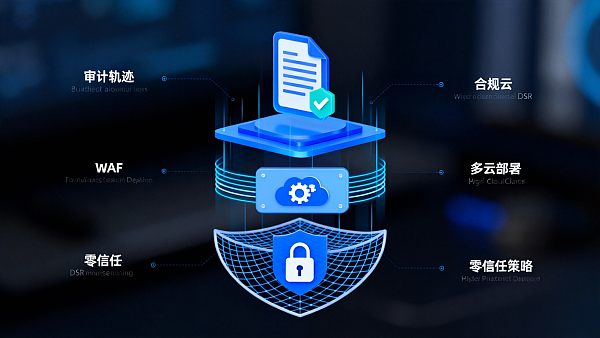
Enterprise multilingual CMS deployments must embed security and compliance throughout the architecture. We recommend multi-region hybrid cloud deployment with global CDN and edge nodes to ensure low-latency cross-border access while meeting data sovereignty requirements. Core security measures include automated SSL certificate management, WAF (Web Application Firewall), DDoS protection, and IDS/IPS; implement micro-segmentation and zero-trust access policies to reduce lateral movement risks. For data storage, enforce encryption strategies for static/sensitive data (TLS transport & at-rest encryption) with backup/disaster recovery workflows supporting regular drills.
For compliance, implement traceable audit logs, Data Subject Request (DSR) workflows, and retention policies aligned with GDPR, CCPA, and local regulations. Built-in CMS permission audit reports and SIEM-integrated security alerting enhance monitoring. When integrating third-party services (payment, logistics, ad platforms), prioritize vendors with compliance certifications and official API permissions—critical for global SaaS or geo-targeted solutions.
II. Permission Models & Collaborative Workflows: From RBAC to Content Approval Chains
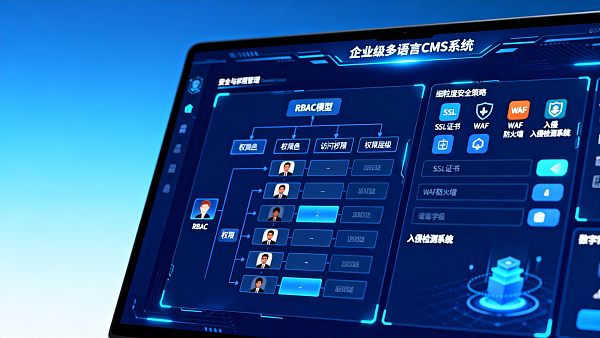
Permission management impacts both security and team efficiency. Enterprise multilingual CMS should support RBAC (Role-Based Access Control) and ABAC (Attribute-Based Access Control) for regional/department/partner variations. Key roles include: Super Admin (system configuration), Business Manager (site/domain management), Content Editor (drafting), Translation Reviewer (MT+human QA), SEO Manager (TDK strategies), and DevOps (deployment/rollback). For external translators/partners, implement temporary credentials, restricted API keys, and IP whitelisting following least-privilege principles.
Establish standardized content lifecycles: Creation → MT/First Draft → Human Localization → SEO Optimization (hreflang/canonical checks) → Pre-Publish Review → Live. Version control, diff previews, approval chains, and rollback points reduce human errors. SSO (Single Sign-On), MFA (Multi-Factor Authentication), and session management prevent credential misuse. AI-powered multilingual website builders accelerate content production while maintaining human oversight for compliance.
III. Localization & SEO Workflows: Best Practices for Human-Machine Collaboration
High-quality multilingual sites require localization—not just translation. Adopt a three-phase workflow: Machine Translation + Glossary/Terminology Database + Human Review, managed via TMS (Translation Management System). For SEO, choose subdomains (en.example.com) or subdirectories (example.com/en) based on geo-targeting and search engine indexing strategies. Proper hreflang tags and multilingual sitemaps prevent duplicate content issues.

Embed keyword research and TDK (Title/Description/Keywords) optimization into localization workflows. AI-powered keyword expansion and TDK generation tools create multiple title/meta description variants during drafting, with search volume/competition feedback loops for manual refinement. Combined with global SEO capabilities—dynamic string replacement, structured data localization, and geo-specific sitemaps—this enhances organic traffic and conversions.
IV. Deployment, Performance & Growth: From Stability to Scalability
Post-launch enterprise multilingual CMS must address performance and growth: Ensuring stability while converting traffic into business value. Performance optimization includes global CDN, smart caching, lazy loading, and edge computing—supplemented by stress testing and real-time monitoring for multilingual pages under high concurrency. CI/CD automation and blue-green deployments enable seamless updates with rapid rollback capabilities.
For growth, integrate technical and marketing workflows: Implement data tracking and user behavior analysis to optimize traffic sources and content performance. Connecting websites with social media/ad platforms (e.g., Facebook Ads) and precision remarketing significantly improves lead acquisition. EasyWeb's ad services have helped clients achieve 40%+ CTR increases, 65% higher order values, 1:8.3 ROAS, and 37% lower CAC through targeted campaigns.
Establish 24/7 monitoring with automated alerts and A/B testing for continuous page/ad optimization. For cross-border eCommerce/B2B, combine remarketing with onsite behavior tracking to build efficient acquisition/retention loops—maximizing long-term value from global SaaS platforms.
Conclusion & Next Steps
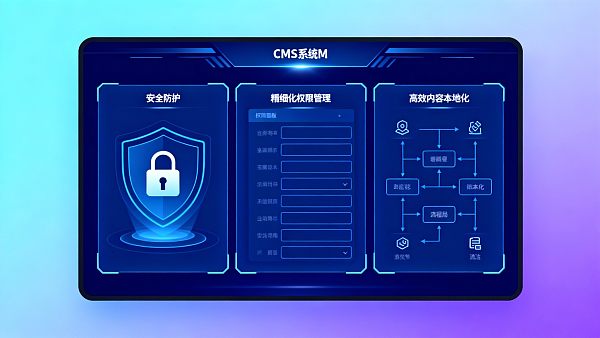
This guide provides actionable enterprise multilingual CMS deployment strategies across security, governance, localization, and performance—tailored for foreign trade websites and global SaaS platforms. EasyWeb combines AI keyword expansion, automated TDK generation, and global CDN acceleration to help businesses achieve compliant, secure, and efficient operations. Our end-to-end services—from deployment to conversion—include technical implementation, content localization, SEO optimization, and ad management, transforming capabilities into measurable outcomes.
For a free consultation or customized implementation plan, contact our team to evaluate your enterprise multilingual CMS deployment. Explore more solutions and success cases by reaching out to EasyWeb—let’s begin your global growth journey.
- Foreign Trade Website
- SSL Certificate
- Facebook Ads
- Campbell (name)
- SEO
- SEO optimization
- Global CDN Acceleration
- Multilingual Foreign Trade Website System
- Global Website SaaS Platform
- Cross-border E-commerce Website
- Responsive self-service website system
- AI multilingual website system
- Global SEO Website System
- Geo-targeted Website Solution
- Enterprise Multilingual CMS
- Global website SaaS system
- Foreign Trade Website System
- Multilingual Website System
Related Articles



Related Products
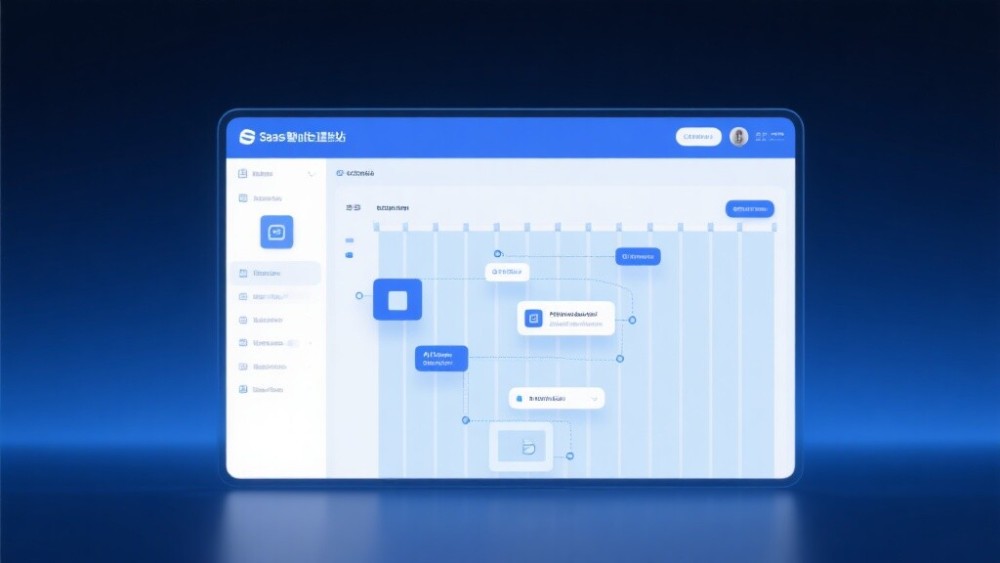
 EYB SaaS Intelligent Station Building and Marketing SystemYiyingbao SaaS intelligent station building and marketing system, AI-driven zero-code station building, 10-minute rapid construction of multi-language foreign trade independent station, global server acceleration, AI intelligent SEO optimization, help enterprises efficiently connect to the global market. The perfect fusion of technology and operation, so that foreign trade station building simple to the extreme!
 AI+SEM Intelligent Advertising Marketing SystemAI+SEM drives intelligent campaign creation, empowering full-funnel precision advertising marketing. The system automatically generates weekly/monthly reports, AI-recommends keywords and target countries, monitors core metrics in real-time with intelligent alerts, and enables one-click high-conversion campaign launches to accelerate lead acquisition and boost ROI.
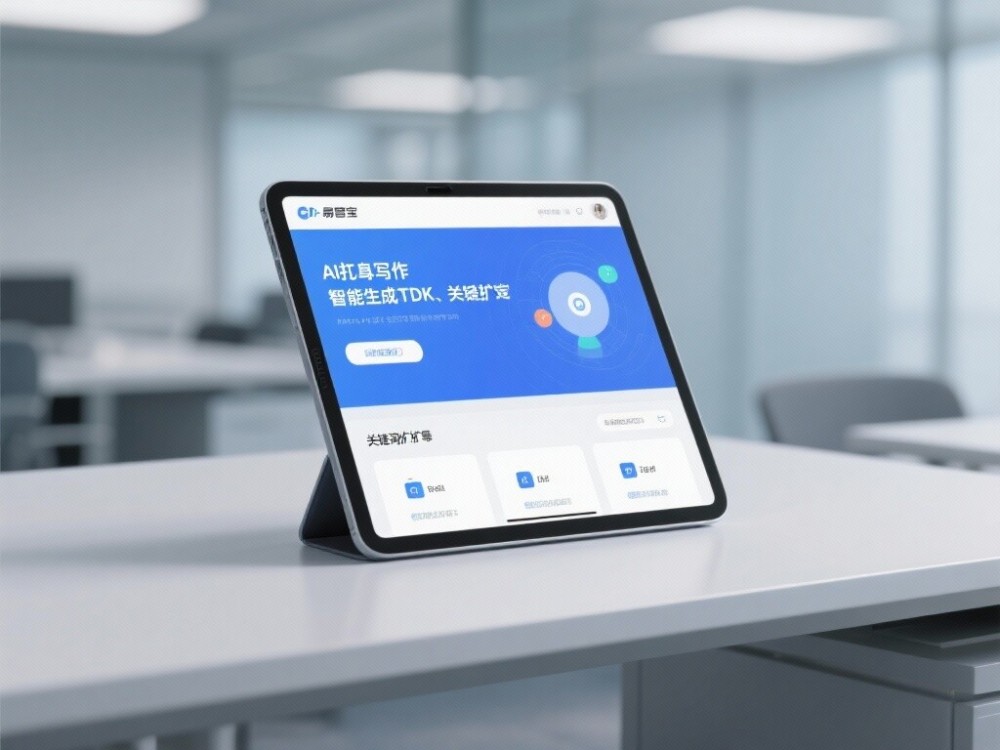
 AI+SEO Dual-Engine System Optimization ServiceE-Yingbao AI+SEO Dual-Engine Optimization System leverages AI-powered keyword mining, content generation, and comprehensive technical optimization to help export-oriented enterprises capture high-quality organic traffic, significantly boosting search rankings and conversion rates.
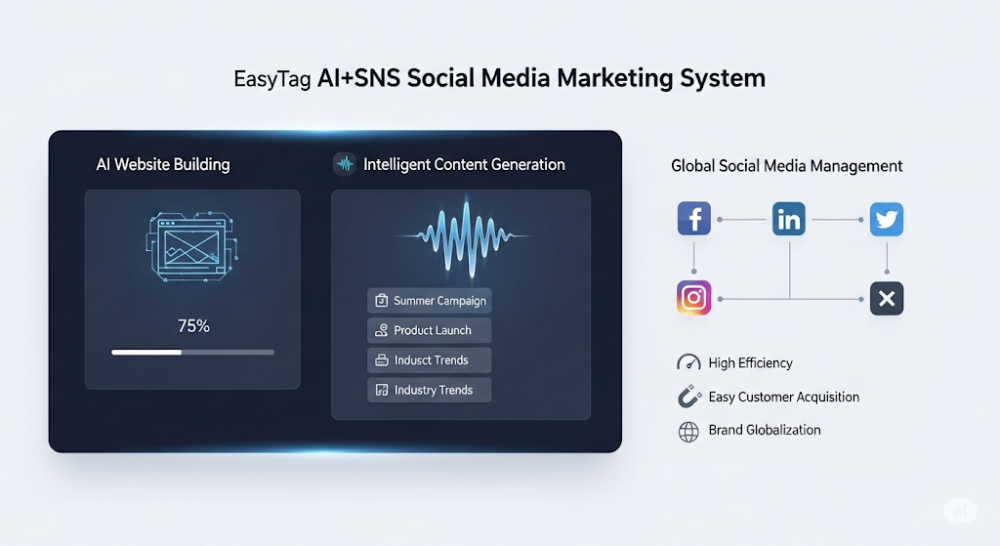
 AI + SNS Social Media Full Intelligence Marketing SystemEYBao AI+SNS Social Media All Intelligent Marketing System - Precise social capture in the era of social media, supporting one-click synchronization of content on mainstream platforms such as Facebook, LinkedIn, etc., AI intelligent rewriting of postings to enhance the degree of adaptability, 24/7 intelligent customer service and user profile analysis, helping enterprises to efficiently expand the global market.
 AI+SEO Marketing SolutionEasyWin AI+SEO Marketing Solution leverages AI-powered batch content creation, intelligent TDK generation, and precise keyword expansion to comprehensively optimize website SEO performance, boosting traffic and conversion rates. Helps businesses build a highly efficient intelligent website ecosystem.
 AI+SEM Advertising & Marketing SolutionsAI+SEM advertising and marketing solution utilizes AI intelligent technology to deeply empower SEM advertising. Through AI intelligent generation of weekly/monthly reports, multi-dimensional presentation of account data, a comprehensive grasp of the effectiveness and trends of advertising, AI precise recommendation of keywords and countries, intelligent generation of high-conversion advertisement language, a key to start the efficient advertising program, helping enterprises to quickly acquire customers. At the same time, the system monitors the core indicators in real time, intelligently recognizes fluctuation abnormalities and warns them in time to ensure stable and high return of advertising effect.
 Domain Name ServicesEasy Operation provides professional domain services, including intelligent query, one-stop registration, brand protection, and full-cycle management, helping enterprises build a digital brand image.
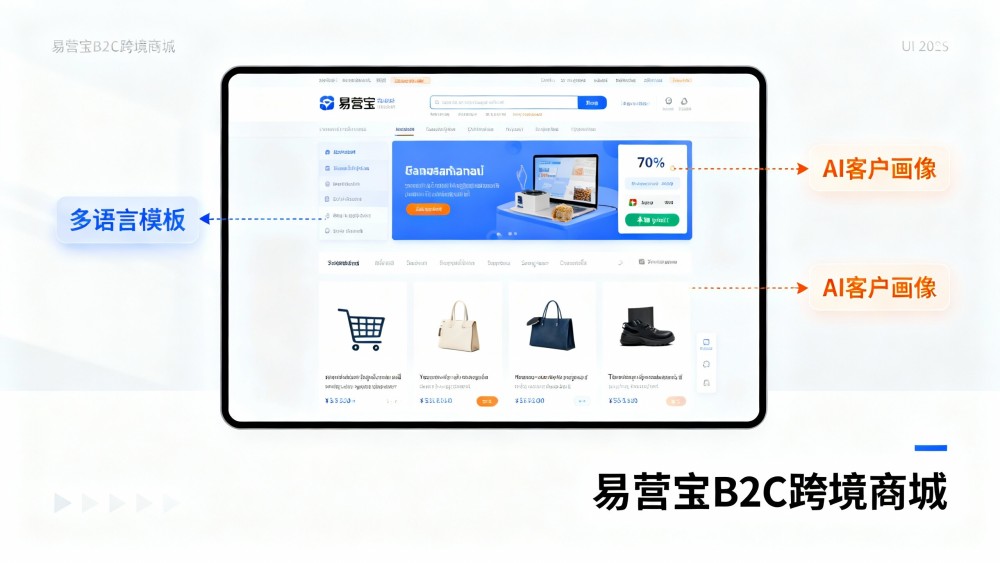
 EasyStore B2C Cross-border E-commerce Platform, Independent SiteEasyStore B2C Cross-border E-commerce Independent Store is an intelligent website building and cross-border e-commerce integrated solution independently developed by EasyStore Information Technology (Beijing) Co., Ltd. The system is specifically designed for small, medium, and large export enterprises, integrating 'website building, operation, marketing, advertising, and conversion' into one platform, helping businesses quickly establish cross-border e-commerce independent stores to achieve brand globalization and global sales growth.
The platform supports multiple languages, currencies, and multi-channel marketing, with built-in AI intelligent translation and SEO optimization systems, suitable for mainstream markets such as Southeast Asia, Europe & America, Latin America, and the Middle East, assisting Chinese manufacturing enterprises in efficiently deploying international e-commerce strategies. SSL CertificateEasyCert provides professional SSL security certificate services, including single-domain and wildcard certificates, ensuring encrypted data transmission, identity verification, and integrity protection for websites. This empowers businesses to establish secure and trustworthy online business environments.