- Which company provides the best multilingual website construction services for foreign trade? How should companies of different scales choose suppliers2026-01-17View details
- What is the role of HTTPS for websites? Why is the decision-making level increasingly emphasizing digital trust systems2026-01-15View details
- What is Global CDN Acceleration? Key Considerations for Enterprise Selection from Architecture to Cost2026-01-16View details
- What are the low-cost customer acquisition solutions suitable for SMEs? The practical path of integrating search and social media2026-01-17View details
- EasyYunbao Usage Evaluation: The Real Performance of Intelligent Website Building Platforms in B2B Official Website Applications2026-01-15View details
- What are the low-cost customer acquisition solutions suitable for small and medium-sized enterprises? 2024 Marketing Practical Guide2026-01-17View details
- The Era of GEO Has Arrived: Rankings No Longer Matter, Appearing in AI Responses is the Key to Foreign Trade Lead Generation2026-01-14View details
- EasyOperate GEO Layout: How to Become the 'Priority Recommendation' of AI Engines Through Structured Brand Semantics?2026-01-15View details
Does website performance affect the number of inquiries? How B2B enterprises can quantify the impact of website speed on customer conversion
Does website performance affect inquiry volume? In the fiercely competitive B2B market, website loading speed, SEO optimization, and HTTPS security directly determine conversion rates and customer trust. This article will deeply analyze how website experience impacts conversion rates and explore how AI and global CDN acceleration can help businesses efficiently acquire customers. For B2B enterprises, a website is not just a "storefront" but a core link connecting customers to sales. When loading time increases from 3 seconds to 6 seconds, the average bounce rate can rise by 70%, and inquiry rates may drop by nearly half. Businesses leveraging AI-powered website building and CDN acceleration typically achieve 2-3 times higher conversion rates than non-optimized websites. Therefore, website performance is no longer an optional technical feature but a critical variable in customer acquisition strategy.
Why is website loading speed crucial? The direct relationship between performance and inquiry volume
In B2B digital marketing, website performance determines whether customers are willing to learn more about your business and submit inquiries. Research shows that a 1-second delay in page loading can reduce conversion rates by 7%. Common issues foreign customers face when accessing China-hosted websites include slow page loading, failed form submissions, and image delays—all severely impacting user experience. Search engines also consider loading speed as a ranking factor, meaning performance improvements affect both user satisfaction and visibility on Google and Bing. In other words, slower speeds lead to greater traffic loss and fewer inquiries. Unlike B2C consumers, B2B clients typically decide whether to submit a quote request within the first 30 seconds of visiting a site, making "speed" the new trust benchmark. Multilingual smart websites with CDN can reduce cross-regional latency by 40%, which is particularly critical for export-oriented businesses. For hesitant companies, a stable multilingual website equates to an efficient international sales channel.
What role does HTTPS play? Dual enhancement of security and trust
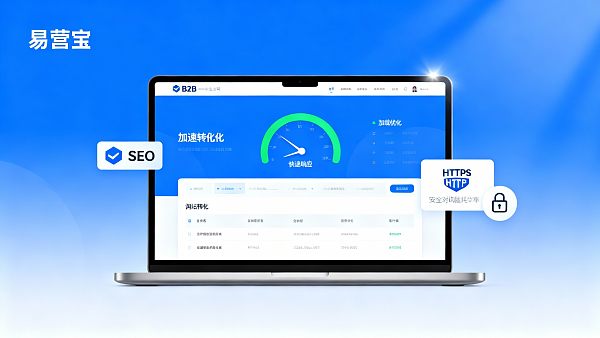
Beyond speed, website security significantly impacts inquiry rates. Some businesses still use HTTP during debugging, triggering browser "not secure" warnings that deter potential clients. HTTPS encrypts communication channels, prevents data leaks, and positively affects search rankings. Google has treated HTTPS as a default security standard since 2018, assigning higher ranking weight. For B2B enterprises, inquiry forms often contain sensitive information like emails, phone numbers, and company details—unencrypted transmission risks severe data breaches. Thus, HTTPS deployment not only safeguards data but also boosts credibility, making visitors more willing to share contact details. Note that HTTPS certificate renewal and chain optimization must align with server performance and CDN configuration to avoid "handshake delays." Smart website systems like EasyYun automate SSL issuance and management, eliminating conflicts between security and speed while helping businesses steadily improve inquiries and conversions.
How does CDN improve website access speed? What is global CDN acceleration?
Many businesses face the universal challenge of "slow overseas website access" when going global. CDN (Content Delivery Network) technology addresses this by deploying distributed nodes worldwide, allowing visitors to retrieve data from nearby locations, significantly reducing latency and improving first-screen speed. Take global CDN-accelerated B2B export websites as an example: intelligent scheduling and caching mechanisms enable direct return from edge nodes for hot resources, dynamic origin optimization, and edge security protection—elevating website availability and stability. Its "static resource acceleration" automatically distributes images, JS, and CSS files with versioning strategies, ensuring global users always access the fastest resources. "Dynamic origin optimization" reduces cross-border handshake delays via protocol reuse and compression, keeping forms, searches, and inquiries seamless. Additionally, intelligent health detection automatically reroutes traffic during node anomalies, avoiding regional slowdowns. Post-CDN deployment, businesses typically see 30% lower bounce rates, 45% faster page loads, and stronger SEO foundations.
AI-powered websites and performance quantification: How to make content AI-search-friendly?
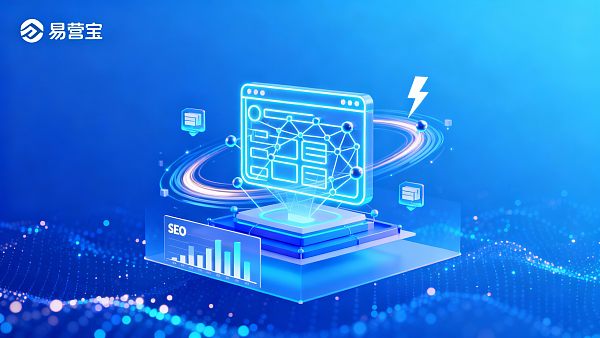
In the AI-driven search era, integrating performance with SEO content is the new competitive frontier. AI algorithms favor structurally clear, fast-loading, and semantically complete content. Thus, AI-powered platforms like EasyYun’s marketing engine don’t just auto-generate pages—they use big data and machine learning to monitor performance metrics (e.g., TDK structure, image loading, keyword density, HTTP request latency) and provide optimization suggestions. AI helps businesses quickly build standalone sites while quantifying the correlation between "user wait time and conversion." For instance, when AI detects pages averaging >4s load time, it auto-triggers image compression/caching strategies and predicts conversion drop rates. For operators, this means data-driven decisions via AI reports tracking the "performance → experience → inquiry" closed loop. Further, AI-generated content combined with NLP ensures each page’s semantics better match search intent, increasing AI-recommendation probability. This "structured semantics + instant loading" dual-engine approach elevates brand authority and visibility in global search ecosystems.
How to achieve conversion uplift through integrated optimization? Case studies and trends
B2B enterprises should adopt a "quantify, monitor, iterate" methodology for performance optimization. First, use speed/heatmap tools to correlate loading speed, first-paint time, and form conversion rates. Second, align technical improvements with business goals—e.g., translating every 0.5s performance gain into projected inquiry growth. Industry cases show manufacturing websites deploying CDN+HTTPS achieve 28% higher conversions, with inquiries rising ~17% post-AI content generation. Website security also increasingly impacts SEO—HTTP sites typically drop ≥3 rankings post-algorithm updates. Future trends indicate global website competition will shift from "speed" to "stability, intelligence, and reliability." Businesses building overseas sites/multilingual standalone sites must prioritize CDN, security, and AI. For example, in export sectors, combining global CDN-accelerated B2B websites enables rapid content distribution and cross-border optimization, boosting inquiries and professional branding. This tech-enabled experience upgrade is becoming essential infrastructure for winning international trust.
Conclusion and call to action: Make performance your B2B growth engine
In summary, website performance, HTTPS security, AI content optimization, and global CDN collectively shape B2B inquiry volume. High-performance websites enhance both user experience and professional credibility, driving holistic growth in inquiries and form submissions. For globally ambitious businesses, performance optimization has evolved from backend technicalities to brand strategy. Choosing AI-driven marketing services like EasyYun delivers end-to-end solutions from building to conversion. Its AI+CDN dual-engine achieves "global reach, second-level response" access experiences, helping businesses acquire customers precisely and cost-efficiently. To quantify how speed impacts conversions or evaluate optimization solutions, contact us—let tech-driven digital marketing fuel your growth.
- Platform
- Website security
- Search Engine Ranking
- Multilingual standalone site
- Campbell (name)
- SEO
- Independent site
- Intelligent website building system
- SEO Optimization
- Smart Website
- EasySite Intelligent Website Builder
- AI Marketing Engine
- Global CDN Acceleration
- Multilingual website
- B2B Website for Foreign Trade
- Smart Website Platform
- AI Website
- How to make website content recommended by AI search?
- Why is website loading speed so important?
- What is global CDN acceleration?
- How does CDN improve website access speed?
- What is the role of HTTPS for a website?
- Will website performance affect the number of inquiries?
Related Articles


Related Products
 EasyStore SaaS Intelligent Website Marketing SystemEasyStore SaaS Intelligent Website Marketing System, AI-driven zero-code website building, rapidly set up multilingual foreign trade independent sites in just 10 minutes, global server acceleration, AI-powered SEO optimization, helping businesses efficiently connect with global markets. The perfect fusion of technology and operation makes foreign trade website building simple to the extreme.
 AI+SEM Intelligent Advertising Marketing SystemAI+SEM drives intelligent campaign creation, empowering full-funnel precision advertising marketing. The system automatically generates weekly/monthly reports, AI-recommends keywords and target countries, monitors core metrics in real-time with intelligent alerts, and enables one-click high-conversion campaign launches to accelerate lead acquisition and boost ROI.
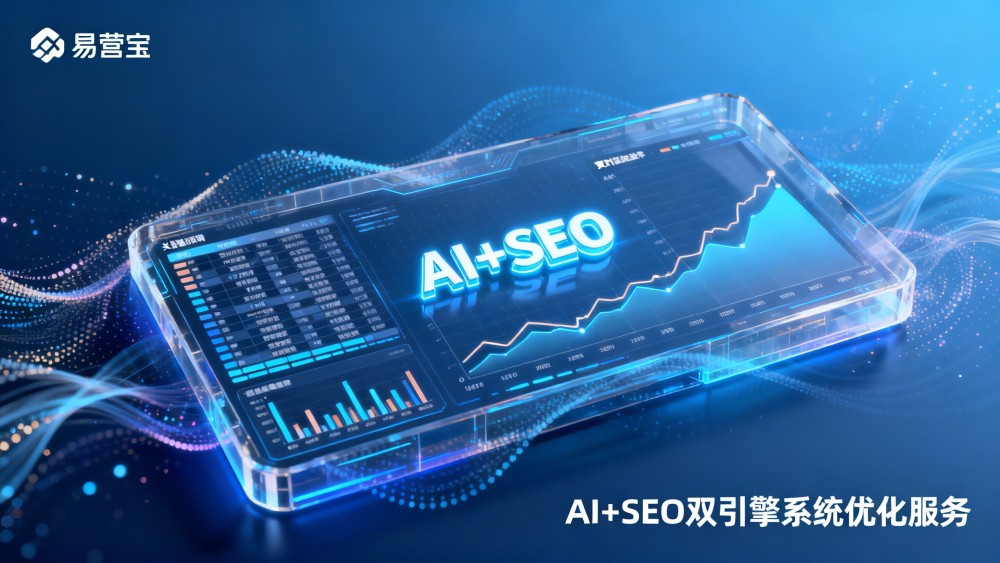
 AI+SEO Dual-Engine System Optimization ServiceE-Yingbao AI+SEO Dual-Engine Optimization System leverages AI-powered keyword mining, content generation, and comprehensive technical optimization to help export-oriented enterprises capture high-quality organic traffic, significantly boosting search rankings and conversion rates.
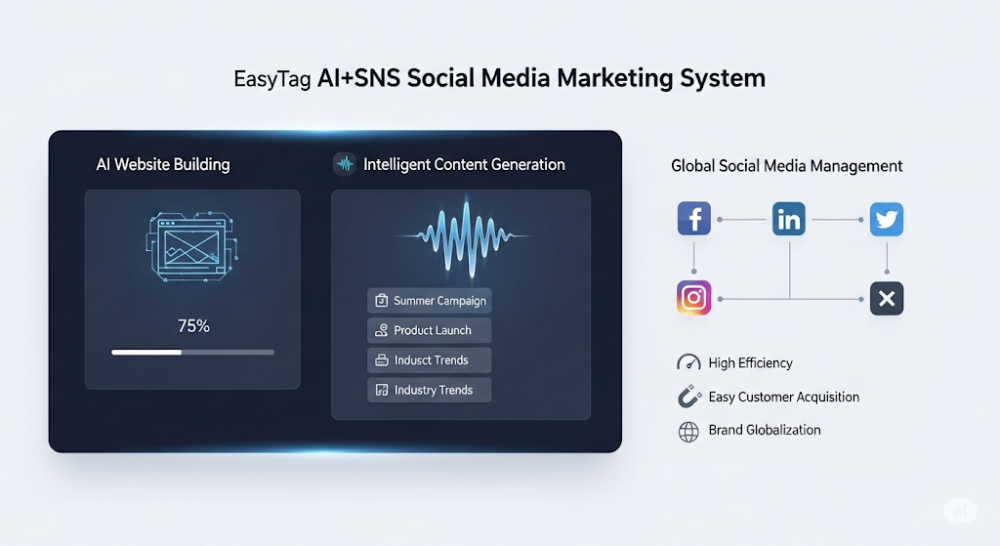
 AI + SNS Social Media Full Intelligence Marketing SystemEYBao AI+SNS Social Media All Intelligent Marketing System - Precise social capture in the era of social media, supporting one-click synchronization of content on mainstream platforms such as Facebook, LinkedIn, etc., AI intelligent rewriting of postings to enhance the degree of adaptability, 24/7 intelligent customer service and user profile analysis, helping enterprises to efficiently expand the global market.
 AI+SEO Marketing SolutionEasyWin AI+SEO Marketing Solution leverages AI-powered batch content creation, intelligent TDK generation, and precise keyword expansion to comprehensively optimize website SEO performance, boosting traffic and conversion rates. Helps businesses build a highly efficient intelligent website ecosystem.
 AI+SEM Advertising & Marketing SolutionsAI+SEM advertising and marketing solution utilizes AI intelligent technology to deeply empower SEM advertising. Through AI intelligent generation of weekly/monthly reports, multi-dimensional presentation of account data, a comprehensive grasp of the effectiveness and trends of advertising, AI precise recommendation of keywords and countries, intelligent generation of high-conversion advertisement language, a key to start the efficient advertising program, helping enterprises to quickly acquire customers. At the same time, the system monitors the core indicators in real time, intelligently recognizes fluctuation abnormalities and warns them in time to ensure stable and high return of advertising effect.
 Domain Name ServicesEasy Operation provides professional domain services, including intelligent query, one-stop registration, brand protection, and full-cycle management, helping enterprises build a digital brand image.
 EasyStore B2C Cross-border E-commerce Platform, Independent SiteEasyStore B2C Cross-border E-commerce Independent Store is an intelligent website building and cross-border e-commerce integrated solution independently developed by EasyStore Information Technology (Beijing) Co., Ltd. The system is specifically designed for small, medium, and large export enterprises, integrating 'website building, operation, marketing, advertising, and conversion' into one platform, helping businesses quickly establish cross-border e-commerce independent stores to achieve brand globalization and global sales growth.
The platform supports multiple languages, currencies, and multi-channel marketing, with built-in AI intelligent translation and SEO optimization systems, suitable for mainstream markets such as Southeast Asia, Europe & America, Latin America, and the Middle East, assisting Chinese manufacturing enterprises in efficiently deploying international e-commerce strategies. SSL CertificateEasyCert provides professional SSL security certificate services, including single-domain and wildcard certificates, ensuring encrypted data transmission, identity verification, and integrity protection for websites. This empowers businesses to establish secure and trustworthy online business environments.