









- China-Europe Railway Express and CIIE Hold Business Matchmaking Event, Focusing on Cross-Border E-commerce B2B ExportsNov 07, 2026View details
- China’s Ministry of Commerce Responds to Additional Charges on Low-Value Imports Imposed by the EUNov 06, 2026View details
- Two Internet Development Reports Released at the 2026 World Internet ConferenceNov 05, 2026View details
- Internet Business Revenue of Enterprises Above the Designated Size Reached RMB 1.716 Trillion in the First Three Quarters, with Profits Up 17.6%Nov 05, 2026View details
- Shopify's Third-Quarter Revenue and GMV Fall Short of Expectations, Sending Shares Tumbling Before the Market OpensNov 04, 2026View details
- Temu Sellers See a Decline in Traffic as the Platform’s Traffic Allocation ShiftsNov 04, 2026View details
How to Plan the Inquiry Journey for a Cross-Border B2B Brand Website: From Product Page to Form
The inquiry path on a B2B cross-border brand website is not simply a matter of placing a form at the bottom of a page. An effective path first helps overseas buyers confirm whether a product is suitable and whether the supplier can meet their project requirements. It then guides them to the relevant form through a clear call-to-action button and lets them know what will happen after submission.
When planning the path, first distinguish between different inquiry intents: some buyers need a quote for a standard product, others need a drawing review or a customized solution, while some only want to confirm certifications, lead times, and supply scope. If every entry point leads to the same form with a long list of required fields, buyers must explain their needs themselves, and sales staff will find it difficult to determine who should follow up.
Start with the Product Page to Reduce Uncertainty Before an Inquiry
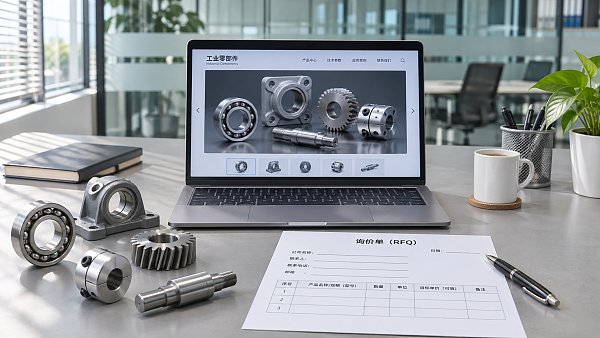
A product page does more than showcase a product; it should also help visitors decide whether it is worth getting in touch. For equipment, components, or industrial materials, key information should be organized around purchasing decisions: main specifications, applications, available configurations, materials or processes, scope of delivery, and technical documents that can be provided, where applicable.
The level of detail should match the complexity of the decision for each product. For standard products, highlight model numbers, dimensions, performance parameters, and ordering information. For customized equipment, explain the operating conditions, capacity range, interface requirements, and which parameters need to be confirmed by both parties. Certification information should specify the products or models covered by each certificate to avoid giving visitors the impression that it applies to every product.
When prices depend on configuration, quantity, destination, or trade terms, the page does not need to provide a uniform quote that cannot be honored. It should, however, explain the main factors that affect pricing. For example, “Please provide your target output, material characteristics, and delivery country so we can evaluate the configuration and pricing” helps visitors prepare the necessary information more than simply stating “Price upon request.”
For visitors who have not yet selected a model, you can provide a specification sheet, a selection guide, or links to related products before inviting them to make an inquiry. Do not require everyone to complete product selection before they can get in touch. If a form is required to download materials, assess whether the value of those materials justifies collecting information, and avoid turning content intended to build trust into an additional barrier.
Match Each Call-to-Action Button to a Specific Task
Button text should answer the question, “What can I do after clicking?” Standard product pages can use “Get a Quote,” while customized product pages can use “Submit Project Requirements” or “Discuss a Technical Solution.” Products involving samples can have a separate “Request a Sample” button. The clearer the button’s purpose, the easier it is for visitors to understand what information they need to provide in the form.
A page can include both primary and secondary actions, but their hierarchy should be clear. For example, place “Get a Quote” near the product name and key specifications, and provide another entry point near the detailed specifications or at the end of the page, with “View Technical Documents” as a secondary option. On mobile devices, check that floating elements do not obscure the buttons and that the clickable areas are easy to use.
The form does not always need to open on a separate page. Simple quote requests can expand within the product page or direct visitors to a form lower down the page. More complex project inquiries may use a dedicated page with enough space to upload drawings and provide operating details. In either case, retain information about the product the visitor came from so they do not have to look up the model again after navigating.
Design Form Fields Around the Information Needed for Follow-Up
The main purpose of an inquiry form is to collect enough information to start the next conversation, not to complete customer qualification in one step. Basic fields may include name, work email, company name, and inquiry details. Depending on business needs, you can also add the product model, quantity, or project location, which are directly relevant to pricing.
Distinguish between required and optional fields. For a standard product inquiry, you can require the model and estimated quantity. For a custom project, you can add the application, key parameters, and expected delivery time, and allow file uploads. If visitors do not yet have complete specifications, let them enter “Not sure” or describe their current stage in the inquiry details to avoid losing the inquiry because they cannot answer a question.
For file uploads, clearly state the supported formats, size limits, and error messages. When drawings or project documents are involved, explain how the files will be used, who can access them, and how they will be stored. If the website cannot provide a secure transfer method that meets the requirements, let visitors submit their basic requirements first, then have your team provide an appropriate way to exchange documents.
For multilingual forms, do not translate only the headings and buttons. Field instructions, required-field errors, upload failures, and submission confirmation pages should also be in the relevant language. Check that input rules for countries or regions and phone numbers are suitable for the target market. Do not block valid phone numbers with overly strict format validation, or assume that every business uses the same address format.
Near the form, explain how the information will be used and how visitors can learn about your privacy practices. Whether consent is required and how options should be presented should be determined based on the applicable laws in each region and actual data-handling practices. Keep the information collected for a quote request separate from marketing subscriptions.
The Inquiry Process Should Continue After Submission
A confirmation message should at least confirm that the inquiry has been received and explain how the visitor will be contacted and what to expect next. Promise a specific response time only if your team can actually meet it. If receipt cannot be confirmed automatically, the page should not display a misleading success message.
The website should pass the inquiry details, source page, language, and submission time to the responsible staff member or customer management system. The source product can help determine the follow-up direction, but visitors should still be able to modify their requirements: coming from a particular product page does not mean they have decided to purchase that model. Businesses operating in multiple regions also need clear assignment rules to prevent inquiries from going unanswered or receiving duplicate follow-ups.
For budgeting and project coordination, a website revamp should also clearly assign responsibility for page content, form configuration, lead assignment, and acceptance testing. For a further discussion of performance assessment mechanisms, see Implementation Challenges and Optimization Paths for Applying the Balanced Scorecard to Budget Assessment in Aluminum Processing Enterprises; however, the inquiry path itself should primarily be evaluated based on whether customers can submit inquiries smoothly and the team can follow up effectively.
Test the Real User Journey Before Launch
Do not just check whether the form opens. Test it from product pages, on mobile devices, and in different language versions. Submit a quote request and verify that product information is carried over, required-field messages are clear, attachments upload correctly, a confirmation message appears, and the responsible staff member receives the complete inquiry. If submission fails, also confirm that the visitor’s entered information is not lost without warning.
After launch, track product page visits, button clicks, form starts, and successful submissions as separate steps, then analyze drop-off points alongside the quality of inquiries received. If few visitors click the button, review its placement and whether the page provides enough information to support a decision. If many start filling out the form but abandon it, review the fields, validation, and upload restrictions. If there are plenty of submissions but they cannot be followed up, revisit the required information and internal routing rules.
Data from these steps is useful for identifying problems, but it cannot by itself prove inquiry quality or sales results. To determine whether the path is effective, also consider sales team feedback: are submitters clear about their product requirements, can the team contact them promptly, and are inquiries entering the appropriate quoting or technical evaluation process?
Related Articles
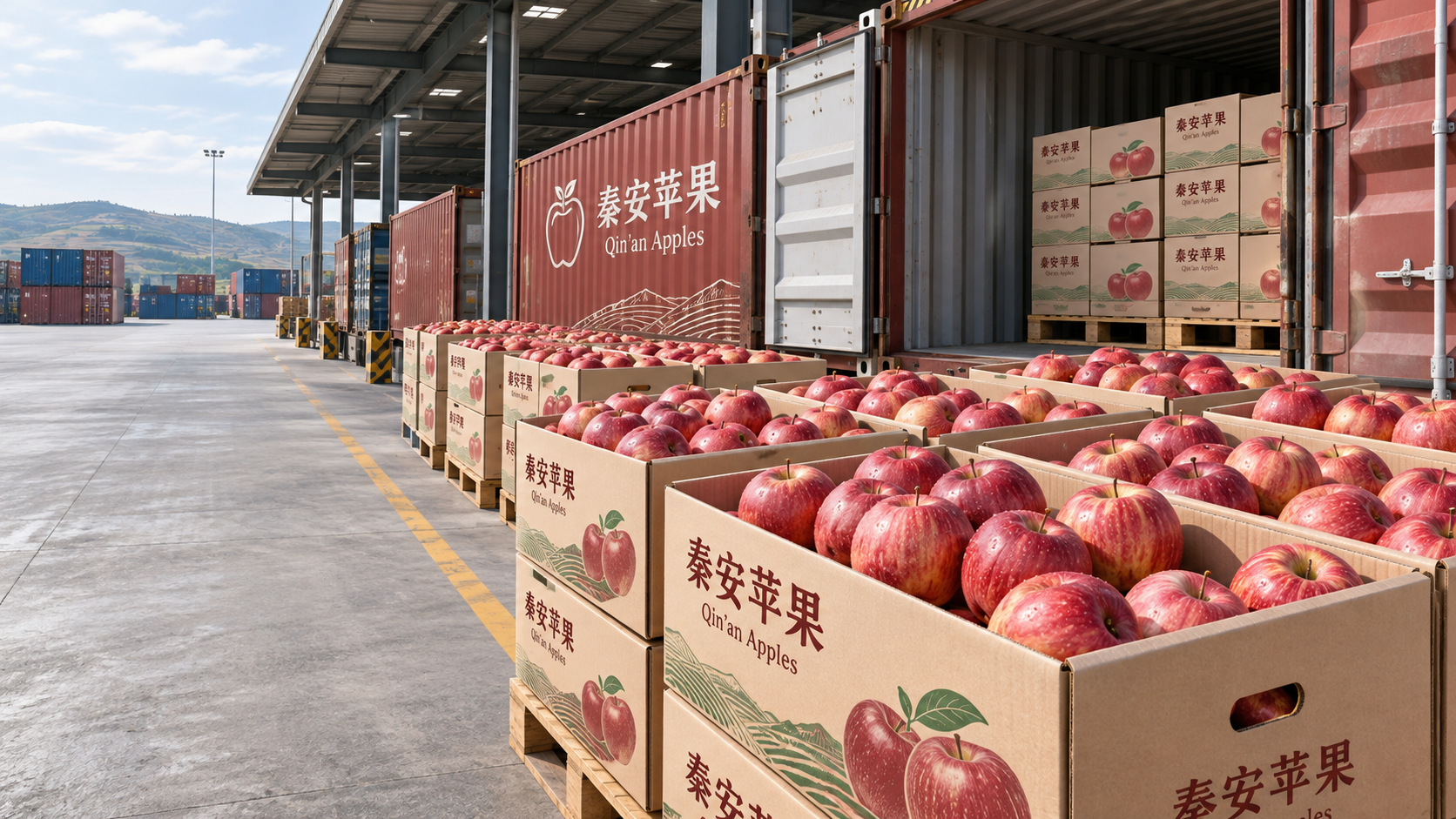
 Gansu’s First: 96 Tonnes of Qin’an Apples Exported to Gabon via Cross-Border E-Commerce
 How Can You Tell Whether a Lead from Export Marketing Is Qualified?
 What Is Overseas Search Lead Generation? The Path from Search Intent to Qualified Inquiries

Related Products
 Yiyingbao SaaS Intelligent Website Building and Marketing SystemYiyingbao SaaS Intelligent Website Building and Marketing System, AI-powered no-code website building, rapid creation of multilingual B2B international websites in 10 minutes, global server acceleration, AI-powered SEO optimization, helping businesses connect efficiently with global markets. The perfect integration of technology and operation makes building an international trade website remarkably simple
 AI+SEM Intelligent Advertising Marketing SystemAI+SEM drives intelligent ad creation, empowering full-funnel precision advertising marketing. The system automatically generates weekly/monthly reports, AI recommends keywords and target countries, monitors core metrics in real-time with intelligent alerts, and enables one-click high-conversion ad solutions to help quickly acquire customers and improve ROI.
 AI+SEO Dual-Engine System Optimization ServicesYiyingbao’s AI+SEO dual-engine optimization system helps foreign trade enterprises acquire high-quality organic traffic through AI-powered keyword research, content generation, and comprehensive technical optimization, significantly improving search rankings and conversion rates.
 AI+SNS Social Media Marketing SystemYingbao AI+SNS Social Media Marketing System - Precision social capture for the social media era. Supports one-click content synchronization across major platforms like Facebook and LinkedIn. AI intelligently rewrites posts for enhanced relevance. 24/7 AI customer service and user profiling analysis empower businesses to efficiently expand into global markets.
 AI+SEO营销解决方案易营宝AI+SEO营销解决方案,通过AI批量写作、智能生成TDK、精准关键词扩词等功能,全面优化网站SEO效果,提升流量与转化率。助力企业构建高效智能网站新生态。
 AI+SEM Advertising Marketing SolutionsAI+SEM Advertising Marketing Solution leverages AI technology to deeply empower SEM ad campaigns. It automatically generates weekly/monthly reports using AI, presenting account data across multiple dimensions for comprehensive insights into campaign performance and trends. The system precisely recommends keywords and target countries, intelligently generates high-conversion ad copy, and enables one-click activation of efficient campaign plans to help businesses rapidly acquire customers. Simultaneously, it monitors core metrics in real time, intelligently identifies abnormal fluctuations, and issues timely alerts to ensure stable, high-return advertising results.
 Domain Name ServicesEasyWin provides professional domain name services, including intelligent queries, one-stop registration, brand protection, and full lifecycle management, helping businesses build a digital brand image.
 EasyOperate B2C Cross-Border E-Commerce Platform & Independent WebsiteEasyStore B2C Cross-border E-commerce Independent Store is an intelligent website building and cross-border e-commerce integrated solution independently developed by EasyStore Information Technology (Beijing) Co., Ltd. The system is specially designed for small and medium-sized as well as large export enterprises, integrating 'website building, operation, marketing, advertising, and conversion' into one, helping enterprises quickly establish cross-border e-commerce independent stores to achieve brand globalization and global sales growth.
The platform supports multiple languages, multiple currencies, and multi-channel marketing, with built-in AI intelligent translation and SEO optimization systems, suitable for mainstream markets such as Southeast Asia, Europe and America, Latin America, and the Middle East, assisting Chinese manufacturing enterprises in efficiently deploying international e-commerce strategies. SSL证书易营宝提供专业SSL安全证书服务,包括单域名和泛域名证书,确保网站数据传输加密、身份验证和完整性保护,助力企业建立安全可信的在线业务环境。









