









- Amazon Raises Fulfillment Fees Twice, Yet the Median Platform Fee Remains Around 40%Oct 22, 2026View details
- AliExpress and YouTube Partner to Expand Marketing Opportunities for Chinese Brands Going GlobalOct 22, 2026View details
- Publicis says AI marketing is developing at two speeds, with agentic AI helping win clientsOct 21, 2026View details
- Salesforce Plans to Acquire Braze for $5.66 Billion to Enhance AI Marketing CapabilitiesOct 21, 2026View details
- Levanta’s Inaugural China Summit Held in Shenzhen, Focusing on AI and Cross-Border Brand GrowthOct 20, 2026View details
- The October Edition of the 2026 GGE Shenzhen Cross-Border E-Commerce Expo OpensOct 20, 2026View details
What Features Should You Consider When Comparing Digital Marketing Platforms for Export Businesses?
What Features Should You Consider When Comparing Foreign Trade Digital Marketing Platforms
When many companies compare the features of foreign trade digital marketing platforms, the first questions they ask are often, “Can it build a website?” and “Can it run Google Ads?” These two questions are certainly important, but they are only the starting point. What truly affects subsequent customer acquisition efficiency is often whether the website, content, advertising, social media, data, and sales leads can work together. More platform features do not necessarily mean smoother day-to-day operations; if data is disconnected, pages are difficult to update, and language versions are disorganized, the marketing team will ultimately still have to switch repeatedly among spreadsheets, emails, and multiple back-end systems.
Foreign trade operations are particularly unsuitable for evaluating only standalone tools. B2B manufacturing companies need to acquire inquiries consistently and focus on product specification pages, industry application pages, and sales follow-up; cross-border brands place greater emphasis on product presentation, payments, advertising landing pages, and repurchase journeys. Whether a platform is suitable cannot be judged solely by whether its demo pages look attractive. It must be evaluated in the context of your own markets, product complexity, and team capabilities.
First, Assess Website-Building Capabilities: Fast Launch Is Not Enough
An overseas standalone website is the destination page for the entire marketing journey. Many platforms can generate a website in a short time, but what foreign trade companies actually need to update frequently later on are usually product categories, specification tables, downloadable materials, application cases, inquiry forms, and advertising campaign pages. Therefore, a website-building system should at least support visual editing, reusable page modules, mobile adaptation, and routine updates without relying on developers.
For companies with extensive product lines, such as equipment, building materials, and components, it is also necessary to assess whether product management can accommodate models, attributes, and related content. If hundreds of products are simply displayed in a flat list, visitors will find them difficult to filter, and search engines will also struggle to understand the page hierarchy. For a B2B website, product pages should ideally extend naturally to application scenarios, FAQs, certification materials, or supporting services, rather than containing only a few images and a “Contact Us” button.
Another frequently overlooked issue is asset ownership. Whether the company can control its domain name, page content, images, form leads, and traffic data, and how these can be migrated after the service expires, should be clearly specified before signing a contract. A website is a long-term asset, so decisions should not be based solely on the first-year website-building cost.
Multilingual Capability Is Not a Translation Button, but a Market Operations Capability
When targeting North America, Europe, the Middle East, Latin America, or the Japanese and Korean markets, multilingual functionality cannot be understood merely as one-click machine translation. The platform needs to allow different language versions to have independent titles, descriptions, images, form fields, and content schedules. For example, for the same type of industrial product, the English-speaking market may focus more on delivery capabilities and technical specifications, while German or Japanese pages typically have higher requirements for terminology accuracy and the completeness of materials; Arabic, Russian, and other markets also require confirmation that text direction, character compatibility, and localized presentation are stable.
A more practical way to assess this is: after adding a new language, can operations personnel set the corresponding URL, optimize page titles, maintain local-language content, and prevent pages in different languages from overwriting one another or becoming extensively duplicated? If a platform provides only automatic translation without room for subsequent proofreading and independent optimization, the time saved initially will often be lost later in content rework.

For SEO, Advertising, and Social Media, the Key Is Whether They Can Coordinate Around the Same Landing Page
When assessing the strengths and weaknesses of foreign trade digital marketing platforms, SEO, Google Ads, and social media operations should not be viewed separately. SEO requires editable page structures, metadata, link relationships, and content publishing mechanisms; advertising requires landing pages that can be quickly created by country, product, or purchase intent; visitors driven by social media need clear product value, trust-building information, and low-barrier conversion entry points.
One practical test is this: when the sales department requests “an English advertising page for a specific industry, along with an in-depth piece of content that can be indexed by search engines,” can the team complete it within one workflow? If the team needs to ask the website-building service provider to modify the page, have advertising staff configure tracking separately, and then ask content staff to upload the article separately, response speed will slow significantly, and advertising budgets will be less likely to accumulate into long-term organic traffic.
Data Analytics Should Be Able to Answer “Where Do Inquiries Come From?” Rather Than Merely Displaying Traffic
Traffic is only the starting point. Foreign trade companies should focus more on which countries and pages generate valid forms, whether visitors come from organic search, advertising, or social media, which product pages have short dwell times but no conversions, and whether leads generated by certain advertising campaigns enter sales follow-up. A platform does not necessarily need to replace professional data analytics systems, but it should at least support basic tracking, source identification, form events, and page performance reviews, and be able to integrate with the tools commonly used by the company.
It is also important to watch for situations where “the data is available, but nobody uses it.” Too many report items and unclear measurement criteria offer little support for decision-making. For small and medium-sized foreign trade teams, being able to regularly see high-value sources, key landing pages, and lead response status is usually more useful than a complex dashboard that no one maintains. If the sales team does not promptly label invalid inquiries or converted leads, the marketing team will also find it difficult to truly optimize its campaigns.
Service Boundaries and Technology Iteration Determine Whether a Platform Can Be Used for the Long Term
The value of integrating website and marketing services does not lie in handing everything over to the service provider, but in reducing the gaps between technology, content, and campaign delivery. Before choosing a platform, companies should clarify which content they will provide and which tasks the service team will perform; whether SEO optimization means basic setup or ongoing content work; who manages advertising accounts, creative materials, and data; and how response mechanisms will be arranged when page errors, tracking failures, or multilingual updates occur.
Taking service platforms such as Yiyingbao, which cover intelligent website building, cross-border online stores, SEO, advertising, and overseas social media, as an example, its self-developed cloud-based intelligent website-building system, AI advertising marketing system, and AI+SEO/GEO optimization capabilities are suitable for companies that want to advance standalone website development and multichannel customer acquisition within the same workflow. Yiyingbao Information Technology (Beijing) Co., Ltd. was established in 2013 and has long served foreign trade companies, manufacturing plants, cross-border sellers, and international brand expansion projects; however, whether it is a good fit should still depend on specific needs: Is the focus on B2B inquiries or operating a B2C online store? How many languages will be launched initially? Does the team have personnel to continuously update content and follow up on leads?
Over the past two years, AI-generated content and AI search visibility have also been mentioned frequently. Rather than looking only at feature names, companies should confirm whether the pages generated by the platform are convenient for manual review, whether they support the addition of real product information, and whether content quality can be continuously maintained. Technology can accelerate output, but it cannot replace an understanding of markets, products, and customer issues.
A platform truly worth investing in should allow companies to gradually turn a one-time website build and a one-time campaign into reusable content, page, and data assets. When comparing platforms, it is advisable to prepare a real task list and ask candidate platforms to demonstrate on-site: build a multilingual product page, configure an inquiry form, create an advertising landing page, and view source data. A solution that can smoothly complete these everyday tasks is usually more reliable than one with a longer feature list.
Related Articles
 Choosing an AI-powered multilingual website service for export businesses: How can you verify translation quality?
 Can a multilingual website translation platform preserve existing SEO settings?
 How can you test responsive design compatibility in a global website-building SaaS platform?
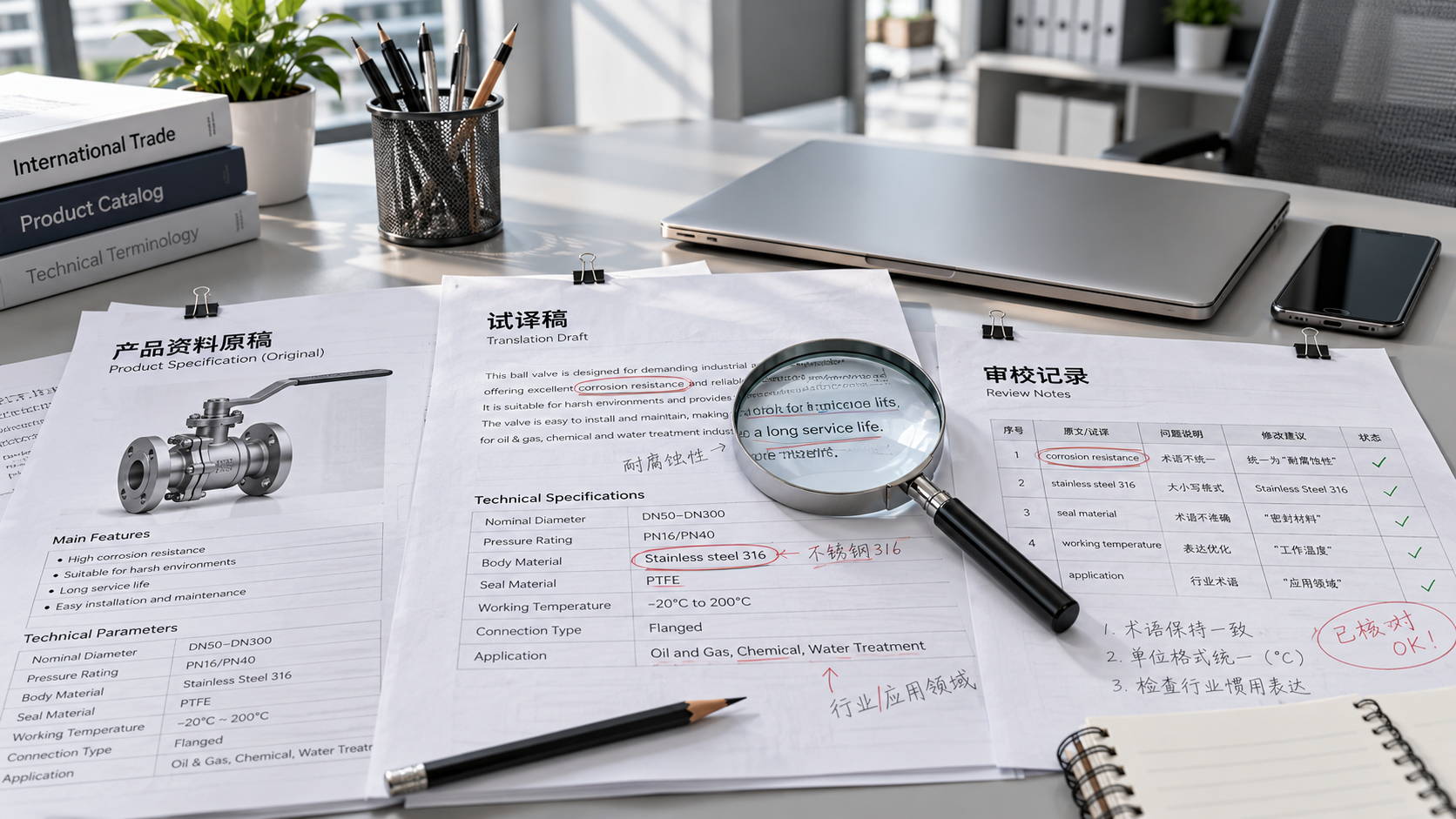
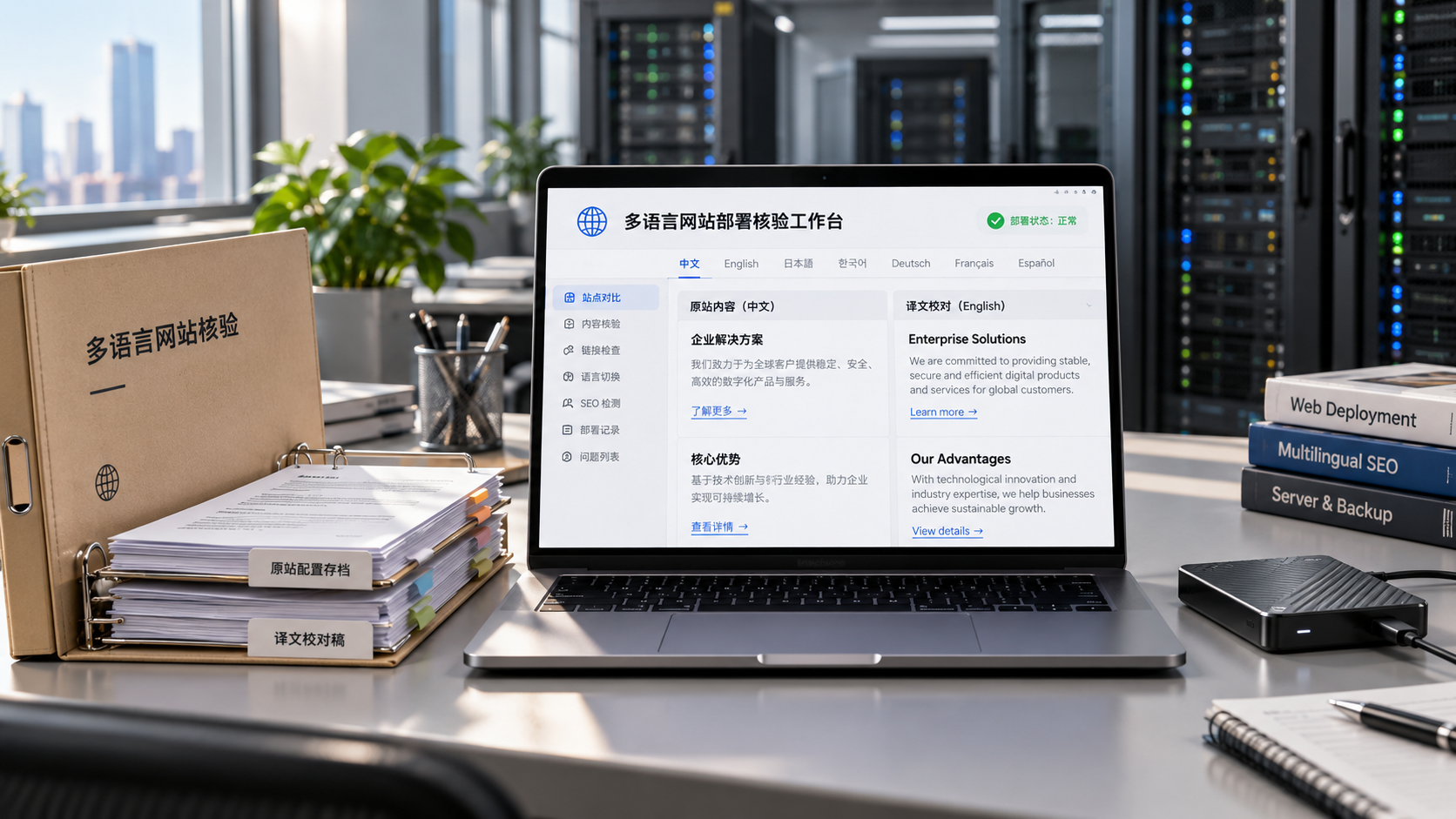
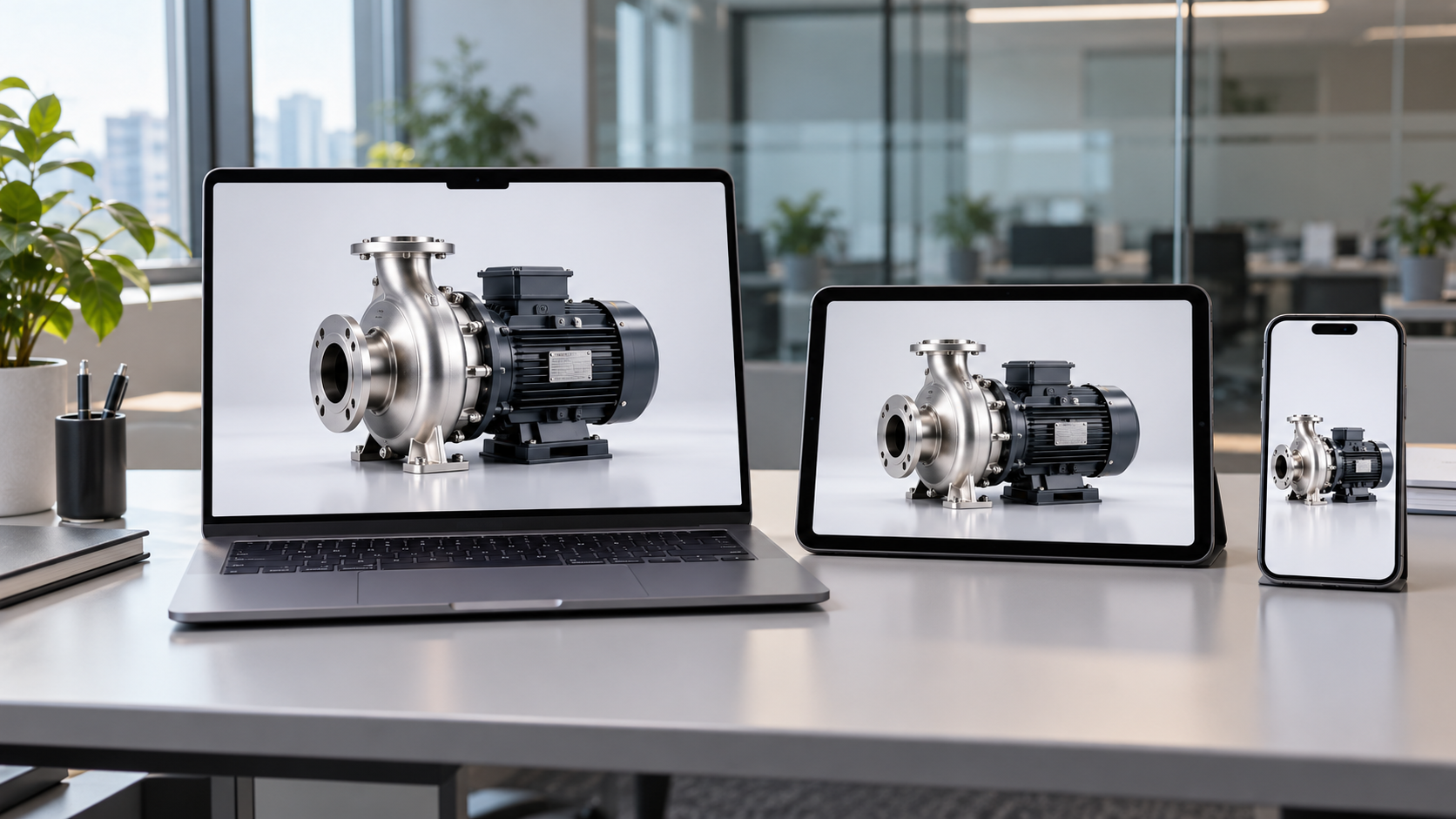
Related Products
 Yiyingbao SaaS Intelligent Website Building and Marketing SystemYiyingbao SaaS Intelligent Website Building and Marketing System, AI-powered no-code website building, rapid creation of multilingual B2B international websites in 10 minutes, global server acceleration, AI-powered SEO optimization, helping businesses connect efficiently with global markets. The perfect integration of technology and operation makes building an international trade website remarkably simple
 AI+SEM Intelligent Advertising Marketing SystemAI+SEM drives intelligent ad creation, empowering full-funnel precision advertising marketing. The system automatically generates weekly/monthly reports, AI recommends keywords and target countries, monitors core metrics in real-time with intelligent alerts, and enables one-click high-conversion ad solutions to help quickly acquire customers and improve ROI.
 AI+SEO Dual-Engine System Optimization ServicesYiyingbao’s AI+SEO dual-engine optimization system helps foreign trade enterprises acquire high-quality organic traffic through AI-powered keyword research, content generation, and comprehensive technical optimization, significantly improving search rankings and conversion rates.
 AI+SNS Social Media Marketing SystemYingbao AI+SNS Social Media Marketing System - Precision social capture for the social media era. Supports one-click content synchronization across major platforms like Facebook and LinkedIn. AI intelligently rewrites posts for enhanced relevance. 24/7 AI customer service and user profiling analysis empower businesses to efficiently expand into global markets.
 AI+SEO营销解决方案易营宝AI+SEO营销解决方案,通过AI批量写作、智能生成TDK、精准关键词扩词等功能,全面优化网站SEO效果,提升流量与转化率。助力企业构建高效智能网站新生态。
 AI+SEM Advertising Marketing SolutionsAI+SEM Advertising Marketing Solution leverages AI technology to deeply empower SEM ad campaigns. It automatically generates weekly/monthly reports using AI, presenting account data across multiple dimensions for comprehensive insights into campaign performance and trends. The system precisely recommends keywords and target countries, intelligently generates high-conversion ad copy, and enables one-click activation of efficient campaign plans to help businesses rapidly acquire customers. Simultaneously, it monitors core metrics in real time, intelligently identifies abnormal fluctuations, and issues timely alerts to ensure stable, high-return advertising results.
 Domain Name ServicesEasyWin provides professional domain name services, including intelligent queries, one-stop registration, brand protection, and full lifecycle management, helping businesses build a digital brand image.
 EasyOperate B2C Cross-Border E-Commerce Platform & Independent WebsiteEasyStore B2C Cross-border E-commerce Independent Store is an intelligent website building and cross-border e-commerce integrated solution independently developed by EasyStore Information Technology (Beijing) Co., Ltd. The system is specially designed for small and medium-sized as well as large export enterprises, integrating 'website building, operation, marketing, advertising, and conversion' into one, helping enterprises quickly establish cross-border e-commerce independent stores to achieve brand globalization and global sales growth.
The platform supports multiple languages, multiple currencies, and multi-channel marketing, with built-in AI intelligent translation and SEO optimization systems, suitable for mainstream markets such as Southeast Asia, Europe and America, Latin America, and the Middle East, assisting Chinese manufacturing enterprises in efficiently deploying international e-commerce strategies. SSL证书易营宝提供专业SSL安全证书服务,包括单域名和泛域名证书,确保网站数据传输加密、身份验证和完整性保护,助力企业建立安全可信的在线业务环境。









