









- Lazada 11.11 Mega Sale: LazMall Contributes Nearly Two-Thirds of GMVNov 23, 2026View details
- Shein’s European Revenue Falls 16% as Tighter Rules on Low-Value Direct Shipments Take EffectNov 23, 2026View details
- EU Low-Value Parcel Rules Impact Cargo Flows: Air Freight Volume from China to Europe Down 17% in OctoberNov 23, 2026View details
- Indonesia and the EU Sign Comprehensive Economic Partnership Agreement, 90.4% of Tariff Lines to Become Duty-Free ImmediatelyNov 23, 2026View details
- Qingdao Port's Imports and Exports Exceed RMB 23.699 Trillion in the First 10 Months, Drawing Attention to Port IntelligenceNov 22, 2026View details
- Ningbo Cross-Border E-Commerce Export Value Surges 94.87% Year on Year, Opening Up a New Billion-Yuan Growth TrackNov 22, 2026View details
What Should a Cross-Border E-Commerce Website Change Before Entering the German Market?
What Should a Cross-Border E-Commerce Website Change Before Entering the German Market
Introduction: Before entering Germany’s cross-border e-commerce market, an independent website needs comprehensive optimization in compliance, language, local payment methods, and user experience to improve trust and conversion efficiency.
For business evaluators, entering the German market means more than simply adding German-language pages and euro pricing. German consumers have high expectations regarding data protection, merchant information, payment security, and return policies. Inadequate website preparation may still result in low conversion rates, high refund rates, or even compliance risks after customer acquisition campaigns are launched.
Therefore, when evaluating a cross-border e-commerce project for the German market, the independent website should be regarded as local business infrastructure. Priority should be given to determining whether the website can support compliance, localized transactions, and ongoing customer acquisition, rather than merely comparing the number of website pages or the initial launch speed.
First Verify the Compliance Foundation: Can It Reduce Business Risks in the German Market?
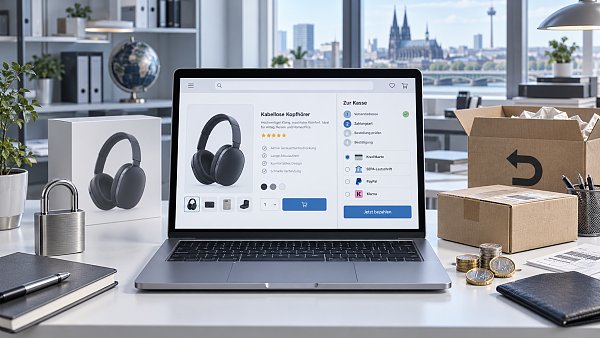
Before making a purchase, German consumers generally verify whether the seller is genuine and whether the policies are clear. A website lacking complete business information, a privacy policy, return and refund instructions, or contact channels will directly undermine trust and may also lead to complaints, account restrictions, or advertising approval obstacles.
First, a standardized merchant information page should be established—commonly known as an Impressum page. The page should clearly display the company name, registered address, contact details, legal representative, and identifiable registration information. For cross-border sellers, this is not an optional footer link but a basic requirement for establishing business credibility.
Next are GDPR data protection requirements. Before a website collects email addresses, inquiries, order details, or Cookie data, it should explain the purpose of collection, processing methods, and users’ rights. Cookie pop-ups must not preselect non-essential tracking options or make it difficult for users to decline them; otherwise, compliance and advertising data governance risks will increase.
Product pages, checkout pages, and terms of service should also accurately state tax-inclusive prices, shipping costs, delivery times, return procedures, and refund conditions. German consumers pay close attention to total costs and after-sales responsibilities. Hiding key restrictions in lengthy terms often leads to checkout abandonment, disputed orders, and more negative reviews.
During business evaluation, companies may request a checklist of compliance pages for the German site, a Cookie management plan, and examples of the order process from the service provider. More important than a promise to “provide templates” is whether the templates can be adapted according to the company entity, product categories, and data collection scenarios, while also being kept up to date.
German Localization Must Go Beyond Machine Translation
Language issues in Germany’s cross-border e-commerce market are essentially issues of information comprehension and purchase decisions. Direct machine translation of English or Chinese content into German often results in inconsistent units, awkward tone, or product specifications that do not conform to local conventions, easily making consumers feel that the website is not operated for the German market.
Priority should be given to optimizing high-conversion pages, including key homepage selling points, category-page filters, product titles, specification parameters, delivery instructions, FAQs, checkout prompts, and after-sales policies. Technical products must retain accuracy, while consumer goods should emphasize information valued by local consumers, such as usage scenarios, materials, safety, and suitable user groups.
German copy should also avoid exaggerated claims. Statements regarding efficacy, environmental protection, discounts, stock availability, or limited-time promotions need factual support and must remain consistent throughout the website. In particular, for health products, cosmetics, children’s products, and electronics, content review should align with product certifications, label information, and actual fulfillment capabilities.
From a return-on-investment perspective, it is not necessary to translate every long-tail page at the outset, but traffic entry points and conversion stages must be sufficiently complete. Priorities can first be established based on Google search terms, advertising landing pages, and historical order data, followed by gradual expansion of the German content library and organic search coverage.
Payment, Pricing, and Logistics Information Determine Whether the Checkout Page Converts
German users have clear preferences regarding payment methods. In addition to bank cards and PayPal, buy now, pay later options, invoice payments, or commonly used local payment solutions often affect checkout completion rates. Websites should configure a payment mix suited to their own needs based on average order value, category risks, delivery cycles, and available services.
Price displays must enable users to quickly understand their final expenditure. Product pages should clearly indicate prices in euros, whether VAT is included, shipping thresholds, and any potential additional charges. If cross-border delivery may involve taxes, duties, or customs clearance delays, this should also be stated in advance to prevent consumers from refusing delivery due to unmet expectations.
Logistics commitments should be genuine and achievable. German consumers generally care about delivery times, package tracking, and ease of returns. If a company does not yet have a local warehouse in Germany, it can clearly distinguish between in-stock, pre-order, and direct cross-border shipping products, while also providing estimated delivery times and tracking access in order confirmation emails.
The return process is particularly worth evaluating separately. The website should display the return period, application channel, return address, rules on who bears shipping costs, and refund timeframe. For categories with high return rates, adding size guides, material details, video demonstrations, and compatibility information on the front end can usually improve overall profitability more effectively than simply reducing advertising costs.
Make the Website Experience Match the German User Trust Journey
A German website does not need to stack complex animations or excessive marketing pop-ups. Users place greater importance on page load speed, navigation logic, completeness of product information, and verifiable service commitments. On mobile product pages, prices, stock availability, delivery, returns, and purchase buttons should remain clear to reduce drop-off caused by repeated page transitions.
Trust information should appear at decision points rather than being placed only on the “About Us” page. Secure payments, delivery tracking, return policies, customer service response methods, and genuine reviews can be appropriately displayed on product and checkout pages. However, reviews, certifications, and promotional information must be verifiable, and trust badges from unknown sources should be avoided.
For B2B and high-value products, the website should also provide a clear inquiry mechanism, such as parameter downloads, sample requests, quotation forms, and corporate purchasing instructions. Form fields should not be excessive, but they should distinguish purchase volume, application scenarios, and delivery regions so that the sales team can improve follow-up efficiency.
At the technical level, it is necessary to check site speed for users in Germany, mobile compatibility, HTTPS, structured data, multilingual URL logic, and on-site search. Only a website that can be consistently crawled by Google, accurately tracked by advertising pixels, and used smoothly by users has the capacity for sustained scaling.
Use Quantifiable Metrics to Evaluate Whether a Website Upgrade Is Worth the Investment
Business evaluation should not only ask, “How much does it cost to build a website?” Instead, investment should be broken down into five categories: compliance upgrades, localized content, payment and logistics integration, technical performance, and ongoing operations. Different product categories have different investment priorities. Low-value fast-moving consumer goods place greater emphasis on checkout efficiency, while high-value products place greater importance on trust-building content and sales lead quality.
Baseline metrics should be set before launch, such as organic search indexing rate, advertising landing-page conversion rate, checkout abandonment rate, payment success rate, return rate, inquiry qualification rate, and gross margin on German orders. These metrics enable companies to determine whether issues lie in traffic quality, page experience, payment stages, or fulfillment capabilities.
The value of a service provider is not limited to completing page design; it should also be reflected in its ability to connect website development, SEO, advertising, social media, and data analysis. For companies planning to operate in the German market over the long term, using a system that can manage multilingual content, scale marketing pages, and support data tracking is generally more conducive to future growth.
Conclusion: German Website Optimization Should Focus on Conversions and Risk Control
Before entering Germany’s cross-border e-commerce market, the most important website upgrades are not visual style, but compliance information, German-language content, payment and logistics, trust mechanisms, and data infrastructure. Only when consumers receive clear, credible, and expectation-aligned information at every critical stage can traffic investment truly be converted into orders.
Companies can first complete a review of compliance and checkout processes, then build German landing pages around priority product categories and continuously optimize through search, advertising, and social media data. For teams that need to simultaneously manage intelligent website building, multilingual SEO, advertising campaigns, and overseas marketing coordination, integrated digital services are more conducive to controlling project costs and execution quality.
Related Articles
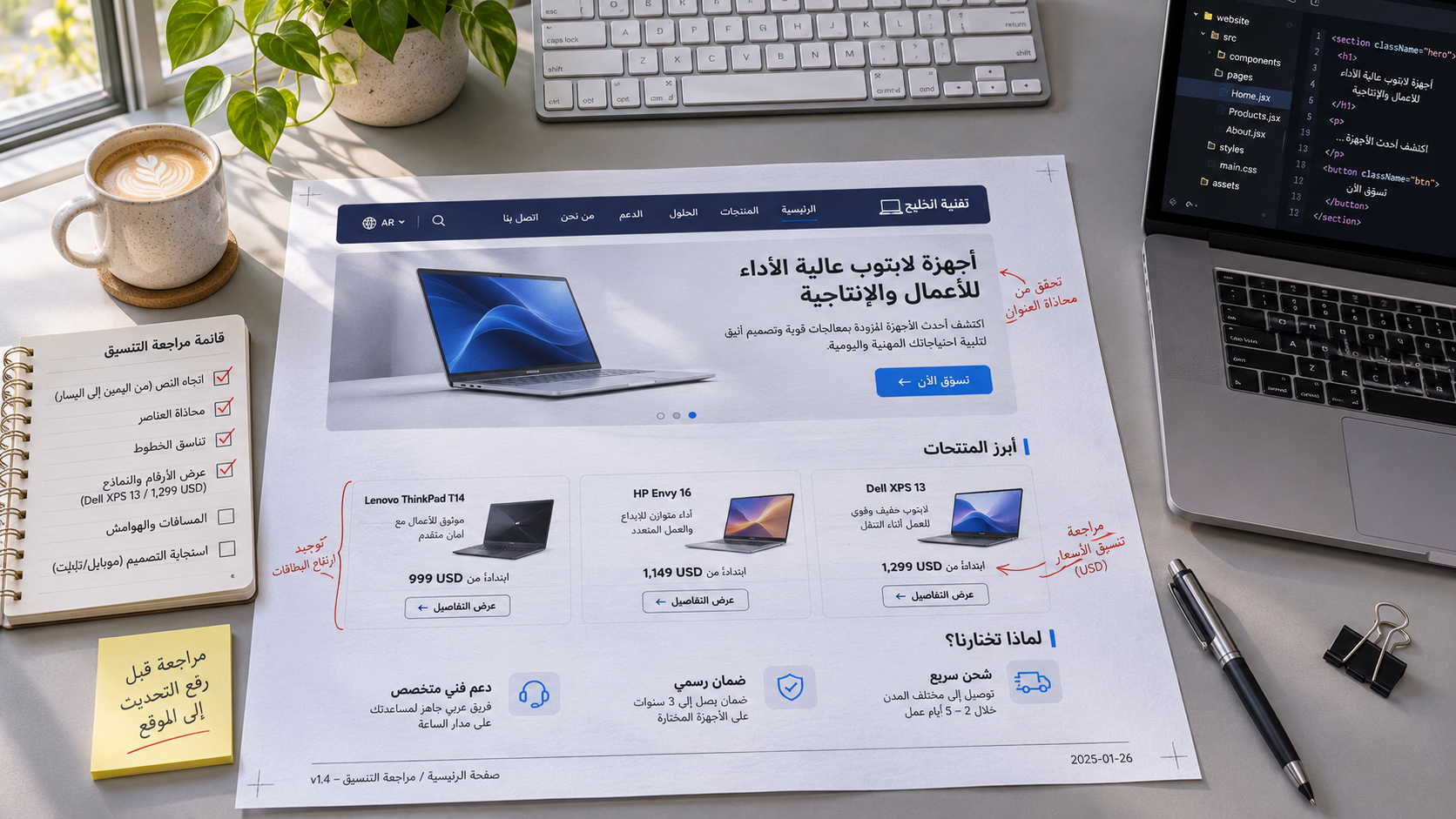
 How should export companies handle right-to-left layouts when developing Arabic websites?
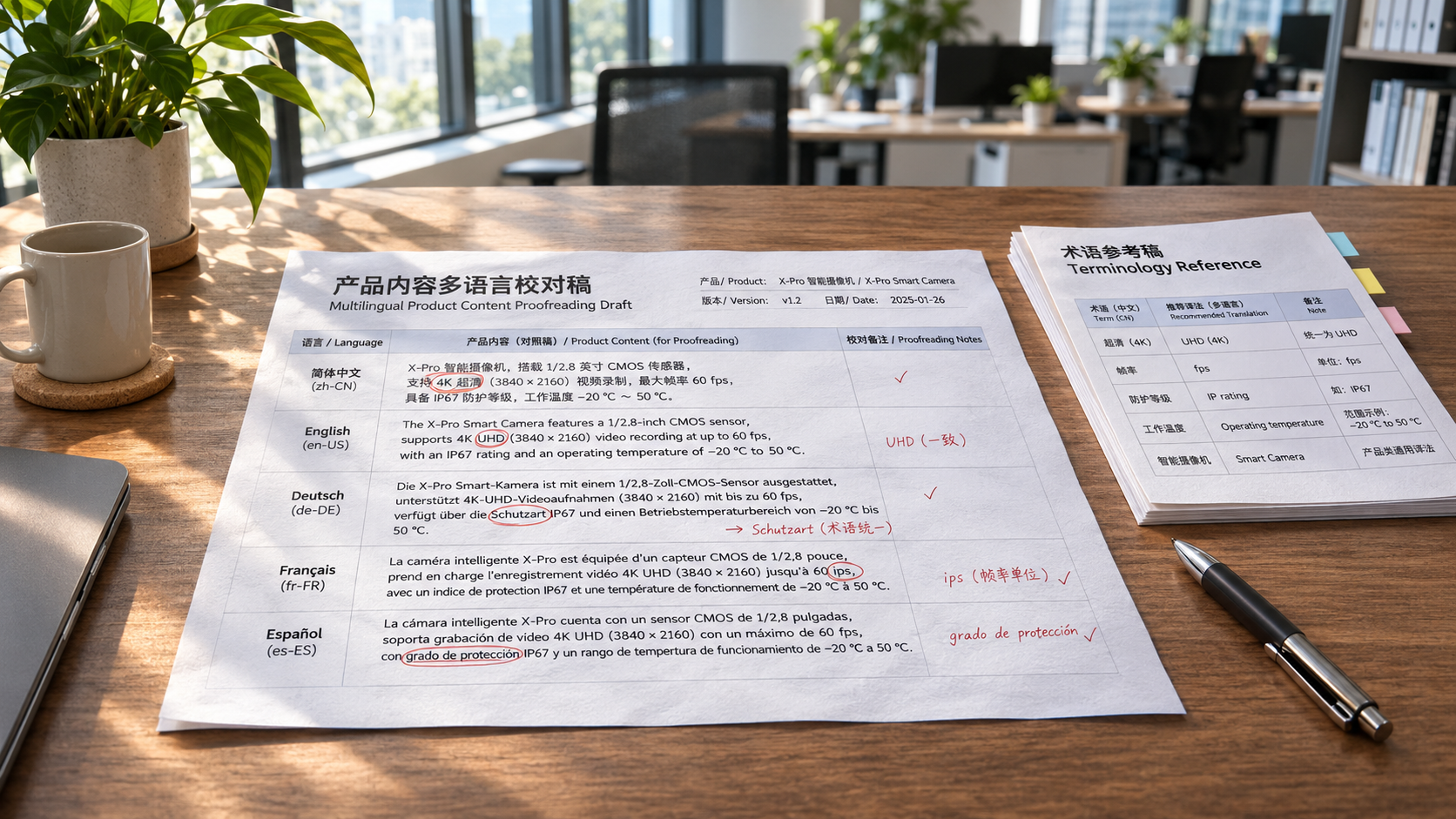
 How can you prevent inaccurate translations of multilingual content during project kickoff?
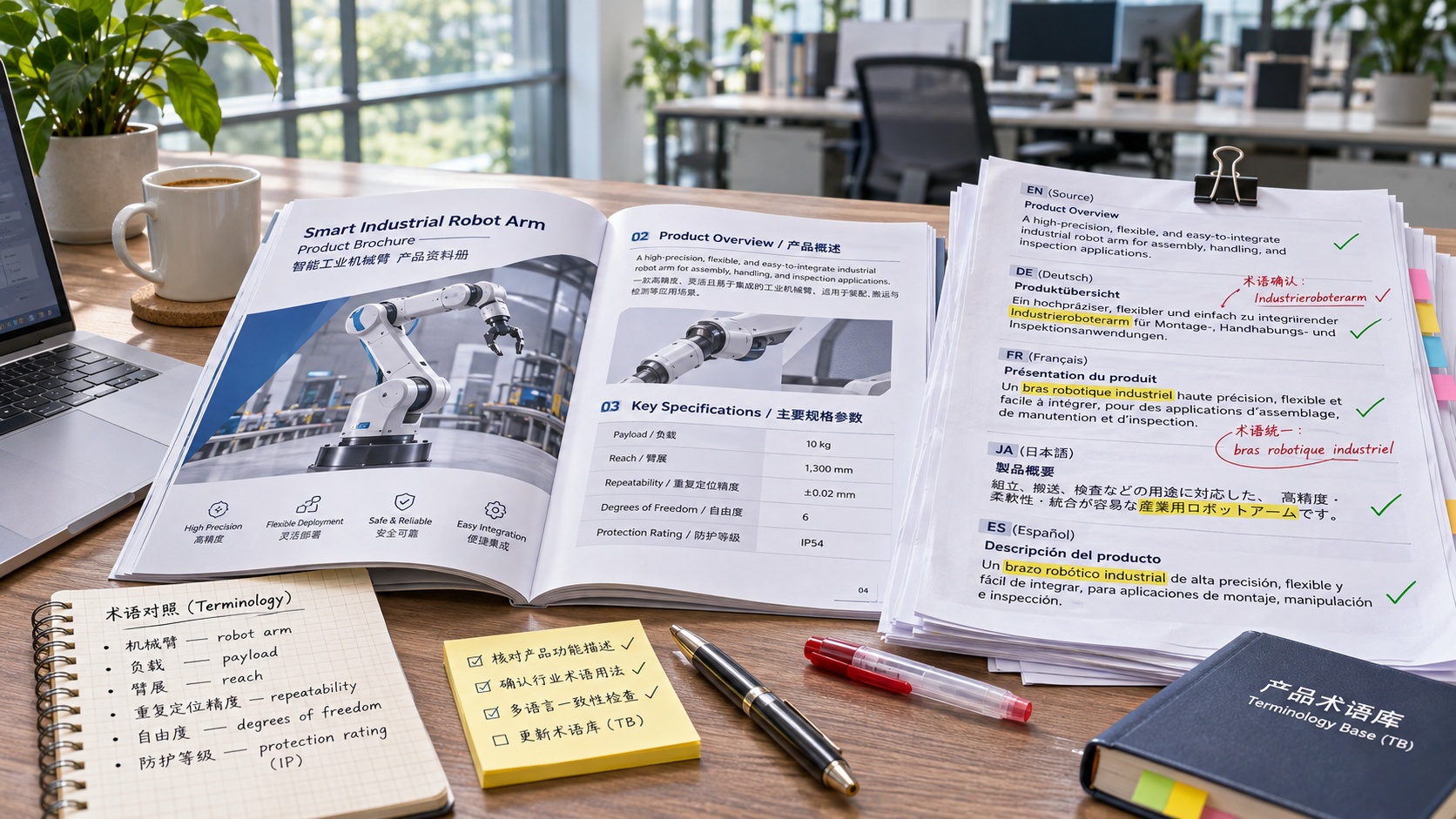
 How to Review Industry Terminology After AI Website Translation
Related Products
 Yiyingbao SaaS Intelligent Website Building and Marketing SystemYiyingbao SaaS Intelligent Website Building and Marketing System, AI-powered no-code website building, rapid creation of multilingual B2B international websites in 10 minutes, global server acceleration, AI-powered SEO optimization, helping businesses connect efficiently with global markets. The perfect integration of technology and operation makes building an international trade website remarkably simple
 AI+SEM Intelligent Advertising Marketing SystemAI+SEM drives intelligent ad creation, empowering full-funnel precision advertising marketing. The system automatically generates weekly/monthly reports, AI recommends keywords and target countries, monitors core metrics in real-time with intelligent alerts, and enables one-click high-conversion ad solutions to help quickly acquire customers and improve ROI.
 AI+SEO Dual-Engine System Optimization ServicesYiyingbao’s AI+SEO dual-engine optimization system helps foreign trade enterprises acquire high-quality organic traffic through AI-powered keyword research, content generation, and comprehensive technical optimization, significantly improving search rankings and conversion rates.
 AI+SNS Social Media Marketing SystemYingbao AI+SNS Social Media Marketing System - Precision social capture for the social media era. Supports one-click content synchronization across major platforms like Facebook and LinkedIn. AI intelligently rewrites posts for enhanced relevance. 24/7 AI customer service and user profiling analysis empower businesses to efficiently expand into global markets.
 AI+SEO营销解决方案易营宝AI+SEO营销解决方案,通过AI批量写作、智能生成TDK、精准关键词扩词等功能,全面优化网站SEO效果,提升流量与转化率。助力企业构建高效智能网站新生态。
 AI+SEM Advertising Marketing SolutionsAI+SEM Advertising Marketing Solution leverages AI technology to deeply empower SEM ad campaigns. It automatically generates weekly/monthly reports using AI, presenting account data across multiple dimensions for comprehensive insights into campaign performance and trends. The system precisely recommends keywords and target countries, intelligently generates high-conversion ad copy, and enables one-click activation of efficient campaign plans to help businesses rapidly acquire customers. Simultaneously, it monitors core metrics in real time, intelligently identifies abnormal fluctuations, and issues timely alerts to ensure stable, high-return advertising results.
 Domain Name ServicesEasyWin provides professional domain name services, including intelligent queries, one-stop registration, brand protection, and full lifecycle management, helping businesses build a digital brand image.
 EasyOperate B2C Cross-Border E-Commerce Platform & Independent WebsiteEasyStore B2C Cross-border E-commerce Independent Store is an intelligent website building and cross-border e-commerce integrated solution independently developed by EasyStore Information Technology (Beijing) Co., Ltd. The system is specially designed for small and medium-sized as well as large export enterprises, integrating 'website building, operation, marketing, advertising, and conversion' into one, helping enterprises quickly establish cross-border e-commerce independent stores to achieve brand globalization and global sales growth.
The platform supports multiple languages, multiple currencies, and multi-channel marketing, with built-in AI intelligent translation and SEO optimization systems, suitable for mainstream markets such as Southeast Asia, Europe and America, Latin America, and the Middle East, assisting Chinese manufacturing enterprises in efficiently deploying international e-commerce strategies. SSL证书易营宝提供专业SSL安全证书服务,包括单域名和泛域名证书,确保网站数据传输加密、身份验证和完整性保护,助力企业建立安全可信的在线业务环境。









