









- China-Europe Railway Express and CIIE Hold Business Matchmaking Event, Focusing on Cross-Border E-commerce B2B ExportsNov 07, 2026View details
- China’s Ministry of Commerce Responds to Additional Charges on Low-Value Imports Imposed by the EUNov 06, 2026View details
- Two Internet Development Reports Released at the 2026 World Internet ConferenceNov 05, 2026View details
- Internet Business Revenue of Enterprises Above the Designated Size Reached RMB 1.716 Trillion in the First Three Quarters, with Profits Up 17.6%Nov 05, 2026View details
- Shopify's Third-Quarter Revenue and GMV Fall Short of Expectations, Sending Shares Tumbling Before the Market OpensNov 04, 2026View details
- Temu Sellers See a Decline in Traffic as the Platform’s Traffic Allocation ShiftsNov 04, 2026View details
What should be considered when localizing social media content?
What should be considered when localizing social media marketing content? The key is not just translating the language, but also understanding cultural differences, platform conventions, and user preferences in order to improve engagement rates, brand trust, and overseas conversion performance.
For foreign trade companies, manufacturing factories, cross-border e-commerce sellers, and brands expanding overseas, social media content that is only “translated literally” often results in low click-through rates, limited comment engagement, and poor inquiry quality. Especially when campaigns are launched simultaneously across North America, Europe, Southeast Asia, the Middle East, and Latin America, content localization is no longer an added advantage, but a fundamental capability that determines advertising efficiency and the speed of brand growth.
In an integrated website and marketing services scenario, social media does not exist in isolation. It needs to work together with multilingual websites, advertising landing pages, SEO content, short-video assets, and lead-handling processes. If the tone of social media content is inconsistent with the corporate website, advertising pages, and product pages, the three key stages from content exposure to a visit to the independent website—awareness, trust, and conversion—can easily become disconnected.
Why Social Media Content Localization Cannot Stop at Translation
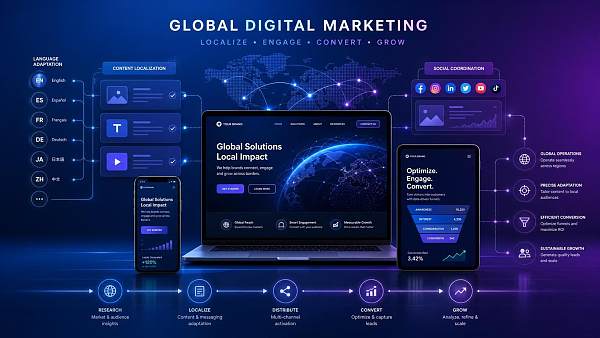
When many companies answer the question “What should be considered when localizing social media marketing content?”, their first reaction is to translate Chinese copy into English, Japanese, or Spanish. In actual operations, however, language conversion accounts for only 30%—40% of the overall localization work. The more important part is restructuring the communication style, content structure, platform etiquette, and calls to action.
Different Cultural Contexts Lead to Different User Understanding Paths
The way users respond to the same product benefit can vary significantly between markets. For example, users in North America pay more attention to efficiency, measurable results, and barriers to use; some European markets place greater emphasis on compliance, privacy, and long-term stability; while users in Southeast Asia are generally more price-sensitive and have stronger preferences for interaction. If the same messaging is used everywhere, the content may be seen but still fail to generate effective conversions.
There Are 4 Common Mistakes
- Translating only the text without adjusting cultural symbols and contextual elements in images
- Ignoring local festivals, religious customs, and sensitive expressions
- Using the same publishing schedules and engagement methods in every country
- Using social media copy that is inconsistent with the keywords and selling points on the website landing page
For B2B companies, localization also affects the purchasing decision chain. After seeing a brand on social media, overseas customers typically visit the website, review case studies, download catalogs, or submit an inquiry within 24 hours to 7 days. If the tone of the social media content is too retail-oriented while the website content is highly technical, buyers may find it difficult to quickly understand the company’s positioning, reducing lead quality.
The table below can help companies quickly identify the differences between “translation” and “localization” and establish consistent standards for social media operations, website development, and advertising campaigns.
In terms of execution results, truly effective localization is not simply “publishing in multiple languages,” but building an integrated operating system around content communication, visual presentation, and conversion pathways in the target market. This is also why more and more companies are choosing integrated website development, SEO, social media, and advertising services.
5 Key Checkpoints for Social Media Content Localization
If a company is planning overseas social media operations and wants to genuinely address the question “What should be considered when localizing social media marketing content?”, it is recommended to start with 5 key checkpoints. Each stage directly affects engagement rates, time spent after exposure, and inquiry conversion efficiency.
1. Segment Markets First, Then Define Content Templates
A common approach is to divide markets into three levels: core conversion markets, test-and-growth markets, and brand exposure markets. For example, North America and Western Europe can be treated as key inquiry regions, Southeast Asia as a traffic expansion region, and the Middle East or Latin America as regions for phased testing. Content density, asset frequency, and CTA strength should vary across different market tiers.
2. Rewrite the Copy Instead of Translating It Sentence by Sentence
Localized copy is recommended to follow three levels: the first level is a headline that attracts clicks, the second is body copy that explains the value, and the third is a CTA that guides action. In a B2B scenario, for example, the headline should highlight an industry problem within 8—18 words whenever possible, the body should focus on 1—2 pain points, and the CTA should clearly direct users to “Get a Quote,” “View the Solution,” or “Book a Demo.”
3. Visual Assets Must Match the Local Context
At least 3 types of elements in social media graphics and short videos need to be adjusted accordingly: people, usage scenarios, and interface language. If campaigns target European and American markets but continue to use mismatched scene images, locally uncommon color preferences, or untranslated interface screenshots, users may decide within 2 seconds—5 seconds that the content “doesn’t look like it’s for me” and scroll away immediately.
4. Different Platforms Require Different Publishing Logic
Facebook is suitable for balancing engagement and conversion, LinkedIn is more suitable for professional B2B content and reaching decision-makers, Instagram places greater emphasis on visual style and lightweight communication, while TikTok and other short-video platforms rely more on capturing attention within the first 3 seconds. The same product content should be adapted into at least 2—4 versions rather than being published unchanged across all platforms.
5. The Conversion Path Between Social Media and the Independent Website Must Be Connected
Even if social media content has been localized, results can still be significantly reduced if the landing page has not been adapted accordingly. A common standard is that the core selling point in the social media headline should appear at least 2—3 times in the landing page’s above-the-fold section, form description, and FAQ, while maintaining the same meaning so users do not have to interpret it again.
For easier execution, companies can organize localization checkpoints into an operational review checklist and confirm each item before publishing. This can typically reduce low-quality publishing by 20%—40%.
The core conclusion of this table is that content localization is not a standalone task for the copywriting department, but a process-based operation involving social media, design, advertising, website lead handling, and data analysis. Only by establishing unified standards can content steadily accumulate brand assets and qualified leads.
The Key to Localization Conversion Lies in Coordinating Websites, SEO, and Social Media
In overseas marketing, the question of what to consider when localizing social media marketing content cannot ultimately be judged only by likes and comments. It is also necessary to evaluate whether the content generates trackable visits, form submissions, and inquiries. For B2B companies, social media often handles initial outreach and education, while multilingual corporate websites, product pages, case study pages, and advertising landing pages are responsible for actual conversion.
Unify Keyword and Selling Point Communication
When a company is conducting Google SEO, advertising campaigns, and overseas social media operations at the same time, it is recommended to condense the core selling points into 3—5 groups of keyword expressions. For example, unified messaging can be established around “short delivery times,” “customization support,” “multilingual services,” and “local after-sales response,” and then distributed across social media posts, website titles, FAQs, and advertising copy for more consistent results.
Use Data to Review Whether Localization Is Truly Effective
It is recommended to monitor at least 4 types of metrics: engagement rate, landing page click-through rate, time spent on the page, and inquiry conversion rate. If social media engagement is high but website visits last less than 30 seconds, this usually indicates that the content promise is inconsistent with the landing page information. If the click-through rate is normal but form submissions are low, the page structure, trust elements, and number of form fields need to be optimized; a common recommendation is to keep the number of fields within 5—8.
An Execution Process Suitable for B2B Companies
- First identify 2—3 priority countries or languages
- Build the corresponding multilingual pages and form paths simultaneously
- Adapt graphic content, short videos, and advertising assets for each platform
- Review content performance and inquiry quality every 14 days
- Iterate headlines, audiences, and CTA settings based on the data
Platforms such as Yiyingbao, an AI-driven enterprise SaaS intelligent website-building and overseas marketing platform, are more suitable for coordinated global operations because they can place multilingual website development, Google SEO optimization, advertising campaigns, Facebook marketing, overseas social media operations, and AI search visibility improvement within the same growth framework, avoiding isolated channel operations.
For companies that need to build a long-term presence in overseas markets, a more practical approach is not to cover every country at once, but to first complete the loop of content localization, website lead handling, and conversion in one primary market, and then replicate it in 2—3 similar regions. This controls the budget while enabling faster validation of the effectiveness of asset and page combinations.
What Capabilities Should Companies Focus on When Choosing a Localization Service Provider?
If a company does not have a complete multilingual content team internally, it should not evaluate service providers only by whether they “know how to translate.” It should also assess whether they have integrated website and marketing service capabilities. The essence of what should be considered when localizing social media marketing content is the ability to coordinate strategy, content, technology, and data.
4 Dimensions Worth Evaluating
- Whether the provider can simultaneously support multilingual websites, social media content, and advertising landing pages
- Whether the provider understands the B2B lead-generation process rather than merely providing exposure-oriented outsourced operations
- Whether the provider has AI-enabled efficiency capabilities that can shorten content production and testing cycles
- Whether the provider can deliver ongoing reviews and optimization recommendations by regional market
Yiyingbao has long served foreign trade companies, manufacturing factories, cross-border e-commerce sellers, and brands expanding overseas. Its advantage lies in integrating intelligent website building, SEO, social media, advertising, and GEO optimization into one executable growth solution. Companies do not need to coordinate separately with a website company, content team, advertising team, and technology service provider, enabling them to connect the complete path from exposure to inquiry more efficiently.
Truly effective localization should not only enable overseas users to “understand,” but also encourage them to “click,” “trust,” and “submit their information.” If you are planning overseas social media, an independent website, and a multilingual marketing system, you are welcome to obtain a customized solution that better suits your business by considering your target market, industry characteristics, and budget cycle. Contact us now to learn more about website development, localized social media operations, and overseas growth solutions.
Related Articles
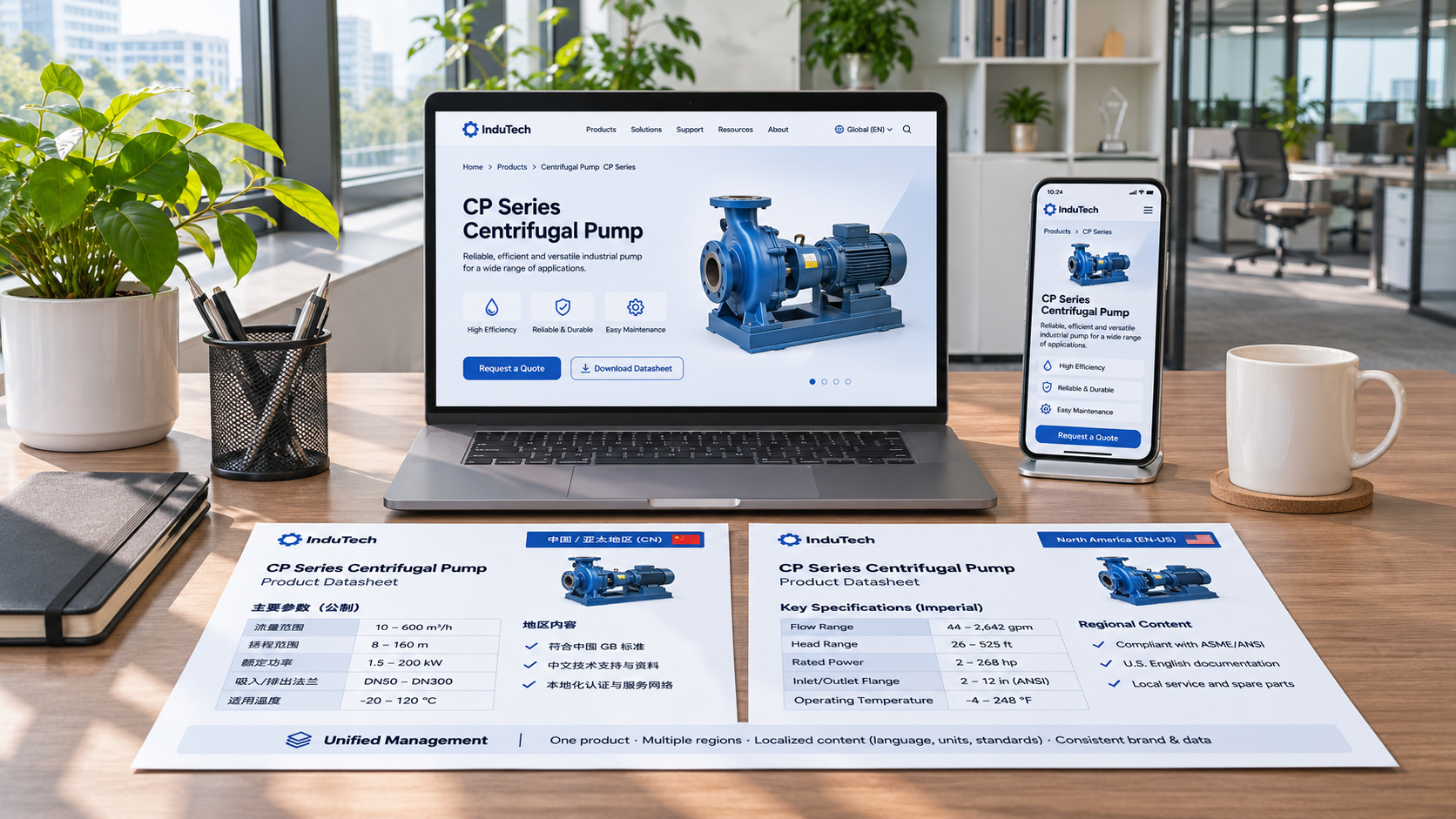
 Can a website localization platform adapt content for different regions?
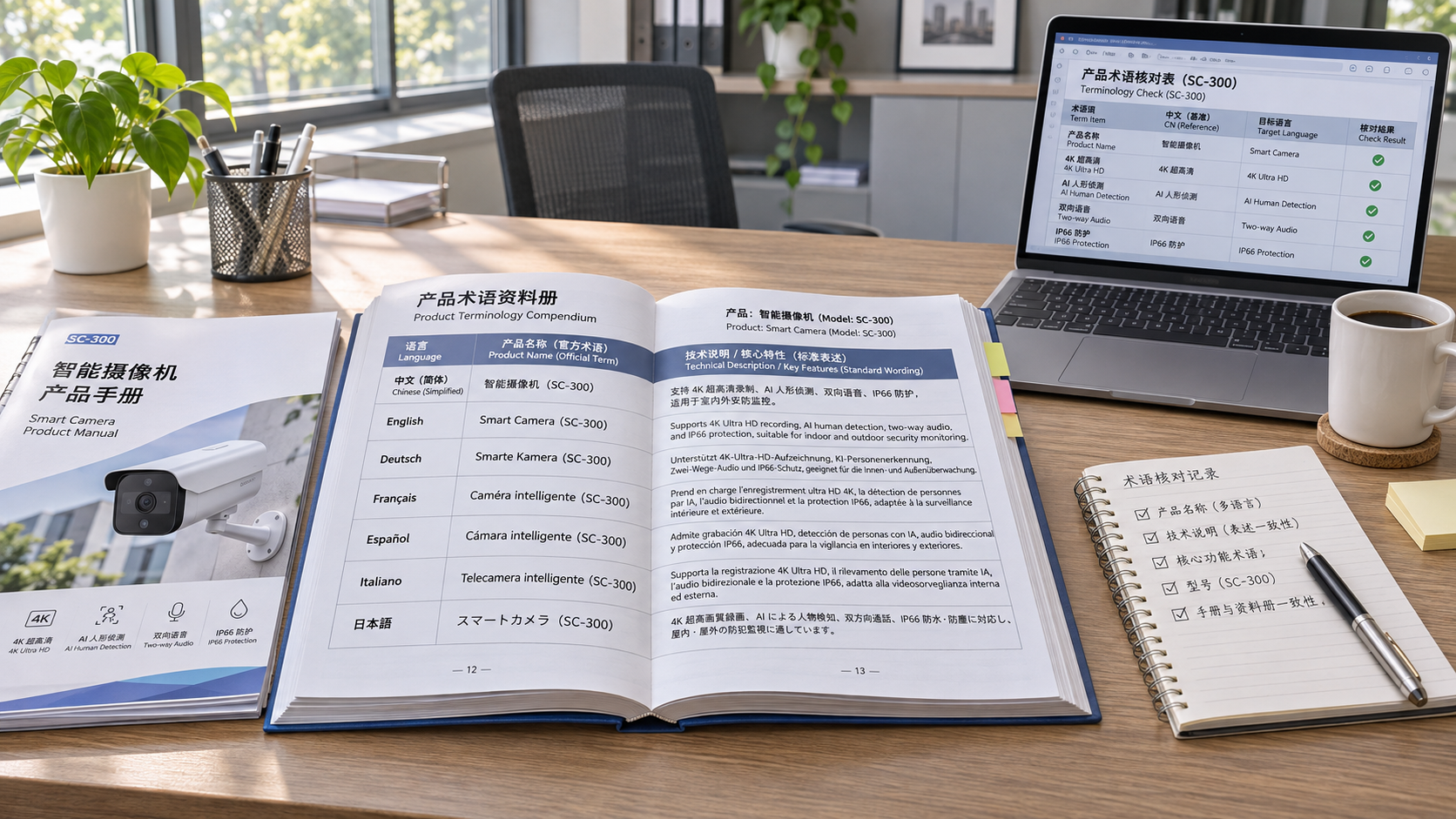
 How can AI translation keep product terminology consistent?
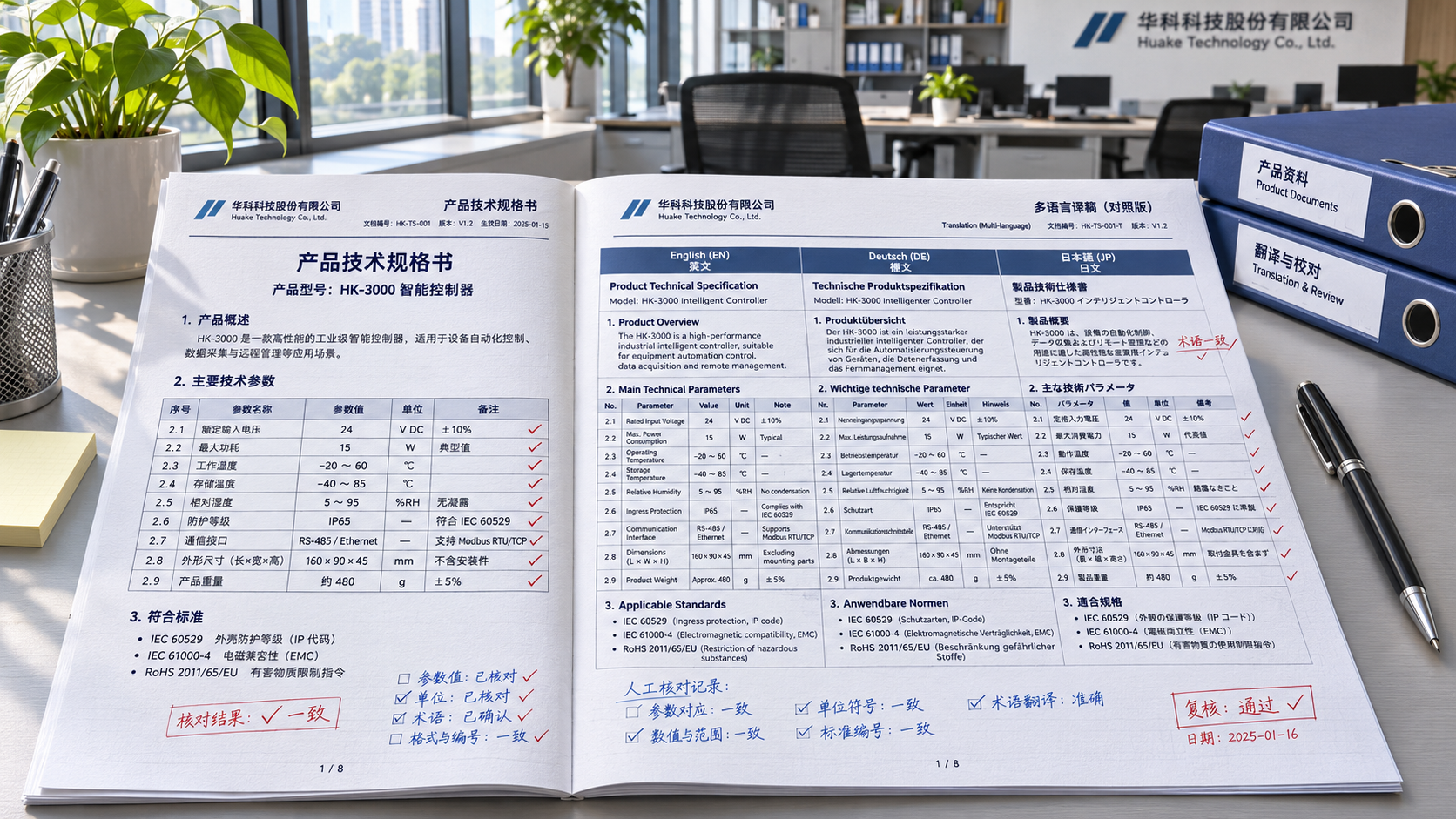
 How Can You Avoid Product Specification Errors When Translating a B2B Website?
Related Products
 Yiyingbao SaaS Intelligent Website Building and Marketing SystemYiyingbao SaaS Intelligent Website Building and Marketing System, AI-powered no-code website building, rapid creation of multilingual B2B international websites in 10 minutes, global server acceleration, AI-powered SEO optimization, helping businesses connect efficiently with global markets. The perfect integration of technology and operation makes building an international trade website remarkably simple
 AI+SEM Intelligent Advertising Marketing SystemAI+SEM drives intelligent ad creation, empowering full-funnel precision advertising marketing. The system automatically generates weekly/monthly reports, AI recommends keywords and target countries, monitors core metrics in real-time with intelligent alerts, and enables one-click high-conversion ad solutions to help quickly acquire customers and improve ROI.
 AI+SEO Dual-Engine System Optimization ServicesYiyingbao’s AI+SEO dual-engine optimization system helps foreign trade enterprises acquire high-quality organic traffic through AI-powered keyword research, content generation, and comprehensive technical optimization, significantly improving search rankings and conversion rates.
 AI+SNS Social Media Marketing SystemYingbao AI+SNS Social Media Marketing System - Precision social capture for the social media era. Supports one-click content synchronization across major platforms like Facebook and LinkedIn. AI intelligently rewrites posts for enhanced relevance. 24/7 AI customer service and user profiling analysis empower businesses to efficiently expand into global markets.
 AI+SEO营销解决方案易营宝AI+SEO营销解决方案,通过AI批量写作、智能生成TDK、精准关键词扩词等功能,全面优化网站SEO效果,提升流量与转化率。助力企业构建高效智能网站新生态。
 AI+SEM Advertising Marketing SolutionsAI+SEM Advertising Marketing Solution leverages AI technology to deeply empower SEM ad campaigns. It automatically generates weekly/monthly reports using AI, presenting account data across multiple dimensions for comprehensive insights into campaign performance and trends. The system precisely recommends keywords and target countries, intelligently generates high-conversion ad copy, and enables one-click activation of efficient campaign plans to help businesses rapidly acquire customers. Simultaneously, it monitors core metrics in real time, intelligently identifies abnormal fluctuations, and issues timely alerts to ensure stable, high-return advertising results.
 Domain Name ServicesEasyWin provides professional domain name services, including intelligent queries, one-stop registration, brand protection, and full lifecycle management, helping businesses build a digital brand image.
 EasyOperate B2C Cross-Border E-Commerce Platform & Independent WebsiteEasyStore B2C Cross-border E-commerce Independent Store is an intelligent website building and cross-border e-commerce integrated solution independently developed by EasyStore Information Technology (Beijing) Co., Ltd. The system is specially designed for small and medium-sized as well as large export enterprises, integrating 'website building, operation, marketing, advertising, and conversion' into one, helping enterprises quickly establish cross-border e-commerce independent stores to achieve brand globalization and global sales growth.
The platform supports multiple languages, multiple currencies, and multi-channel marketing, with built-in AI intelligent translation and SEO optimization systems, suitable for mainstream markets such as Southeast Asia, Europe and America, Latin America, and the Middle East, assisting Chinese manufacturing enterprises in efficiently deploying international e-commerce strategies. SSL证书易营宝提供专业SSL安全证书服务,包括单域名和泛域名证书,确保网站数据传输加密、身份验证和完整性保护,助力企业建立安全可信的在线业务环境。









