









- AI Products Drive Hong Kong Exports Up 64.9% in September, Fastest Growth in Over 40 YearsNov 17, 2026View details
- National Bureau of Statistics: Foreign trade grew rapidly in October, providing stable support for global tradeNov 17, 2026View details
- The U.S. has ended the $800 de minimis exemption for non-postal shipments; express courier packages must be formally declared.Nov 16, 2026View details
- ASEAN Signs Digital Economy Framework Agreement, Moving Toward Harmonized Cross-Border E-Commerce RulesNov 15, 2026View details
- Shenzhen Becomes the First City in Mainland China to Exceed RMB 5 Trillion in Foreign TradeNov 15, 2026View details
- Fujian Announces the First Batch of Provincial-Level Cross-Border E-Commerce Industrial Parks and Key Brands for CultivationNov 14, 2026View details
How to Develop a Cross-Border Content Strategy: Balancing Traffic, Trust, and Conversion with Multilingual Content
After a multilingual website goes live, a lack of organic traffic—or growing visits without inquiries—is often not caused by whether the translation reads smoothly. Rather, the content may fail to match local search habits, purchasing decision paths, and on-page conversion actions at the same time. A cross-border content strategy must first determine whether pages in different languages serve the same type of need or needs at different stages of different markets. This decision affects keywords, page structure, case-study materials, form fields, and even content update frequency.
For example, searches in English-speaking markets around product models, technical parameters, and application scenarios are often more specific. Visitors in some regions may first confirm the delivery scope, installation conditions, or after-sales response. Brands entering new markets need clear qualification documents, production processes, and service boundaries to reduce unfamiliarity. Translating Chinese pages sentence by sentence into every language can preserve the original wording while overlooking the information local customers actually use to make decisions.
Segment Pages by Search Intent First, Rather Than Replicating Pages by Language
A single product term may contain several types of intent. Some people are comparing specifications, some are looking for specific supply capabilities, and others are simply trying to resolve installation, maintenance, or troubleshooting issues. If all this content is squeezed onto one page, the title and above-the-fold information lose focus, and search engines also struggle to determine the page topic.
A more reliable approach is to establish content units first, then determine which units require localization. The main product page answers “what it is, where it is used, and what its key specifications are”; application pages explain materials, operating conditions, assembly methods, and selection differences; knowledge pages address common technical questions; and inquiry pages focus on communication entry points such as lead times, customization scope, drawings, or samples. Different language versions do not need to have exactly the same number of pages, but every market should cover the key path from search to lead submission.
- High-intent product terms are best directed to verifiable product or service pages. The opening paragraph should directly state the category, application, and differentiating parameters, rather than allowing generic brand introductions to occupy the main position.
- Terms with meanings such as “how to,” “guide,” or “problem” are better addressed with problem-solving content, with relevant product pages linked naturally within the text.
- Regional terms should not simply add a country name to the title. If a page does not include local delivery scope, language support, units of measurement, contact information, or common application details, its relevance will be weak.
Localization Should Address “Decision Criteria,” Not Just Text
Before translation, content that cannot be copied directly should be organized, including measurement units, date formats, technical terminology, material names, industry abbreviations, text in images, form prompts, and downloadable files. This is particularly important for B2B pages: phrases commonly used in Chinese, such as “customizable” and “reliable quality,” still provide no basis for decision-making when rendered in other languages. A more effective approach is to explain the adjustable scope, the input information that needs to be confirmed, the conditions affecting quotation or delivery, and which requirements cannot be committed to at the page stage.
Terminology consistency cannot rely solely on translators’ memory. A glossary should be established that includes, at a minimum, the Chinese term, preferred target-language translation, prohibited translations, unit conventions, corresponding models, and usage scenarios. When different pages are maintained by multiple people, a glossary prevents the same material, component, or process from being referred to in multiple ways, reducing the risk of diluted search topics. For ambiguous terms, retain the original model number or specification description, and have technical personnel confirm the final wording.

Images and videos are often overlooked. Chinese labels on product images, text in flowcharts, subtitle languages, and sample packaging can all create the impression that a page is “not intended for the local market.” Visual assets do not need to be entirely recreated for localization, but priority should be given to above-the-fold images, specification graphics, installation diagrams, and assets near trust-related information. Image filenames, alt text, and surrounding descriptions should also align with the topic of the page rather than universally using meaningless generic descriptions.
Let Content Support Trust Instead of Piling Trust Information at the Bottom of the Page
Trust is built at the points where customers have questions. When reviewing parameters, they need to know the measurement conditions, allowable tolerances, or compatibility range. When reading application descriptions, they need to see real operating conditions rather than product close-ups alone. When preparing to submit an inquiry, they need clarity on what information the contact person will request and what the response will include. Placing this information back in the relevant locations reduces hesitation more effectively than adding a separate “About Us” page.
Some apparent traffic shortages are actually caused by inconsistency between content promises and landing-page information. Advertising or social media content may emphasize a specific use, while the landing page contains only a broad product catalog, making it difficult for visitors to continue their evaluation. Conversely, if SEO pages introduce a large number of unrelated popular questions, they can also generate ineffective visits. Before publication, every piece of content should confirm its single next step: view specifications, download materials, compare solutions, submit requirements, or get in touch. One page does not need to support every action.
Establish a Maintainable Multilingual Publishing Process
Content production should ideally be divided into three stages: source content, market adaptation, and technical review. Source content ensures factual completeness, including models, materials, delivery conditions, and image sources. Market adaptation adjusts titles, question order, examples, and calls to action. Technical review confirms terminology, parameters, and constraints. Skipping any of these steps often leads to rework later: either the translation is natural but inaccurate, or the information is correct but does not match search expressions.
After publication, do not look only at total visits. Monitor by language, country, entry page, and query term: high impressions but low clicks are often related to titles, descriptions, or mismatched search intent; stable clicks with very short dwell time require checking whether the above-the-fold section answers the search query; normal reading depth but a low form completion rate is often related to too many fields, unclear contact information, or unclear inquiry expectations. The same low-conversion outcome may have entirely different causes and should not be addressed simply by increasing the number of content pieces.
The content library should also include review checkpoints. After product specifications change, delivery conditions are adjusted, images are replaced, or form fields are modified, related language pages must be checked simultaneously. For topics such as finance and taxation, where regional differences can easily cause misinterpretation, the applicable scope should be clearly indicated when citing materials. For example, extended content such as A Brief Discussion of Issues and Countermeasures in Corporate Tax Planning should be maintained as an independent topic to avoid mixing non-universal judgments into product marketing pages.
A mature cross-border content strategy is not about translating an entire website once. It is about continuously refining the chain of “what customers are looking for, what the page proves, and whether the next step is sufficiently clear” based on feedback from each search, reading session, and inquiry. Language is only the entry point; whether content aligns with local decision-making methods determines whether traffic can become trust and conversions.
Related Articles
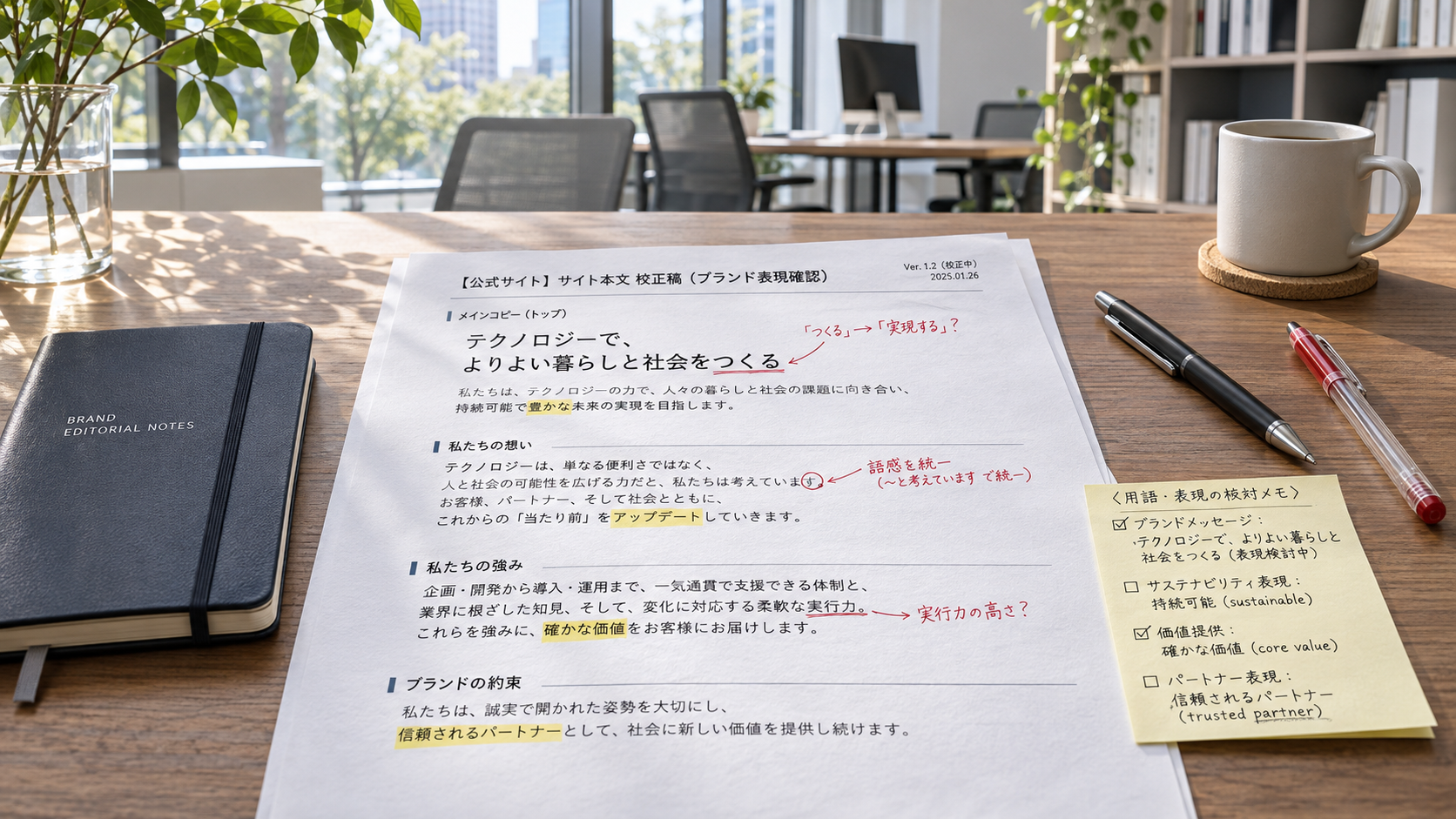
 How Can You Avoid Localization Mistakes When Building a Japanese-Language Brand Website?
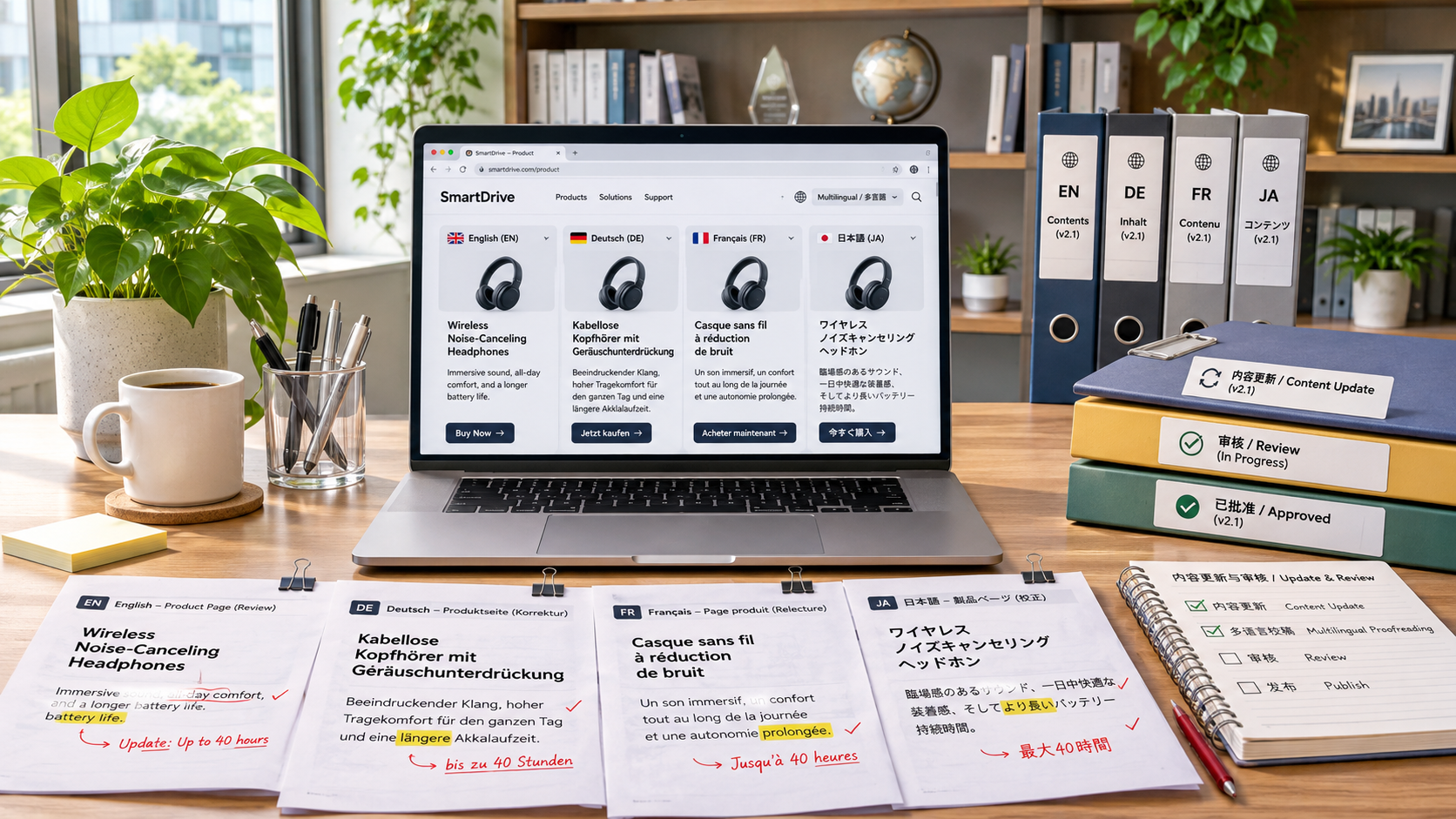
 How Does a Website Localization System Manage Multilingual Content Updates?
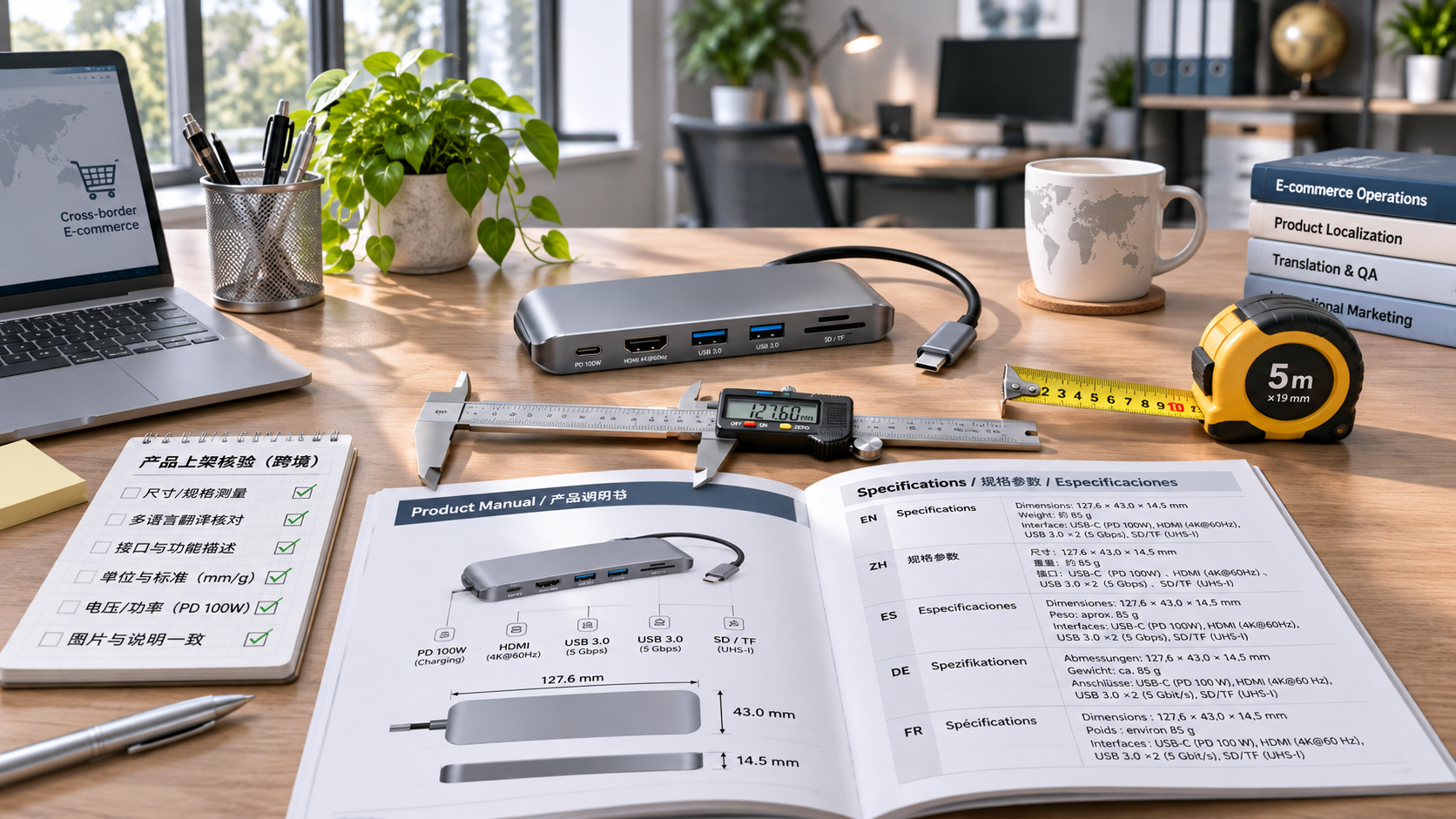
 How Can Cross-Border E-Commerce Multilingual Product Pages Avoid Errors in Translating Product Specifications?
Related Products
 Yiyingbao SaaS Intelligent Website Building and Marketing SystemYiyingbao SaaS Intelligent Website Building and Marketing System, AI-powered no-code website building, rapid creation of multilingual B2B international websites in 10 minutes, global server acceleration, AI-powered SEO optimization, helping businesses connect efficiently with global markets. The perfect integration of technology and operation makes building an international trade website remarkably simple
 AI+SEM Intelligent Advertising Marketing SystemAI+SEM drives intelligent ad creation, empowering full-funnel precision advertising marketing. The system automatically generates weekly/monthly reports, AI recommends keywords and target countries, monitors core metrics in real-time with intelligent alerts, and enables one-click high-conversion ad solutions to help quickly acquire customers and improve ROI.
 AI+SEO Dual-Engine System Optimization ServicesYiyingbao’s AI+SEO dual-engine optimization system helps foreign trade enterprises acquire high-quality organic traffic through AI-powered keyword research, content generation, and comprehensive technical optimization, significantly improving search rankings and conversion rates.
 AI+SNS Social Media Marketing SystemYingbao AI+SNS Social Media Marketing System - Precision social capture for the social media era. Supports one-click content synchronization across major platforms like Facebook and LinkedIn. AI intelligently rewrites posts for enhanced relevance. 24/7 AI customer service and user profiling analysis empower businesses to efficiently expand into global markets.
 AI+SEO营销解决方案易营宝AI+SEO营销解决方案,通过AI批量写作、智能生成TDK、精准关键词扩词等功能,全面优化网站SEO效果,提升流量与转化率。助力企业构建高效智能网站新生态。
 AI+SEM Advertising Marketing SolutionsAI+SEM Advertising Marketing Solution leverages AI technology to deeply empower SEM ad campaigns. It automatically generates weekly/monthly reports using AI, presenting account data across multiple dimensions for comprehensive insights into campaign performance and trends. The system precisely recommends keywords and target countries, intelligently generates high-conversion ad copy, and enables one-click activation of efficient campaign plans to help businesses rapidly acquire customers. Simultaneously, it monitors core metrics in real time, intelligently identifies abnormal fluctuations, and issues timely alerts to ensure stable, high-return advertising results.
 Domain Name ServicesEasyWin provides professional domain name services, including intelligent queries, one-stop registration, brand protection, and full lifecycle management, helping businesses build a digital brand image.
 EasyOperate B2C Cross-Border E-Commerce Platform & Independent WebsiteEasyStore B2C Cross-border E-commerce Independent Store is an intelligent website building and cross-border e-commerce integrated solution independently developed by EasyStore Information Technology (Beijing) Co., Ltd. The system is specially designed for small and medium-sized as well as large export enterprises, integrating 'website building, operation, marketing, advertising, and conversion' into one, helping enterprises quickly establish cross-border e-commerce independent stores to achieve brand globalization and global sales growth.
The platform supports multiple languages, multiple currencies, and multi-channel marketing, with built-in AI intelligent translation and SEO optimization systems, suitable for mainstream markets such as Southeast Asia, Europe and America, Latin America, and the Middle East, assisting Chinese manufacturing enterprises in efficiently deploying international e-commerce strategies. SSL证书易营宝提供专业SSL安全证书服务,包括单域名和泛域名证书,确保网站数据传输加密、身份验证和完整性保护,助力企业建立安全可信的在线业务环境。









