









- Four Annual Industry Reports Released at the 14th Digital Marketing Development ForumNov 29, 2026View details
- Sichuan Announces 2026 Provincial Cross-Border E-Commerce Parks; Two Chengdu Industrial Parks SelectedNov 29, 2026View details
- People’s Daily Focuses on Liaoning Cross-Border E-Commerce: Xiaobeihe Hosiery Reaches Overseas Markets Through Digital ChannelsNov 29, 2026View details
- What Are the Ranking Criteria for China's Top 100 SaaS Companies?Nov 28, 2026View details
- Eight Departments, Including the Ministry of Commerce, Issue the 15th Five-Year Plan for the Development of Trade in ServicesNov 27, 2026View details
- General Administration of Customs Issues New Rules on Import and Export Cosmetic Labeling, Effective December 1Nov 26, 2026View details
How much does adding a new language to a multilingual website increase SEO maintenance costs?
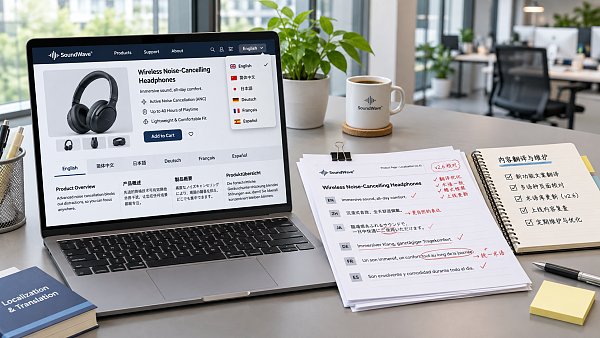
Is maintaining SEO for a multilingual website expensive? The costs of adding a language mainly depend on how many pages need maintenance, how frequently content is updated, and how deeply the target market needs to be localized. If you keep the existing website architecture and translate only a small number of stable pages, ongoing investment is relatively manageable. If products, prices, and promotions change frequently, and each update requires translation, review, and publishing, the ongoing costs can increase significantly.
When assessing costs, calculate the initial launch and ongoing maintenance separately. The former includes language directories, content creation, and search configuration; the latter includes synchronizing new content, technical checks, search performance analysis, and handling broken pages. Adding a language does not simply double existing SEO costs, but costs should not be estimated based only on the number of words translated, either.
What work contributes to the cost of adding a language?
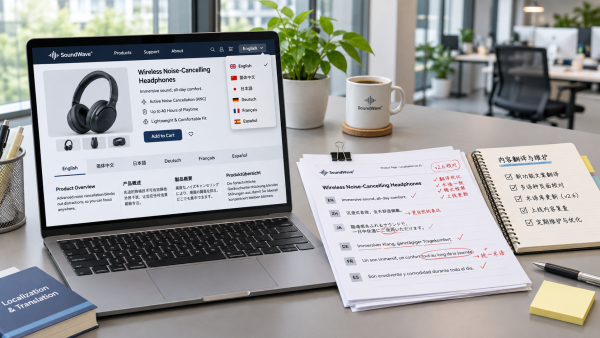
Quotes should also distinguish system capabilities from service workload: support for multilingual management does not mean that translation review, keyword research, or monthly optimization is included in the fee. When confirming the scope of services, specify the number of pages, update frequency, and deliverables.
How can you estimate the maintenance workload for an additional language?
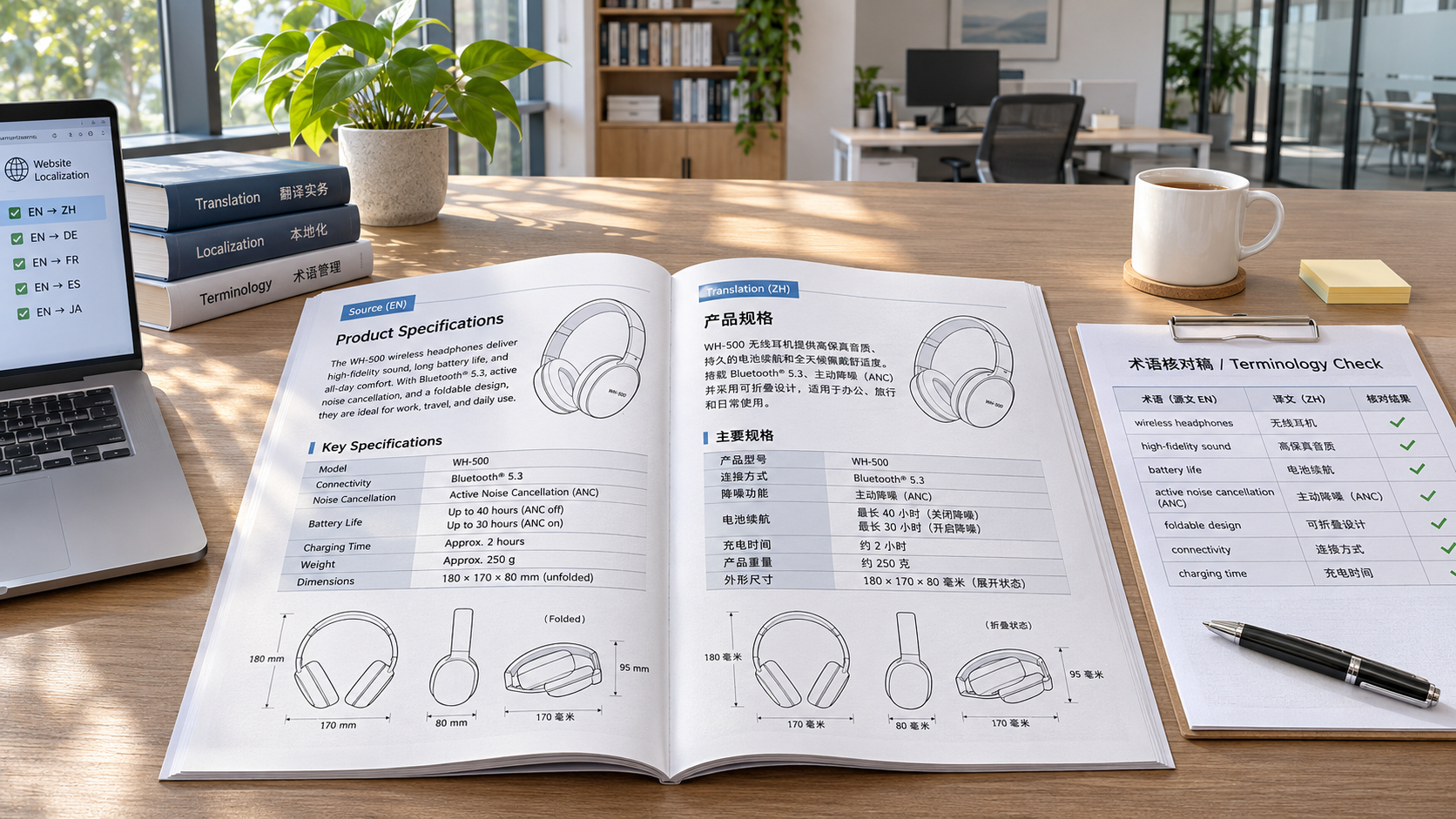
First define the launch scope, then estimate the workload by page type. The homepage, core product pages, and inquiry pages need to be reviewed for local phrasing and conversion paths; specifications and compliance information need to be checked by qualified professionals; news items or older articles with low traffic can be left untranslated for now. The set of pages that need maintenance is a better indicator of the cost of adding a language than the total number of existing website pages.
You can use the following approach to prepare an internal budget, filling in unit prices and hours based on actual supplier quotes or team records:
- Initial investment = language and technical configuration costs + translation, localization, and review costs for each page type + launch testing costs.
- Periodic maintenance = estimated number of new or revised pages × processing cost per page + technical checks, data analysis, and coordination costs.
- Total budget = initial investment + maintenance costs for the planned period + costs for agreed additional requirements.
For example, when adding a language, if you launch only a small number of stable product pages, maintenance may focus on regularly checking specifications. If you translate the entire content library and update promotional information every week, you will need to budget ongoing hours for translation, review, publishing, and link checks. Also clarify what counts as “revising a page”: changing a single specification and rewriting an entire page should not be assumed to require the same amount of work.
Which configurations affect long-term SEO costs?
Language URLs and page relationships
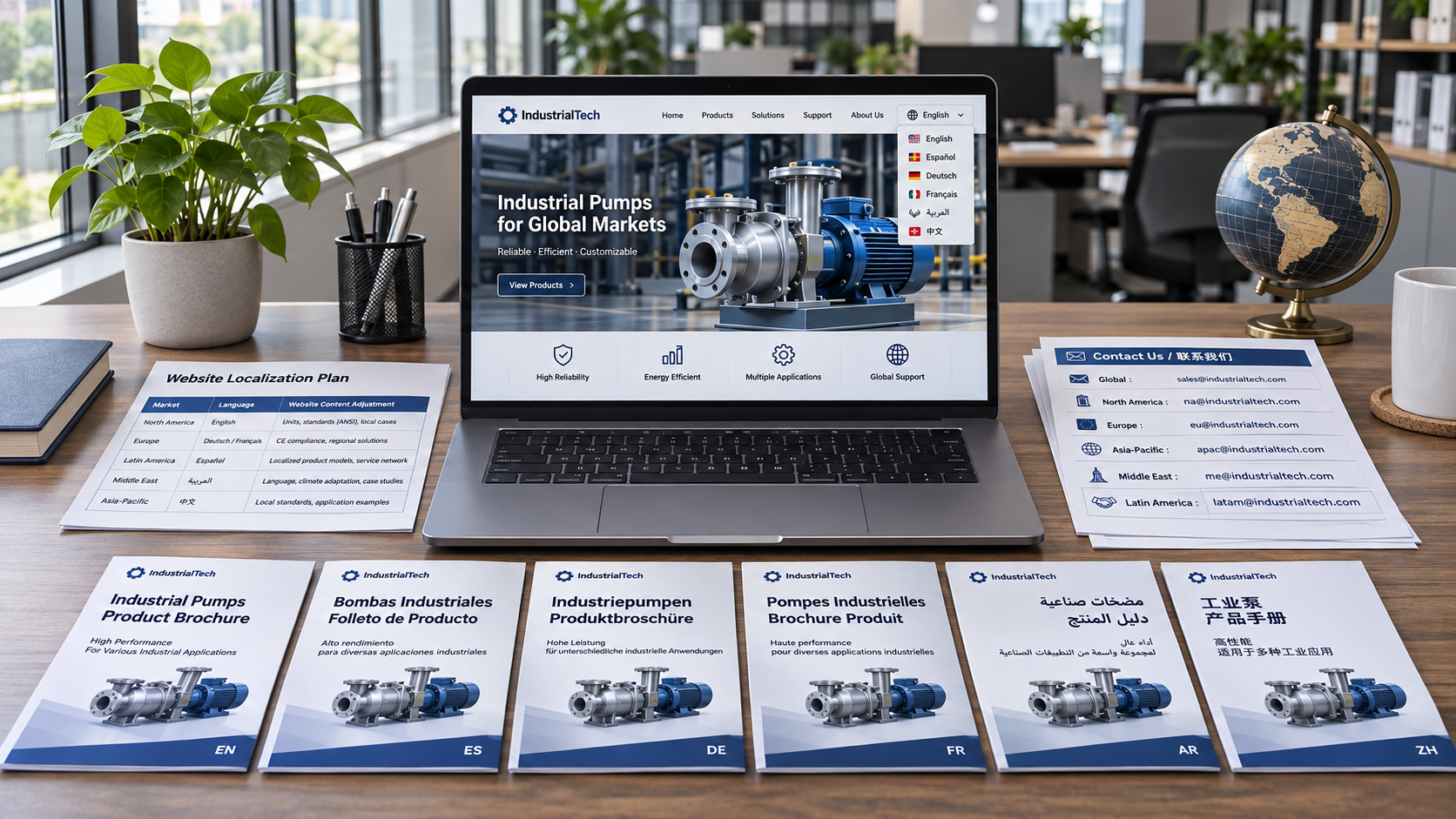
Each language should have an accessible, stable URL. Canonical links and configurations such as hreflang help search engines understand the relationships between pages. Language tags must match the actual content and target region, and corresponding pages must correctly reference one another. If tags are missing or point to nonexistent pages after new pages are added, troubleshooting and repairs will add to the workload.
Using a shared content management system and page templates can make centralized publishing and fixes easier. Building separate websites for each market, however, requires maintaining each domain, deployment, and technical configuration separately. Whether a page is indexed also depends on content quality, crawling, and indexing status; language tags alone are not enough to determine this.
The role of machine translation and human review
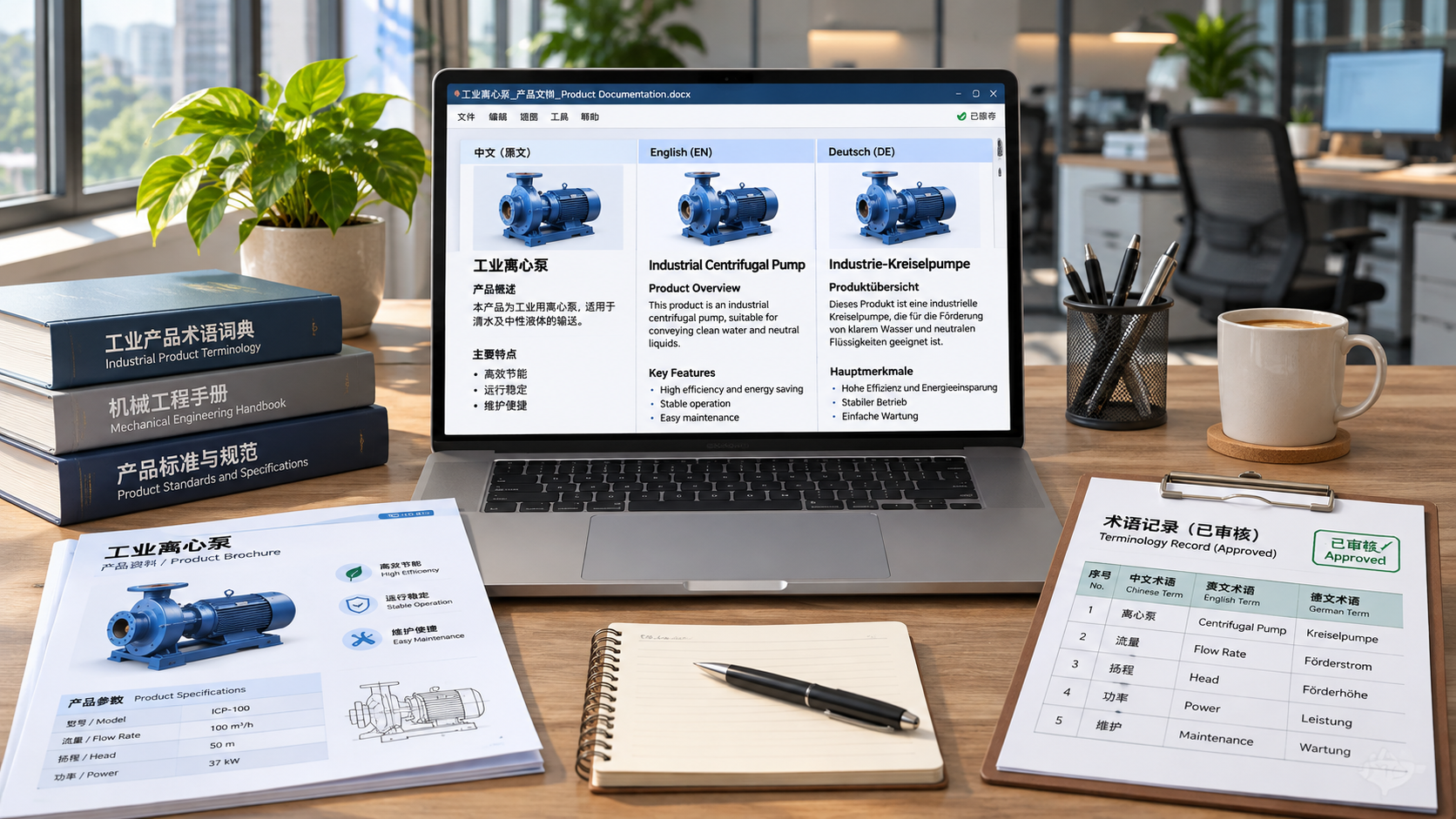
Machine translation can reduce the time needed to prepare a first draft, but professional terminology, product specifications, purchase terms, and commonly used local search terms still need to be checked. Accurate translation does not necessarily mean that the wording is suitable for search: if a directly translated product name does not match the terms local users search for, the page title and body still need adjustment.
Yingyingbao's B2B Export Marketing (Super) Website offers multilingual management and automatic translation features, which can serve as a reference when evaluating content publishing workflows. When selecting a platform, also confirm the translation quota, responsibility for human review, whether SEO fields can be edited for each language, and how updates to the source text trigger synchronization across languages. These details directly affect ongoing investment.
Content synchronization and version management
When the source text changes, pages in each language may not need to be updated word for word, but transaction-critical information such as product models, lead times, and pricing terms should be checked promptly. We recommend recording the corresponding source text, reviewer, and last update date for each language, and defining rules for when changes trigger updates. Otherwise, versions can remain inconsistent for a long time, and a comprehensive fix will require reconfirming which information is still valid.
When quotes are similar, which service boundaries should you compare?
Even if two quotes both say “multilingual SEO maintenance,” the work they cover may differ. Check the number of pages included for each language, the translation and proofreading methods, the scope of keyword research, and which party is responsible for fixing technical issues. Reports should also specify whether data is grouped by language, country, or the website as a whole, and whether checks of conversion events are included.
For additional pages, urgent revisions, and campaign pages outside the agreed scope, define the billing unit and acceptance criteria in advance. Growth in multilingual traffic does not automatically mean growth in business opportunities: when evaluating performance, review indexing, search traffic, and qualified inquiries for each target language, and distinguish content issues from technical problems such as forms and page speed.
Related Articles
 How should a website for global brand expansion adapt its content to target regions?
 How can AI multilingual translation solutions address inconsistent product terminology?
 How to Check Translation Quality After Building a Multilingual B2B Website with AI
Related Products
 Yiyingbao SaaS Intelligent Website Building and Marketing SystemYiyingbao SaaS Intelligent Website Building and Marketing System, AI-powered no-code website building, rapid creation of multilingual B2B international websites in 10 minutes, global server acceleration, AI-powered SEO optimization, helping businesses connect efficiently with global markets. The perfect integration of technology and operation makes building an international trade website remarkably simple
 AI+SEM Intelligent Advertising Marketing SystemAI+SEM drives intelligent ad creation, empowering full-funnel precision advertising marketing. The system automatically generates weekly/monthly reports, AI recommends keywords and target countries, monitors core metrics in real-time with intelligent alerts, and enables one-click high-conversion ad solutions to help quickly acquire customers and improve ROI.
 AI+SEO Dual-Engine System Optimization ServicesYiyingbao’s AI+SEO dual-engine optimization system helps foreign trade enterprises acquire high-quality organic traffic through AI-powered keyword research, content generation, and comprehensive technical optimization, significantly improving search rankings and conversion rates.
 AI+SNS Social Media Marketing SystemYingbao AI+SNS Social Media Marketing System - Precision social capture for the social media era. Supports one-click content synchronization across major platforms like Facebook and LinkedIn. AI intelligently rewrites posts for enhanced relevance. 24/7 AI customer service and user profiling analysis empower businesses to efficiently expand into global markets.
 AI+SEO营销解决方案易营宝AI+SEO营销解决方案,通过AI批量写作、智能生成TDK、精准关键词扩词等功能,全面优化网站SEO效果,提升流量与转化率。助力企业构建高效智能网站新生态。
 AI+SEM Advertising Marketing SolutionsAI+SEM Advertising Marketing Solution leverages AI technology to deeply empower SEM ad campaigns. It automatically generates weekly/monthly reports using AI, presenting account data across multiple dimensions for comprehensive insights into campaign performance and trends. The system precisely recommends keywords and target countries, intelligently generates high-conversion ad copy, and enables one-click activation of efficient campaign plans to help businesses rapidly acquire customers. Simultaneously, it monitors core metrics in real time, intelligently identifies abnormal fluctuations, and issues timely alerts to ensure stable, high-return advertising results.
 Domain Name ServicesEasyWin provides professional domain name services, including intelligent queries, one-stop registration, brand protection, and full lifecycle management, helping businesses build a digital brand image.
 EasyOperate B2C Cross-Border E-Commerce Platform & Independent WebsiteEasyStore B2C Cross-border E-commerce Independent Store is an intelligent website building and cross-border e-commerce integrated solution independently developed by EasyStore Information Technology (Beijing) Co., Ltd. The system is specially designed for small and medium-sized as well as large export enterprises, integrating 'website building, operation, marketing, advertising, and conversion' into one, helping enterprises quickly establish cross-border e-commerce independent stores to achieve brand globalization and global sales growth.
The platform supports multiple languages, multiple currencies, and multi-channel marketing, with built-in AI intelligent translation and SEO optimization systems, suitable for mainstream markets such as Southeast Asia, Europe and America, Latin America, and the Middle East, assisting Chinese manufacturing enterprises in efficiently deploying international e-commerce strategies. SSL证书易营宝提供专业SSL安全证书服务,包括单域名和泛域名证书,确保网站数据传输加密、身份验证和完整性保护,助力企业建立安全可信的在线业务环境。









