









- Hengqin Cooperation Zone Shares Cross-Border E-Commerce Developments, Focusing on Macao-Hengqin Collaboration and International MarketsOct 24, 2026View details
- A Shenyang study highlights the development of the “cross-border e-commerce + industrial cluster” modelOct 24, 2026View details
- Three China Advertising Association GEO group standards take effect on October 23Oct 24, 2026View details
- Amazon Raises Fulfillment Fees Twice, Yet the Median Platform Fee Remains Around 40%Oct 22, 2026View details
- AliExpress and YouTube Partner to Expand Marketing Opportunities for Chinese Brands Going GlobalOct 22, 2026View details
- Publicis says AI marketing is developing at two speeds, with agentic AI helping win clientsOct 21, 2026View details
How Can an SEO Content Strategy Prevent Keyword Cannibalization?
When the same keyword is associated with multiple pages and their rankings frequently fluctuate, this does not necessarily mean keyword cannibalization. The issue to address is when several pages meet almost the same search need but have no clear division of roles. This makes it difficult for search engines to determine which page is more suitable to show, while users may find no more valuable content after landing on the page.
An effective search engine optimization content strategy should first determine which page will serve each type of need, then decide whether to create, update, or consolidate content. Simply changing an article's title or keywords usually does not resolve competition between pages.
First, determine whether the pages complement each other or compete for the same need
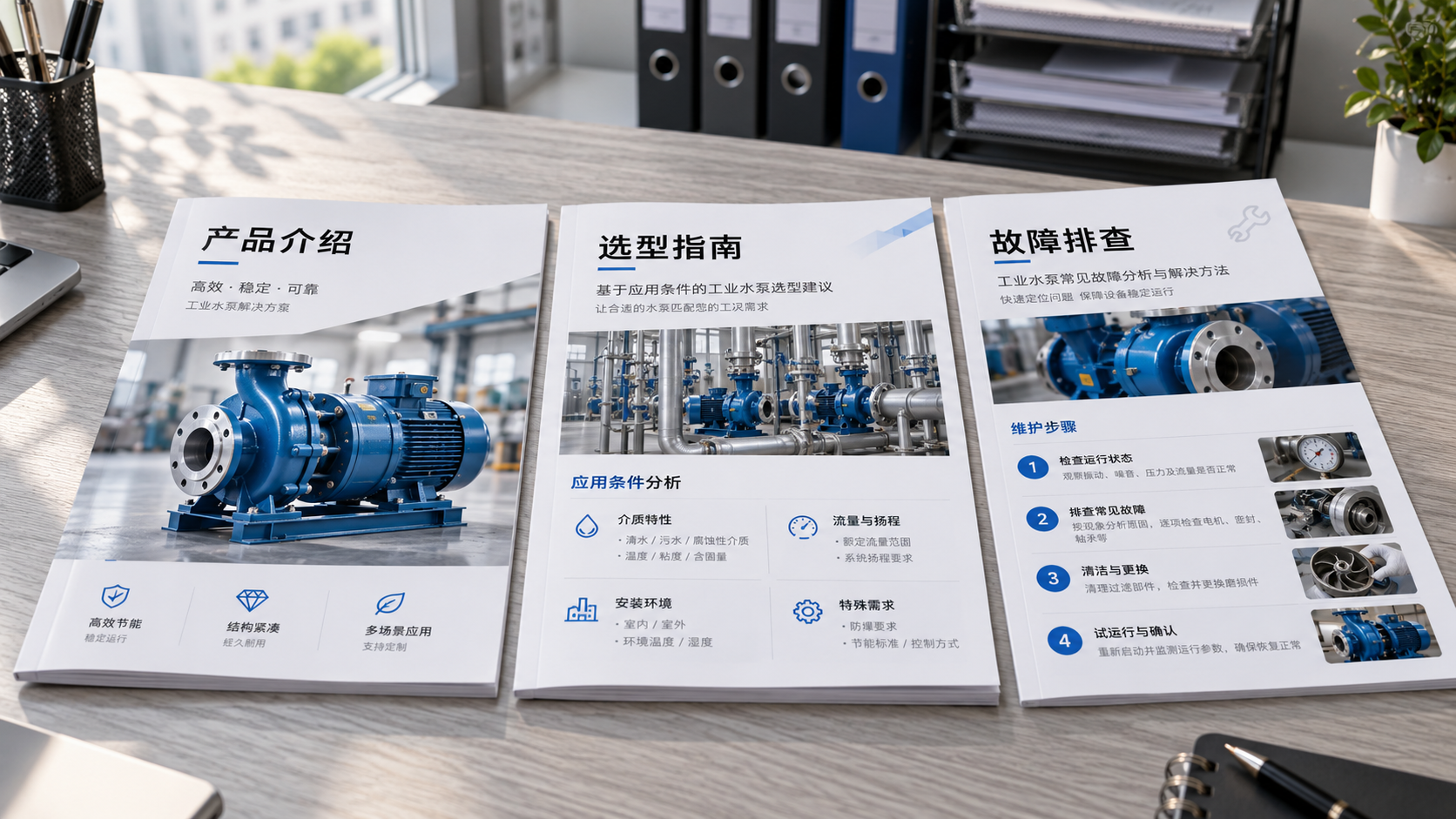
For an international trade website, “industrial water pump products,” “industrial water pump selection guide,” and “industrial water pump troubleshooting” all include “industrial water pump,” but they help users view products, choose a model, and solve usage problems, respectively. They can usually exist as separate pages.
If you publish both “How to Choose an Industrial Water Pump” and “Industrial Water Pump Buying Tips,” and both discuss flow rate, head, and materials for the same type of user while offering the same advice, they are more likely to compete with each other. The key question is whether users need two separate pages, not how many words the pages have in common.
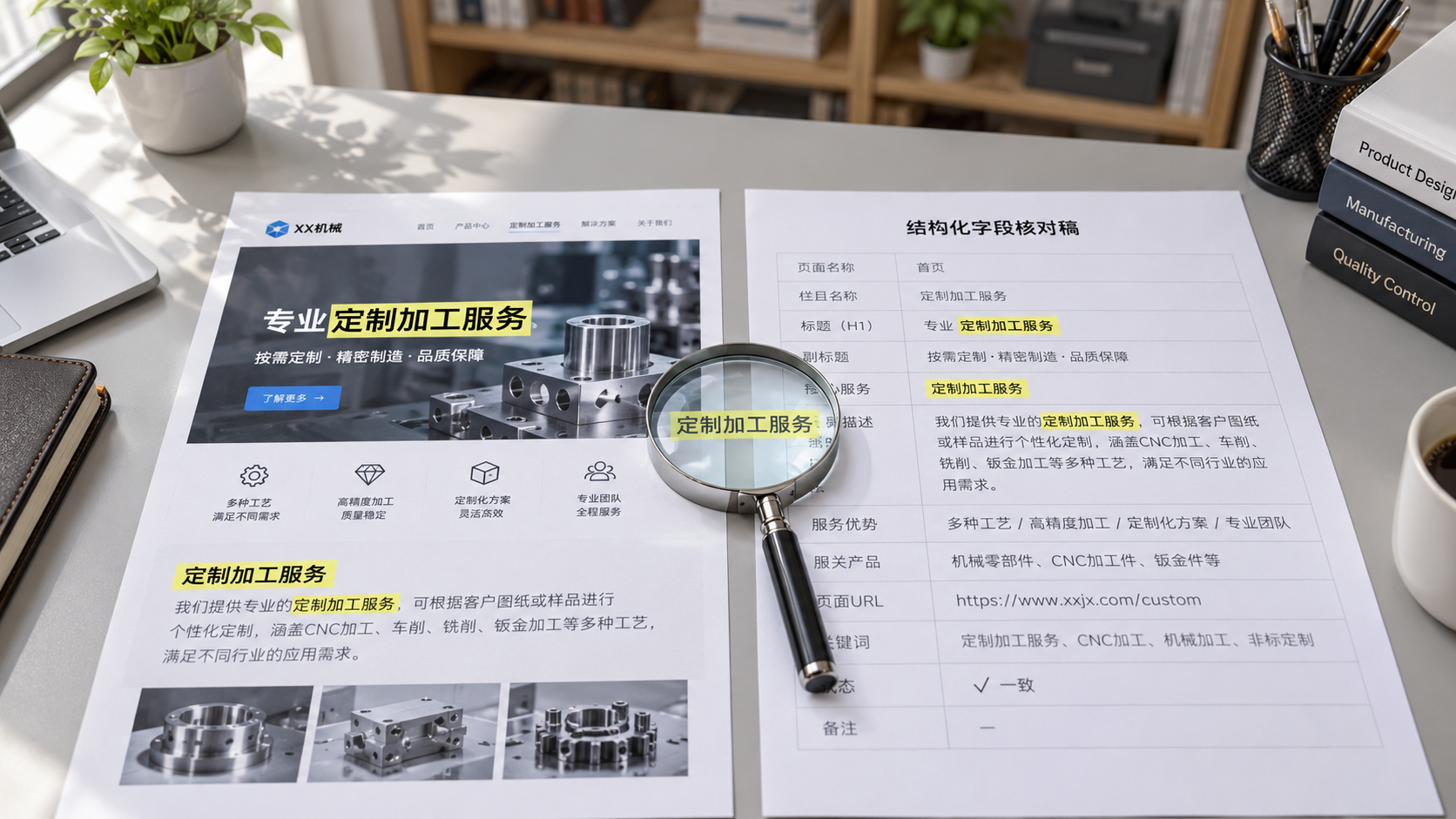
To investigate, open the suspected competing pages side by side and ask: Do they answer the same question? Could their main content be swapped? Does the second page offer any distinct value after readers have read the first? If they differ only in wording, consider consolidating them first.
Use query and page data to confirm the issue; don't decide based only on ranking fluctuations
In the Google Search Console Performance report, filter for core queries, then review the pages receiving impressions and clicks. Check whether the displayed page repeatedly changes over time under the same conditions, such as country and device, and assess the target pages' clicks, inquiries, or orders.
If multiple URLs receive impressions for the same query, that is only a reason to investigate. Differences by region or device, as well as changes in search results, can also affect page performance. Do not delete an article just because its ranking dropped on a particular day.
You can create an audit sheet recording the query, associated URL, page purpose, click performance, and conversions. Prioritize two types of issues: product pages that should generate inquiries but are persistently replaced by general articles; and multiple highly similar pieces of content that offer users no clearly different help, whichever one they visit.
If two pages serve different needs, such as purchasing and learning, and each provides consistent value, they can be kept. A new page that has not received clicks does not necessarily indicate cannibalization either; also check indexing, content quality, and internal links leading to it.
Shift your content plan from a “keyword list” to a “page role matrix”
When planning content, do not turn every synonym into a separate article. First group queries with different wording but the same goal, then assign a primary page to serve that need. For example, “international trade website development cost” and “how much does it cost to build an international trade website” can usually be answered by the same page.
For every page you plan to publish, clarify at least three things: what problem the user wants to solve, what information the page needs to provide, and what you want the user to do next. Product category pages help users narrow down their choices; product detail pages explain specifications and conditions of use; guide articles support decision-making; and service pages describe the scope of delivery and how to work together.
For multilingual website development, for example, a service page describes the supported scope and implementation process; a guide explains how to choose languages and regions; and a technical article addresses language-version configuration issues. They can link to one another, but they do not all need to use “multilingual website development” as the core of the title.
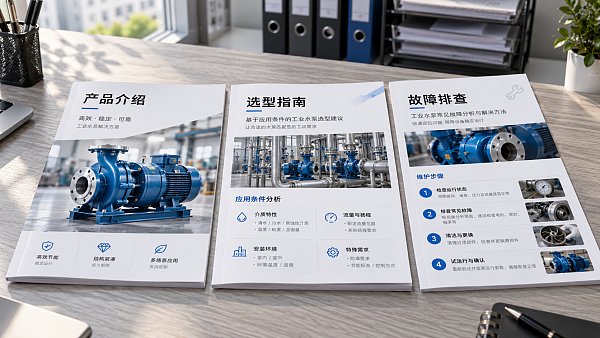
Before creating a new article, search your existing site content. If an existing page already serves the same need but is missing a particular decision-making factor, updating it is usually a better option. Create a separate page only when the question, usage conditions, or decision-making stage is genuinely different.
When you find a conflict, choose an action based on the value of each page
Significant content overlap: consolidate and set up a redirect. Choose the page best suited to serve the need over the long term, taking into account content completeness, quality backlinks, historical performance, and conversion potential. Incorporate valuable content from the other pages, then retire them and set up 301 redirects to the corresponding destination page. Update internal links and the sitemap to prevent users from taking unnecessary detours.
Different needs, similar content: clarify the boundaries. Add specifications, usage conditions, and inquiry information to product pages; strengthen selection criteria, limitations, and comparison methods in guide articles. Also adjust titles, headings, and internal link text so that the entry point matches the content. Simply replacing words with synonyms does not create a meaningful division of roles.
Multiple URLs for the same content: address technical duplication. Parameters, filters, or print versions may generate similar pages. First check URL rules and indexing, then organize duplicate versions using methods such as canonical declarations. A canonical is a canonicalization signal; it cannot be used to forcefully resolve conflicting positioning between two different articles.
noindex is suitable for pages that do not need to appear in search, such as some internal search results pages. It should not be the default solution for content conflicts. Before retiring a page, also check whether ads, email, or social media are still using its link, to avoid disrupting active lead-generation processes.
After publishing, check whether the right pages are serving user needs—not just their rankings
After making changes, record the date, URLs involved, and reason for the changes. Once search engines have had time to recrawl the pages, continue to monitor whether the expected pages are serving the target queries, whether overall organic clicks to related pages have improved, and whether inquiries or orders have been affected. Looking only at the ranking of the retained page may overlook the loss of long-tail traffic previously generated by a consolidated page.
For multilingual websites, distinguish between languages and markets. Different language versions serve different audiences and generally should not be consolidated directly. Regional pages in the same language, however, need genuine differences in service scope, delivery conditions, or local information; simply replacing country names can lead to duplication. hreflang indicates the corresponding language or regional versions and cannot replace content positioning.
When using a platform such as EasyYingbao that provides both intelligent website building and overseas marketing services, the page role matrix can serve as a shared reference for website development, content, and promotion teams, clarifying the primary entry point for each type of need. For the next content plan, first check whether existing pages can meet users' needs, then decide whether to create new ones. This helps reduce duplicate publishing and gives every page a clear reason to exist.
Related Articles
 How Can an SEO Content Strategy Prevent Keyword Cannibalization?
 How can you check whether Schema markup matches the visible page content?
 Why Are Core Web Vitals Still Failing After Website Speed Optimization?

Related Products
 Yiyingbao SaaS Intelligent Website Building and Marketing SystemYiyingbao SaaS Intelligent Website Building and Marketing System, AI-powered no-code website building, rapid creation of multilingual B2B international websites in 10 minutes, global server acceleration, AI-powered SEO optimization, helping businesses connect efficiently with global markets. The perfect integration of technology and operation makes building an international trade website remarkably simple
 AI+SEM Intelligent Advertising Marketing SystemAI+SEM drives intelligent ad creation, empowering full-funnel precision advertising marketing. The system automatically generates weekly/monthly reports, AI recommends keywords and target countries, monitors core metrics in real-time with intelligent alerts, and enables one-click high-conversion ad solutions to help quickly acquire customers and improve ROI.
 AI+SEO Dual-Engine System Optimization ServicesYiyingbao’s AI+SEO dual-engine optimization system helps foreign trade enterprises acquire high-quality organic traffic through AI-powered keyword research, content generation, and comprehensive technical optimization, significantly improving search rankings and conversion rates.
 AI+SNS Social Media Marketing SystemYingbao AI+SNS Social Media Marketing System - Precision social capture for the social media era. Supports one-click content synchronization across major platforms like Facebook and LinkedIn. AI intelligently rewrites posts for enhanced relevance. 24/7 AI customer service and user profiling analysis empower businesses to efficiently expand into global markets.
 AI+SEO营销解决方案易营宝AI+SEO营销解决方案,通过AI批量写作、智能生成TDK、精准关键词扩词等功能,全面优化网站SEO效果,提升流量与转化率。助力企业构建高效智能网站新生态。
 AI+SEM Advertising Marketing SolutionsAI+SEM Advertising Marketing Solution leverages AI technology to deeply empower SEM ad campaigns. It automatically generates weekly/monthly reports using AI, presenting account data across multiple dimensions for comprehensive insights into campaign performance and trends. The system precisely recommends keywords and target countries, intelligently generates high-conversion ad copy, and enables one-click activation of efficient campaign plans to help businesses rapidly acquire customers. Simultaneously, it monitors core metrics in real time, intelligently identifies abnormal fluctuations, and issues timely alerts to ensure stable, high-return advertising results.
 Domain Name ServicesEasyWin provides professional domain name services, including intelligent queries, one-stop registration, brand protection, and full lifecycle management, helping businesses build a digital brand image.
 EasyOperate B2C Cross-Border E-Commerce Platform & Independent WebsiteEasyStore B2C Cross-border E-commerce Independent Store is an intelligent website building and cross-border e-commerce integrated solution independently developed by EasyStore Information Technology (Beijing) Co., Ltd. The system is specially designed for small and medium-sized as well as large export enterprises, integrating 'website building, operation, marketing, advertising, and conversion' into one, helping enterprises quickly establish cross-border e-commerce independent stores to achieve brand globalization and global sales growth.
The platform supports multiple languages, multiple currencies, and multi-channel marketing, with built-in AI intelligent translation and SEO optimization systems, suitable for mainstream markets such as Southeast Asia, Europe and America, Latin America, and the Middle East, assisting Chinese manufacturing enterprises in efficiently deploying international e-commerce strategies. SSL证书易营宝提供专业SSL安全证书服务,包括单域名和泛域名证书,确保网站数据传输加密、身份验证和完整性保护,助力企业建立安全可信的在线业务环境。









