Whether an export website needs investment in GEO in addition to SEO depends on whether customers use AI search to find suppliers. This article explains the differences between the two to help you assess when to invest and what to prioritize, so your limited budget is more likely to generate qualified inquiries.
For decision-makers at export companies and overseas marketing managers, it is usually worth starting with a small-scale test. If the website is not yet consistently indexed, product information is incomplete, or the inquiry path is difficult to navigate, address these basics first before gradually increasing investment in related areas.
The key question is whether the additional investment will make it easier for target buyers to discover, understand, and trust your company. When evaluating it, consider customers’ search habits, the current state of your website, and the quality of inquiries. Avoid following suit simply because competitors have started investing in this area.
What can GEO add if you’re already doing SEO?
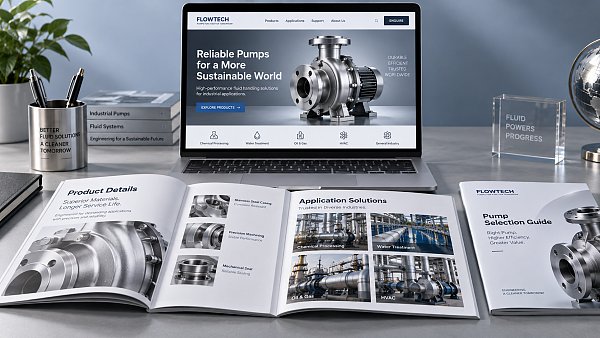
SEO primarily improves a website’s visibility in search results, helping customers find its pages. GEO, generally meaning generative engine optimization, focuses on whether a company’s information can be discovered and correctly understood by generative search engines, and cited or mentioned in relevant answers.
For example, buyers used to search for industrial pump suppliers and then visit their websites one by one. Now, they may ask directly which suppliers can handle corrosive media and request comparisons of materials, certifications, and lead times. Companies need to provide specific information that supports this evaluation.
The two share many of the same foundations, including accessible pages, clear content, and trustworthy information. The difference is that, when addressing complex questions, product names and specifications alone are often not enough. Companies also need to explain application conditions, selection criteria, and the scope of their services.
However, being cited in content does not necessarily lead to visits or orders. The search methods, responses, and citation links vary across platforms. No service provider can guarantee consistent recommendations, so companies should treat this investment as a supplementary customer acquisition channel whose value can be tested.
Which companies should invest first, and which can wait?
Start by checking customer behavior. Have sales teams received feedback from customers who learned about the company through AI-powered Q&A tools? Do buyers in target markets use these tools to research products? These signals support investment decisions better than general industry buzz.
Next, consider how complex the purchasing decision is. Businesses involving industrial equipment or custom components, for example, require decisions about materials, operating conditions, certifications, and after-sales service. Customers often ask a series of follow-up questions, making these businesses well suited to explaining differences through expert content and demonstrating their actual capabilities.
If your website already receives organic search traffic and core product pages generate inquiries, but lack selection guidance and application case studies, you can prioritize a trial. Adding content at this stage can support purchasing decisions and may also improve performance in both traditional and generative search.
If your website has issues such as nonfunctional mobile forms, important pages that cannot be indexed, or translation errors, fix these first. Such obstacles directly affect customers’ ability to find information and submit requests. Publishing more articles usually cannot make up for a poor basic user experience.
With a limited budget, start with a pilot focused on one key market and one product line. Choose a business area that the sales team knows well, has reasonable profit margins, and has real case studies. This makes content costs easier to control and helps you assess whether the additional work is worth continuing.
Where should you spend your first budget?
Start by organizing the questions customers actually ask. Draw on inquiry emails, sales records, and after-sales feedback to identify topics such as material selection, minimum order quantities, customization processes, and delivery terms. Then rank them by their impact on closing sales, rather than producing large volumes of content around broad concepts.
Next, improve the pages that can address these questions. Product pages should explain key specifications and limitations; application pages should describe specific use cases; and case study pages should detail the customer’s problem, the solution process, and the results. When discussing certifications, state accurately which entities and scopes they apply to.
Structure the content by giving the conclusion first, then explaining the conditions and evidence. For example, explain which media a particular material is suitable for, while also noting temperature limits and alternatives. Clearly identifying the source and update date of specifications helps customers evaluate them more than repeatedly claiming that quality is reliable.
Start by checking crawling, indexing, page rendering, and internal links. Then use structured data as appropriate for the actual content. Relevant markup can help machines understand a page, but it does not guarantee citations, and no generic block of code can ensure that all platforms will recommend it.
How can you verify results and avoid paying only for impressive reports?
Before the pilot, record the baseline, including organic traffic to core pages, the number of qualified inquiries, and sales feedback. Also create a set of questions from target buyers covering product discovery, solution comparisons, and supplier verification. Continue monitoring under similar conditions.
During monitoring, record the platform, date, wording of the question, whether the brand appeared, whether the official website was cited, and whether the description was accurate. Because answers fluctuate, a single screenshot only shows the result at that moment; it cannot directly represent long-term visibility or market coverage.
When assessing business impact, prioritize identifiable referral visits, customer-reported inquiry sources, and lead quality. Some users may see an answer and then search for the brand or contact sales directly, so you can also add a brief source-of-awareness question to your inquiry form.
Agree in advance on a review point roughly one quarter later, while taking the industry’s purchasing cycle into account. If mentions increase but there are no further signs, such as visits, brand searches, or qualified conversations, review your question selection and the pages that receive visitors before deciding whether to expand the investment.
What deliverables should you look for in an integrated service provider?
For companies without an in-house team, having one team coordinate website development, content, and promotion can help reduce disconnects between page updates and marketing execution. When purchasing services, however, clearly distinguish what is included in the existing optimization work from what requires an additional fee.
Yingyingbao provides intelligent website building, multilingual websites, and overseas marketing services. Companies can evaluate its coordinated SEO and GEO solution based on their needs. Discussions should focus on website issues, target markets, and an implementation checklist—not just comparisons of content output.
Contracts should specify the scope of page revisions, responsibility for reviewing expert content, the list of questions to monitor, and the review process. In particular, company personnel should verify manufacturing specifications, certifications, and delivery commitments to prevent errors in automatically generated information from undermining customer trust.
Validate the incremental value first, then decide how much to invest
Whether an export website needs further investment depends on customer search behavior and the company’s current shortcomings. Companies with a stable website foundation, complex product decisions, and professional materials are better suited to an early pilot. Those with a weak foundation should address indexing and conversion issues first.
A practical starting point is to select one key product line, compile high-value buyer questions, improve the relevant pages, and consistently track changes in visibility and qualified inquiries. Let business evidence guide future budgets so that new search opportunities translate into well-founded growth investments.