









- Hapag-Lloyd’s $4.2 billion acquisition of ZIM faces a closing delay; ZIM reports third-quarter net profit of $830 millionNov 24, 2026View details
- SCFI falls for a third straight week to 3,503.78 points, with blank sailings on trans-Pacific routes rising to 10Nov 24, 2026View details
- Lazada 11.11 Mega Sale: LazMall Contributes Nearly Two-Thirds of GMVNov 23, 2026View details
- Shein’s European Revenue Falls 16% as Tighter Rules on Low-Value Direct Shipments Take EffectNov 23, 2026View details
- EU Low-Value Parcel Rules Impact Cargo Flows: Air Freight Volume from China to Europe Down 17% in OctoberNov 23, 2026View details
- Indonesia and the EU Sign Comprehensive Economic Partnership Agreement, 90.4% of Tariff Lines to Become Duty-Free ImmediatelyNov 23, 2026View details
How does the level of industry competition affect Google Ads cost per click?
Does more intense industry competition always mean higher Google Ads costs per click? For business evaluators searching for “реклама в гугл цены” (Google Ads pricing), this question often determines whether a budget can be approved and whether a customer acquisition plan is realistic. The answer is: competition usually drives up cost per click, but the industry name alone does not determine the price. The specific searches customers make, the target location, ad quality, and competitors’ bids can all cause click prices to vary within the same industry.
Why does industry competition affect Google Ads costs per click?
Google Ads uses an auction system. When a user conducts a search, eligible ads may participate in that auction. If several businesses want their ads to appear for similar search queries and are willing to pay more for potential customers, the cost of gaining impressions and clicks may rise.
However, an auction is not simply a matter of “the highest bidder wins.” Ad rank is also affected by factors such as ad and landing page quality, the context of the search, and the expected impact of ad assets. The actual cost per click does not necessarily equal the maximum cost-per-click bid you set: the amount you pay is generally related to the auction and ad rank, and the specific outcome depends on your bidding strategy.
This means that highly competitive industries often face greater cost pressure, but not every keyword is expensive, and increasing bids is not the only way to attract traffic. When assessing costs, it is best to break “industry competition” down into more specific needs and auction scenarios.
Why can click prices vary so much within the same industry?
Search intent varies. For industrial equipment, someone searching for how a piece of equipment works may be in the research stage, while someone searching for a specific model, supplier, or quote may have clearer purchase intent. The latter searches often attract more advertiser interest, so their click prices may be higher. But higher-priced clicks may also generate more valuable inquiries, so unit price alone is not enough to determine whether they are worthwhile.
Target markets vary. The number of advertisers and the level of customer demand for the same product differ across countries, regions, and language environments. The competitive landscape may be very different for English-language searches targeting North America and local-language searches targeting the Middle East. Businesses considering the Russian-language market can search for “реклама в гугл цены” to find pricing-related information, but should not treat the search results as a direct quote for their own products in their target market.
Keyword coverage varies. Broad keywords may attract more traffic, but they can also draw irrelevant visits. Keywords that include a product type, use, or purchasing need may have lower search volumes but be more relevant to target customers. Actual prices still need to be assessed in light of match types, account settings, and observed auction activity.
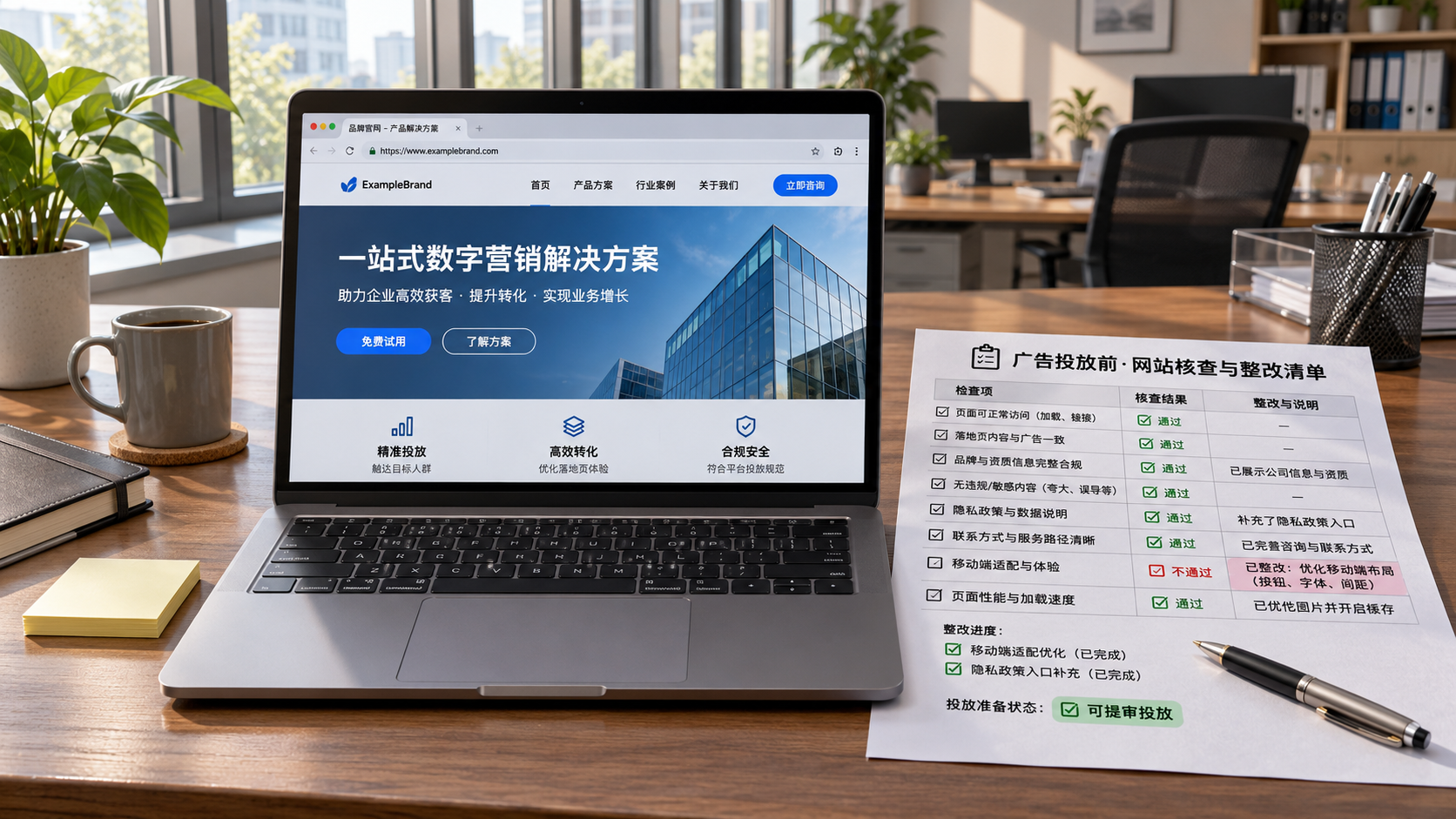
Website experience varies. If an ad promises a product quote but takes users to a generic homepage where they cannot find contact information, the experience is likely to be poor. Ad copy that matches search intent, clear landing page content, and an easy inquiry process can help improve ad performance, but cannot guarantee that click prices will fall.

When assessing a budget, look beyond cost per click
During a business assessment, cost per click is easy to compare, but it is not the ultimate goal. What matters more is how many qualified inquiries the clicks generate and whether those inquiries turn into orders. A keyword with a low click price can still result in a high overall customer acquisition cost if most visitors are not target customers.
Here is a simplified example: suppose an ad has an average cost per click of 10 yuan. One hundred clicks cost 1,000 yuan and generate five qualified inquiries, making the average advertising cost per qualified inquiry 200 yuan. If another group of ads has a cost per click of 15 yuan, 100 clicks generate 10 qualified inquiries, making the average cost per qualified inquiry 150 yuan. These figures are for explaining the calculation method only; they are not industry quotes or performance guarantees.
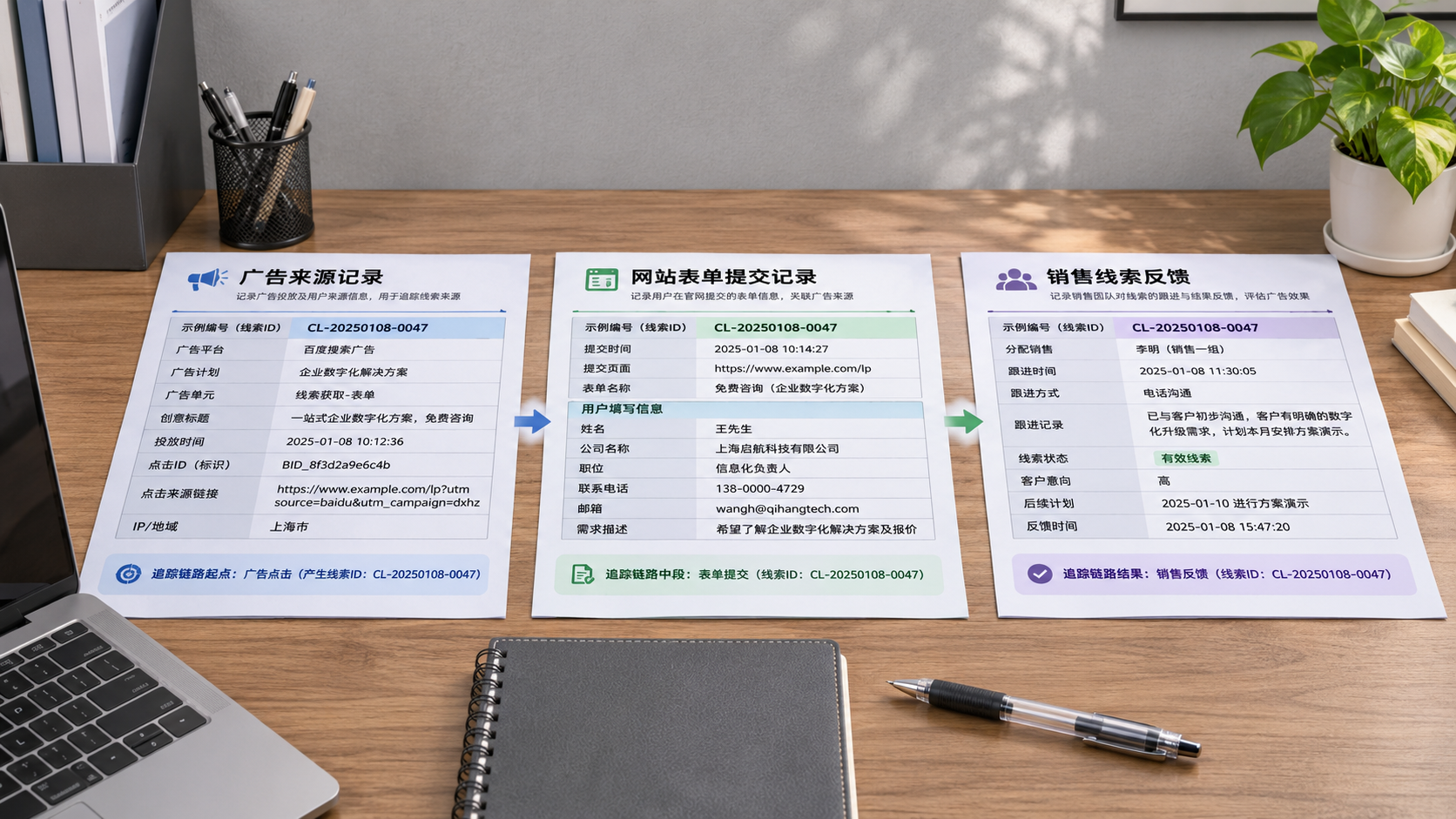
A practical assessment should also account for sales follow-up, website development, and operating costs. This is especially important for B2B businesses, where an inquiry does not equal a sale. If you only record the number of form submissions without distinguishing between purchase needs, locations, and valid contact details, your budget assessment can be misleading.
Businesses that need to discuss advertising costs across departments can also assess them in line with internal budgets and financial reporting practices. For discussions involving group-level cost allocation and reporting, see Problems and Countermeasures in the Consolidated Financial Statements of Enterprise Groups. Advertising performance, however, still needs to be assessed using marketing data and business results together.
How can you get a price estimate that better reflects your business?
Prices mentioned in public articles can only serve as background information. When preparing a budget, first define the products you plan to sell, your target countries or regions, languages, and customer types. Then build a keyword list around these criteria. For example, separating searches such as “product name,” “product name + supplier,” and “product name + quote” is more useful than looking at a single broad industry keyword.
Next, use Google Ads Keyword Planner to review estimates such as historical search volume, competition, and top-of-page bid ranges for relevant keywords. Keep the following in mind when reviewing the results:
- The competition level in the tool mainly reflects advertiser competition for a keyword; it is not the same as the difficulty of ranking in organic search.
- Top-of-page bid ranges are references based on historical data, not actual account costs per click or quoted prices that guarantee ad placement.
- Changes in location, language, timing, and keyword settings can all affect estimates. Use settings that closely match your campaign plan wherever possible.
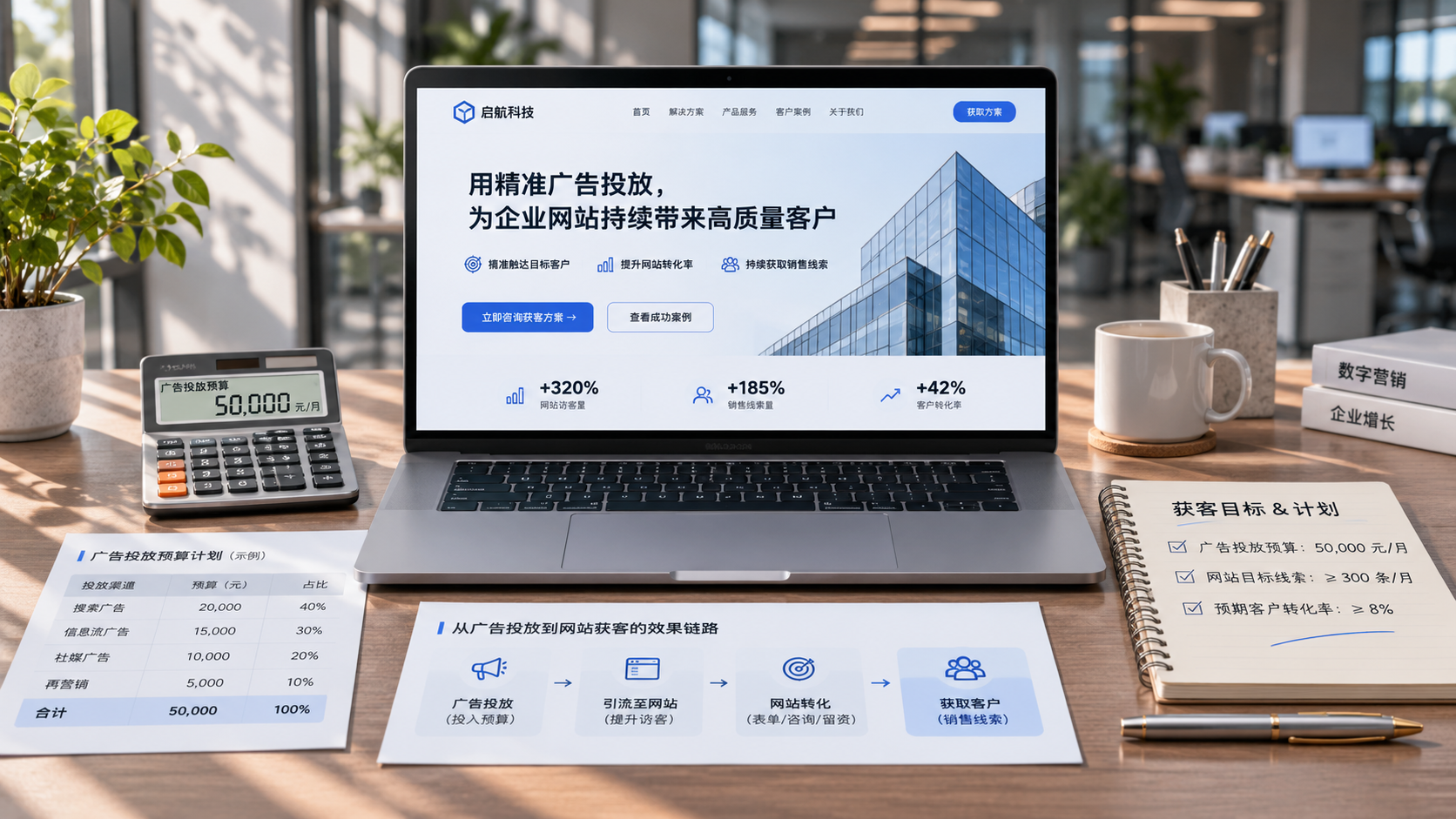
Based on this information, set a test budget according to expected clicks, an acceptable cost per click, and your conversion goals. If your budget is limited, instead of targeting multiple countries and a large number of products at once, start with a market where you have a stronger business foundation and your sales team can follow up promptly. Adjust your approach after collecting data over a period of time. There is no one-size-fits-all test period; decide based on actual traffic and conversion volumes, and avoid drawing conclusions from only a handful of clicks.
What can businesses adjust when competition is intense?
Lowering bids is not always the best option, especially for businesses with high customer value. A more practical approach is to reduce unproductive competition: review search terms reports regularly and exclude searches unrelated to your business; organize ads by product and target market; and ensure that ad copy and landing pages address the same kinds of questions. For multilingual campaigns, also check that the page language, product information, and contact details are suitable for local users, rather than simply translating the ads.
If your business is focused on both short-term inquiries and long-term customer acquisition, you can also combine ad testing with website development, Google SEO, and content optimization. Advertising data can reveal the search terms users enter and the product pages they are most interested in, providing insights for planning website content. Yiyingbao offers smart website building, multilingual websites, Google Ads, SEO, and other services. When assessing solutions like these, businesses should confirm whether the website supports conversion tracking, whether sales teams can easily follow up on form submissions, and whether advertising data can be used for further optimization.
Industry competition affects Google Ads costs per click, but does not by itself determine whether a campaign is worthwhile. For business evaluators, a more reliable process is to first define the target market and customer needs, then verify keyword price ranges, and assess costs in light of qualified inquiries and subsequent sales. This turns the budget from a guess into a figure that can be refined over time using real data.
Related Articles
 How can you assess an advertising service provider's conversion attribution capabilities?
 How to Request a Review After Violating Google Ads Policies
 What factors determine Google Ads costs?
Related Products
 Yiyingbao SaaS Intelligent Website Building and Marketing SystemYiyingbao SaaS Intelligent Website Building and Marketing System, AI-powered no-code website building, rapid creation of multilingual B2B international websites in 10 minutes, global server acceleration, AI-powered SEO optimization, helping businesses connect efficiently with global markets. The perfect integration of technology and operation makes building an international trade website remarkably simple
 AI+SEM Intelligent Advertising Marketing SystemAI+SEM drives intelligent ad creation, empowering full-funnel precision advertising marketing. The system automatically generates weekly/monthly reports, AI recommends keywords and target countries, monitors core metrics in real-time with intelligent alerts, and enables one-click high-conversion ad solutions to help quickly acquire customers and improve ROI.
 AI+SEO Dual-Engine System Optimization ServicesYiyingbao’s AI+SEO dual-engine optimization system helps foreign trade enterprises acquire high-quality organic traffic through AI-powered keyword research, content generation, and comprehensive technical optimization, significantly improving search rankings and conversion rates.
 AI+SNS Social Media Marketing SystemYingbao AI+SNS Social Media Marketing System - Precision social capture for the social media era. Supports one-click content synchronization across major platforms like Facebook and LinkedIn. AI intelligently rewrites posts for enhanced relevance. 24/7 AI customer service and user profiling analysis empower businesses to efficiently expand into global markets.
 AI+SEO营销解决方案易营宝AI+SEO营销解决方案,通过AI批量写作、智能生成TDK、精准关键词扩词等功能,全面优化网站SEO效果,提升流量与转化率。助力企业构建高效智能网站新生态。
 AI+SEM Advertising Marketing SolutionsAI+SEM Advertising Marketing Solution leverages AI technology to deeply empower SEM ad campaigns. It automatically generates weekly/monthly reports using AI, presenting account data across multiple dimensions for comprehensive insights into campaign performance and trends. The system precisely recommends keywords and target countries, intelligently generates high-conversion ad copy, and enables one-click activation of efficient campaign plans to help businesses rapidly acquire customers. Simultaneously, it monitors core metrics in real time, intelligently identifies abnormal fluctuations, and issues timely alerts to ensure stable, high-return advertising results.
 Domain Name ServicesEasyWin provides professional domain name services, including intelligent queries, one-stop registration, brand protection, and full lifecycle management, helping businesses build a digital brand image.
 EasyOperate B2C Cross-Border E-Commerce Platform & Independent WebsiteEasyStore B2C Cross-border E-commerce Independent Store is an intelligent website building and cross-border e-commerce integrated solution independently developed by EasyStore Information Technology (Beijing) Co., Ltd. The system is specially designed for small and medium-sized as well as large export enterprises, integrating 'website building, operation, marketing, advertising, and conversion' into one, helping enterprises quickly establish cross-border e-commerce independent stores to achieve brand globalization and global sales growth.
The platform supports multiple languages, multiple currencies, and multi-channel marketing, with built-in AI intelligent translation and SEO optimization systems, suitable for mainstream markets such as Southeast Asia, Europe and America, Latin America, and the Middle East, assisting Chinese manufacturing enterprises in efficiently deploying international e-commerce strategies. SSL证书易营宝提供专业SSL安全证书服务,包括单域名和泛域名证书,确保网站数据传输加密、身份验证和完整性保护,助力企业建立安全可信的在线业务环境。









