









- APEC Shenzhen Spotlight: Cross-Border E-Commerce Orders Promote Asia-Pacific Trade and Economic CooperationNov 08, 2026View details
- China-Europe Railway Express and CIIE Hold Business Matchmaking Event, Focusing on Cross-Border E-commerce B2B ExportsNov 07, 2026View details
- China’s Ministry of Commerce Responds to Additional Charges on Low-Value Imports Imposed by the EUNov 06, 2026View details
- Two Internet Development Reports Released at the 2026 World Internet ConferenceNov 05, 2026View details
- Internet Business Revenue of Enterprises Above the Designated Size Reached RMB 1.716 Trillion in the First Three Quarters, with Profits Up 17.6%Nov 05, 2026View details
- Shopify's Third-Quarter Revenue and GMV Fall Short of Expectations, Sending Shares Tumbling Before the Market OpensNov 04, 2026View details
How Can Google Ads Management Reduce Customer Acquisition Costs?
How can Google Ads management reduce customer acquisition costs? The key is not simply to drive down click prices, but to use precise targeting, ad optimization, and landing page improvements to direct more of the budget toward overseas prospects with genuine purchasing potential. For a foreign trade business, a low cost per inquiry does not necessarily mean a low customer acquisition cost: if the contact is not a good fit, their purchasing needs are unclear, or the sales team cannot follow up, ad spend may still be wasted.
Calculate costs first: businesses need more than form submissions
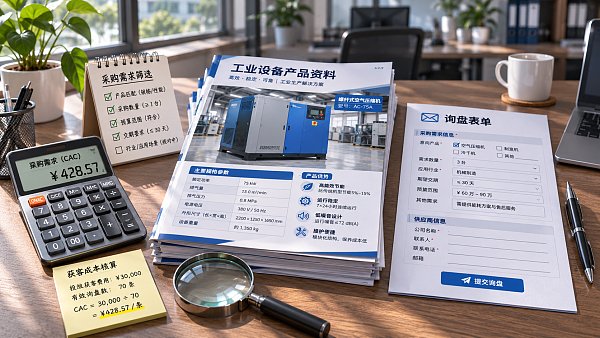
When evaluating Google Ads management, it is advisable to assess clicks, inquiries, and qualified opportunities separately. Cost per inquiry can be calculated by dividing ad spend by the number of inquiries; to calculate the cost per qualified opportunity, divide by the number of opportunities that sales has confirmed meet the criteria. To assess the full cost of customer acquisition, also include management fees, landing page development, and other related expenses.
For example, inquiries received by an industrial equipment supplier may come from factory buyers, students looking for information, and individuals asking about repairs. Looking only at the number of form submissions may make the ads appear to be performing well. Reviewing the purchasing region, product model, application, and purchasing plan is what reveals whether the budget is attracting target customers.
Before launching campaigns, the marketing, sales, and management teams should therefore agree on what counts as “qualified.” Is a business email address enough, or must the inquiry specify the intended use, quantity, and target market? Without clear criteria, subsequent optimization can end up focusing on the wrong metrics.
Shift budget away from irrelevant searches and toward genuine purchasing needs
Search queries can reflect very different intentions. Some people are looking for information about how a product works; others are comparing suppliers, while some have already settled on specifications and are ready to request a quote. The management team’s job is not simply to add more keywords, but to distinguish these needs based on the products and sales capabilities, then allocate the budget accordingly.
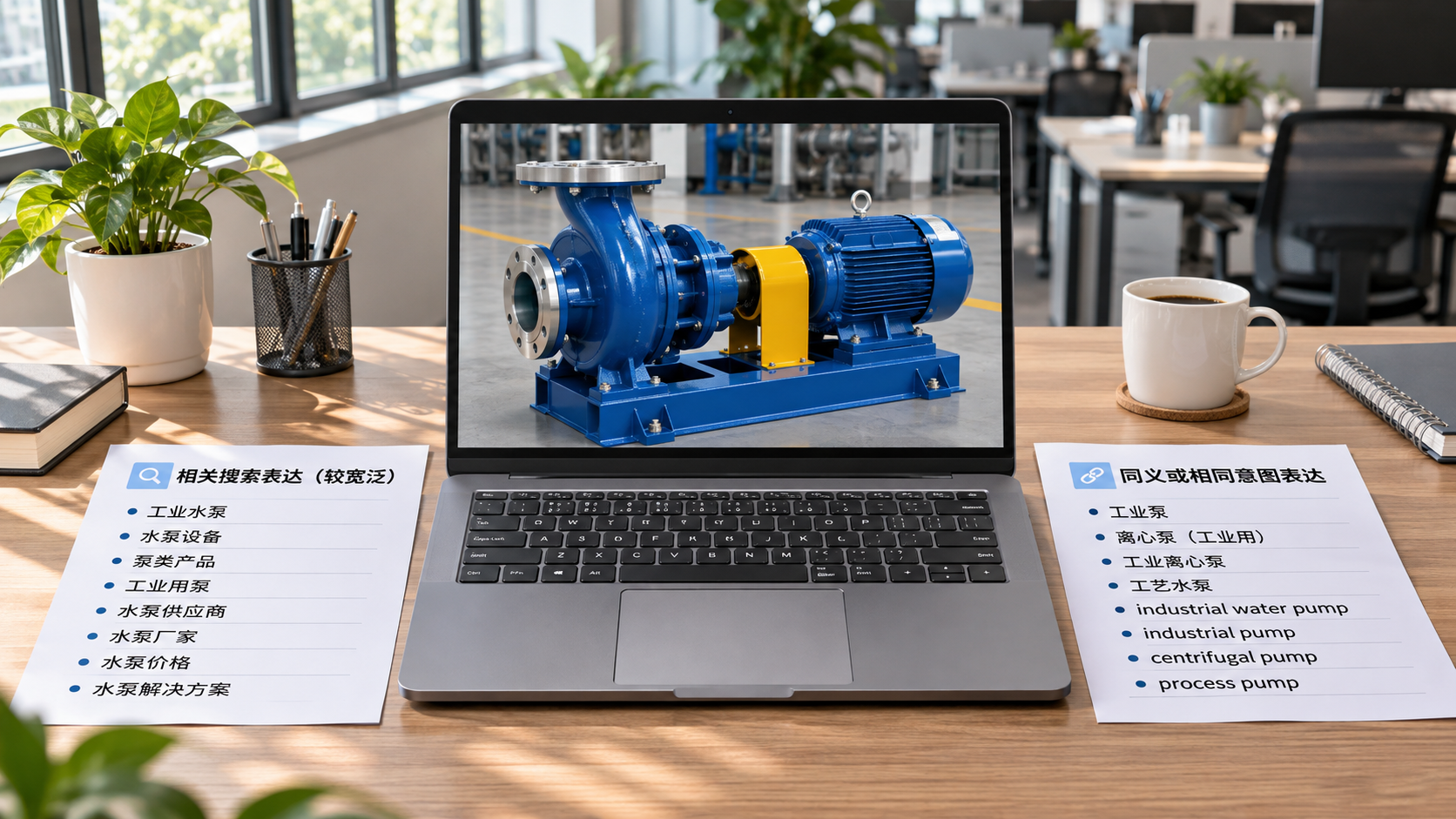
For custom manufacturing businesses, it can be useful to review searches related to product categories, applications, and supplier selection, then examine the actual search terms that triggered ads as data accumulates. Queries unrelated to the business, such as those about repairs, recruitment, or free materials, can be added as negative keywords where appropriate. However, overly broad exclusions may also block potential orders, so they need regular review.
Geographic and language targeting should likewise reflect the company’s ability to serve each market. Being able to export to a region does not necessarily mean the business can provide local-language support, logistics, or after-sales service there. Rather than targeting every overseas market from the outset, start by clearly grouping regions where the company can provide quotes and deliver, then adjust based on inquiry quality. Device targeting, ad schedules, and budget allocation should also be guided by actual data, not one-size-fits-all rules.
Ads bring clicks; the website determines whether prospects continue the conversation
In many accounts, the problem is not the ads but the lack of answers after a prospect clicks. An ad may promote a particular type of industrial component, while the landing page contains only a company introduction. Without specifications, application information, or a way to request a quote, buyers may find it difficult to decide whether to get in touch. Increasing the budget at this point simply sends more traffic into the same conversion bottleneck.
A landing page suited to B2B lead generation should help visitors quickly determine whether a product meets their needs. It should present key specifications, applications, customization capabilities, delivery processes, and credible company information. Any claims about certifications or performance should be supported by the company’s actual documentation. For pages targeting different markets, also review the language, units of measurement, contact details, and mobile browsing experience.
Inquiry forms also require careful consideration. Too few fields may leave sales unable to assess the inquiry, while too many may discourage buyers making an initial contact from submitting the form. Keep essential information such as contact details and product requirements, make detailed specifications optional, and provide a clear confirmation after submission. The page loading, form submission, and email delivery process should all be tested regularly.
The value of integrating website and marketing services lies in reducing situations where “the advertising team identifies a problem but cannot move website changes forward.” 易营宝 provides services including intelligent website building, multilingual website development, and Google Ads management. This combination may suit businesses that need to review both traffic sources and on-page conversion. For each project, confirm who will make page changes, how long they will take, and how advertising and website data will be shared.
Use sales feedback to refine campaigns instead of relying only on platform reports
Management teams typically track conversion actions such as form submissions and phone clicks, but these actions do not necessarily represent real orders. When evaluating a service, confirm that conversion events have been tested and that duplicate submissions, spam messages, and internal tests are not distorting the data. A phone click does not necessarily mean a call was answered, so it should be checked against actual records of calls handled.
A more useful approach is to establish a feedback loop: sales records the inquiry source, type of need, whether it is qualified, and subsequent progress. The operations team can then analyze the data by market, campaign, search term, or landing page to determine which investments are worth keeping. Where possible, and in compliance with applicable privacy requirements, offline outcomes such as qualified opportunities can be sent back to the advertising platform to support further optimization. When data volumes are low or the sales cycle is long, avoid drawing conclusions based only on short-term fluctuations.
Sales response time also matters. If a customer’s inquiry goes unanswered for too long, the opportunity may be lost even when the ad targeting is accurate. Reducing customer acquisition costs is not the management provider’s responsibility alone; someone needs to coordinate the website, advertising, and sales follow-up.
What delivery details should you confirm before signing?
When comparing service providers, look beyond the quoted price and check account ownership, fee structure, and optimization permissions. Are ad spend and service fees itemized separately? Can the business access the advertising account and view raw data? How will the account, website assets, and historical data be handed over when the engagement ends? These points should be clearly stated in the contract so that performance does not have to be assessed later using screenshots alone.
Also ask the provider to define the scope of work during the setup phase, including target market research, conversion tracking, landing page reviews, search term management, reporting frequency, and the sales feedback process. Be cautious of promises of fixed rankings, a fixed number of inquiries, or guaranteed sales: auction conditions, product competitiveness, and customer follow-up all affect results, and a management provider cannot control every variable on its own.
Before starting an evaluation, compile information on your main products, target regions, current website, historical inquiry quality, and sales follow-up process, then ask service providers to propose a diagnostic and testing plan based on it. Ultimately, to determine whether a solution can help lower customer acquisition costs, assess whether it can consistently identify waste, improve landing pages, and connect advertising data with genuine sales opportunities.
Related Articles
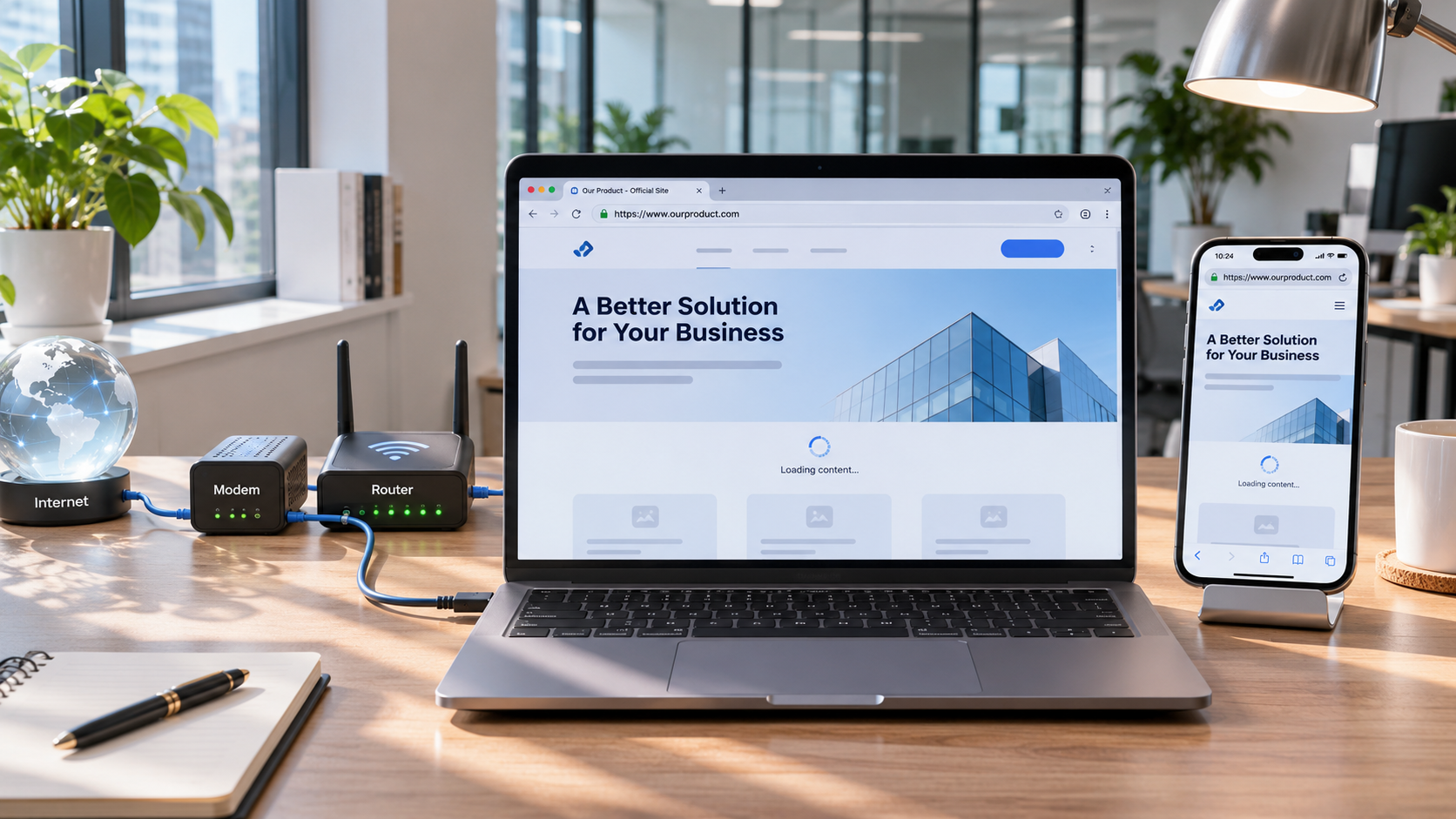
 How can I reduce high access latency for Google Ads landing pages in Europe?
 What is the difference between phrase match and exact match in Google Ads?
 How should you allocate your TikTok advertising budget?

Related Products
 Yiyingbao SaaS Intelligent Website Building and Marketing SystemYiyingbao SaaS Intelligent Website Building and Marketing System, AI-powered no-code website building, rapid creation of multilingual B2B international websites in 10 minutes, global server acceleration, AI-powered SEO optimization, helping businesses connect efficiently with global markets. The perfect integration of technology and operation makes building an international trade website remarkably simple
 AI+SEM Intelligent Advertising Marketing SystemAI+SEM drives intelligent ad creation, empowering full-funnel precision advertising marketing. The system automatically generates weekly/monthly reports, AI recommends keywords and target countries, monitors core metrics in real-time with intelligent alerts, and enables one-click high-conversion ad solutions to help quickly acquire customers and improve ROI.
 AI+SEO Dual-Engine System Optimization ServicesYiyingbao’s AI+SEO dual-engine optimization system helps foreign trade enterprises acquire high-quality organic traffic through AI-powered keyword research, content generation, and comprehensive technical optimization, significantly improving search rankings and conversion rates.
 AI+SNS Social Media Marketing SystemYingbao AI+SNS Social Media Marketing System - Precision social capture for the social media era. Supports one-click content synchronization across major platforms like Facebook and LinkedIn. AI intelligently rewrites posts for enhanced relevance. 24/7 AI customer service and user profiling analysis empower businesses to efficiently expand into global markets.
 AI+SEO营销解决方案易营宝AI+SEO营销解决方案,通过AI批量写作、智能生成TDK、精准关键词扩词等功能,全面优化网站SEO效果,提升流量与转化率。助力企业构建高效智能网站新生态。
 AI+SEM Advertising Marketing SolutionsAI+SEM Advertising Marketing Solution leverages AI technology to deeply empower SEM ad campaigns. It automatically generates weekly/monthly reports using AI, presenting account data across multiple dimensions for comprehensive insights into campaign performance and trends. The system precisely recommends keywords and target countries, intelligently generates high-conversion ad copy, and enables one-click activation of efficient campaign plans to help businesses rapidly acquire customers. Simultaneously, it monitors core metrics in real time, intelligently identifies abnormal fluctuations, and issues timely alerts to ensure stable, high-return advertising results.
 Domain Name ServicesEasyWin provides professional domain name services, including intelligent queries, one-stop registration, brand protection, and full lifecycle management, helping businesses build a digital brand image.
 EasyOperate B2C Cross-Border E-Commerce Platform & Independent WebsiteEasyStore B2C Cross-border E-commerce Independent Store is an intelligent website building and cross-border e-commerce integrated solution independently developed by EasyStore Information Technology (Beijing) Co., Ltd. The system is specially designed for small and medium-sized as well as large export enterprises, integrating 'website building, operation, marketing, advertising, and conversion' into one, helping enterprises quickly establish cross-border e-commerce independent stores to achieve brand globalization and global sales growth.
The platform supports multiple languages, multiple currencies, and multi-channel marketing, with built-in AI intelligent translation and SEO optimization systems, suitable for mainstream markets such as Southeast Asia, Europe and America, Latin America, and the Middle East, assisting Chinese manufacturing enterprises in efficiently deploying international e-commerce strategies. SSL证书易营宝提供专业SSL安全证书服务,包括单域名和泛域名证书,确保网站数据传输加密、身份验证和完整性保护,助力企业建立安全可信的在线业务环境。









