









- Fujian Announces the First Batch of Provincial-Level Cross-Border E-Commerce Industrial Parks and Key Brands for CultivationNov 14, 2026View details
- Amazon Global Store Announces the Launch of the 2026 Black Friday Global Shopping SeasonNov 14, 2026View details
- CCTV.com Examines APEC’s Role in China’s Foreign TradeNov 12, 2026View details
- China’s Tariff Commission of the State Council Adjusts Additional Tariffs on U.S. Goods: 24% Tariff Suspended for Two MonthsNov 10, 2026View details
- APEC Shenzhen Spotlight: Cross-Border E-Commerce Orders Promote Asia-Pacific Trade and Economic CooperationNov 08, 2026View details
- China-Europe Railway Express and CIIE Hold Business Matchmaking Event, Focusing on Cross-Border E-commerce B2B ExportsNov 07, 2026View details
Is AI-Powered Website Building Suitable for Small and Medium-Sized Foreign Trade Companies?
AI website building is suitable for small and medium-sized foreign trade enterprises, provided it is treated as a website-building efficiency tool rather than an automated customer acquisition tool. For businesses with scattered product materials, insufficient language versions, and long revision cycles, AI can significantly shorten website launch and content organization time. However, if product positioning is unclear, inquiry handling is absent, or machine-generated content is published in bulk without review, the website may still receive only traffic without effective inquiries.
The key consideration is not whether it can “generate a website,” but whether the current business needs to continuously update products, pages, and marketing content for overseas markets. Overseas customers often enter a website through search results, advertising landing pages, or social media content before assessing supply capabilities, product specifications, delivery scope, and communication methods. If a website cannot clearly answer these questions, even rapidly built pages will struggle to support customer acquisition.
When AI Website Building Is More Suitable
A large number of product models and inconsistent document formats are common applicable scenarios. Categories such as machinery and equipment, components, home furnishings and building materials, and industrial consumables often have parameter sheets, PDF catalogs, images, test documents, and quotations scattered across different departments. AI can first assist in organizing product names, application scenarios, materials, dimensions, processes, packaging, and frequently asked questions, and then generate initial product page drafts according to a unified structure. This reduces repetitive data entry and makes it easier to maintain consistent page formatting when adding new models later.
When multilingual presentation is required, the value of AI is also quite direct. It can be used to generate foundational copy, page titles, and product descriptions for different language versions, but completing the translation does not mean the content is ready for publication. Product terminology, units of measurement, trade terms, material names, and industry conventions must be manually reviewed. For example, “customization” may refer to size customization, color customization, packaging customization, or processing according to drawings on different pages. If the boundaries are not explained in language versions, inquiry quality may decline instead.
This approach is also suitable when websites frequently need to adjust landing pages in conjunction with search promotion or advertising campaigns. Advertising pages need to focus on a product range, application industry, or purchasing issue, rather than simply copying the official website homepage. Using AI to quickly create campaign pages, add FAQs, and organize selling points can shorten testing cycles. However, landing page form fields, inquiry notifications, source tracking, and subsequent follow-up still need to be configured in advance; otherwise, it will be impossible to determine whether the leads generated by the page are effective.
Do Not Focus Only on “Generation Speed”
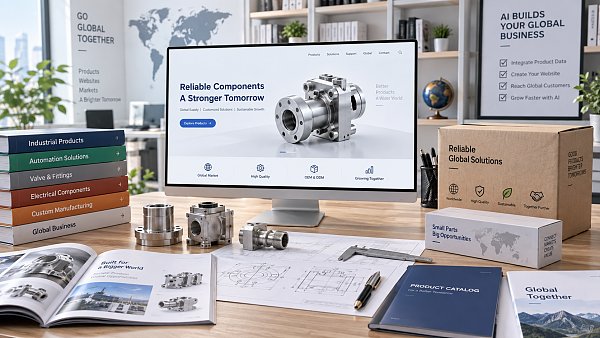
Many website-building solutions emphasize generating a homepage within minutes during demonstrations, but this metric has limited reference value for foreign trade businesses. The homepage is only an entry point. What truly affects conversion is product details, category navigation, language-switching logic, mobile reading experience, loading speed, and whether the inquiry path is complete. For a website with dozens of models, if only the homepage and a small number of overview pages are completed, search engines will find it difficult to understand the specific product coverage, and buyers will also struggle to confirm whether their requirements are matched.
Address Content Sources First to Reduce Rework
AI excels at reorganizing content based on existing materials, but it cannot replace the confirmation of fundamental information. Before building a website, a set of product information sources should first be established: model naming rules, core specifications, available materials, processing methods, minimum order requirements, packaging methods, delivery terms, quality documents, and the available scope of customization. Without these boundaries, generated content can easily create the problem of “complete parameters but unavailable in actual supply,” and later modifications may affect multilingual pages, product categories, and advertising materials.
Images are also a frequent source of rework. Product images should distinguish between main images, detail images, dimension images, application images, and packaging images. AI can assist in writing image descriptions, but it cannot compensate for images that lack critical information. If industrial products have only cutout images, customers will find it difficult to identify interfaces, surface treatments, or installation positions. If consumer products lack specification and scenario images, it will be difficult to establish expectations for dimensions and usage results. Image file names, alt text, and nearby page descriptions should correspond to specific models, avoiding the reuse of the same generalized description across multiple products.
The Boundary Between SEO and AI Content
AI-generated product copy can improve coverage speed, but search indexing does not depend on the amount of text. Pages need a clear theme, and their content must be consistent with actual products, processes, and supply scope. Copying a general introduction across a large number of model pages often results in insufficient page differentiation. Forcing irrelevant industry terms into content to cover keywords can also prevent visitors from finding the information they need.
A more reliable approach is to assign each important page a specific task: category pages explain the product range and filtering methods, detail pages clearly describe specifications, materials, applications, and customization conditions, campaign pages address a particular application scenario, and knowledge pages explain selection or maintenance issues. AI can provide initial drafts and rewriting support for these pages, but core technical information should be confirmed by people familiar with the products. In particular, statements regarding load-bearing capacity, temperature resistance, corrosion resistance, food contact, and installation compatibility must not be concluded directly based on general training data.
The Most Easily Overlooked Steps After Launch
Website publication is not the end of website-building work. First, loading performance under network conditions in different countries should be tested, along with mobile menus, image sizes, language redirects, and form submissions. Next, pages should be reviewed through actual visitor paths: after entering from search results, can users find product categories, specifications, downloadable materials, and contact points within a short time? Finally, establish a content maintenance schedule. When product revisions, inventory strategy changes, or target market adjustments occur, update the relevant pages simultaneously to prevent outdated parameters from remaining in search results for extended periods.
Whether AI website building is suitable ultimately depends on whether the website is integrated into daily marketing and sales collaboration. When materials are well prepared, products change frequently, multilingual content is needed, and customer acquisition pages require continuous testing, AI can reduce the mechanical work involved in production and maintenance. If the goal is only to generate a website once and leave it unupdated for a long time, no website-building method will be able to continuously deliver stable overseas inquiries.
Related Articles
 Can an AI website builder demo show how pages look on mobile?
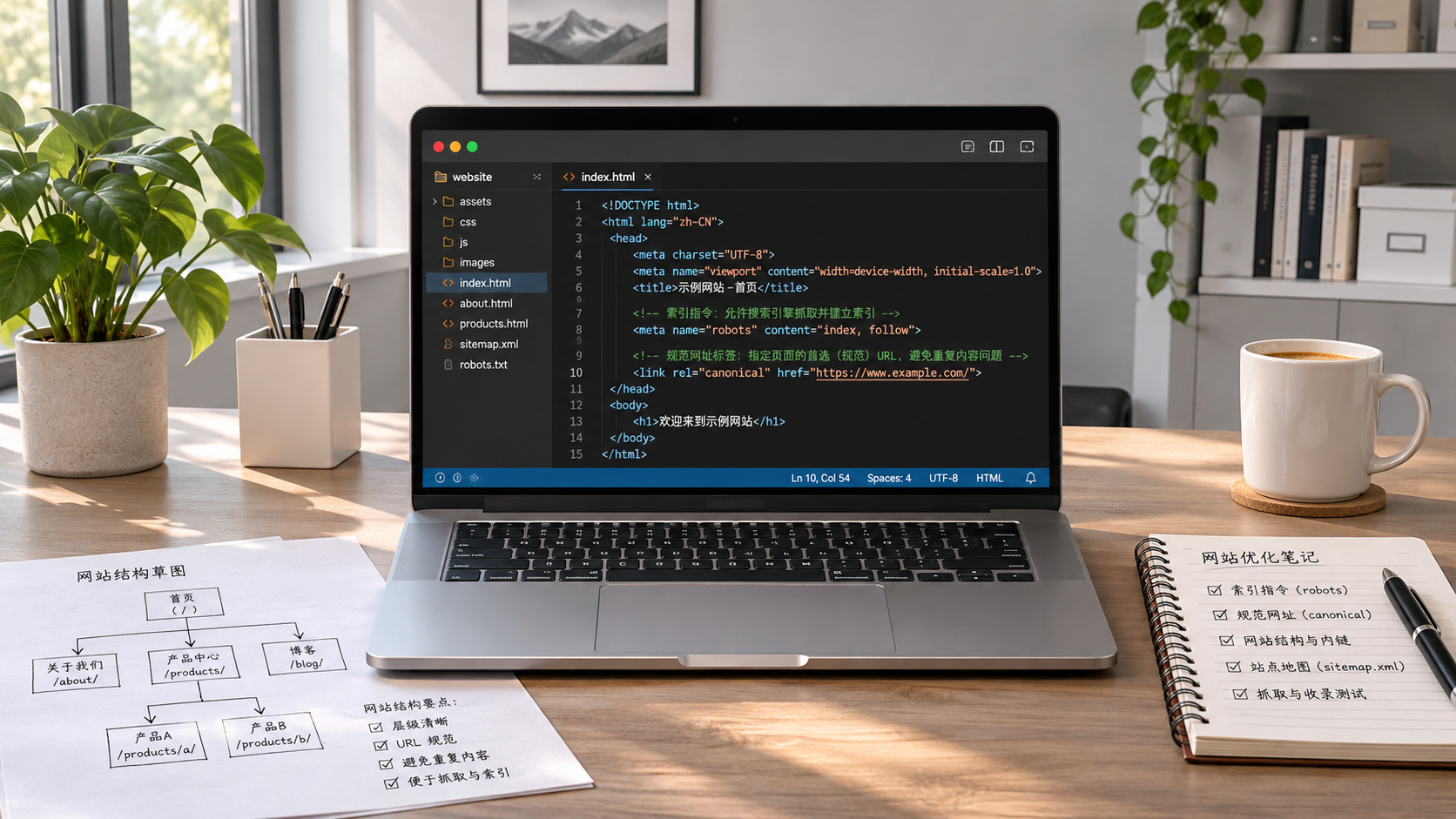
 Is Your AI-Generated Website Not Being Indexed by Search Engines? Follow These Steps to Troubleshoot SEO Issues
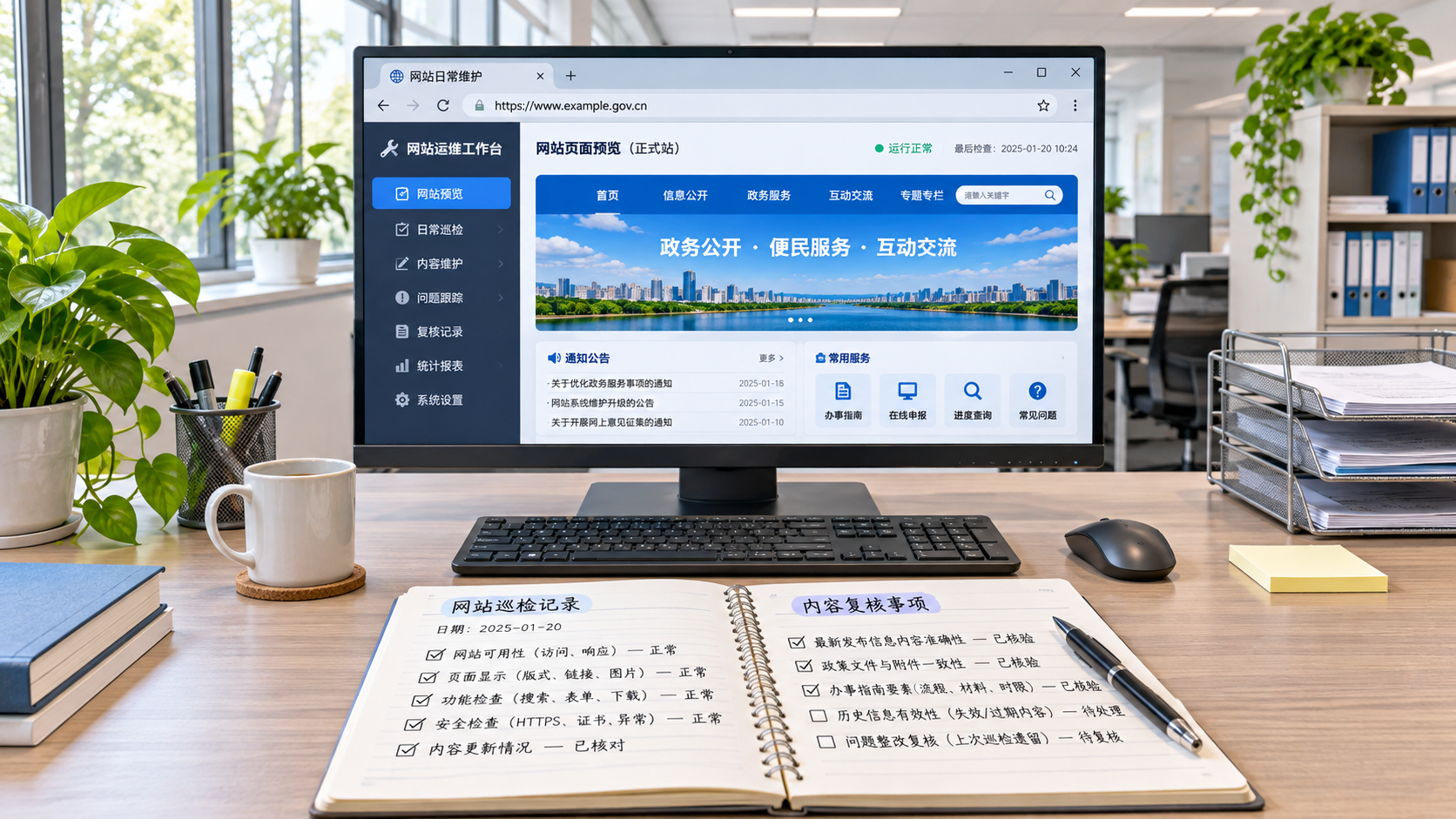
 What Website Maintenance Tasks Can AI Handle? Automated Monitoring, Updates, and Human Review

Related Products
 Yiyingbao SaaS Intelligent Website Building and Marketing SystemYiyingbao SaaS Intelligent Website Building and Marketing System, AI-powered no-code website building, rapid creation of multilingual B2B international websites in 10 minutes, global server acceleration, AI-powered SEO optimization, helping businesses connect efficiently with global markets. The perfect integration of technology and operation makes building an international trade website remarkably simple
 AI+SEM Intelligent Advertising Marketing SystemAI+SEM drives intelligent ad creation, empowering full-funnel precision advertising marketing. The system automatically generates weekly/monthly reports, AI recommends keywords and target countries, monitors core metrics in real-time with intelligent alerts, and enables one-click high-conversion ad solutions to help quickly acquire customers and improve ROI.
 AI+SEO Dual-Engine System Optimization ServicesYiyingbao’s AI+SEO dual-engine optimization system helps foreign trade enterprises acquire high-quality organic traffic through AI-powered keyword research, content generation, and comprehensive technical optimization, significantly improving search rankings and conversion rates.
 AI+SNS Social Media Marketing SystemYingbao AI+SNS Social Media Marketing System - Precision social capture for the social media era. Supports one-click content synchronization across major platforms like Facebook and LinkedIn. AI intelligently rewrites posts for enhanced relevance. 24/7 AI customer service and user profiling analysis empower businesses to efficiently expand into global markets.
 AI+SEO营销解决方案易营宝AI+SEO营销解决方案,通过AI批量写作、智能生成TDK、精准关键词扩词等功能,全面优化网站SEO效果,提升流量与转化率。助力企业构建高效智能网站新生态。
 AI+SEM Advertising Marketing SolutionsAI+SEM Advertising Marketing Solution leverages AI technology to deeply empower SEM ad campaigns. It automatically generates weekly/monthly reports using AI, presenting account data across multiple dimensions for comprehensive insights into campaign performance and trends. The system precisely recommends keywords and target countries, intelligently generates high-conversion ad copy, and enables one-click activation of efficient campaign plans to help businesses rapidly acquire customers. Simultaneously, it monitors core metrics in real time, intelligently identifies abnormal fluctuations, and issues timely alerts to ensure stable, high-return advertising results.
 Domain Name ServicesEasyWin provides professional domain name services, including intelligent queries, one-stop registration, brand protection, and full lifecycle management, helping businesses build a digital brand image.
 EasyOperate B2C Cross-Border E-Commerce Platform & Independent WebsiteEasyStore B2C Cross-border E-commerce Independent Store is an intelligent website building and cross-border e-commerce integrated solution independently developed by EasyStore Information Technology (Beijing) Co., Ltd. The system is specially designed for small and medium-sized as well as large export enterprises, integrating 'website building, operation, marketing, advertising, and conversion' into one, helping enterprises quickly establish cross-border e-commerce independent stores to achieve brand globalization and global sales growth.
The platform supports multiple languages, multiple currencies, and multi-channel marketing, with built-in AI intelligent translation and SEO optimization systems, suitable for mainstream markets such as Southeast Asia, Europe and America, Latin America, and the Middle East, assisting Chinese manufacturing enterprises in efficiently deploying international e-commerce strategies. SSL证书易营宝提供专业SSL安全证书服务,包括单域名和泛域名证书,确保网站数据传输加密、身份验证和完整性保护,助力企业建立安全可信的在线业务环境。









