









- APEC Shenzhen Spotlight: Cross-Border E-Commerce Orders Promote Asia-Pacific Trade and Economic CooperationNov 08, 2026View details
- China-Europe Railway Express and CIIE Hold Business Matchmaking Event, Focusing on Cross-Border E-commerce B2B ExportsNov 07, 2026View details
- China’s Ministry of Commerce Responds to Additional Charges on Low-Value Imports Imposed by the EUNov 06, 2026View details
- Two Internet Development Reports Released at the 2026 World Internet ConferenceNov 05, 2026View details
- Internet Business Revenue of Enterprises Above the Designated Size Reached RMB 1.716 Trillion in the First Three Quarters, with Profits Up 17.6%Nov 05, 2026View details
- Shopify's Third-Quarter Revenue and GMV Fall Short of Expectations, Sending Shares Tumbling Before the Market OpensNov 04, 2026View details
Which models are suitable for AI website building for cross-border e-commerce?Analysis of the differences among mass-listing sites、brand sites and hit-product sites
AI Website Building for Cross-Border E-Commerce: Look at the Model First or the Traffic First?
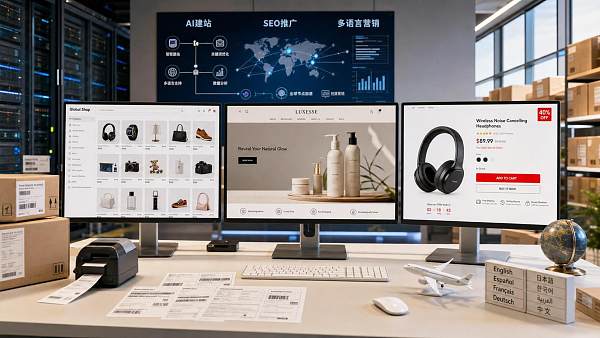
AI website building for cross-border e-commerce has been very popular in recent years, but the real challenge has never been launching the site, but choosing the right operating model. Many people start by struggling over templates, page styles, and functional plugins. As a result, the website is built, but the traffic structure and conversion path do not match.
Simply put, catalog listing sites, brand sites, and hit-product sites can all be built with AI website building solutions for cross-border e-commerce, but their goals are completely different. A catalog listing site focuses on product upload efficiency and category coverage, a brand site values long-term accumulation, and a hit-product site pays more attention to advertising rhythm and transaction speed.
In the scenario of website and marketing service integration, website building is only the starting point. Page structure, SEO indexing, ad landing, social media handoff, and multilingual adaptation all affect whether the model can run effectively. This is also why more and more enterprises consider website building and promotion within the same digital system.
Taking an AI-driven platform such as Yiyingbao, which has been deeply engaged in the field for more than ten years, as an example, the core idea is not to build only one website, but to connect intelligent website building, SEO optimization, advertising, and overseas social media operations, so that independent sites under different models can find more suitable growth paths.
Catalog Listing Sites, Brand Sites, and Hit-Product Sites: Where Exactly Do the Differences Lie?
Many people understand the three models as the difference between “selling more, selling at a higher price, and selling faster”. This statement is not wrong, but it is not enough. The real differences are reflected in product strategy, customer acquisition methods, page depth, and repurchase logic.
If summarized in one sentence, a catalog listing site is “using more products in exchange for more opportunities”, a brand site is “using stronger trust in exchange for higher value”, and a hit-product site is “using faster testing in exchange for higher efficiency”. What AI website building for cross-border e-commerce needs to do is not to make the three types of sites look the same, but to make the site structure serve the business goals.
When Is It More Suitable to Start with a Catalog Listing Site?
If you are still looking for markets, categories, and products with stable conversion, a catalog listing site is often easier to start with. It is suitable for scenarios with a large number of SKUs, fast supply chain response, and the desire to verify overseas demand as soon as possible.
In practical applications, catalog listing sites rely most on two things: first, the efficiency of batch website building and product listing; second, whether the search structure is clear. Having many product pages does not necessarily mean there will be traffic. If category pages, tag pages, filtering logic, and basic SEO settings are done roughly, indexing speed will be clearly affected.
The value of AI website building for cross-border e-commerce here is mainly reflected in automatically generating product copy, batch processing multilingual pages, unifying the technical structure, and shortening the time required to launch the site. For businesses that need to quickly expand into markets such as North America, Europe, and Southeast Asia, this efficiency advantage is very direct.
However, catalog listing sites also have obvious shortcomings. Traffic is scattered, conversion rates are prone to fluctuation, and the ability to scale advertising is limited. Without continuous data screening capabilities, it may eventually become “many pages, but very few orders”.
Are Brand Sites Slower? Why Do Many Enterprises Still Choose Them?
Brand sites usually do not produce results in the shortest time, but they are more suitable for turning cross-border business into an asset. This is because a brand site is not only a product sales page, but more like a long-term credible overseas touchpoint that carries multiple roles, including display, explanation, conversion, and repurchase handoff.
Many people think that brand sites are only suitable for large companies, but that is not entirely true. As long as the product has a certain degree of differentiation, or the average order value is not low, it is necessary to build brand expression. Otherwise, even if traffic comes in, it will be difficult to build trust, and advertising costs will become increasingly high.
A more common way to judge is to look at three signals: whether the product value needs to be clearly explained, whether multilingual content support is needed, and whether long-term organic traffic is expected to be acquired through SEO and content. If most of the answers are yes, a brand site is usually more suitable than pure catalog listing.
An integrated platform such as Yiyingbao is suitable for brand site construction because it not only provides AI intelligent website building, but also works with Google SEO, advertising, overseas social media, and GEO optimization, turning the website from a “display page” into a “continuous customer acquisition page”. This is especially critical for brand sites.
Hit-Product Sites Seem to Have a Low Barrier to Entry, So Why Do Many Projects Not Last Long?
The logic of a hit-product site is very direct: focus traffic investment around one product or a small number of products and quickly amplify transactions. It is suitable for teams with fast testing speed, strong advertising execution, and frequent creative updates, but it does not mean that “you can just make a page casually and make it work”.
What hit-product sites fear most is not having no traffic, but having a conversion chain that is too fragile. Slow page loading, disordered selling point sequencing, long payment processes, and insufficient trust elements will directly waste advertising traffic. Especially in short video and social media advertising scenarios, users stay for a shorter time, so the page must be sufficiently crisp and efficient.
- Whether the product selling points can be quickly explained above the fold.
- Whether the site speed is stable and whether the mobile experience is smooth.
- Whether the checkout path is short enough and whether the payment methods match the habits of the target region.
- Whether there are conditions later to accumulate hit-product traffic into brand assets.
Therefore, when AI website building for cross-border e-commerce is used for hit-product sites, the focus is not the number of pages, but high-conversion templates, rapid revision capabilities, and linkage with advertising data. The site must be able to make continuous fine adjustments according to advertising results, rather than remaining unchanged for a long time after one launch.
How to Choose Among the Three Models: Do Not Look Only at the Budget
Budget is certainly important, but it is not the only criterion. What needs to be confirmed in advance is how you plan to obtain the first batch of stable traffic and what you hope to retain after one year.
There is another very common situation: it is not a matter of choosing one from three, but a phased combination. First use a hit-product site or catalog listing site to find data, and then move products with stable performance to a brand site for accumulation. This path is closer to reality and better matches the flexibility of AI website building for cross-border e-commerce.
What Are the Most Easily Overlooked Misunderstandings Before Implementation?
The first misunderstanding is treating website building as a one-time project. A cross-border independent site is not completed once it goes live, but is a business system that requires continuous optimization. Page structure, content updates, keyword layout, and advertising handoff all need to be adjusted according to data.
The second misunderstanding is pursuing only speed while ignoring subsequent promotion. AI website building for cross-border e-commerce can indeed improve launch efficiency, but without an SEO foundation, ad tracking, and social media linkage, being faster only means building an empty site faster.
The third misunderstanding is ignoring localization. Different regions vary greatly in their sensitivity to language expression, payment methods, logistics commitments, and page trust elements. To serve the global market, you cannot rely only on horizontal replication with one unified template.
If you want to reduce risk, a more prudent approach is to clarify the model first, and then match the site structure and promotion combination. A platform with collaborative capabilities in website building, SEO, advertising, social media, and AI search optimization will be more likely to support subsequent growth, rather than only solving front-end page issues.
How Should You Finally Start Judging Your Own AI Website Building Path for Cross-Border E-Commerce?
If you are still in the early testing stage, first look at the number of products, supply chain speed, and room for trial and error to decide whether to enter through a catalog listing site or a hit-product site. If you already care about repurchase, word of mouth, and overseas organic traffic, a brand site is often more worth investing in.
A more practical approach is to break the judgment into four matters: where traffic comes from, what the page needs to handle, how soon results need to be seen, and whether brand assets need to be accumulated in the future. Once these four questions are clearly considered, the model choice usually will not deviate too far.
There is no single standard answer for AI website building for cross-border e-commerce. The key is that the model and the growth method must be consistent. First sort out the target market, product strategy, promotion channels, and content needs, and then compare different website building and marketing solutions. This usually makes it faster to find an implementation path that suits your own business.
Related Articles
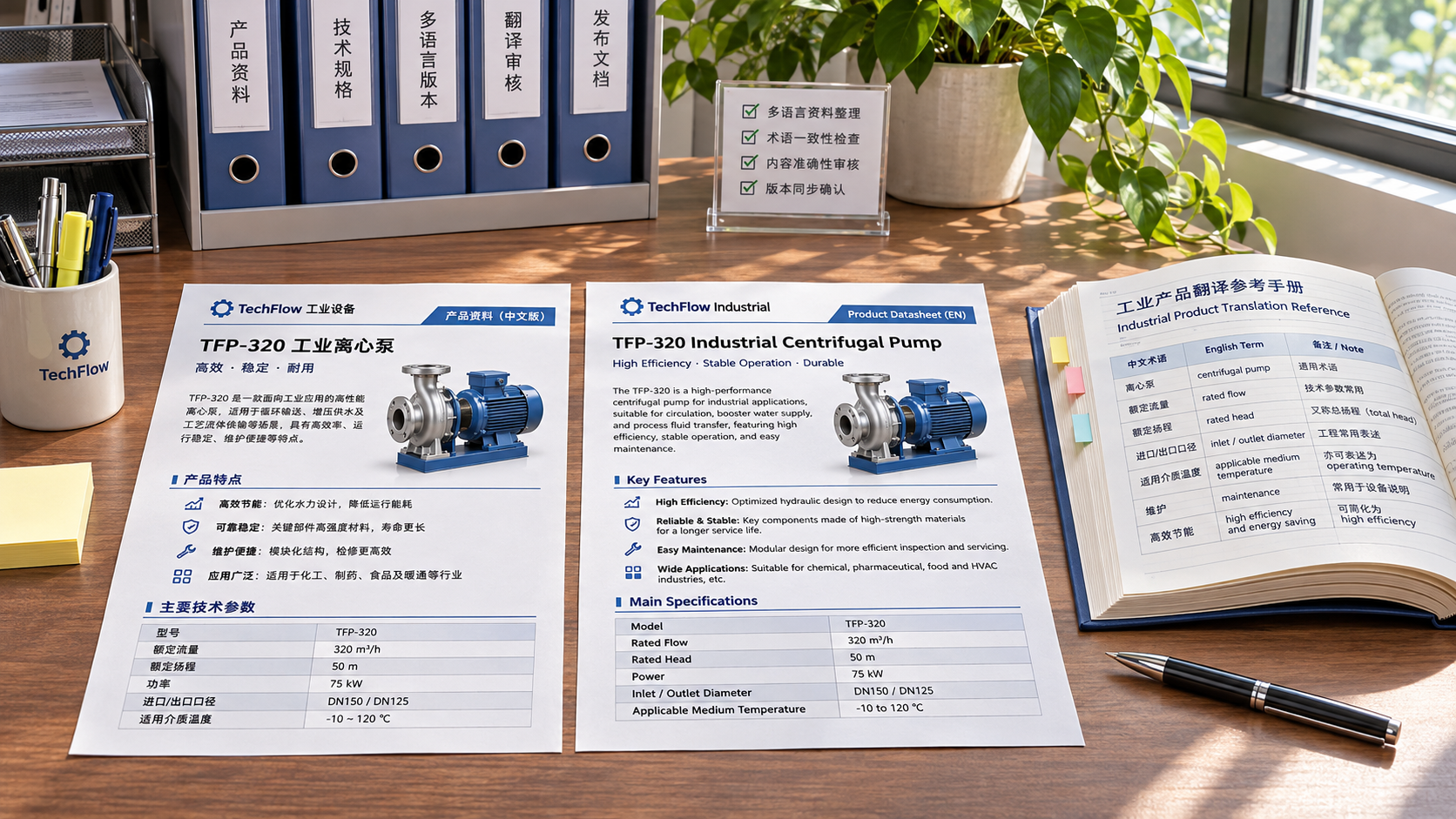
 Is an AI website builder suitable for creating multilingual websites?
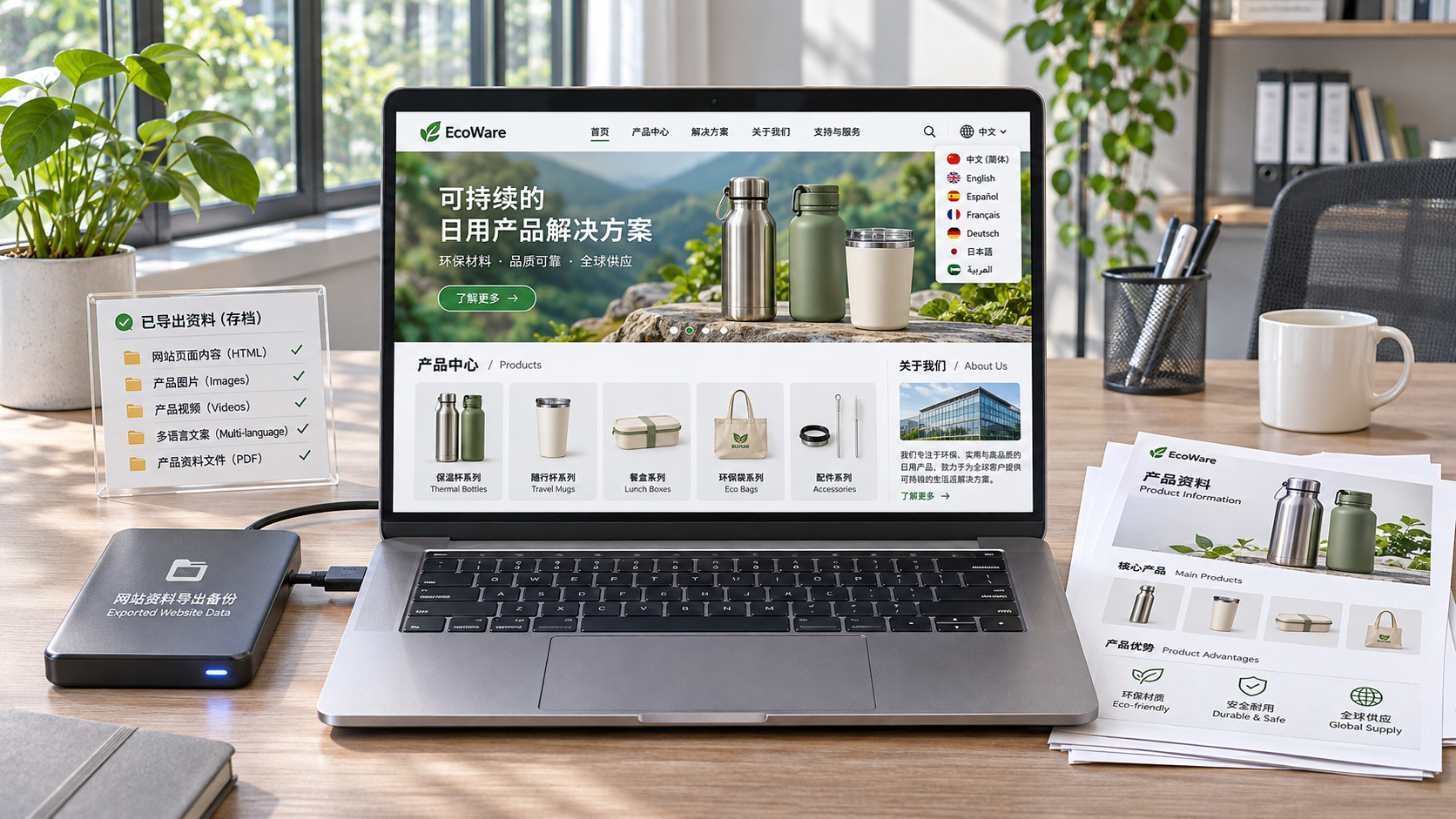
 How can you assess data export capabilities when building an independent website with an AI website builder?
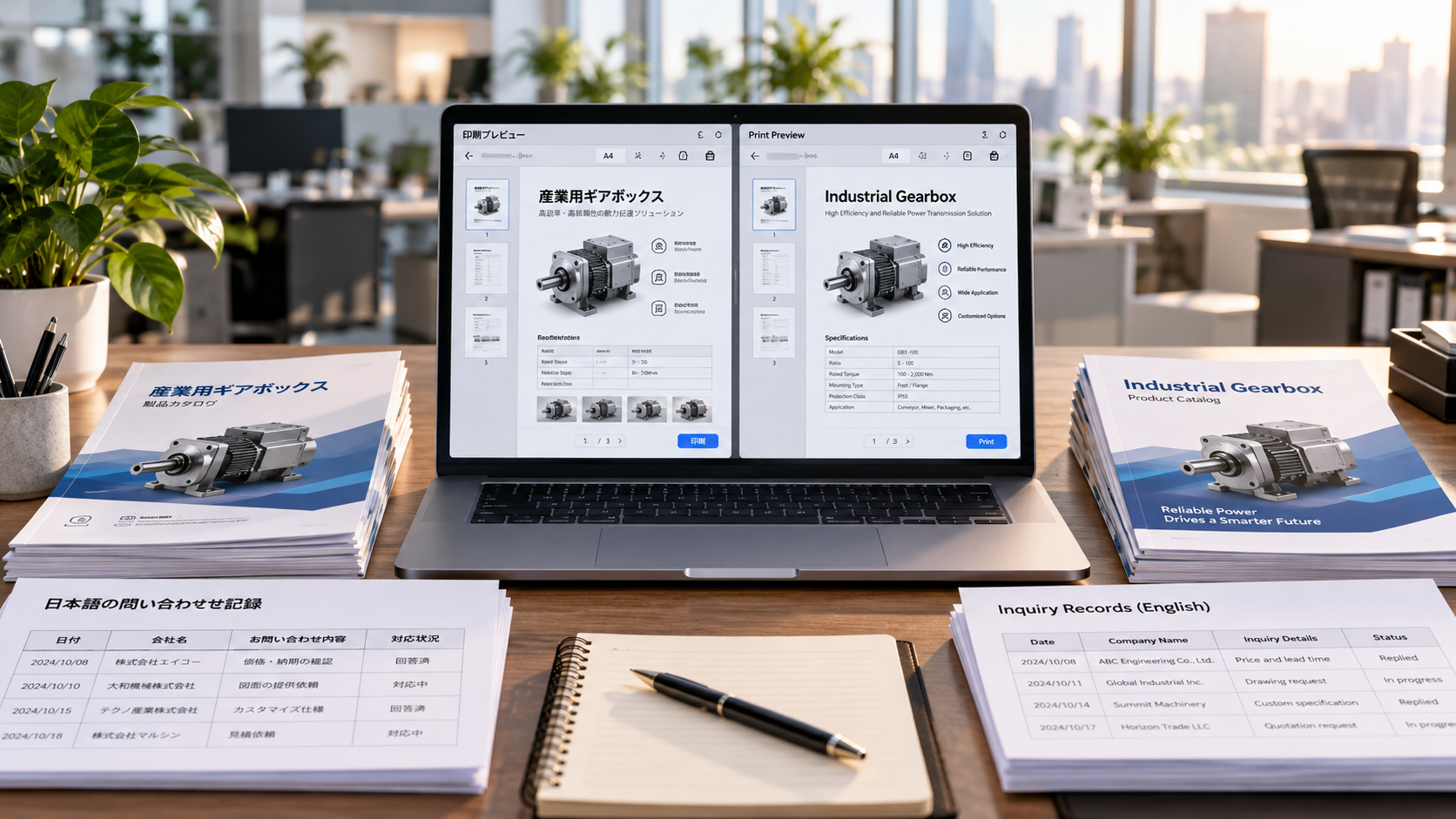
 Can a Japanese AI website generator create a multilingual website for international trade?
Related Products
 Yiyingbao SaaS Intelligent Website Building and Marketing SystemYiyingbao SaaS Intelligent Website Building and Marketing System, AI-powered no-code website building, rapid creation of multilingual B2B international websites in 10 minutes, global server acceleration, AI-powered SEO optimization, helping businesses connect efficiently with global markets. The perfect integration of technology and operation makes building an international trade website remarkably simple
 AI+SEM Intelligent Advertising Marketing SystemAI+SEM drives intelligent ad creation, empowering full-funnel precision advertising marketing. The system automatically generates weekly/monthly reports, AI recommends keywords and target countries, monitors core metrics in real-time with intelligent alerts, and enables one-click high-conversion ad solutions to help quickly acquire customers and improve ROI.
 AI+SEO Dual-Engine System Optimization ServicesYiyingbao’s AI+SEO dual-engine optimization system helps foreign trade enterprises acquire high-quality organic traffic through AI-powered keyword research, content generation, and comprehensive technical optimization, significantly improving search rankings and conversion rates.
 AI+SNS Social Media Marketing SystemYingbao AI+SNS Social Media Marketing System - Precision social capture for the social media era. Supports one-click content synchronization across major platforms like Facebook and LinkedIn. AI intelligently rewrites posts for enhanced relevance. 24/7 AI customer service and user profiling analysis empower businesses to efficiently expand into global markets.
 AI+SEO营销解决方案易营宝AI+SEO营销解决方案,通过AI批量写作、智能生成TDK、精准关键词扩词等功能,全面优化网站SEO效果,提升流量与转化率。助力企业构建高效智能网站新生态。
 AI+SEM Advertising Marketing SolutionsAI+SEM Advertising Marketing Solution leverages AI technology to deeply empower SEM ad campaigns. It automatically generates weekly/monthly reports using AI, presenting account data across multiple dimensions for comprehensive insights into campaign performance and trends. The system precisely recommends keywords and target countries, intelligently generates high-conversion ad copy, and enables one-click activation of efficient campaign plans to help businesses rapidly acquire customers. Simultaneously, it monitors core metrics in real time, intelligently identifies abnormal fluctuations, and issues timely alerts to ensure stable, high-return advertising results.
 Domain Name ServicesEasyWin provides professional domain name services, including intelligent queries, one-stop registration, brand protection, and full lifecycle management, helping businesses build a digital brand image.
 EasyOperate B2C Cross-Border E-Commerce Platform & Independent WebsiteEasyStore B2C Cross-border E-commerce Independent Store is an intelligent website building and cross-border e-commerce integrated solution independently developed by EasyStore Information Technology (Beijing) Co., Ltd. The system is specially designed for small and medium-sized as well as large export enterprises, integrating 'website building, operation, marketing, advertising, and conversion' into one, helping enterprises quickly establish cross-border e-commerce independent stores to achieve brand globalization and global sales growth.
The platform supports multiple languages, multiple currencies, and multi-channel marketing, with built-in AI intelligent translation and SEO optimization systems, suitable for mainstream markets such as Southeast Asia, Europe and America, Latin America, and the Middle East, assisting Chinese manufacturing enterprises in efficiently deploying international e-commerce strategies. SSL证书易营宝提供专业SSL安全证书服务,包括单域名和泛域名证书,确保网站数据传输加密、身份验证和完整性保护,助力企业建立安全可信的在线业务环境。









