









- Qingdao Port's Imports and Exports Exceed RMB 23.699 Trillion in the First 10 Months, Drawing Attention to Port IntelligenceNov 22, 2026View details
- Ningbo Cross-Border E-Commerce Export Value Surges 94.87% Year on Year, Opening Up a New Billion-Yuan Growth TrackNov 22, 2026View details
- AliExpress Global Double 11: Brand Sales Grow Nearly 50% in the First Week, U.S. GMV Rises 70%Nov 21, 2026View details
- Ministry of Commerce Reports E-commerce Development from January to October 2026, with Cross-Border Imports Performing StronglyNov 21, 2026View details
- Amazon Black Friday Orders Sluggish on Day One; NRF Forecasts 4.2 Million Fewer ParticipantsNov 21, 2026View details
- 21st Century Business Herald: AI and CTV Become Core Growth Engines for Digital Marketing in Overseas MarketsNov 18, 2026View details
How to Implement AI Advertising: A Workflow from Creative Generation to Performance Review
To make AI-powered ad campaigns deliver results, first define the conversion you want, then align your creative, landing page, and conversion data around the same goal. When searching for “anzeigenschaltung mit ki,” the real questions are often: Can the ads attract the right people? Will they submit an inquiry or make a purchase after clicking? And has the ad platform received a reliable conversion signal?
Define the conversion before preparing inputs for ad creative generation
Before creating ads, clearly define the product’s purpose, sales regions, target languages, and the action you want visitors to take. For B2B export inquiries, you can set valid form submissions as the primary goal. For cross-border e-commerce stores, it makes more sense to measure completed purchases. Clicks and page views can help diagnose traffic, but they do not directly represent sales opportunities.
Next, prepare a set of inputs for the creative. At a minimum, include product specifications, use cases, verifiable selling points, prohibited claims, and the landing page URL. For example, when promoting industrial equipment, specify the materials it processes, its operating conditions, and the services available. Do not let AI fill in unsupported claims about production capacity, certifications, or delivery commitments. Decide on the target market language in advance, too. German ads should be checked for terminology and local phrasing to avoid ambiguity caused by literal translation.
Also confirm the conditions that trigger conversion events. For forms, record the event only after a successful submission, not when the submit button is clicked. For purchases, use the order confirmation page or a reliable order status as the basis, and prevent page refreshes from causing duplicate counts. Test the entire flow with a test submission and verify that the ad platform’s records correspond to those on your website.
Generate multiple creative variations and align ad claims with the landing page
The more specific your instructions to AI, the more usable the results will be for testing. Provide product facts, target regions, use cases, and ad placements. Ask it to generate headlines and body copy highlighting product features, applications, and delivery services, then specify character limits, tone, and claims that must not be used, such as absolute statements. Image and video generation also requires clear instructions about the subject, setting, aspect ratio, and space to leave for text.
Check every generated asset for factual accuracy. If the connectors, proportions, packaging, or usage shown in a product image do not match the actual product, even a polished image can undermine visitors’ trust in the page. Video subtitles, voice-over, and visuals should also match one another. Ad placements have different size and cropping requirements, so preview the creative before publishing and confirm that key information is not obscured.
Keep the differences between creative variations clear. For example, test “use cases” against “technical features” for the same product while keeping other conditions as similar as possible. This makes it easier to determine which type of information attracts the right visitors. Avoid changing the copy, image, audience, and landing page all at once, or it will be difficult to attribute changes in performance.
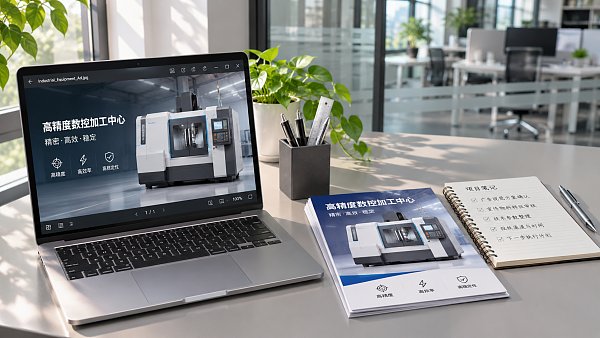
The landing page’s first screen should support the claims made in the ad. If an ad highlights the materials a piece of equipment can process but the page only presents a company overview, visitors have to search for the answer and may leave. The page can include the necessary specifications, application details, and calls to action. Design form fields around the information needed for follow-up, and avoid asking for too much at the outset.
Structure campaigns and give automated optimization reliable signals
Organize campaigns by objective, region, and language. When delivery areas, currencies, or languages differ significantly between regions, monitor them separately. But dividing audiences too much can leave each group with too little data. Initially, use a small number of clearly differentiated creative groups, and expand gradually once conversion tracking is stable.
When choosing an optimization objective, consider event quality and data volume. A valid inquiry is closer to a business outcome than a page visit, but if valid inquiries are rare, automated optimization will have limited feedback. In that case, first check that the form works and the traffic is relevant, then monitor earlier events such as form submissions as well. Do not keep optimizing only for clicks simply because they are easier to increase.
Before launching, also check the landing page’s load speed, mobile layout, and form usability in the target region. If an enterprise network upgrade involves Internet Protocol version 6 (IPV6), verify that the website, DNS resolution, and related services are accessible over that network. It uses 128-bit addresses, but actual load speed and security still depend on the network, server, and specific configuration.
Use the conversion path to identify problems before adjusting the budget
After ads go live, first confirm that impressions, clicks, and conversion data are appearing correctly in reports. Then troubleshoot in sequence: ad viewed → clicked → landing page reached → action completed. Do not rely on a single metric. A high click-through rate but few form submissions may mean the ad is attracting the wrong people, the page does not match the ad’s claims, or the form is malfunctioning. Use search terms, page visits, and test submission records to determine the cause.
If the click-through rate is low, first check whether the creative displays properly in the current placement, whether the message is clear, and whether the audience matches the product’s needs. If there are plenty of clicks and submissions but few valid inquiries, check whether the ad clearly explains the product’s scope of use and whether the form collects the information needed to assess a prospect’s needs. For e-commerce ads, review add-to-cart, checkout, and order records to distinguish page issues from problems at checkout.
When adjusting the budget, prioritize results measured using the same conversion definition. Cost per valid inquiry, cost per order, or order value is closer to the actual goal than cost per click alone. Allow time for data to accumulate, too, rather than frequently changing bids and audiences right after launch. Record the time and details of significant changes so you can compare performance before and after.
Connect results to specific changes in your review
At a minimum, review records should include the campaign period, target regions, creative versions, audience criteria, spend, number of conversions, and their validity. Compare ad platform data with website form or order records, checking for duplicate events, attribution time lags, and invalid submissions. If the figures do not match exactly, check the measurement definitions before assessing performance.
For high-performing creative, record the specific information that worked—for example, that inquiries driven by a particular use case were a better fit—instead of simply marking “image effective.” In the next round, test a new visual or headline based on that information. For underperforming combinations, note where they fell short and why, so you do not keep generating similar creative. Test only a small number of clearly defined variables at a time so that review findings can genuinely guide the next campaign.
Related Articles
 How Do AI Marketing Cases Reflect Changes in Content Production?
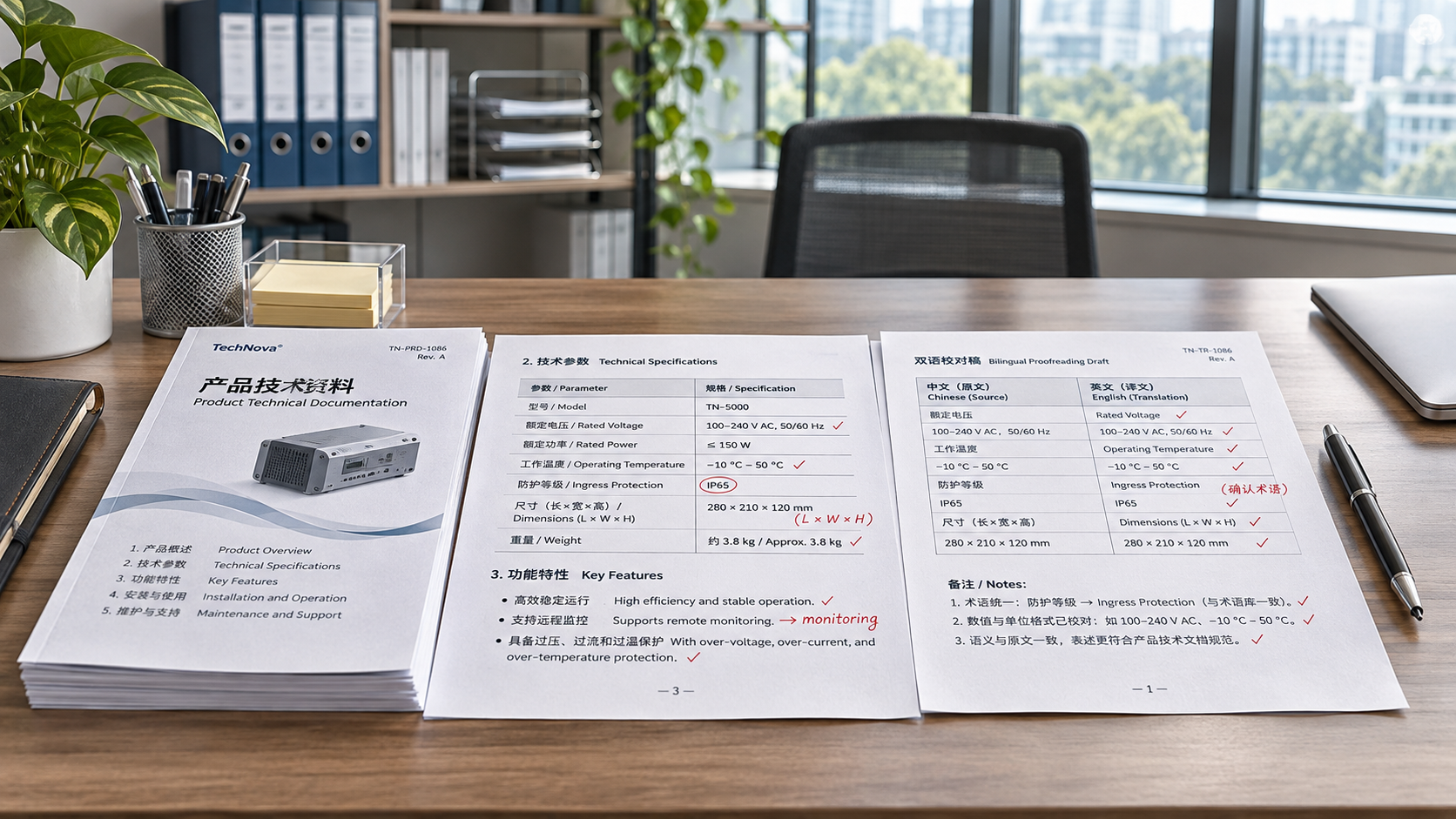
 AI Content Generation for Export Websites: How to Prevent Errors in Product Specifications and Translation
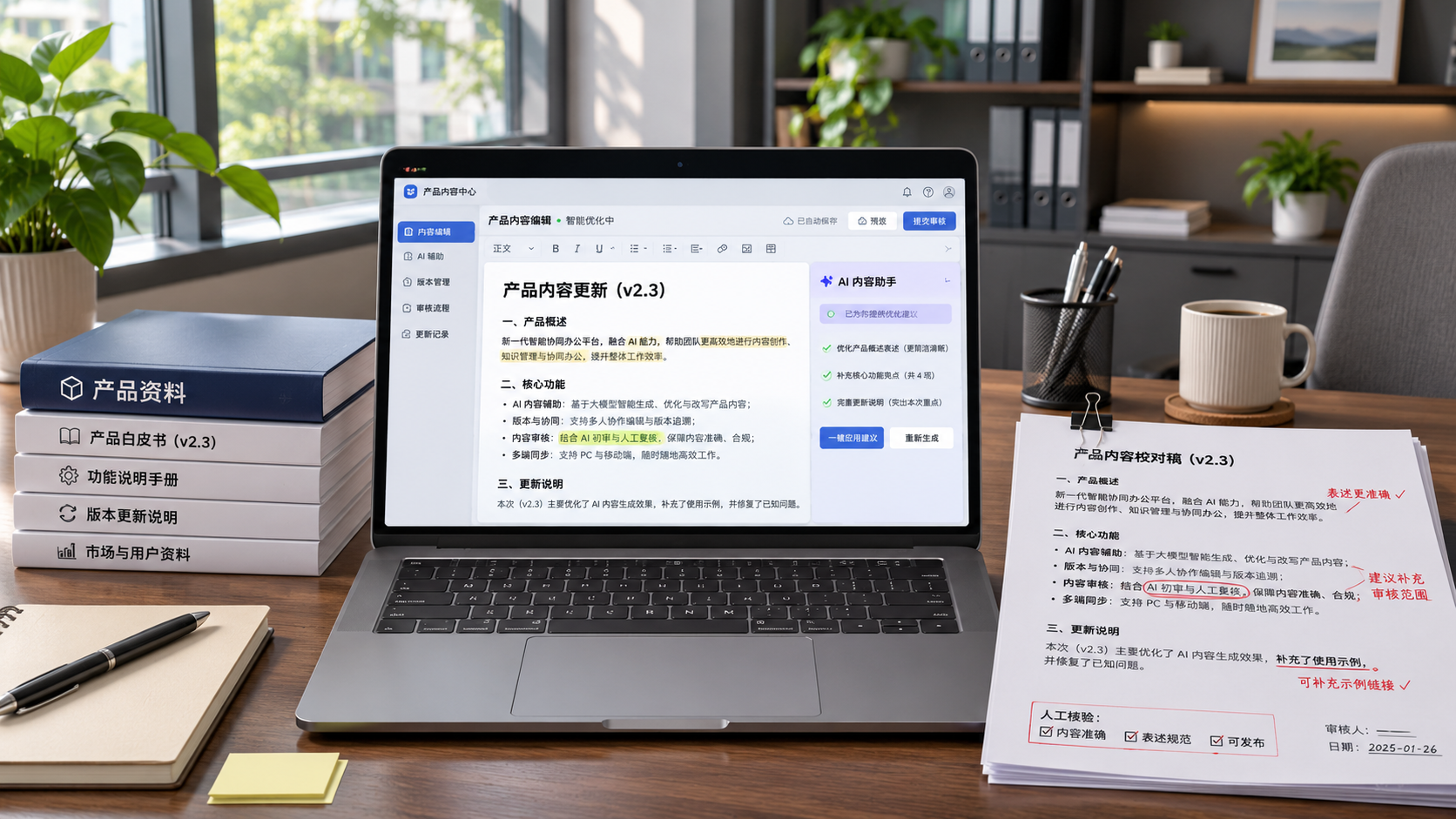
 How Can AI Drive Website Content Updates as an Engine of Innovation?
Related Products
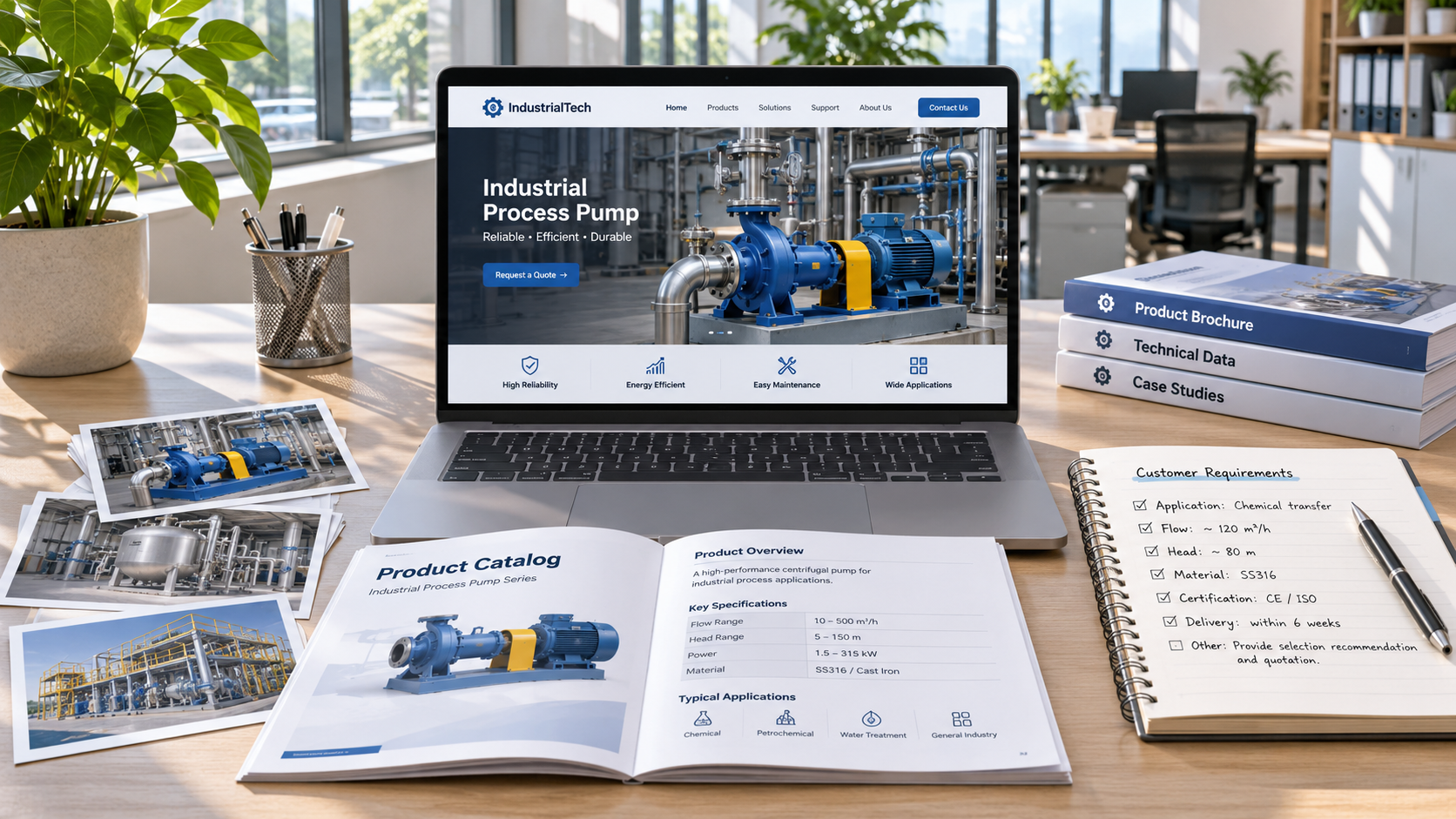
 Yiyingbao SaaS Intelligent Website Building and Marketing SystemYiyingbao SaaS Intelligent Website Building and Marketing System, AI-powered no-code website building, rapid creation of multilingual B2B international websites in 10 minutes, global server acceleration, AI-powered SEO optimization, helping businesses connect efficiently with global markets. The perfect integration of technology and operation makes building an international trade website remarkably simple
 AI+SEM Intelligent Advertising Marketing SystemAI+SEM drives intelligent ad creation, empowering full-funnel precision advertising marketing. The system automatically generates weekly/monthly reports, AI recommends keywords and target countries, monitors core metrics in real-time with intelligent alerts, and enables one-click high-conversion ad solutions to help quickly acquire customers and improve ROI.
 AI+SEO Dual-Engine System Optimization ServicesYiyingbao’s AI+SEO dual-engine optimization system helps foreign trade enterprises acquire high-quality organic traffic through AI-powered keyword research, content generation, and comprehensive technical optimization, significantly improving search rankings and conversion rates.
 AI+SNS Social Media Marketing SystemYingbao AI+SNS Social Media Marketing System - Precision social capture for the social media era. Supports one-click content synchronization across major platforms like Facebook and LinkedIn. AI intelligently rewrites posts for enhanced relevance. 24/7 AI customer service and user profiling analysis empower businesses to efficiently expand into global markets.
 AI+SEO营销解决方案易营宝AI+SEO营销解决方案,通过AI批量写作、智能生成TDK、精准关键词扩词等功能,全面优化网站SEO效果,提升流量与转化率。助力企业构建高效智能网站新生态。
 AI+SEM Advertising Marketing SolutionsAI+SEM Advertising Marketing Solution leverages AI technology to deeply empower SEM ad campaigns. It automatically generates weekly/monthly reports using AI, presenting account data across multiple dimensions for comprehensive insights into campaign performance and trends. The system precisely recommends keywords and target countries, intelligently generates high-conversion ad copy, and enables one-click activation of efficient campaign plans to help businesses rapidly acquire customers. Simultaneously, it monitors core metrics in real time, intelligently identifies abnormal fluctuations, and issues timely alerts to ensure stable, high-return advertising results.
 Domain Name ServicesEasyWin provides professional domain name services, including intelligent queries, one-stop registration, brand protection, and full lifecycle management, helping businesses build a digital brand image.
 EasyOperate B2C Cross-Border E-Commerce Platform & Independent WebsiteEasyStore B2C Cross-border E-commerce Independent Store is an intelligent website building and cross-border e-commerce integrated solution independently developed by EasyStore Information Technology (Beijing) Co., Ltd. The system is specially designed for small and medium-sized as well as large export enterprises, integrating 'website building, operation, marketing, advertising, and conversion' into one, helping enterprises quickly establish cross-border e-commerce independent stores to achieve brand globalization and global sales growth.
The platform supports multiple languages, multiple currencies, and multi-channel marketing, with built-in AI intelligent translation and SEO optimization systems, suitable for mainstream markets such as Southeast Asia, Europe and America, Latin America, and the Middle East, assisting Chinese manufacturing enterprises in efficiently deploying international e-commerce strategies. SSL证书易营宝提供专业SSL安全证书服务,包括单域名和泛域名证书,确保网站数据传输加密、身份验证和完整性保护,助力企业建立安全可信的在线业务环境。









