









- Amazon Reportedly Sends Exclusivity Warning Letters to Multiplatform SellersNov 03, 2026View details
- New TikTok Shop Cross-Border Returns Rules for Southeast Asia Take Effect on November 5Nov 03, 2026View details
- U.S. Tightens De Minimis Exemption Channel and Revises Section 321 Data PilotNov 03, 2026View details
- Amazon FBA Fuel and Logistics Surcharge in 10 European Countries to Increase to 2% on November 2Nov 02, 2026View details
- EU Customs Code reform to take effect on November 1, with new handling fees for direct-mail small parcelsNov 01, 2026View details
- EU Plans to Raise Tax on Incoming Small Parcels to €5Oct 31, 2026View details
What does Yiyingbao’s website SEO optimization service include?
What Does Eyingbao’s Website SEO Optimization Service Include?
What does Eyingbao’s website SEO optimization service include? For foreign trade businesses, manufacturing factories, and cross-border brands, SEO is not simply a matter of changing a few titles and publishing some articles. It involves continuously optimizing a website around whether it can be found in search, understood by search engines, and generate inquiries. Eyingbao’s services typically cover website audits, keyword planning, technical optimization, content development, data tracking, and conversion improvements. Combined with multilingual websites, advertising, social media marketing, and GEO (Generative Engine Optimization), they create an integrated website and marketing approach to customer acquisition.
1. Start with a Website and Market Audit, Not Direct Page Changes
Before an SEO project begins, it is important to assess the website’s current status. An audit generally covers site structure, page indexing, loading experience, mobile responsiveness, broken links, duplicate pages, titles and descriptions, image text, internal linking, and any obvious barriers to crawling. The company’s target markets also need to be considered: Is the site targeting industrial buyers in North America, distributors in Southeast Asia, or several language regions? Search habits, product terminology, and purchasing priorities vary across markets, so a single set of keywords cannot cover every region.
For B2B companies, the audit should also extend to business information. Product specifications, application industries, delivery capabilities, certifications, after-sales support, and inquiry processes all affect whether a page is genuinely persuasive. If an SEO team focuses only on traffic without understanding the products, it can easily turn the website into an informational showcase that attracts visitors but generates no inquiries.
2. Build a Keyword and Page Structure Around Purchasing Scenarios
Keyword research is not about finding the terms with the highest search volume. It is about understanding the problems users want to solve at different stages. For example, industry terms can help build awareness, product terms correspond to specific needs, application terms reflect use cases, and specification terms may indicate a stronger intent to request a quote. Terms such as “supplier,” “manufacturer,” and “custom” are more closely associated with purchasing decisions.
Eyingbao’s website SEO optimization service plans how the homepage, product pages, category pages, industry solution pages, application pages, and articles relate to one another based on the company’s product lines, target countries, customer types, and conversion goals. This helps prevent multiple pages from competing for the same keyword and avoids leaving important products with only a brief introductory page. For multilingual websites, translated pages must also be distinguished from genuinely localized pages; relying solely on machine translation is not enough.
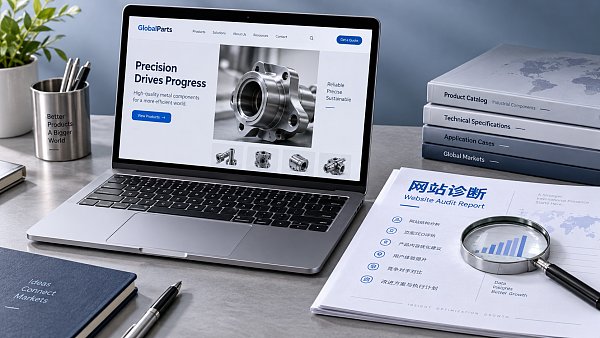
3. Complete Technical SEO So Search Engines Can Understand the Website Correctly
Technical optimization is an area many businesses tend to overlook. Services may include adjustments to site hierarchy, URL standardization, page titles and descriptions, H tags, image alt text, sitemaps, crawl directives, canonical links, breadcrumb navigation, internal linking plans, and page loading performance. For foreign trade websites with many products, it is especially important to manage filter parameters, duplicate categories, and obsolete pages to prevent large numbers of low-quality pages from accumulating as the site grows.
For multilingual websites, the connections between language versions, the display logic for regional pages, and content consistency also need attention. The specific settings should be determined based on the website system, target markets, and search engine guidelines—not generated in bulk from a template alone. Eyingbao’s cloud-based intelligent website-building system and AI+SEO/GEO optimization system integrate some technical configurations, content management, and data monitoring in one platform, helping reduce information gaps between website development, optimization, and operations.
4. Optimize Product Content and Turn Traffic into Inquiries
Whether a search engine considers a page valuable ultimately comes down to the content itself. B2B product pages should not consist of just a few promotional sentences. They should explain, as far as possible, what problems the product solves, which industries it serves, how to interpret key specifications, how product options differ, and what information needs to be confirmed for delivery or customization. Content that addresses buyers’ real questions is better equipped to support communication after a search visit.
SEO content optimization typically includes rewriting product pages, industry articles, application case study frameworks, FAQs, comparison content, and downloadable resource planning. Any case studies must be based on project information the company can genuinely provide; customers, amounts, or results must not be fabricated to include keywords. Inquiry buttons, form fields, email addresses, instant messaging links, and download paths on the page should also be designed to work with the content. Otherwise, it is difficult to turn traffic into qualified leads.
5. Establish Ongoing Content and Off-Site Visibility
SEO is not a one-time website makeover. Businesses need to update content continuously in response to product launches, market changes, customer questions, and search performance. They should monitor which pages gain impressions but few clicks, and which receive visits but generate no inquiries, then decide whether to adjust titles, add content, or improve the conversion path. Off-site efforts should be based on relevant industry resources, partner channels, social media content, and brand mentions, with an emphasis on relevance and authenticity. Mass use of low-quality links is not recommended.
For businesses expanding overseas, SEO can also work alongside Google Ads, Facebook ads, overseas social media operations, and short-form video marketing. Advertising is suited to testing markets and generating visits quickly; SEO is better suited to building long-term content assets; and social media helps showcase brand updates and application scenarios. Sharing product information and audience insights across all three channels generally creates more consistent customer touchpoints than operating each channel independently.
6. Use Data Tracking to Assess Whether Optimization Is Effective
Rankings are not the only metric. More useful indicators include coverage of relevant keywords, changes in page indexing, organic search clicks, visits from key countries, time spent on product pages, and the quality of inquiries. B2B purchasing cycles are often long: visitors may first read product information and contact the company later by email or through another channel. Data tracking should therefore consider forms, phone calls, emails, downloads, and the pages visitors came from.
Eyingbao Information Technology (Beijing) Co., Ltd. was established in 2013 and is headquartered in Beijing. It provides services including intelligent website development, SEO optimization, advertising, social media marketing, and GEO. Its positioning is not limited to delivering a website; it aims to help businesses bring their websites, search, advertising, social media, and AI search visibility into a unified growth plan. The company states that it has served more than 100,000 businesses and was included in the “Top 100 Chinese SaaS Companies” in 2023. This background may be considered when selecting a service provider, but each project should ultimately be evaluated based on its industry, markets, content resources, and scope of delivery.
What Should Businesses Confirm When Choosing an SEO Service?
When evaluating Eyingbao’s website SEO optimization service or another solution, businesses should confirm in advance whether the service includes a website audit and technical changes, who approves the keywords, whether content is developed with input from people familiar with the industry, how multilingual pages are handled, which metrics are included in data reports, whether advertising and SEO can be coordinated, and who is responsible for ongoing maintenance. They should also clarify which tasks are included in the standard service and which require separate planning based on the number of products, target countries, and the website’s current condition.
An SEO solution that is genuinely suited to a business should not simply promise a particular ranking. It should help the website structure, content assets, customer acquisition channels, and data feedback gradually form a closed loop. For businesses preparing to build an overseas independent website, clarifying target markets and inquiry criteria before deciding how to coordinate website development, SEO, advertising, and social media is often more prudent than pursuing a single keyword on its own.
Related Articles
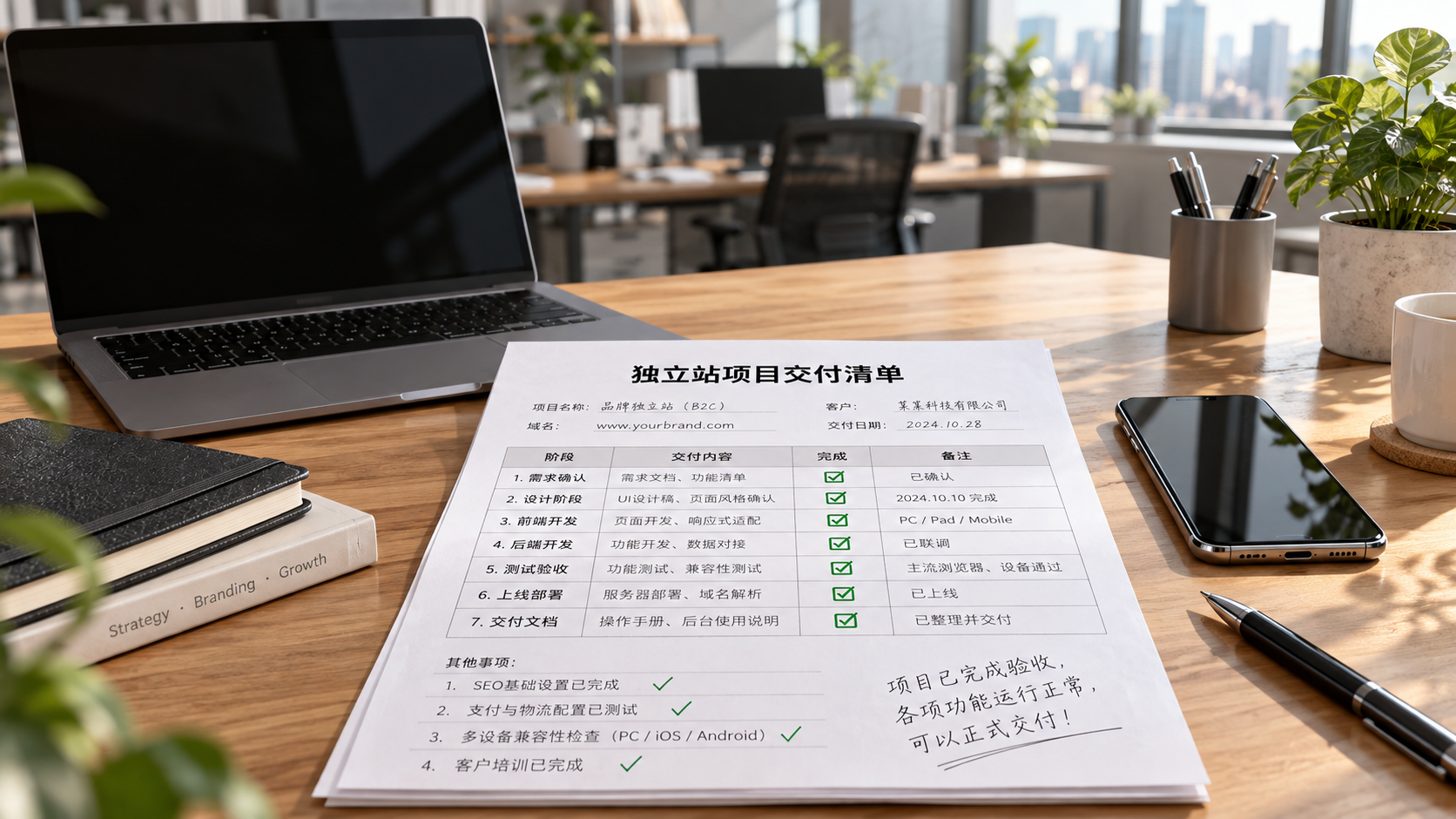
 How to Evaluate the Delivery Capabilities of a Website Development Provider in Guangdong?
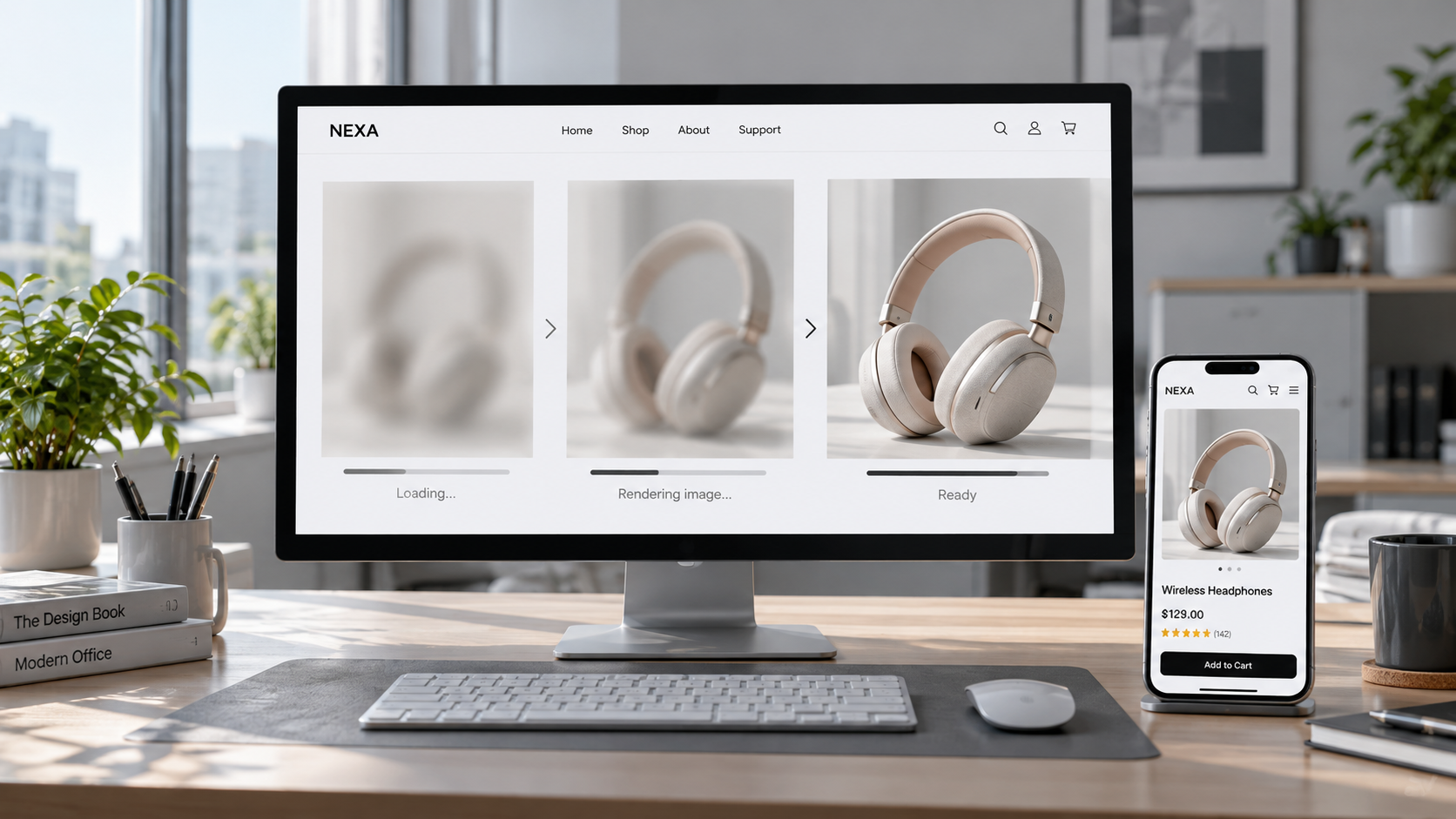
 Independent Website Loading Slowly? How to Troubleshoot Image Loading Issues
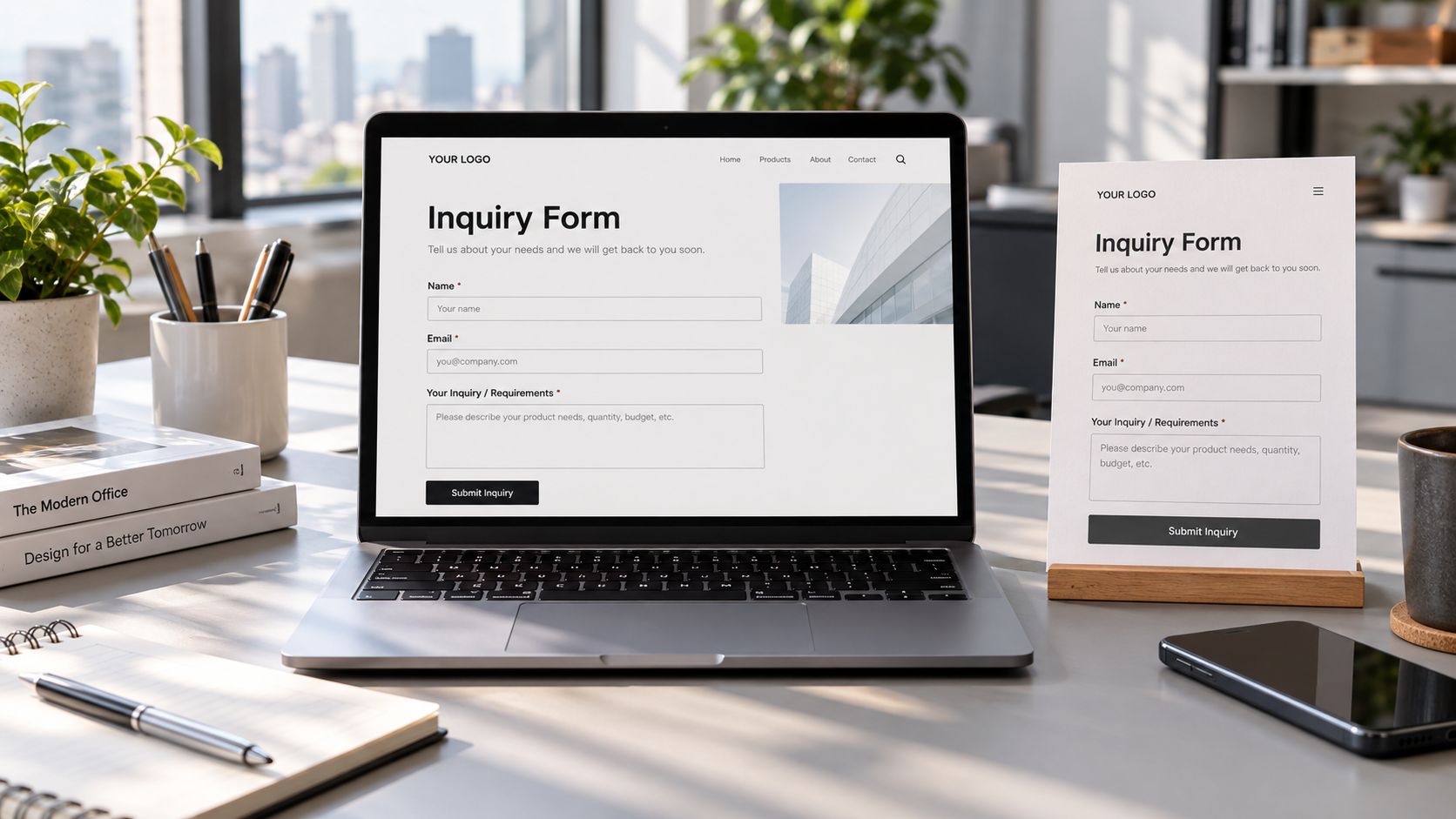
 How Can Improving the Form Experience Increase Website Inquiry Conversion Rates?
Related Products
 Yiyingbao SaaS Intelligent Website Building and Marketing SystemYiyingbao SaaS Intelligent Website Building and Marketing System, AI-powered no-code website building, rapid creation of multilingual B2B international websites in 10 minutes, global server acceleration, AI-powered SEO optimization, helping businesses connect efficiently with global markets. The perfect integration of technology and operation makes building an international trade website remarkably simple
 AI+SEM Intelligent Advertising Marketing SystemAI+SEM drives intelligent ad creation, empowering full-funnel precision advertising marketing. The system automatically generates weekly/monthly reports, AI recommends keywords and target countries, monitors core metrics in real-time with intelligent alerts, and enables one-click high-conversion ad solutions to help quickly acquire customers and improve ROI.
 AI+SEO Dual-Engine System Optimization ServicesYiyingbao’s AI+SEO dual-engine optimization system helps foreign trade enterprises acquire high-quality organic traffic through AI-powered keyword research, content generation, and comprehensive technical optimization, significantly improving search rankings and conversion rates.
 AI+SNS Social Media Marketing SystemYingbao AI+SNS Social Media Marketing System - Precision social capture for the social media era. Supports one-click content synchronization across major platforms like Facebook and LinkedIn. AI intelligently rewrites posts for enhanced relevance. 24/7 AI customer service and user profiling analysis empower businesses to efficiently expand into global markets.
 AI+SEO营销解决方案易营宝AI+SEO营销解决方案,通过AI批量写作、智能生成TDK、精准关键词扩词等功能,全面优化网站SEO效果,提升流量与转化率。助力企业构建高效智能网站新生态。
 AI+SEM Advertising Marketing SolutionsAI+SEM Advertising Marketing Solution leverages AI technology to deeply empower SEM ad campaigns. It automatically generates weekly/monthly reports using AI, presenting account data across multiple dimensions for comprehensive insights into campaign performance and trends. The system precisely recommends keywords and target countries, intelligently generates high-conversion ad copy, and enables one-click activation of efficient campaign plans to help businesses rapidly acquire customers. Simultaneously, it monitors core metrics in real time, intelligently identifies abnormal fluctuations, and issues timely alerts to ensure stable, high-return advertising results.
 Domain Name ServicesEasyWin provides professional domain name services, including intelligent queries, one-stop registration, brand protection, and full lifecycle management, helping businesses build a digital brand image.
 EasyOperate B2C Cross-Border E-Commerce Platform & Independent WebsiteEasyStore B2C Cross-border E-commerce Independent Store is an intelligent website building and cross-border e-commerce integrated solution independently developed by EasyStore Information Technology (Beijing) Co., Ltd. The system is specially designed for small and medium-sized as well as large export enterprises, integrating 'website building, operation, marketing, advertising, and conversion' into one, helping enterprises quickly establish cross-border e-commerce independent stores to achieve brand globalization and global sales growth.
The platform supports multiple languages, multiple currencies, and multi-channel marketing, with built-in AI intelligent translation and SEO optimization systems, suitable for mainstream markets such as Southeast Asia, Europe and America, Latin America, and the Middle East, assisting Chinese manufacturing enterprises in efficiently deploying international e-commerce strategies. SSL证书易营宝提供专业SSL安全证书服务,包括单域名和泛域名证书,确保网站数据传输加密、身份验证和完整性保护,助力企业建立安全可信的在线业务环境。









