









- What Does a Global Traffic Ecosystem Service Provider Do? What Are the Differences from a Single Advertising AgencyJul 16, 2026View details
- What should you focus on in the latest enterprise SaaS report? From renewal rates and delivery costs to overseas growth opportunitiesJul 12, 2026View details
- What signals are worth paying attention to in a cross-border marketing trend report? B2B companies should look at these 6 signalsJul 11, 2026View details
- How to Read a Cross-Border Marketing Trends Report? Five Key Dimensions for Evaluating Channel OpportunitiesJul 11, 2026View details
- Which channel has the highest ROI in the global traffic ecosystem? Comparative analysis of search, social media, and advertisingJul 10, 2026View details
- What multilingual website services are available in Sanya? Which model is more suitable for local businesses going global?Jul 08, 2026View details
- How to view the complete list of China SaaS companies in the top 100? Practical methods for screening website-building and marketing service providersJul 08, 2026View details
- How to view pricing in the global traffic ecosystem? Cost comparison of search, social media, and content channel advertisingJul 06, 2026View details
As of April 18, EU B2B standalone websites must pass a dual compliance audit for GDPR+ePrivacy
On April 18, 2026, the European Data Protection Board (EDPB) officially implemented the Guidelines on Strengthening Cross-Border Digital Marketing Compliance, requiring all independent websites targeting EU B2B buyers (including official websites of Chinese suppliers) to complete coordinated compliance audits for the GDPR and the ePrivacy Directive. This requirement directly affects foreign trade-oriented manufacturing enterprises, industrial product suppliers, and cross-border B2B service providers that rely on official websites for customer acquisition, lead conversion, and digital advertising placement, because their compliance status will be linked to Google search rankings and LinkedIn advertising eligibility.
Event Overview
The European Data Protection Board (EDPB) officially brought the Guidelines on Strengthening Cross-Border Digital Marketing Compliance into effect on April 18, 2026. The Guidelines clearly require that all independent websites conducting business with B2B buyers within the EU, regardless of whether the operating entity is located within the EU, must undergo coordinated compliance audits for the GDPR (General Data Protection Regulation) and the ePrivacy Directive. The audit focuses include Cookie consent management mechanisms, the legal basis for cross-border data transfers (such as SCCs or EU Adequacy decisions), and declarations of the lawfulness of B2B contact data processing (for example, explanations based on contractual necessity or legitimate interests). Websites that fail to complete the audit may have their visibility in Google search results downgraded and may lose eligibility to place B2B targeted ads on the LinkedIn platform.
Which market segments will be affected
Direct trading enterprises
Export-oriented enterprises that directly quote and take orders from EU buyers under their own brands or through OEM/ODM models generally rely on independent websites to carry core functions such as product catalogs, inquiry forms, and customer case studies. Their websites are the first entry point for B2B data collection, so they must ensure that Cookie pop-ups comply with ePrivacy requirements and that the processing of information involved in inquiry submissions, such as names, email addresses, and company information, has a clear legal basis. The impact is reflected in the following way: if the dual compliance audit is not completed, the probability of potential customers discovering the official website through search engines will decline, and the company will also be unable to use LinkedIn to precisely reach procurement decision-makers.
Processing and manufacturing enterprises
Manufacturers that provide customized production for international brands often use their official websites to showcase production line capabilities, certification qualifications, and cooperation processes, thereby attracting EU procurement teams to evaluate supplier qualifications. Although such websites do not sell directly, they still collect behavioral data such as visitor IP addresses, device information, and browsing paths for traffic source analysis, and are therefore also subject to ePrivacy; if they fail to clearly disclose the purposes of data processing and the legal basis, compliance risks arise. The impact is reflected in the following way: as a key trust endorsement channel, compliance deficiencies on the official website may be identified by EU buyers during due diligence, thereby affecting supplier onboarding evaluations.
Supply chain service enterprises
These include cross-border logistics service providers, testing and certification institutions, compliance consulting service providers, and others, whose clients are mostly manufacturing enterprises needing access to the EU market. The official websites of such enterprises are themselves B2B independent websites and are likewise subject to the new rules; at the same time, the credibility of their service offerings (such as GDPR compliance guidance and SCCs agreement adaptation) is directly affected by their own compliance practices. The impact is reflected in the following way: if their own websites fail to pass the dual compliance audit, the credibility of their professional service claims will be weakened, which may affect clients’ judgment of their service capabilities.
What key points should relevant enterprises or practitioners pay attention to, and how should they respond at present
Pay attention to the subsequent audit operation guidelines and typical scenario examples issued by the EDPB
At present, the Guidelines on Strengthening Cross-Border Digital Marketing Compliance is a principles-based document, and the EDPB has not yet published supporting audit checklists, technical verification methods, or explanations of exemption scenarios. Enterprises should continuously monitor updates on the EDPB official website, especially interpretations regarding the boundaries of applying “Legitimate Interest” in B2B scenarios—which is a key point of distinction from B2C.
Differentiate the data processing logic of different official website functional modules and rectify them step by step
There is no need to rebuild the entire website at one time. It is recommended to first sort out three categories of high-risk modules: ① Cookie banners and preference centers (must support rejecting non-essential Cookies and retain records); ② contact forms and subscription components (must clearly indicate data purposes, storage periods, and methods for exercising rights); ③ integrated third-party tools (such as Google Analytics 4 and LinkedIn Insight Tag), and confirm whether their EU server deployment or data transfer safeguard mechanisms are valid.
Review whether the wording of existing B2B data processing documents is suitable
Many enterprises have already drafted privacy policies in accordance with GDPR requirements, but many clauses relating to “B2B contacts” still follow B2C templates and do not reflect characteristics such as business communications and the duration of commercial relationships. What is currently more worthy of attention is whether the privacy policy separately explains the legal basis for scenarios such as “sending business emails to EU buyers” and “retaining procurement contact information for contract performance,” and whether it remains consistent with ePrivacy rules on electronic communications.
Temporarily slow the habitual strategy of relying on a single platform for lead generation in the EU market
Some enterprises have long relied on LinkedIn advertising to direct traffic to their official websites, but the new rules create a compliance prerequisite threshold for this path. At present, it is more appropriate to understand this as: official website compliance is shifting from an “optional item” to an “entry requirement.” Enterprises should also evaluate alternative paths at the same time, such as establishing compliant entry points through certified B2B platforms (such as EUROPAGES and Kompass), or strengthening coordination with distribution partners already locally registered in the EU, in order to disperse compliance implementation pressure.
Editorial Viewpoint / Industry Observation
From an industry perspective, this new rule is not entirely new legislation, but rather an upgraded enforcement focus by the EDPB on existing regulations in the context of B2B digital marketing. It is more like a clear regulatory signal than an immediately effective penalty mechanism—there are currently no publicly available detailed penalty rules or proactive audit plans, but compliance status has already been linked to access qualifications for mainstream digital channels, thereby forming a de facto commercial constraint. Observationally, its core intent is to push B2B service providers outside the EU to incorporate data governance into the infrastructure construction level, rather than treating it merely as a legal text response. Therefore, what the industry needs to continuously focus on is not “whether there will be penalties,” but “whether compliance capability has become a hidden threshold for B2B competition in the new stage.”
Conclusion
These Guidelines mark the EU’s regulation of non-local B2B digital touchpoints entering a stage of coordinated enforcement. Their industry significance lies not in creating new obligations, but in implementing the compliance requirements of the GDPR and ePrivacy from the institutional level into specific technical implementation and business tool chains. At present, it is more appropriate to understand this as a systematic compliance calibration starting point for B2B enterprises expanding overseas, rather than an isolated policy event. The key to a rational response lies in identifying the gaps in one’s own official website across the three dimensions of data flows, tool chains, and legal statements, and then gradually closing those gaps in a verifiable and auditable manner.
Information source note
Primary source: the Guidelines on Strengthening Cross-Border Digital Marketing Compliance published on the official website of the European Data Protection Board (EDPB) (version effective April 18, 2026). Items pending continued observation: whether the EDPB will issue supporting audit certification standards, whether supervisory authorities in member states will launch special inspections, and the specific technical verification methods of mainstream digital platforms (Google and LinkedIn).
Related Articles
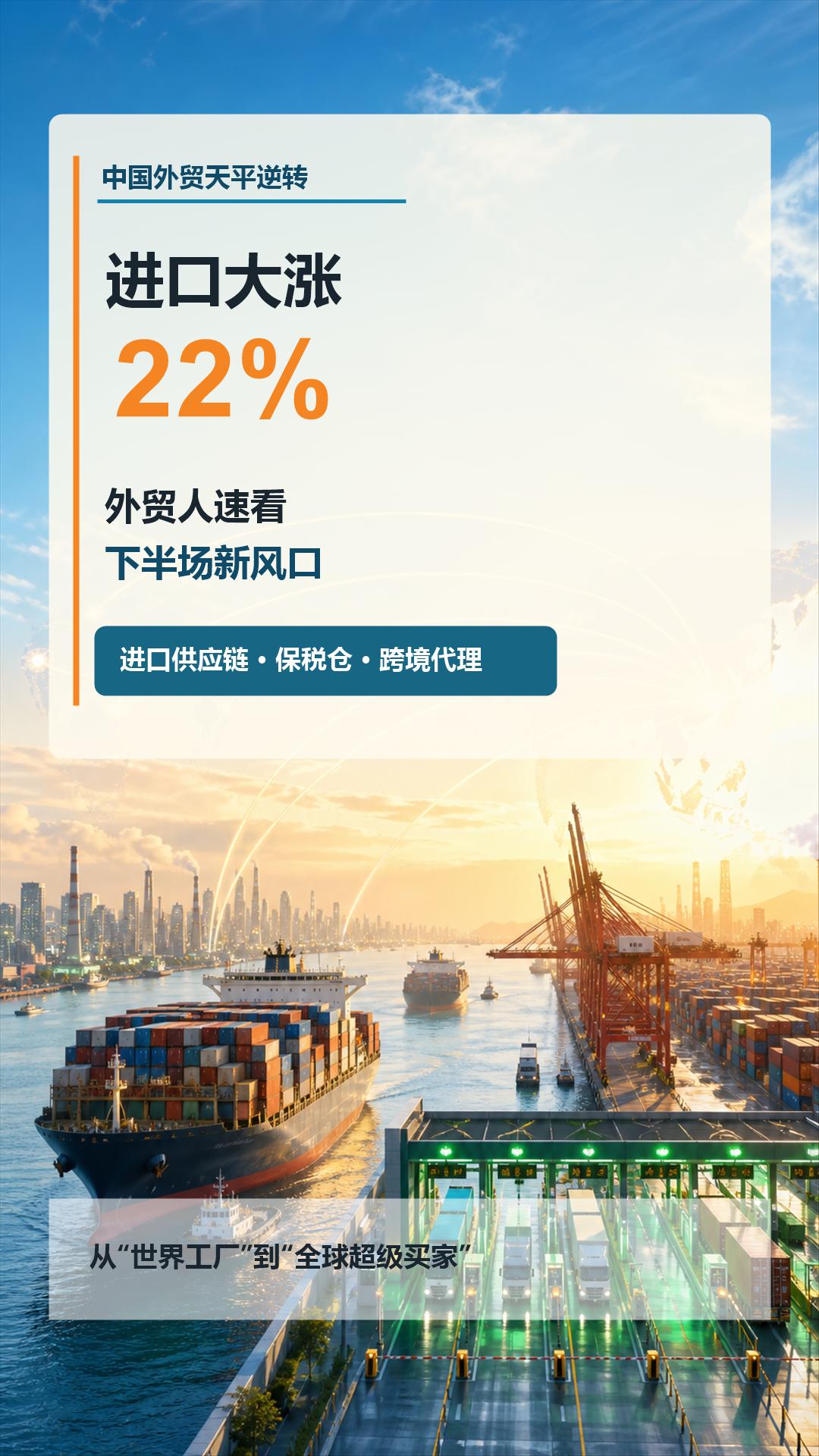
 China's foreign trade sees a turnaround: imports surge by 22%! Foreign trade professionals should quickly take note of the new trends in the second half of the year
 What Does a Global Traffic Ecosystem Service Provider Do? What Are the Differences from a Single Advertising Agency
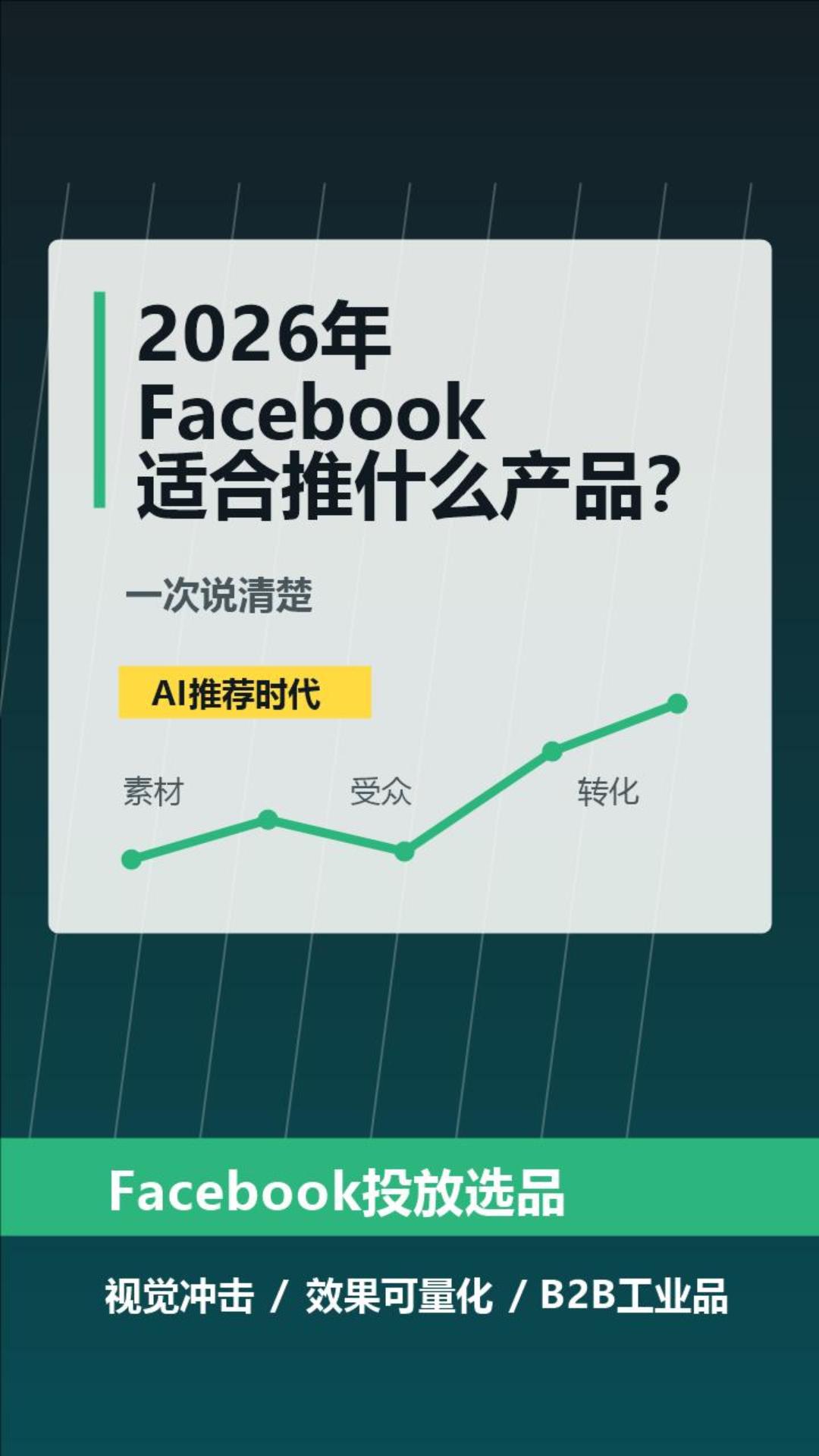
 What Products Are Suitable for Facebook in 2026? Explained Clearly at Once

Related Products
 EasyCamp SaaS Smart Website Marketing SystemE-Yingbao SaaS Smart Website Marketing System: AI-powered, zero-code website building. Rapidly launch multilingual independent e-commerce sites in just 10 minutes. Global server acceleration and AI-driven SEO optimization empower businesses to efficiently connect with global markets. The seamless integration of technology and user-friendly operation makes building e-commerce sites incredibly simple.
 AI+SEM Intelligent Advertising Marketing SystemAI+SEM drives intelligent ad creation, empowering full-funnel precision advertising marketing. The system automatically generates weekly/monthly reports, AI recommends keywords and target countries, monitors core metrics in real-time with intelligent alerts, and enables one-click high-conversion ad solutions to help quickly acquire customers and improve ROI.
 AI+SEO Dual Engine Optimization ServiceEasyWin AI+SEO Dual Engine Optimization System leverages AI-powered keyword mining, content generation, and comprehensive technical optimization to help foreign trade enterprises acquire high-quality organic traffic, significantly improving search rankings and conversion rates.
 AI+SNS Social Media Marketing SystemYingbao AI+SNS Social Media Marketing System - Precision social capture for the social media era. Supports one-click content synchronization across major platforms like Facebook and LinkedIn. AI intelligently rewrites posts for enhanced relevance. 24/7 AI customer service and user profiling analysis empower businesses to efficiently expand into global markets.
 AI+SEO营销解决方案易营宝AI+SEO营销解决方案,通过AI批量写作、智能生成TDK、精准关键词扩词等功能,全面优化网站SEO效果,提升流量与转化率。助力企业构建高效智能网站新生态。
 AI+SEM Advertising Marketing SolutionsAI+SEM Advertising Marketing Solution leverages AI technology to deeply empower SEM ad campaigns. It automatically generates weekly/monthly reports using AI, presenting account data across multiple dimensions for comprehensive insights into campaign performance and trends. The system precisely recommends keywords and target countries, intelligently generates high-conversion ad copy, and enables one-click activation of efficient campaign plans to help businesses rapidly acquire customers. Simultaneously, it monitors core metrics in real time, intelligently identifies abnormal fluctuations, and issues timely alerts to ensure stable, high-return advertising results.
 Domain Name ServicesEasyWin provides professional domain name services, including intelligent queries, one-stop registration, brand protection, and full lifecycle management, helping businesses build a digital brand image.
 EasyOperate B2C Cross-Border E-Commerce Platform & Independent WebsiteEasyStore B2C Cross-border E-commerce Independent Store is an intelligent website building and cross-border e-commerce integrated solution independently developed by EasyStore Information Technology (Beijing) Co., Ltd. The system is specially designed for small and medium-sized as well as large export enterprises, integrating 'website building, operation, marketing, advertising, and conversion' into one, helping enterprises quickly establish cross-border e-commerce independent stores to achieve brand globalization and global sales growth.
The platform supports multiple languages, multiple currencies, and multi-channel marketing, with built-in AI intelligent translation and SEO optimization systems, suitable for mainstream markets such as Southeast Asia, Europe and America, Latin America, and the Middle East, assisting Chinese manufacturing enterprises in efficiently deploying international e-commerce strategies. SSL证书易营宝提供专业SSL安全证书服务,包括单域名和泛域名证书,确保网站数据传输加密、身份验证和完整性保护,助力企业建立安全可信的在线业务环境。









