









- What stages does the cross-border services ecosystem include? How do website building, promotion, payment, and compliance work togetherJun 22, 2026View details
- How will email marketing costs change in 2026Jun 22, 2026View details
- The China-US tariff arrangement has reached a preliminary consensus, and the trade association will be establishedJun 15, 2026View details
- Should overseas brand marketing start with ads or contentJun 21, 2026View details
- What determines B2C cross-border e-commerce website development costs? A breakdown of features, interfaces, and deployment methodsJun 17, 2026View details
- China-Morocco zero-tariff access, a breakthrough in the cost of Moroccan goods exports to ChinaJun 11, 2026View details
How to verify a WhatsApp contact's security code?
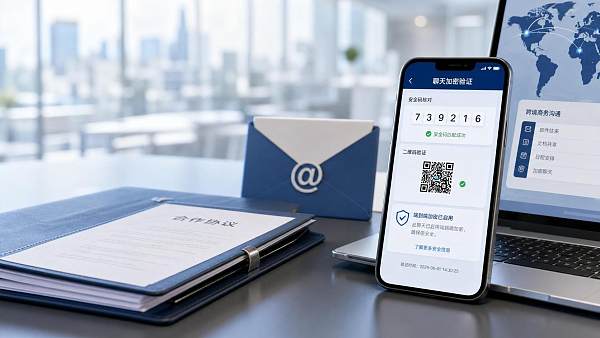
In today's world of increasingly frequent digital communication, learning how to verify the security codes of WhatsApp contacts is an important step in protecting chat privacy and account security. This article will guide you through a quick overview of verification methods to reduce the risk of information leaks and impersonation.
Why do I need to verify the security code of my WhatsApp contact?
Many people believe that as long as WhatsApp has end-to-end encryption enabled, chats are absolutely secure. In reality, if a contact's identity is impersonated, or you accidentally add the wrong person, the chat content can still fall into a risky situation.
The core purpose of verifying the security code is to confirm that the person you are talking to is indeed the contact you want to reach, and not someone who has been replaced, impersonated, or whose identity is inconsistent due to changes in the device.
This step is especially important for users who value customer data, order information, quotation documents, and business communications. It's not a complex technical operation, but a basic security measure that significantly reduces the risk of miscommunication and impersonation.
What exactly is the WhatsApp security code?
WhatsApp generates a unique security code for every end-to-end encrypted chat. This security code can be displayed as a set of numbers or a scannable QR code, used to verify that the encryption keys of both parties match.
If the two people are face-to-face or verify this information through other reliable channels, they can further confirm that the current chat has not been abnormally tampered with and that there is no significant deviation in the communication identity.
Simply put, a security code is like an "identity verification credential" for this chat. It cannot replace daily vigilance, but it can help you confirm the other party's identity as reliable before crucial communication.
How do I verify a contact's security code in WhatsApp?
The process is simple. First, open the chat window with the contact, click on their profile picture or the chat information page, then find the "encryption" or security-related option to see the QR code and a string of numbers.
Next, you can ask the other person to open the security code page for the same chat in their WhatsApp. Both of you can then compare the numbers to see if they match exactly, or you can directly scan the other person's QR code for verification.
If you are in the same location, face-to-face scanning is more direct; if you are not together, you can also verify the numbers one by one through phone, corporate email or other trusted channels to avoid relying on only one chat window for confirmation.
When the system indicates successful verification, it means that the encrypted identity in the current chat has been correctly matched. This process is especially suitable for use before establishing important contact for the first time, before sending sensitive information, or when there are doubts about the authenticity of the identity.
In what situations should we proactively verify information?
Not every casual chat requires verification, but when it comes to payments, contracts, customer data, account information, quotations, and internal documents, verifying security codes is essential to effectively reduce operational errors and security risks.
If you notice that a contact has suddenly changed their device, phone number, or profile picture, or starts asking for sensitive information in the chat, it is recommended that you verify their identity immediately before continuing communication. Many impersonation attempts often occur after these subtle changes.
For foreign trade companies, cross-border e-commerce teams, sales personnel, and overseas customer service, WhatsApp often serves as a platform for high-frequency business communication. If the contact's identity is incorrect, it not only affects privacy but could also jeopardize orders and customer trust.
If the security code changes during verification, does it mean the account has been stolen?
A change in the security code does not necessarily mean the account has been stolen. The most common reason is that the other party has changed their phone, reinstalled WhatsApp, or switched linked devices, causing the encryption key to be updated.
However, if you are unsure whether the other party has recently changed their device, do not rush to send important content. A safer approach is to verify the other party's identity again via phone, official email address, or other independent channels.
In other words, a change in the security code is not a conclusion in itself, but rather a warning signal. It reminds you that this connection needs to be reconfirmed, especially in business collaborations and the transmission of sensitive information, where this step should not be omitted.
Besides verifying the security code, what other security measures should be taken?
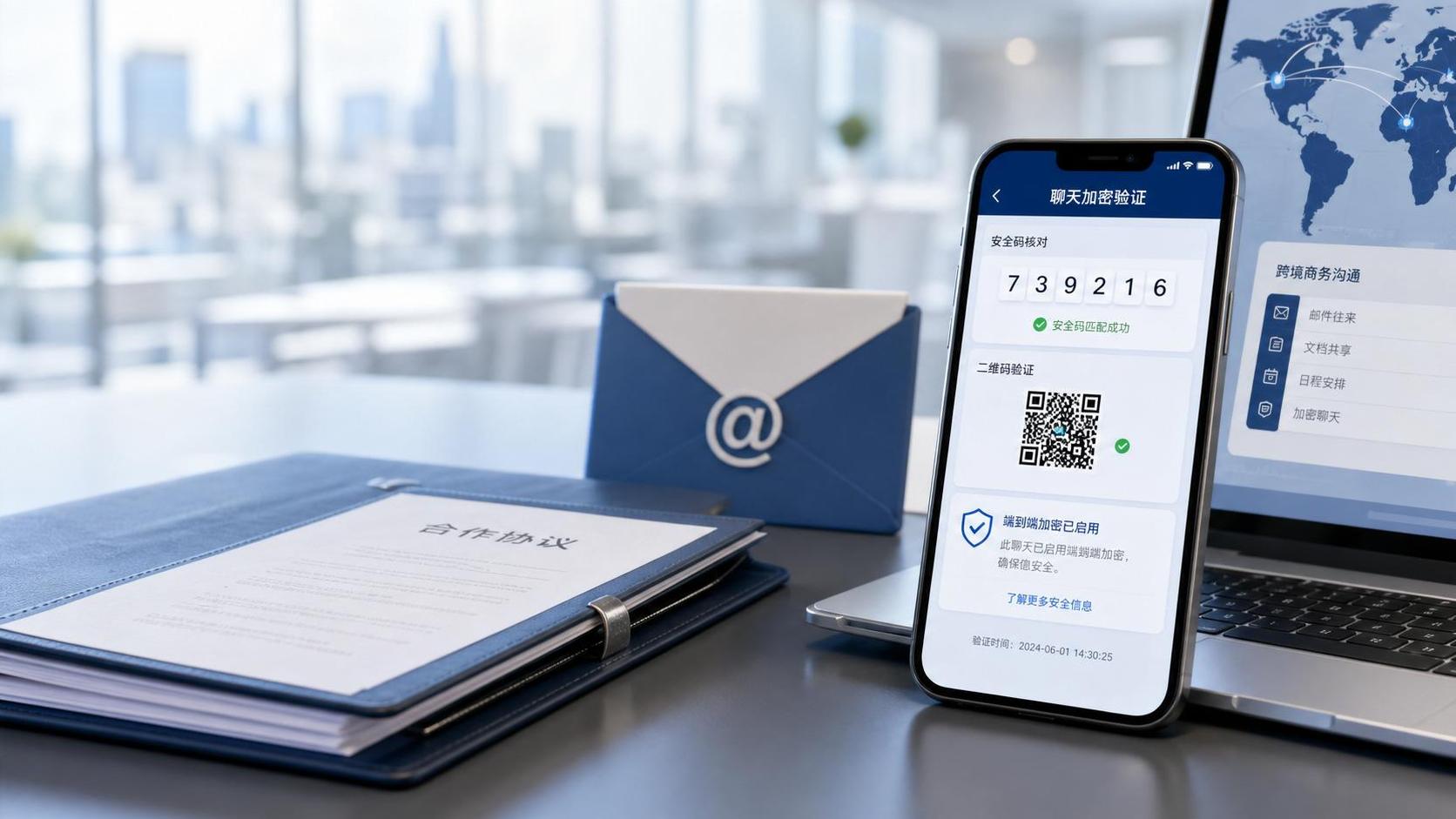
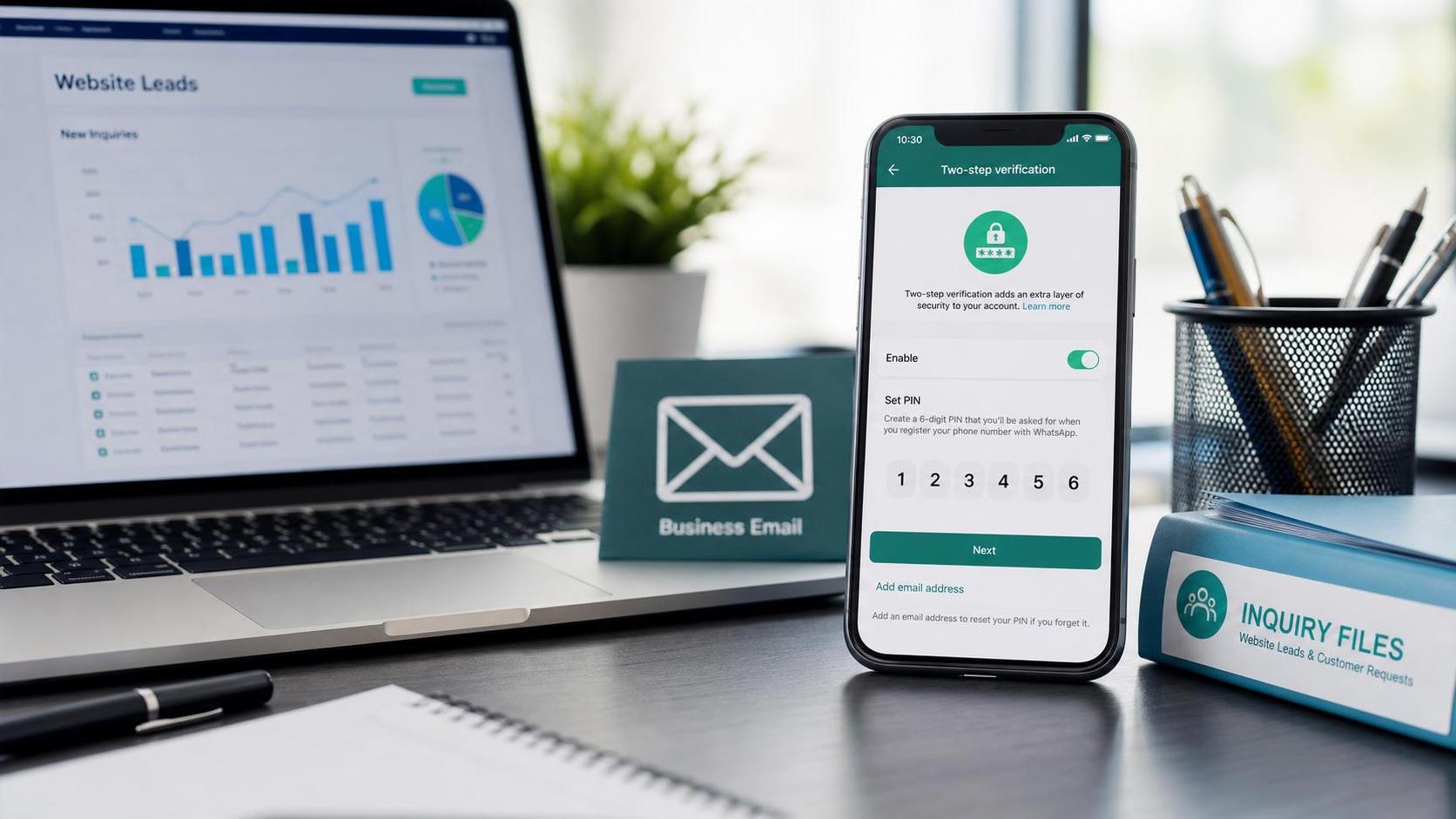
Verifying the security code is only the first layer of protection. To truly improve WhatsApp security, it is recommended to enable two-step verification, set a strong password, and avoid handling important conversations and attachments in unfamiliar network environments.
At the same time, do not easily trust payment accounts, login links, or file download requests sent temporarily in chat. Even if the contact name seems legitimate, you should cross-judge based on past communication habits, email signatures, and business processes.
Corporate teams can also establish internal procedures, such as requiring secondary review for changes in payment terms, customer information, and contract confirmations. This approach is more stable and suitable for long-term implementation than relying solely on individual experience.
Learning to verify is essential to transforming convenient communication into controlled communication.
WhatsApp contact security code verification is essentially a low-cost, high-value method of identity verification. It's simple, yet it can help you protect yourself from the chain of risks caused by impersonation, misinformation, and identity fraud in critical moments.
For individual users, this is a practical tip for protecting privacy; for businesses and overseas expansion teams, it's a crucial detail for reducing communication risks with clients and safeguarding transaction security. This is especially important to cultivate as a habit in high-frequency cross-border communication.
If you frequently handle customer inquiries, business negotiations, or data transfers via WhatsApp, it's recommended to make verifying the security code a standard procedure before crucial communications. This extra step of confirmation can often prevent a lot of subsequent problems.
Related Articles

Related Products
 EasyCamp SaaS Smart Website Marketing SystemE-Yingbao SaaS Smart Website Marketing System: AI-powered, zero-code website building. Rapidly launch multilingual independent e-commerce sites in just 10 minutes. Global server acceleration and AI-driven SEO optimization empower businesses to efficiently connect with global markets. The seamless integration of technology and user-friendly operation makes building e-commerce sites incredibly simple.
 AI+SEM Intelligent Advertising Marketing SystemAI+SEM drives intelligent ad creation, empowering full-funnel precision advertising marketing. The system automatically generates weekly/monthly reports, AI recommends keywords and target countries, monitors core metrics in real-time with intelligent alerts, and enables one-click high-conversion ad solutions to help quickly acquire customers and improve ROI.
 AI+SEO Dual Engine Optimization ServiceEasyWin AI+SEO Dual Engine Optimization System leverages AI-powered keyword mining, content generation, and comprehensive technical optimization to help foreign trade enterprises acquire high-quality organic traffic, significantly improving search rankings and conversion rates.
 AI+SNS Social Media Marketing SystemYingbao AI+SNS Social Media Marketing System - Precision social capture for the social media era. Supports one-click content synchronization across major platforms like Facebook and LinkedIn. AI intelligently rewrites posts for enhanced relevance. 24/7 AI customer service and user profiling analysis empower businesses to efficiently expand into global markets.
 AI+SEO营销解决方案易营宝AI+SEO营销解决方案,通过AI批量写作、智能生成TDK、精准关键词扩词等功能,全面优化网站SEO效果,提升流量与转化率。助力企业构建高效智能网站新生态。
 AI+SEM Advertising Marketing SolutionsAI+SEM Advertising Marketing Solution leverages AI technology to deeply empower SEM ad campaigns. It automatically generates weekly/monthly reports using AI, presenting account data across multiple dimensions for comprehensive insights into campaign performance and trends. The system precisely recommends keywords and target countries, intelligently generates high-conversion ad copy, and enables one-click activation of efficient campaign plans to help businesses rapidly acquire customers. Simultaneously, it monitors core metrics in real time, intelligently identifies abnormal fluctuations, and issues timely alerts to ensure stable, high-return advertising results.
 Domain Name ServicesEasyWin provides professional domain name services, including intelligent queries, one-stop registration, brand protection, and full lifecycle management, helping businesses build a digital brand image.
 EasyOperate B2C Cross-Border E-Commerce Platform & Independent WebsiteEasyStore B2C Cross-border E-commerce Independent Store is an intelligent website building and cross-border e-commerce integrated solution independently developed by EasyStore Information Technology (Beijing) Co., Ltd. The system is specially designed for small and medium-sized as well as large export enterprises, integrating 'website building, operation, marketing, advertising, and conversion' into one, helping enterprises quickly establish cross-border e-commerce independent stores to achieve brand globalization and global sales growth.
The platform supports multiple languages, multiple currencies, and multi-channel marketing, with built-in AI intelligent translation and SEO optimization systems, suitable for mainstream markets such as Southeast Asia, Europe and America, Latin America, and the Middle East, assisting Chinese manufacturing enterprises in efficiently deploying international e-commerce strategies. SSL证书易营宝提供专业SSL安全证书服务,包括单域名和泛域名证书,确保网站数据传输加密、身份验证和完整性保护,助力企业建立安全可信的在线业务环境。









