









- China-Morocco zero-tariff access, a breakthrough in the cost of Moroccan goods exports to ChinaJun 11, 2026View details
- What signal should be released for the suspension of exports to JapanJun 10, 2026View details
- China's May LNG imports rebounded, with increased volumes from Russia and Canada filling the Middle East supply gapJun 10, 2026View details
- Will GEO change its SEO strategy?Jun 04, 2026View details
- What types of businesses are end-to-end solutions suitable for?Jun 03, 2026View details
- 2026 Global Growth Channel TrendsJun 02, 2026View details
AI-Driven Enterprise Knowledge Base: Making Your Website the Authoritative Answer Source in the AI Search Era
In the era of AI search, whether a corporate website can be found by users no longer depends on keyword density, but on whether you possess a genuine, logical, and citable enterprise-level knowledge base system. In the past, companies relied on SEO to compete for search rankings; today, AI search (such as ChatGPT, Gemini, Perplexity, Baidu Wenxin, etc.) is redefining the "source of answers":
Only websites with well-structured content, credible data, and a systematic knowledge framework have the opportunity to become AI's reference objects and the authoritative source of industry answers.
More and more companies have realized—
The future is not about "who does the best advertising," but "who can become the first recommended answer by AI."
Building an AI-driven enterprise knowledge base (AI Knowledge Base) is the core strategy for companies to gain a new round of growth dividends.

1. The three major changes in the AI search era—is your website ready?
1. Search shifts from "keyword matching" to "answer generation"
In the past: Users searched for "how to build a foreign trade website" and saw 10 blue links.
Now: AI directly provides a structured answer and cites the source.
If your website content lacks systematicity or authority, AI won't reference you.
2. Content shifts from "written for users to read" to "written for AI to parse"
AI doesn't browse web pages; it "parses web pages."
It prefers:
Structured content (FAQs, product documentation, case libraries)
Articles with a consistent logical framework
Clearly extractable information (charts, definitions, steps, processes)
The more "AI-understandable" your content is, the more likely it is to be cited.
3. Business competition upgrades from "traffic acquisition" to "dominating AI cognition"
In the AI ecosystem,
Whose content is recommended by AI
Who provides industry-standard explanations
Who is cited as a reference for problem-solving
will gain a continuous stream of high-intent traffic and customer trust.
Building an AI-driven knowledge base is about seizing the "industry interpretation authority" in the future.
2. What is an AI-driven enterprise knowledge base?
It's not a pile of ordinary articles but a system of content that can be quickly understood, cited, and used by AI to generate answers.
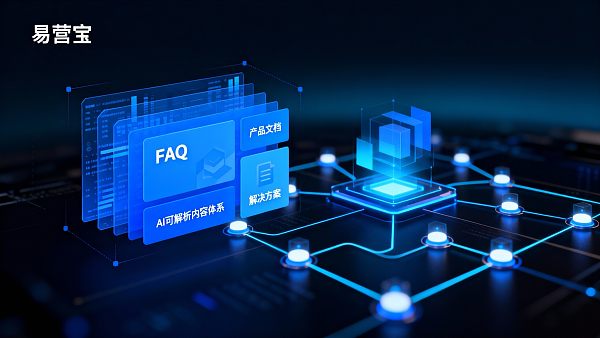
A complete AI enterprise knowledge base typically includes:
1. Enterprise-specific knowledge structure (systematized)
Includes industry knowledge, product knowledge, usage guides, customer scenarios, solutions, and professional terminology explanations, all interconnected through a unified logical framework to help AI understand "how you see the world."
2. Structured documents (parseable)
For example:
FAQ libraries
Product documentation (Product Docs)
SOP processes
Industry knowledge encyclopedias
Scenario-based solution libraries
This structured content is AI's favorite citation material.
3. Authority citation system (credibility)
Enhance "credibility weight" through Schema markup, formatted product documentation, and expert signatures, making AI more willing to cite your content.
4. AI-generated + human-reviewed high-quality article libraries
AI assists companies in rapidly creating large volumes of high-quality content while maintaining consistent style, accuracy, and professionalism, systematically presenting the company's industry cognition.
Once this system is complete, corporate websites will no longer be "company profiles + product pages" but a standardized answer library for the industry.
3. Why is an "enterprise knowledge base = the ultimate traffic gateway in the AI search era"?
1. Becoming the authoritative information source recommended by AI
When users ask AI—
"What is the best practice for the XXX industry?"
"How to solve XXX problems?"
"Which product meets XXX needs?"
Who will AI cite?
—Those with complete knowledge systems, structured content, and professional explanations.
2. Dramatically enhanced passive lead-generation capability
Content recommended by AI inherently carries:
High trust
High intent
High conversion rates
Because users don't find you through search—AI recommends you.
Every knowledge article is:
A 24/7 working gold-standard salesperson.
3. Industry authority is defined by content, not scale
SMEs can also build knowledge bases to become the "#1 AI-recommended" in a niche field, outperforming larger brands.
In the AI era, professional content > marketing budgets.
4. How can companies quickly build an AI-driven knowledge base? (Actionable high-efficiency solutions)
The following process can be directly implemented internally:
Step 1: Establish an enterprise knowledge framework (standardized cognition system)
Includes:
Industry encyclopedia system
Product knowledge system
Customer demand system
Usage scenario system
Standard process system
Help AI understand how you define the industry and solve problems.
Step 2: Generate high-quality, citable content (structured + systematized)
AI search's favorite content types:
FAQs
Step-by-step tutorials
Comparative analyses
Definition explanations
Industry reports
Solution libraries
Corporate whitepapers
This content is highly likely to be called and cited by AI.
Step 3: Content optimization for AI (AI SEO / GEO)
Includes:
Schema structured data
Content fragmentation
Standardized professional terminology
Linked knowledge graphs
Clear content hierarchy (H2/H3 frameworks)
Make it easy for AI to read and absorb content.
Step 4: Continuously update content as "enterprise knowledge assets"
Update directions include:
Industry trends
Product changes
Case library additions
New definitions/concepts
New solutions
The richer the enterprise knowledge base, the higher the AI citation rate.
5. The real value of an AI-driven knowledge base: It changes not content but the enterprise growth model

By building an AI-driven knowledge base, companies will gain:
1. A continuous stream of free high-intent traffic (AI-recommended traffic)
No ads needed, no reliance on SEO tricks;
As long as the content is authoritative, AI will recommend you.
2. Full-funnel conversion rate lift (because users are pre-educated)
Before entering your website, customers are already "pre-educated" by AI:
They know you
They trust you
They need you
Conversion rates naturally increase significantly.
3. Turning the website into the company's "digital asset hub"
Websites transform from static display pages to:
Content asset libraries
Knowledge production centers
AI training material repositories
Industry authoritative answer sources
This is the core competitiveness of future enterprises.
6. The future is here: Companies that don't build knowledge bases now will fall behind forever
In the AI search era, the role of corporate websites has fundamentally changed:
No longer just a place to showcase products,
but a place to define industries, educate customers, and influence AI.
The more professional your website is, the more AI trusts you;
The more AI trusts you, the more customers trust you.
Whoever builds an AI-driven knowledge base faster
will control the initiative for enterprise growth in the next 5 years.
Related Articles
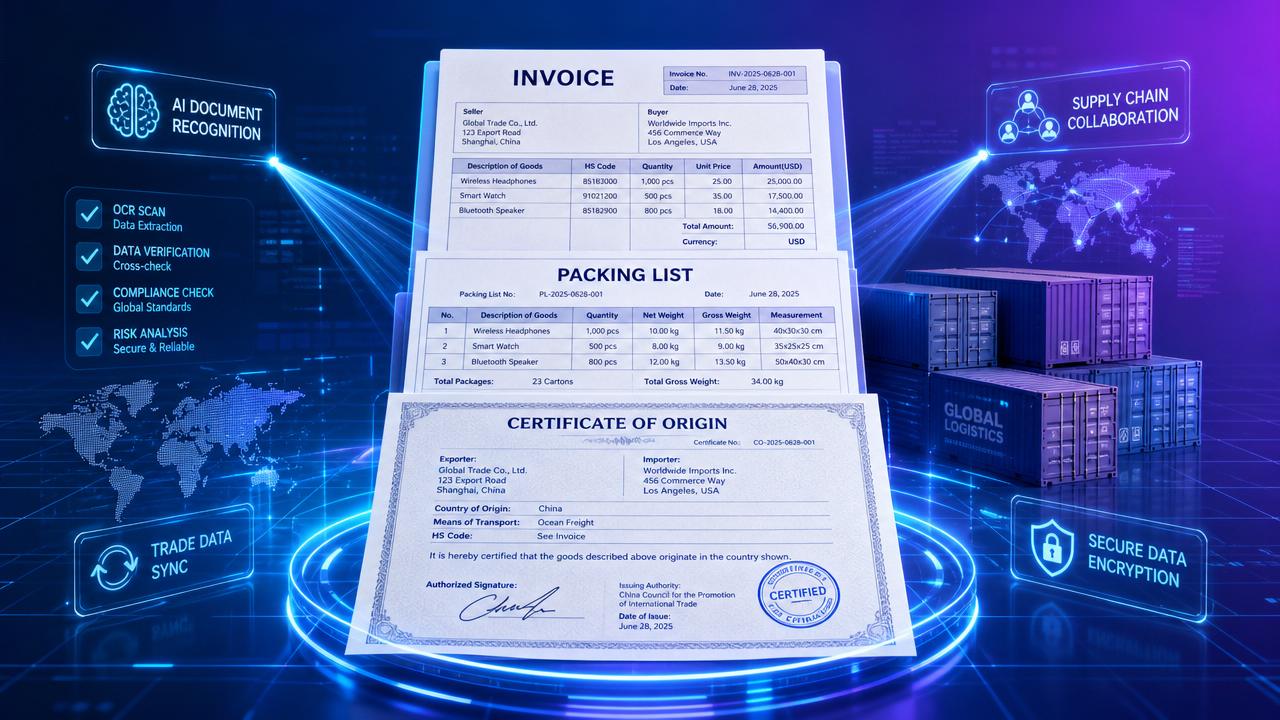
 45 cities accelerate cross-border trade facilitation, AI bill of lading recognition speeds up local settlement
 How long does it take to develop a B2C cross-border e-commerce store? Break down the scope of features and timeline
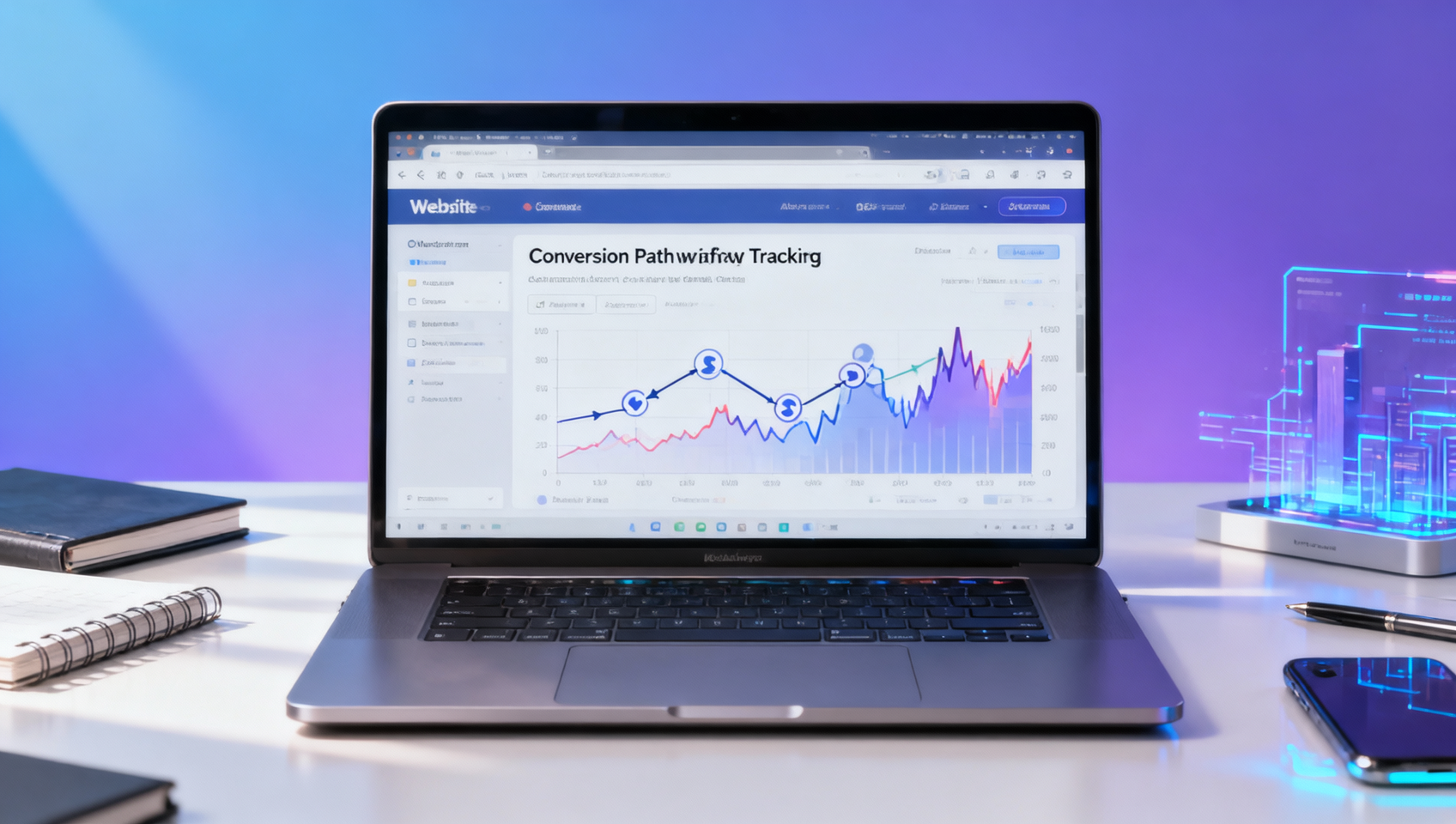
 How to make website data analysis useful? Traffic sources, conversion paths, and abnormal metrics breakdown

Related Products
 EasyCamp SaaS Smart Website Marketing SystemE-Yingbao SaaS Smart Website Marketing System: AI-powered, zero-code website building. Rapidly launch multilingual independent e-commerce sites in just 10 minutes. Global server acceleration and AI-driven SEO optimization empower businesses to efficiently connect with global markets. The seamless integration of technology and user-friendly operation makes building e-commerce sites incredibly simple.
 AI+SEM Intelligent Advertising Marketing SystemAI+SEM drives intelligent ad creation, empowering full-funnel precision advertising marketing. The system automatically generates weekly/monthly reports, AI recommends keywords and target countries, monitors core metrics in real-time with intelligent alerts, and enables one-click high-conversion ad solutions to help quickly acquire customers and improve ROI.
 AI+SEO Dual Engine Optimization ServiceEasyWin AI+SEO Dual Engine Optimization System leverages AI-powered keyword mining, content generation, and comprehensive technical optimization to help foreign trade enterprises acquire high-quality organic traffic, significantly improving search rankings and conversion rates.
 AI+SNS Social Media Marketing SystemYingbao AI+SNS Social Media Marketing System - Precision social capture for the social media era. Supports one-click content synchronization across major platforms like Facebook and LinkedIn. AI intelligently rewrites posts for enhanced relevance. 24/7 AI customer service and user profiling analysis empower businesses to efficiently expand into global markets.
 AI+SEO营销解决方案易营宝AI+SEO营销解决方案,通过AI批量写作、智能生成TDK、精准关键词扩词等功能,全面优化网站SEO效果,提升流量与转化率。助力企业构建高效智能网站新生态。
 AI+SEM Advertising Marketing SolutionsAI+SEM Advertising Marketing Solution leverages AI technology to deeply empower SEM ad campaigns. It automatically generates weekly/monthly reports using AI, presenting account data across multiple dimensions for comprehensive insights into campaign performance and trends. The system precisely recommends keywords and target countries, intelligently generates high-conversion ad copy, and enables one-click activation of efficient campaign plans to help businesses rapidly acquire customers. Simultaneously, it monitors core metrics in real time, intelligently identifies abnormal fluctuations, and issues timely alerts to ensure stable, high-return advertising results.
 Domain Name ServicesEasyWin provides professional domain name services, including intelligent queries, one-stop registration, brand protection, and full lifecycle management, helping businesses build a digital brand image.
 EasyOperate B2C Cross-Border E-Commerce Platform & Independent WebsiteEasyStore B2C Cross-border E-commerce Independent Store is an intelligent website building and cross-border e-commerce integrated solution independently developed by EasyStore Information Technology (Beijing) Co., Ltd. The system is specially designed for small and medium-sized as well as large export enterprises, integrating 'website building, operation, marketing, advertising, and conversion' into one, helping enterprises quickly establish cross-border e-commerce independent stores to achieve brand globalization and global sales growth.
The platform supports multiple languages, multiple currencies, and multi-channel marketing, with built-in AI intelligent translation and SEO optimization systems, suitable for mainstream markets such as Southeast Asia, Europe and America, Latin America, and the Middle East, assisting Chinese manufacturing enterprises in efficiently deploying international e-commerce strategies. SSL证书易营宝提供专业SSL安全证书服务,包括单域名和泛域名证书,确保网站数据传输加密、身份验证和完整性保护,助力企业建立安全可信的在线业务环境。









