- Which company provides the best multilingual website construction services for foreign trade? How should companies of different scales choose suppliers2026-01-17View details
- What is the role of HTTPS for websites? Why is the decision-making level increasingly emphasizing digital trust systems2026-01-15View details
- What is Global CDN Acceleration? Key Considerations for Enterprise Selection from Architecture to Cost2026-01-16View details
- What are the low-cost customer acquisition solutions suitable for SMEs? The practical path of integrating search and social media2026-01-17View details
- EasyYunbao Usage Evaluation: The Real Performance of Intelligent Website Building Platforms in B2B Official Website Applications2026-01-15View details
- What are the low-cost customer acquisition solutions suitable for small and medium-sized enterprises? 2024 Marketing Practical Guide2026-01-17View details
- The Era of GEO Has Arrived: Rankings No Longer Matter, Appearing in AI Responses is the Key to Foreign Trade Lead Generation2026-01-14View details
- EasyOperate GEO Layout: How to Become the 'Priority Recommendation' of AI Engines Through Structured Brand Semantics?2026-01-15View details
Global SEO website building system: How to rank your website on the first page of overseas search with structured data?

Use structured data and AI-powered multilingual website systems to push your website to the top of global search engine results through a global SEO website framework, boosting traffic and conversions.
In the customer acquisition chain of cross-border markets, what information researchers and users care about most is: How can buyers in target countries find your independent website on search engines at the first opportunity? How to increase organic traffic and ensure lead quality under limited budgets? This article focuses on B2B scenarios, detailing the practical implementation of multilingual foreign trade website systems and structured data (Structured Data), helping marketing and technical teams understand end-to-end solutions from website building, SEO to conversion optimization. It covers technical implementation, content strategy, and performance optimization, suitable for users/operators and decision-makers responsible for market research to read.

Why Structured Data is an Accelerator for International Search Rankings (and How It Works with Global SEO Website Systems)
Structured data is not just a way to "explain" page information to search engines—it’s a key method to improve search relevance, secure rich snippets, and target regional traffic. In cross-border scenarios, search engines impose higher readability requirements for language, currency, shipping locations, company credentials, and product attributes. By systematically outputting schema.org markup (e.g., Product, Offer, Organization, BreadcrumbList, FAQ) in multilingual foreign trade website systems, search engines like Google and Yandex can accurately identify product and business information across different language versions, improving click-through rates (CTR) and impression frequency.
- Boost Relevance: Structured data allows machine-readable page attributes (model numbers, specifications, MOQ, shipping ports), reducing semantic ambiguity and improving search relevance.
- Rich Snippets: Pages with structured markup are more likely to feature rich results (prices, ratings, FAQs), standing out in SERPs and significantly increasing CTR.
- Regional Targeting: Combined with hreflang and geo-targeting strategies, structured data ensures search engines display the most appropriate language and logistics information for specific markets, reducing bounce rates and improving conversions.
Practical Steps to Deploy Structured Markup in AI-Powered Multilingual Website Systems (For Responsive DIY Website Builders and Cross-Border Foreign Trade Sites)
To make structured data a sustainable, monitorable capability, focus on three aspects: workflow, templates, and automation.
- Build a Semantic Template Library: Preload industry-specific schema templates (e.g., B2B product pages, directory pages, case studies, FAQs) in responsive DIY website systems. Templates should support multilingual field mapping to ensure AI translations correctly align with attribute fields.
- AI-Driven TDK & Content Extraction: Combine AI keyword expansion with auto-generated TDK modules to extract structured information from titles, descriptions, and spec sheets, outputting JSON-LD. Multilingual AI website systems must maintain field consistency across language versions to avoid schema fragmentation.
- Automated Validation & Reporting: Integrate structured data testing (using tools like Rich Results Test and Search Console reports) into the build process, and submit new multilingual pages via Sitemap and Indexing API to target search engines.
Tech & Performance Dual Focus: Leveraging Global Website SaaS Platforms for Stability and Speed Advantages
In international SEO, page speed and stability directly impact crawl frequency and user experience. Top-tier global website SaaS systems optimize backend architecture and distributed infrastructure to boost PageSpeed scores and ensure multi-timezone reliability.
- CDN & Edge Caching: Deploy multilingual standalone sites on global CDN nodes to reduce Time to First Byte (TTFB), significantly improving SEO and cross-border conversion rates.
- Automated TLS & Security: Auto-SSL certificates and DDoS protection are baseline requirements, especially for EU/US markets where site security and privacy compliance affect trust metrics.
- Performance Monitoring: Implement Google PageSpeed auto-monitoring in website SaaS platforms, targeting 90+ scores, with alert systems to quickly diagnose performance issues affecting indexing and conversions.
Content Strategy, AI-Driven Workflows & Conversion Paths: End-to-End Optimization from Leads to Orders
With technical foundations in place, content and conversion workflows determine ROI. For users/operators, we recommend building a data-driven content publishing and conversion tracking system.
- AI Keyword Expansion & Semantic Clustering: Use AI-generated keyword libraries covering long-tail demand in target markets, paired with geo-targeted site solutions to create multilingual long-tail pages and expand traffic pools.
- Automated TDK & Creative Optimization: Leverage AI to generate high-CTR titles and descriptions (TDK), embedding structured data in templates to boost clicks and search quality scores.
- Lead Tracking & Multi-Timezone Follow-ups: Integrate smart CRM with customer service to track lead conversions and automate multi-timezone follow-ups, significantly improving conversion and repeat purchase rates.
Additionally, real data shows that combining dynamic ad creative generation with cross-platform ad automation can increase average CTR by 40%, lead volume by 320%, and average order value by 2.8x. For implementation, marketing and tech teams should establish weekly keyword-page-conversion dashboards, linking foreign trade sites, social broadcasts, and paid ads into closed loops—transforming SEO traffic into high-quality leads and orders.

Summary & Action Plan: Turn Traffic into Measurable Business Growth with Holistic Capabilities
In summary, single-point optimizations alone won’t sustain long-term results. Businesses need to integrate structured data, AI multilingual systems, and global website SaaS performance into a replicable operational framework—from semantic data modeling and AI-driven multilingual content production to global CDN and performance monitoring, down to lead closure and multi-timezone service. This full-chain approach boosts search visibility while steadily converting traffic into commercial value. Our implementations demonstrate the compound effects of systematic investments: stable PageSpeed and translation accuracy, standardized structured data output, and smart ad-creative synergy can significantly improve rankings and CTR for foreign trade sites in target markets. To explore how technology and processes can power overseas growth, experience our enterprise solutions—complete capabilities tailored for export businesses, delivering observable lead and conversion improvements. Learn more: "B2B Export Solutions". Contact us for a free site audit and implementation plan, or request a demo to evaluate integrating your multilingual foreign trade website system with global SEO frameworks for rapid international exposure and high-quality lead conversion.
- Foreign Trade Website
- SSL Certificate
- Multilingual standalone site
- Inquiry quality
- B2B Foreign Trade
- SEO
- Independent site
- AI Translation
- Foreign trade independent website
- Multilingual Foreign Trade Website System
- Global Website SaaS Platform
- Cross-border E-commerce Website
- Responsive self-service website system
- AI multilingual website system
- Global SEO Website System
- Geo-targeted Website Solution
- Enterprise Multilingual CMS
- Global website SaaS system
- Foreign Trade Website System
- Multilingual Website System
Related Articles



Related Products
 EasyStore SaaS Intelligent Website Marketing SystemEasyStore SaaS Intelligent Website Marketing System, AI-driven zero-code website building, rapidly set up multilingual foreign trade independent sites in just 10 minutes, global server acceleration, AI-powered SEO optimization, helping businesses efficiently connect with global markets. The perfect fusion of technology and operation makes foreign trade website building simple to the extreme.
 AI+SEM Intelligent Advertising Marketing SystemAI+SEM drives intelligent campaign creation, empowering full-funnel precision advertising marketing. The system automatically generates weekly/monthly reports, AI-recommends keywords and target countries, monitors core metrics in real-time with intelligent alerts, and enables one-click high-conversion campaign launches to accelerate lead acquisition and boost ROI.
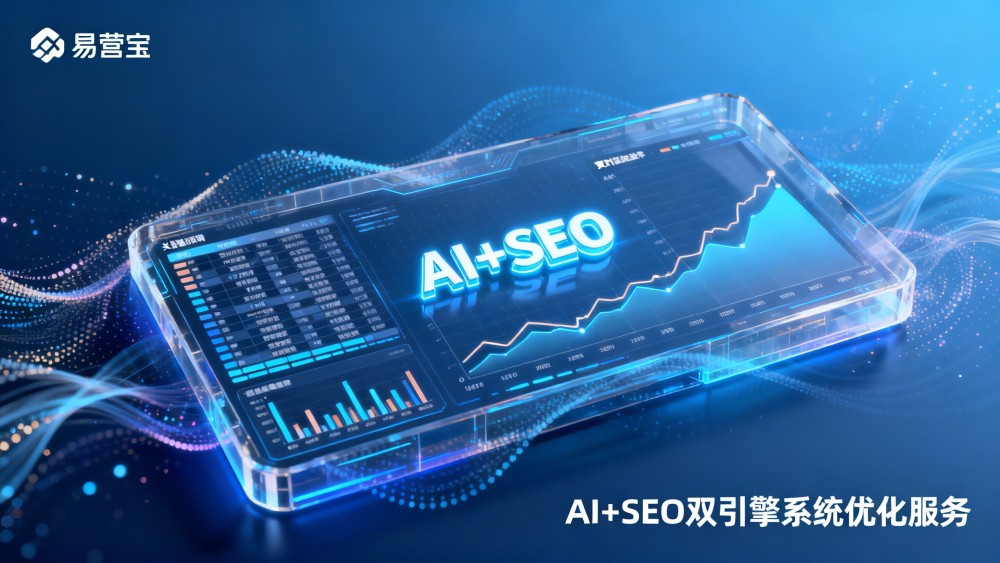
 AI+SEO Dual-Engine System Optimization ServiceE-Yingbao AI+SEO Dual-Engine Optimization System leverages AI-powered keyword mining, content generation, and comprehensive technical optimization to help export-oriented enterprises capture high-quality organic traffic, significantly boosting search rankings and conversion rates.
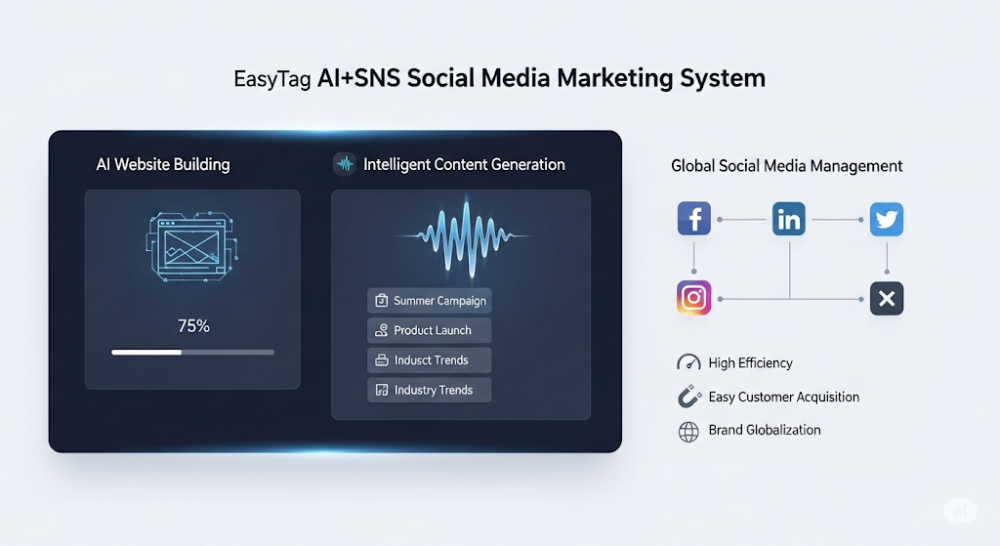
 AI + SNS Social Media Full Intelligence Marketing SystemEYBao AI+SNS Social Media All Intelligent Marketing System - Precise social capture in the era of social media, supporting one-click synchronization of content on mainstream platforms such as Facebook, LinkedIn, etc., AI intelligent rewriting of postings to enhance the degree of adaptability, 24/7 intelligent customer service and user profile analysis, helping enterprises to efficiently expand the global market.
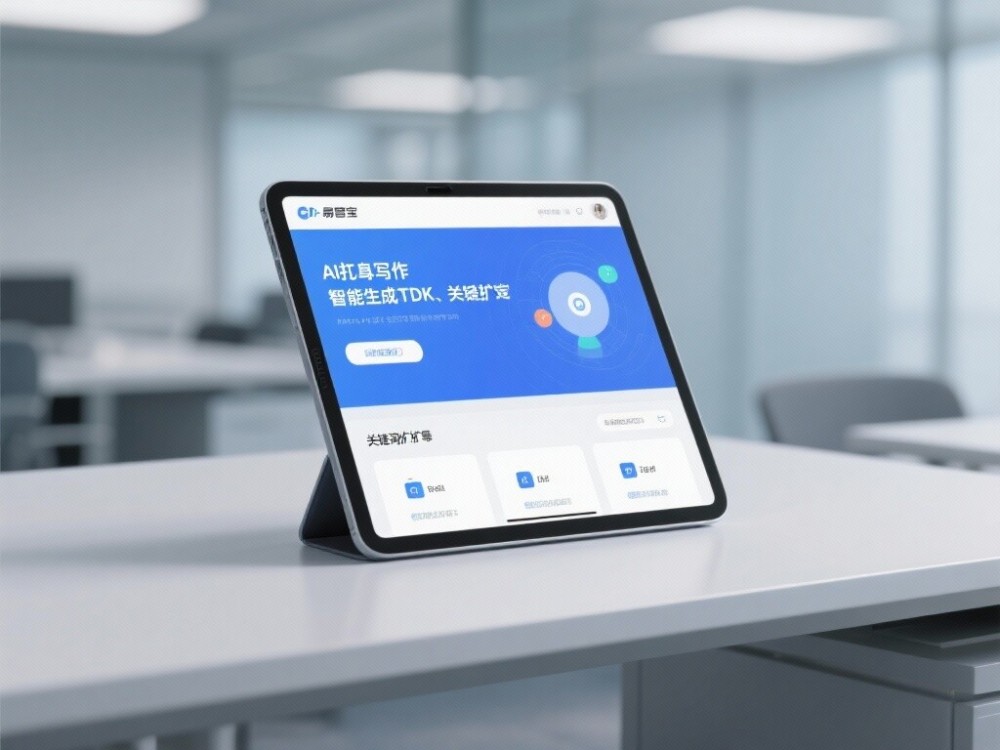
 AI+SEO Marketing SolutionEasyWin AI+SEO Marketing Solution leverages AI-powered batch content creation, intelligent TDK generation, and precise keyword expansion to comprehensively optimize website SEO performance, boosting traffic and conversion rates. Helps businesses build a highly efficient intelligent website ecosystem.
 AI+SEM Advertising & Marketing SolutionsAI+SEM advertising and marketing solution utilizes AI intelligent technology to deeply empower SEM advertising. Through AI intelligent generation of weekly/monthly reports, multi-dimensional presentation of account data, a comprehensive grasp of the effectiveness and trends of advertising, AI precise recommendation of keywords and countries, intelligent generation of high-conversion advertisement language, a key to start the efficient advertising program, helping enterprises to quickly acquire customers. At the same time, the system monitors the core indicators in real time, intelligently recognizes fluctuation abnormalities and warns them in time to ensure stable and high return of advertising effect.
 Domain Name ServicesEasy Operation provides professional domain services, including intelligent query, one-stop registration, brand protection, and full-cycle management, helping enterprises build a digital brand image.
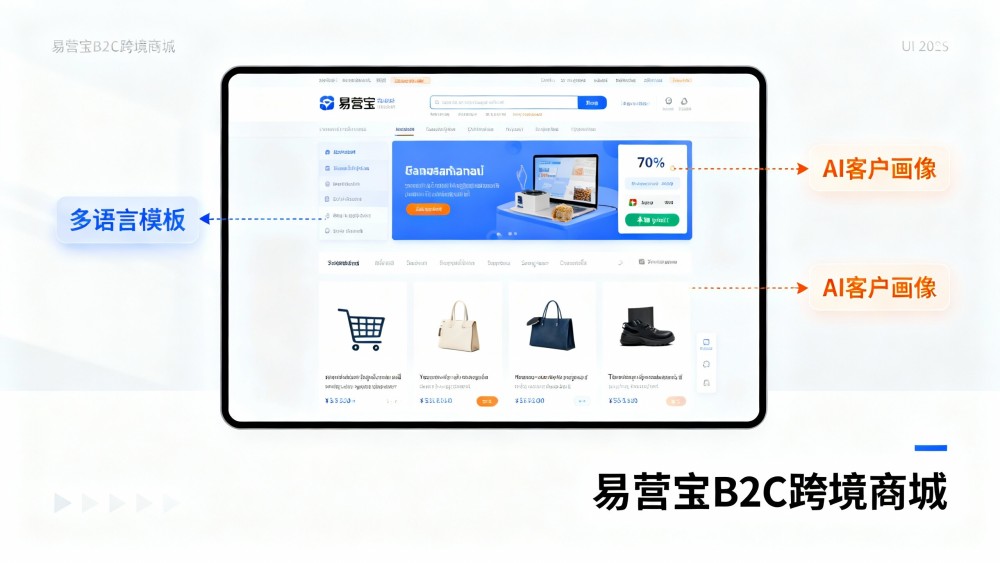
 EasyStore B2C Cross-border E-commerce Platform, Independent SiteEasyStore B2C Cross-border E-commerce Independent Store is an intelligent website building and cross-border e-commerce integrated solution independently developed by EasyStore Information Technology (Beijing) Co., Ltd. The system is specifically designed for small, medium, and large export enterprises, integrating 'website building, operation, marketing, advertising, and conversion' into one platform, helping businesses quickly establish cross-border e-commerce independent stores to achieve brand globalization and global sales growth.
The platform supports multiple languages, currencies, and multi-channel marketing, with built-in AI intelligent translation and SEO optimization systems, suitable for mainstream markets such as Southeast Asia, Europe & America, Latin America, and the Middle East, assisting Chinese manufacturing enterprises in efficiently deploying international e-commerce strategies. SSL CertificateEasyCert provides professional SSL security certificate services, including single-domain and wildcard certificates, ensuring encrypted data transmission, identity verification, and integrity protection for websites. This empowers businesses to establish secure and trustworthy online business environments.