









- Is Brand Globalization Marketing Consulting Worth Buying? At What Stage Should Companies Bring It InJul 01, 2026View details
- Cross-Border Marketing Trend Research: Why More and More Companies Are Starting to Deploy AI Search and GEO OptimizationJun 30, 2026View details
- Cross-Border Marketing Trend Research: How Independent Sites, AI Content, and Short-Video Customer Acquisition Are ChangingJun 30, 2026View details
- How Can a Brand Updates Page Be Made More SEO-Friendly? Analysis of Update Frequency, Content Structure, and Internal Linking StrategyJun 28, 2026View details
- What stages does the cross-border services ecosystem include? How do website building, promotion, payment, and compliance work togetherJun 22, 2026View details
- How will email marketing costs change in 2026Jun 22, 2026View details
- The China-US tariff arrangement has reached a preliminary consensus, and the trade association will be establishedJun 15, 2026View details
- Should overseas brand marketing start with ads or contentJun 21, 2026View details
Why is website loading speed so important, and how much does one second matter
Why is website loading speed so important? It not only affects user retention and conversions, but also directly impacts search rankings and brand trust. Even being slower by one second may lead to traffic loss. This article will combine common issues and solutions to help you quickly understand the value of speed optimization.
Why many companies underestimate the impact of website loading speed

For information researchers, why website loading speed is so important is often not a technical issue, but a business issue. In the very first second a visitor enters the page, they are already evaluating whether the company is professional, reliable, and worth continuing to engage with.
In integrated website + marketing service scenarios, speed does not only affect the experience of a single page, but also has a cascading impact on post-click ad engagement, the stability of organic search traffic, form conversion efficiency, and the brand’s first impression in overseas or cross-regional markets.
Especially for corporate websites, campaign landing pages, event pages, and multilingual official websites, if they load slowly, users may not complain, but they are very likely to close the page directly. Many companies think they do not have enough traffic, but in reality the problem often lies in the experience loss after visitors arrive on the site.
- User side: longer waiting time, higher bounce rate, lower reading depth, and weaker inquiry intent.
- Marketing side: ad budgets are consumed inefficiently, lead costs rise, and landing page quality declines.
- Search side: crawling efficiency drops, key pages perform unstably, and ranking competitiveness is affected.
- Brand side: page lag easily conveys a negative impression of outdated technology and loose operations and maintenance.
How much impact does one extra second really have: from traffic and conversions to search performance
If you want to answer why website loading speed is so important, the most direct way is to look at its chain reaction on key business metrics. Speed issues usually do not affect only one stage, but are amplified all the way from click to deal closing.
The table below is suitable for use during the information research stage, helping companies assess the real losses that one extra second may cause from an operational perspective, rather than staying only at the abstract level of “poor experience.”
It should be noted that the impact of one extra second cannot always be directly flagged in backend reports. It is more like a continuous leak: visits are still there, budgets are still being spent, but effective browsing, effective inquiries, and effective conversions are quietly decreasing.
Which scenarios are most likely to lose orders because of speed issues
Not all websites face the same speed risks. For integrated website + marketing service projects, the following scenarios are particularly sensitive to loading efficiency, and speed optimization often directly determines whether marketing investment can truly convert into leads.
Advertising landing pages
Users click in with clear needs, so their patience is at its lowest. If there are too many above-the-fold large images, form components, and tracking scripts loading at once, the conversion funnel will break at the very first step.
Corporate official websites accessed from multiple regions
When visitors are distributed across different cities or countries, server deployment, resource distribution, and cross-regional transmission will significantly affect the experience. Fast loading at headquarters locally does not mean access is also fast in the target market.
Content sections and case pages
These pages often carry the task of acquiring customers through search, but they are also the most likely to become slow due to oversized images, stacked modules, and redundant scripts. Search traffic may come in, but if reading does not go deeper, the value of the content cannot be realized.
Event pages and short-cycle campaign pages
When delivery timelines are tight, many companies prioritize visual effects and ignore code cleanliness and resource compression, resulting in pages going live quickly but loading slowly, ultimately dragging down the overall performance of the campaign.
Why is website loading speed so important? Which technical metrics should you focus on
When choosing a solution, information researchers should not only hear “we can optimize speed,” but also know what to evaluate. Speed issues usually involve multiple layers such as servers, front-end resources, images and videos, third-party scripts, and caching strategies.
The table below can serve as a basic evaluation checklist, helping companies build a clearer understanding of speed-related parameters before launching website building, redesign, or marketing projects.
If a company is advancing digital management, it often also pays attention to process efficiency and budget coordination, which does not conflict with the management logic of speed optimization. For example, when setting project investment priorities, you may refer to the methodology in Analysis of improved ideas for comprehensive budget management in manufacturing enterprises driven by strategy to help internally coordinate resource allocation and implementation rhythm.
What are the common causes? What companies most easily overlook is not technology, but methodology
Many companies do not fail to understand why website loading speed is important; rather, they are unclear about where the problem actually lies. Slow speed is often not caused by a single fault, but by the cumulative drag of multiple small issues.
- The visual elements on the homepage are too heavy, with large images, carousels, and animations stacked together, creating excessive above-the-fold loading pressure.
- Historical versions have been repeatedly iterated, leaving behind scripts, old plugins, and redundant styles that were not cleaned up in time.
- During website creation, too much emphasis was placed on design and too little on performance, with no planning for access paths and node layout for the target market.
- External code for advertising, analytics, customer service, maps, and more is stacked together, causing obvious page blocking.
- There is a lack of a continuous monitoring mechanism, and no one performs regular checks after launch, so issues are exposed collectively during marketing peak periods.
This is also why simply buying a template or compressing a few images cannot truly solve the problem. A truly effective solution requires considering website building, optimization, ad placement, and data monitoring within the same execution framework.
How to choose a more suitable speed optimization solution
The most common confusion for information researchers is not whether optimization is needed, but who should do it, to what extent, and how the budget can be spent more effectively. For companies, speed optimization should primarily serve business goals, rather than being treated as isolated technical patchwork.
Solutions suitable for new website projects
If the website is still in the planning stage, it is recommended to start designing from architecture, content, resource standards, and marketing engagement logic. This can reduce the cost of repeated rework later at the source, and is especially suitable for the simultaneous development of brand official websites and promotional websites.
Solutions suitable for existing website upgrades
If the website is already live and has stable traffic, the focus should be on diagnosing first and then optimizing in phases. Usually, the first priorities are above-the-fold content, scripts, images, and server response, followed by the gradual handling of section structure, caching strategies, and multi-device adaptation issues.
Solutions suitable for marketing campaign scenarios
Advertising landing pages place greater emphasis on both speed and conversion. You cannot look only at page scores, but must also check whether inquiry buttons, form submissions, and tracking analytics maintain stability. Excessively pursuing lightness may instead damage the integrity of marketing data.
Why integrated services are more suitable for solving the dual problems of speed and conversion
Why is website loading speed so important? Because it is never an isolated metric, but the result of the combined effect of traffic, content, ad placement, and conversion. Relying only on a single technical outsourcing provider can often fix part of the problem, but it is difficult to balance search, leads, and brand performance at the same time.
Since its establishment in 2013, Yiyingbao Information Technology (Beijing) Co., Ltd. has continuously built full-chain service capabilities around intelligent website building, SEO optimization, social media marketing, and advertising placement. For speed optimization, the company does not only focus on making pages load faster, but emphasizes alignment with business goals so that access performance serves customer acquisition growth.
Relying on AI- and big data-driven operational capabilities, as well as the dual-wheel strategy of “technological innovation + localized services,” the team can collaboratively evaluate access experience, conversion engagement, and traffic quality across different markets, different site types, and different promotion cycles, reducing communication loss for companies in multi-vendor collaboration.
- During the website building stage, page structure, resource standards, and access paths can be planned in advance to reduce subsequent performance burdens.
- During the optimization stage, search crawling, user experience, and advertising engagement can be considered simultaneously, rather than looking only at a single speed test result.
- During the operations stage, page performance can be continuously monitored, and script or traffic fluctuation issues caused by marketing nodes can be handled in a timely manner.
FAQ: the most frequently asked questions during the information research stage
Why is website loading speed so important? Does it only affect user experience?
It affects more than just experience. It also affects organic search performance, advertising landing page conversions, brand first impression, and lead acquisition cost. For companies that rely on online customer acquisition, speed issues often amplify overall marketing loss.
Should the solution start with speed testing first, or changing the server first?
It is recommended to diagnose first and then decide. This is because slowness may come from the server, but it may also come from images, scripts, plugins, or page structure. Replacing resources directly without diagnosis can easily increase costs without necessarily solving the core problem.
When the budget is limited, which parts should be optimized first?
Usually, priority should be given to above-the-fold loading, image resources, key scripts, and high-traffic pages. Fixing the parts that most affect bounce rate and conversion first, and then gradually expanding to the whole site, is a more stable and cost-effective approach.
How long does it take to see results from speed optimization?
Technical improvements are usually visible relatively quickly, but the impact on search and conversion needs to be observed continuously in combination with site traffic, content quality, and advertising conditions. Companies should pay more attention to trend changes rather than looking only at the result of a single test.
Why choose us: from speed diagnosis to growth implementation, providing executable solutions
If you are evaluating why website loading speed is so important and what solution should be adopted, it is recommended to focus on business outcomes rather than only on isolated technical terms. A truly valuable solution should answer four questions at the same time: speed, conversion, search, and delivery.
Yiyingbao Information Technology (Beijing) Co., Ltd. can provide speed diagnosis, page optimization recommendations, website architecture planning, SEO coordination strategies, and ad engagement solution planning for corporate official websites, marketing landing pages, and multilingual websites. If needed, you may also combine management-perspective materials such as Analysis of improved ideas for comprehensive budget management in manufacturing enterprises driven by strategy to further evaluate internal budget arrangements and project advancement priorities.
- You can consult on why the current website loads slowly and whether the issue is more related to the server, page resources, or external scripts.
- You can confirm the optimization priorities for different site types, such as brand official websites, campaign pages, event pages, or multi-region websites.
- You can discuss project delivery timelines, redesign risks, data tracking compatibility, and subsequent operation and maintenance arrangements.
- You can obtain phased optimization recommendations that better fit the budget, avoiding excessive one-time investment that cannot be implemented effectively.
For information researchers, speed optimization is not an extra cost, but an important foundation for reducing traffic waste, improving inquiry efficiency, and stabilizing search performance. If you are preparing to build a website, redesign, or run marketing campaigns, now is the right time to start the evaluation.
Related Articles
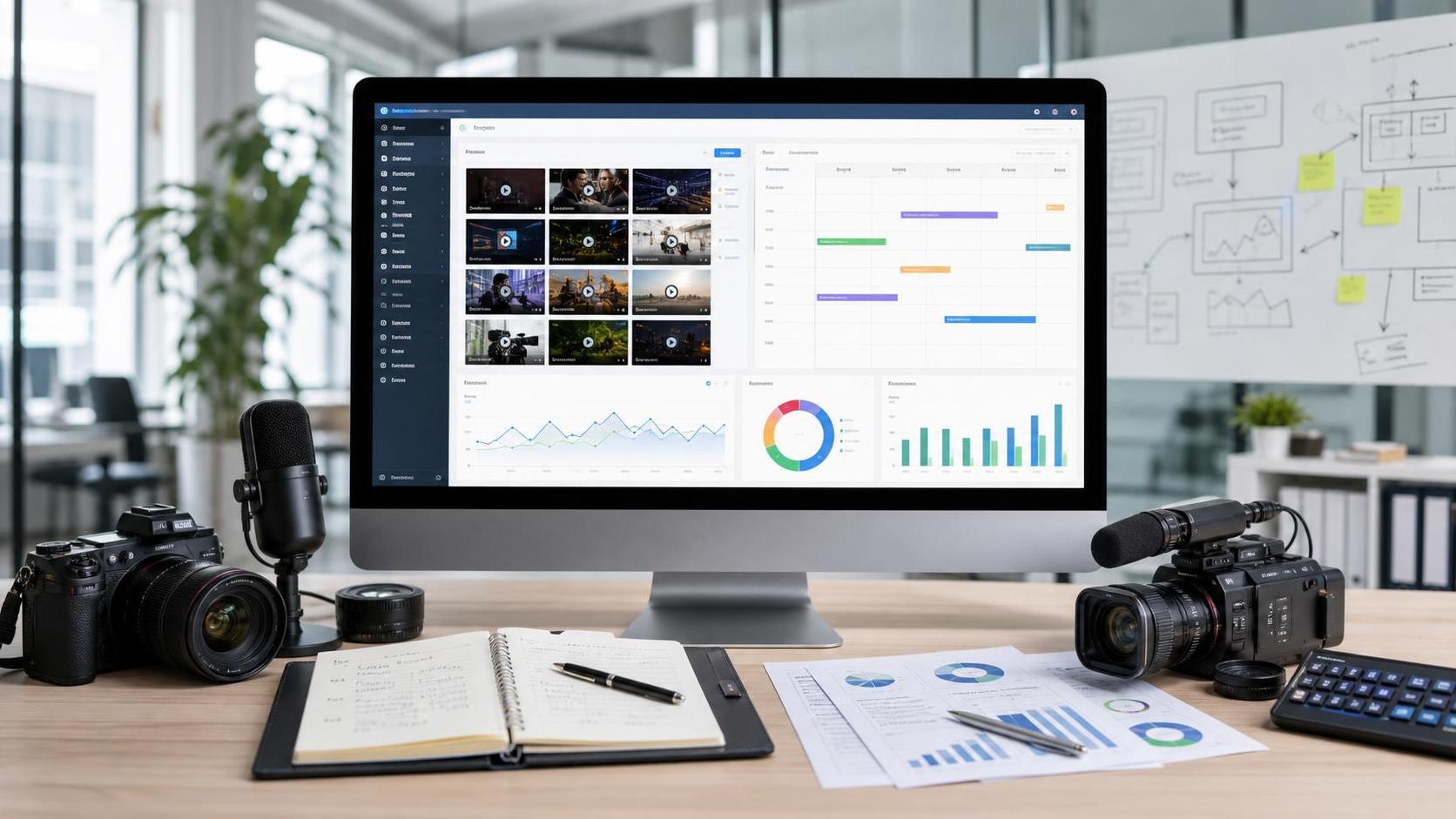
 How can video news content be made more suitable for SEO?Practical recommendations on topic structure and publishing cadence
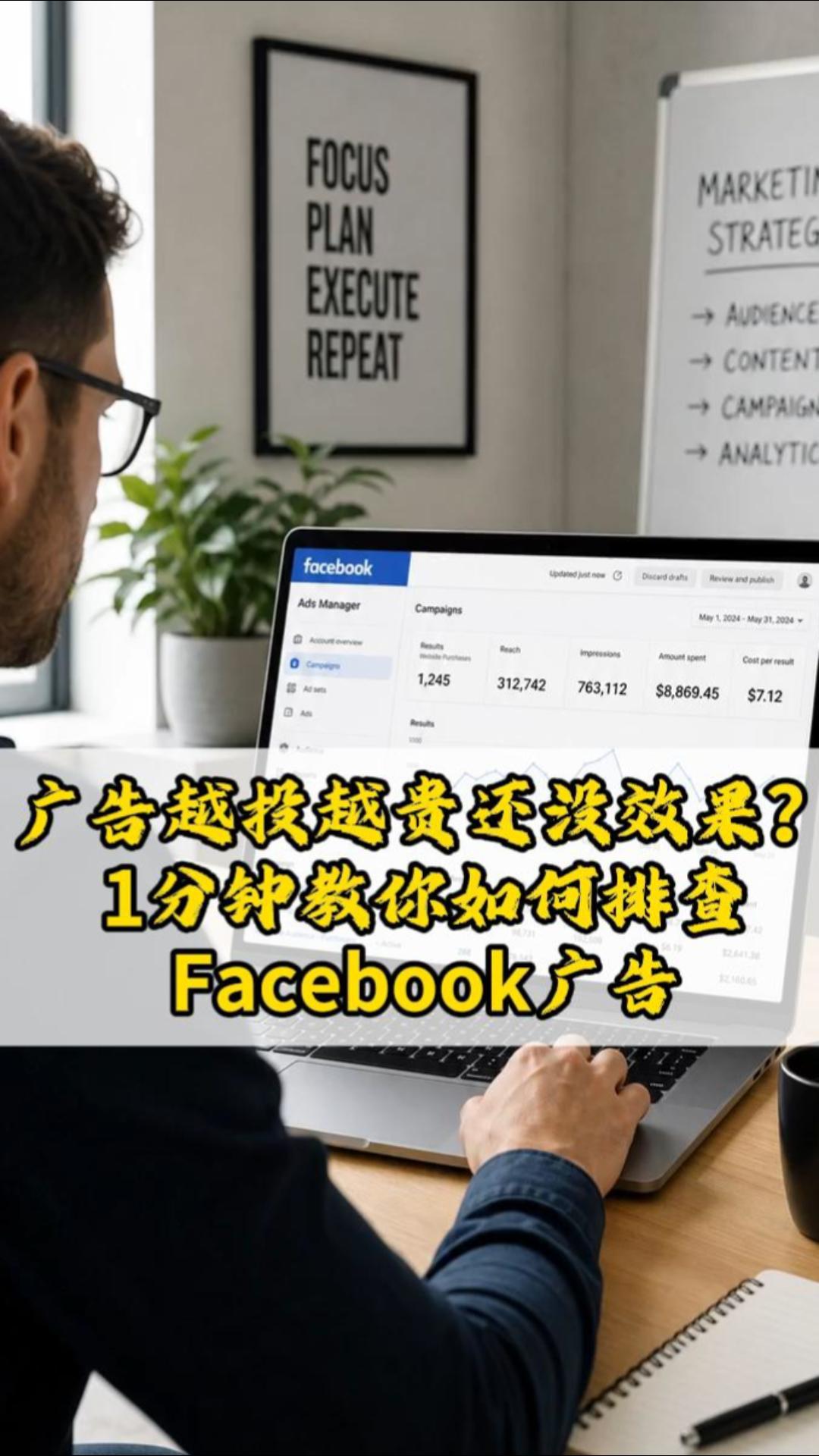
 Are your ads getting more expensive with no results?Learn how to troubleshoot Facebook ads in 1 minute
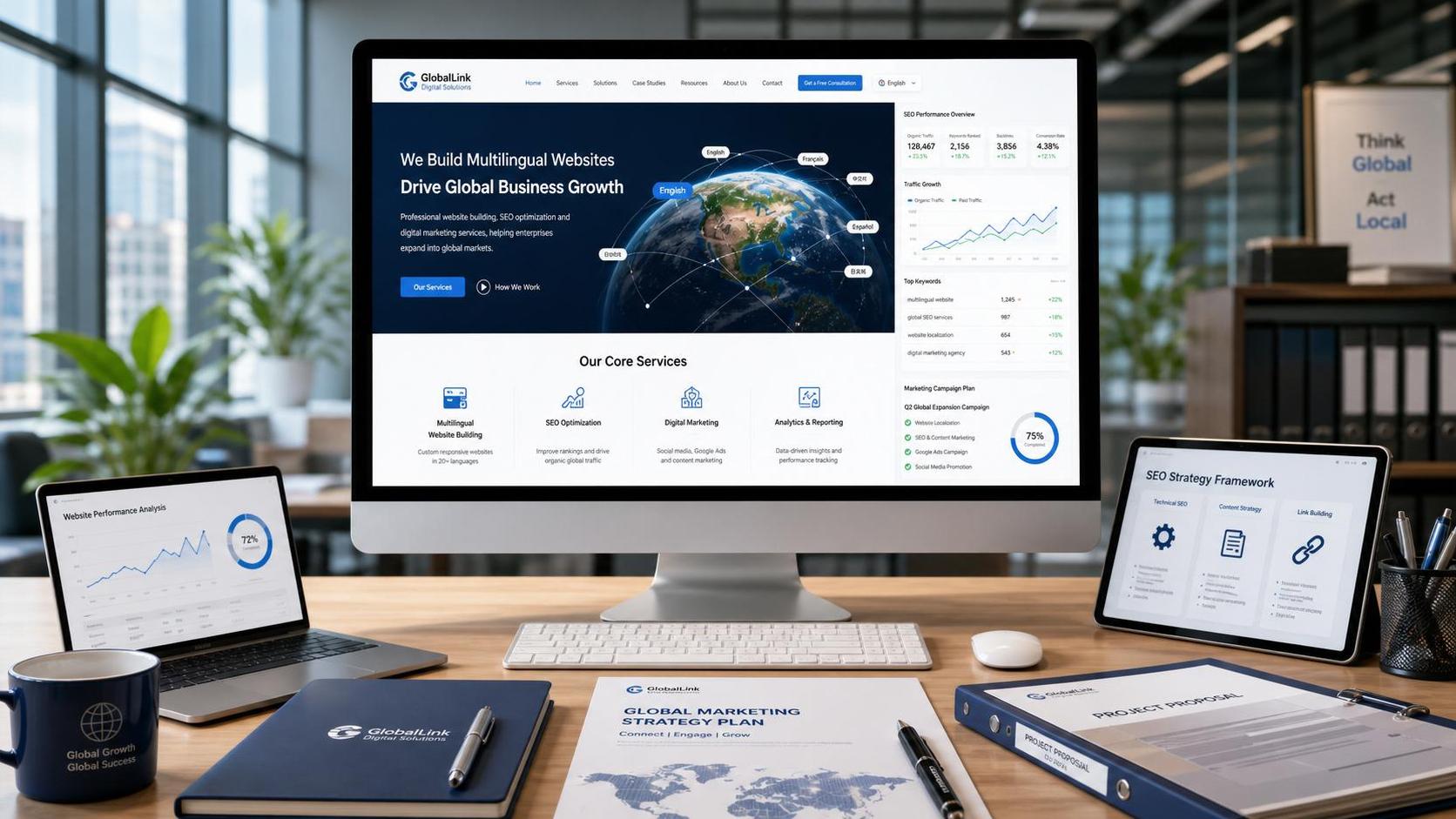
 Is Brand Globalization Marketing Consulting Worth Buying? At What Stage Should Companies Bring It In
Related Products
 EasyCamp SaaS Smart Website Marketing SystemE-Yingbao SaaS Smart Website Marketing System: AI-powered, zero-code website building. Rapidly launch multilingual independent e-commerce sites in just 10 minutes. Global server acceleration and AI-driven SEO optimization empower businesses to efficiently connect with global markets. The seamless integration of technology and user-friendly operation makes building e-commerce sites incredibly simple.
 AI+SEM Intelligent Advertising Marketing SystemAI+SEM drives intelligent ad creation, empowering full-funnel precision advertising marketing. The system automatically generates weekly/monthly reports, AI recommends keywords and target countries, monitors core metrics in real-time with intelligent alerts, and enables one-click high-conversion ad solutions to help quickly acquire customers and improve ROI.
 AI+SEO Dual Engine Optimization ServiceEasyWin AI+SEO Dual Engine Optimization System leverages AI-powered keyword mining, content generation, and comprehensive technical optimization to help foreign trade enterprises acquire high-quality organic traffic, significantly improving search rankings and conversion rates.
 AI+SNS Social Media Marketing SystemYingbao AI+SNS Social Media Marketing System - Precision social capture for the social media era. Supports one-click content synchronization across major platforms like Facebook and LinkedIn. AI intelligently rewrites posts for enhanced relevance. 24/7 AI customer service and user profiling analysis empower businesses to efficiently expand into global markets.
 AI+SEO营销解决方案易营宝AI+SEO营销解决方案,通过AI批量写作、智能生成TDK、精准关键词扩词等功能,全面优化网站SEO效果,提升流量与转化率。助力企业构建高效智能网站新生态。
 AI+SEM Advertising Marketing SolutionsAI+SEM Advertising Marketing Solution leverages AI technology to deeply empower SEM ad campaigns. It automatically generates weekly/monthly reports using AI, presenting account data across multiple dimensions for comprehensive insights into campaign performance and trends. The system precisely recommends keywords and target countries, intelligently generates high-conversion ad copy, and enables one-click activation of efficient campaign plans to help businesses rapidly acquire customers. Simultaneously, it monitors core metrics in real time, intelligently identifies abnormal fluctuations, and issues timely alerts to ensure stable, high-return advertising results.
 Domain Name ServicesEasyWin provides professional domain name services, including intelligent queries, one-stop registration, brand protection, and full lifecycle management, helping businesses build a digital brand image.
 EasyOperate B2C Cross-Border E-Commerce Platform & Independent WebsiteEasyStore B2C Cross-border E-commerce Independent Store is an intelligent website building and cross-border e-commerce integrated solution independently developed by EasyStore Information Technology (Beijing) Co., Ltd. The system is specially designed for small and medium-sized as well as large export enterprises, integrating 'website building, operation, marketing, advertising, and conversion' into one, helping enterprises quickly establish cross-border e-commerce independent stores to achieve brand globalization and global sales growth.
The platform supports multiple languages, multiple currencies, and multi-channel marketing, with built-in AI intelligent translation and SEO optimization systems, suitable for mainstream markets such as Southeast Asia, Europe and America, Latin America, and the Middle East, assisting Chinese manufacturing enterprises in efficiently deploying international e-commerce strategies. SSL证书易营宝提供专业SSL安全证书服务,包括单域名和泛域名证书,确保网站数据传输加密、身份验证和完整性保护,助力企业建立安全可信的在线业务环境。









