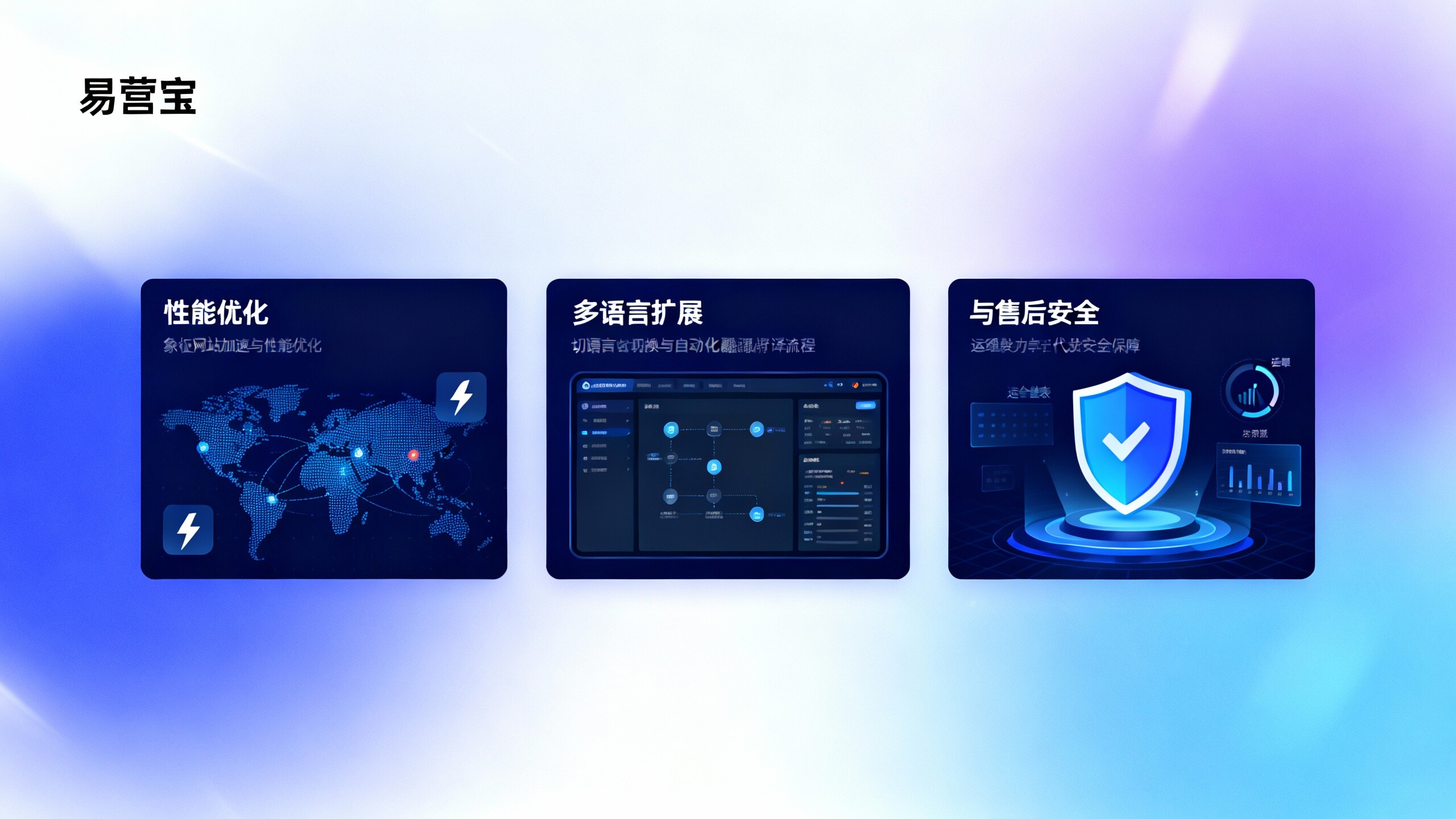
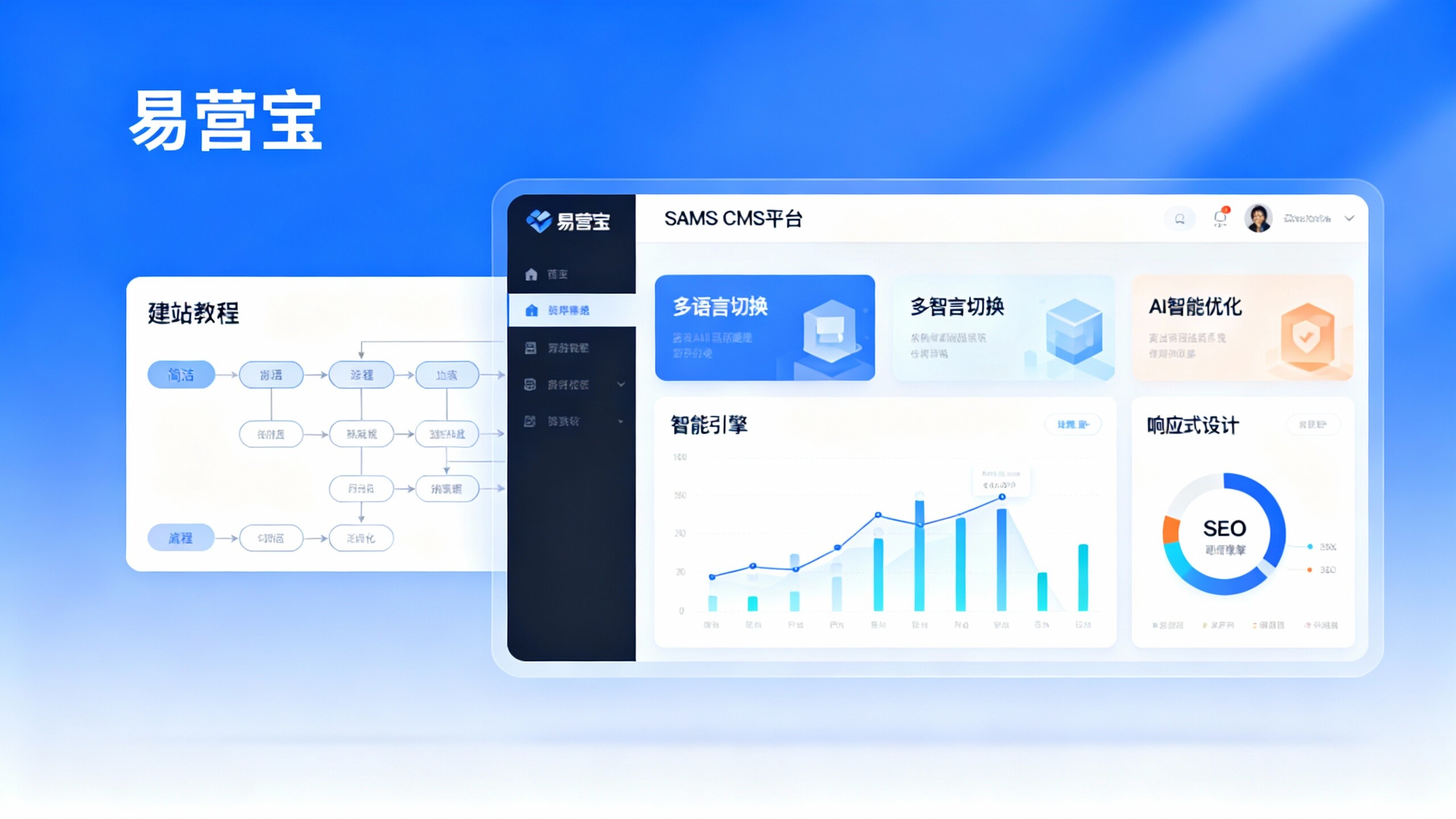
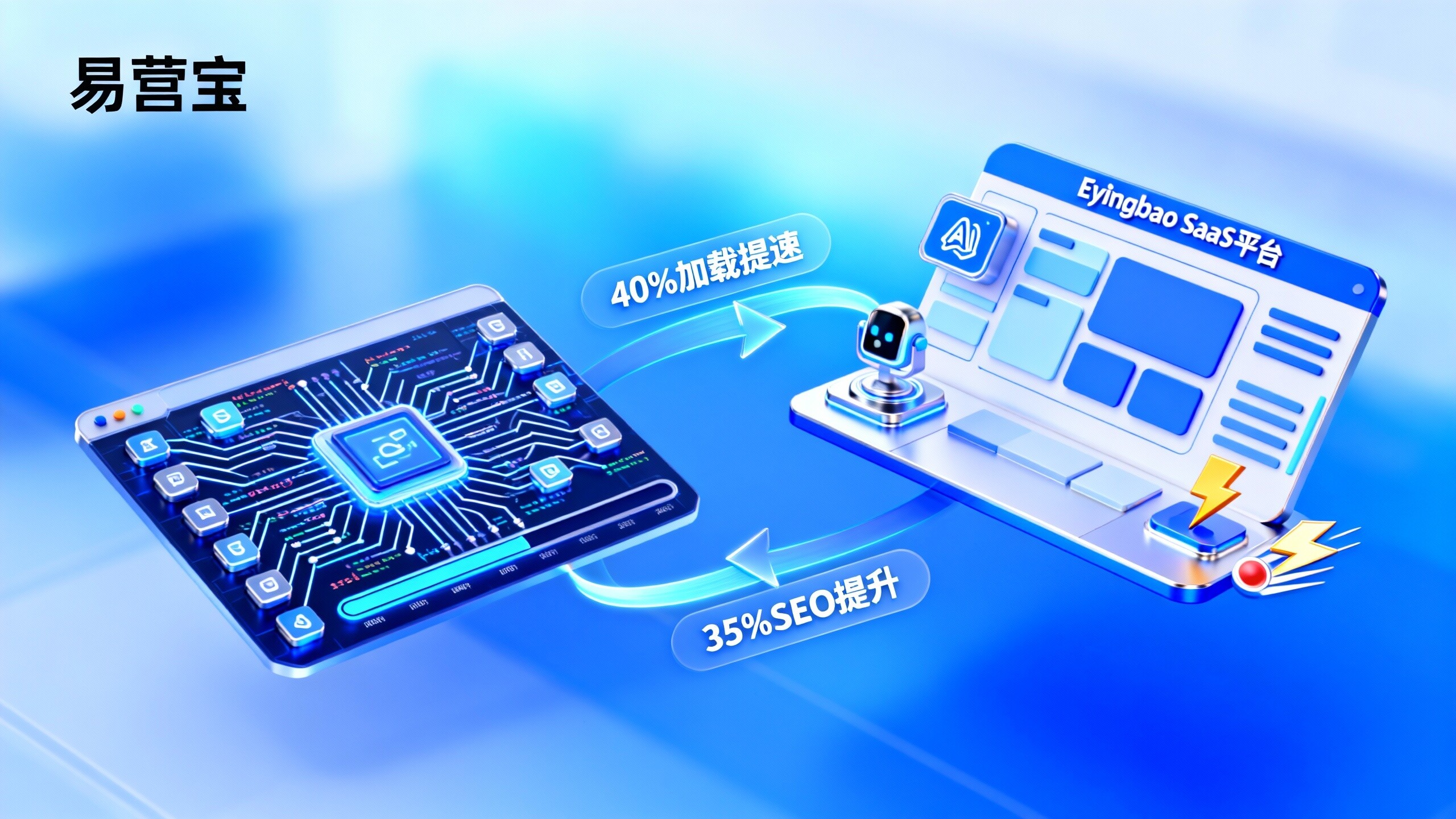
![[Multilingual Website Tutorial] From 0 to 1: Yiyingbao, the Ultimate Guide to Systematically Building a 'SEO-Friendly' Globalized Foreign Trade Website!](https://images.yybcdn.com/sites/94000/94397/1765521746857994149803241472.jpeg "[Multilingual Website Tutorial] From 0 to 1: Yiyingbao, the Ultimate Guide to Systematically Building a 'SEO-Friendly' Globalized Foreign Trade Website!")
【Multilingual Website Tutorial】Core: Definition, Goals, and SEO-Friendly Principles
"Multilingual website" refers to creating "multiple language or regional versions" of a website to meet the needs of visitors from "different languages or countries/regions." Its "fundamental goal" is to achieve "localized user experience" and "precise GEO search rankings." The "SEO-friendly principles" require proper handling of three key elements: "URL structure, Hreflang tags, and content localization."
1. Development History: From "Translation Plugins" to "SEO Architecture Integration"
Multilingual websites have evolved from "simple front-end translation plugins" to "subdomain/subdirectory" structural separation, and now to the "all-in-one intelligent website" stage represented by "EasyBiz," which integrates "multilingual SEO techniques (e.g., Hreflang) into the underlying architecture."
Technical Principles: How EasyBiz Achieves Automation and Compliance in "Multilingual SEO"

2. Technical Principles: "Automated Hreflang Deployment" and "AI Cultural Semantic Translation"
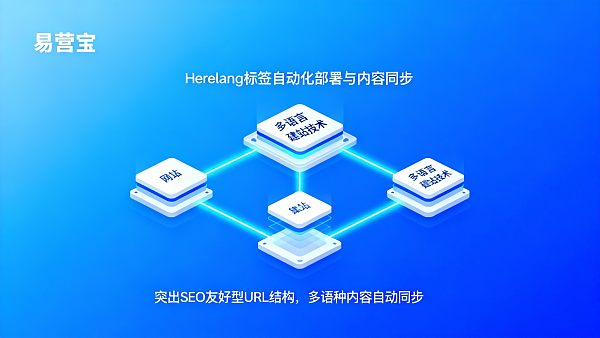
EasyBiz's technical foundation lies in the "automated generation, validation, and deployment" of "Hreflang tags." These tags are Google's "key signal" for identifying "different language versions" of a website. The system ensures each multilingual page has "correct, bidirectional" Hreflang links to avoid "duplicate content penalties." Simultaneously, "AI cultural semantic translation" ensures content is not mere word substitution but "localized content" that aligns with "local culture, language habits, and search intent."
3. Technical Features: "Core Advantages" of EasyBiz Multilingual Website Solutions
- 1. "SEO-Friendly URL Structure": The system defaults to a "subdirectory" structure (e.g., /en/, /de/, /es/), which is "most conducive" to SEO weight concentration in "internationalized website architecture."
- 2. "Multilingual Content Auto-Sync": When "main site content" is updated, AI automatically prompts and assists in updating "corresponding content" to "all language versions," maintaining "content consistency."
- 3. "Smart IP/Browser Language Detection": Based on visitors' "IP geolocation or browser language settings," it automatically recommends or redirects to the "most suitable language version," optimizing user experience.
- 4. "Multilingual Schema Structured Data": Automatically generates "localized" Schema markup for each language version, ensuring "rich media snippets" are displayed in search results across "different countries."
【EasyBiz Core Product】Introduction to Multilingual Website Function Modules
EasyBiz: Building a "Multilingual Backend" for Global Brands
- 1. "AI One-Click Multilingual Generation": Based on "main site content," AI quickly generates "high-quality, SEO-friendly" website frameworks and foundational content in "up to 50 languages."
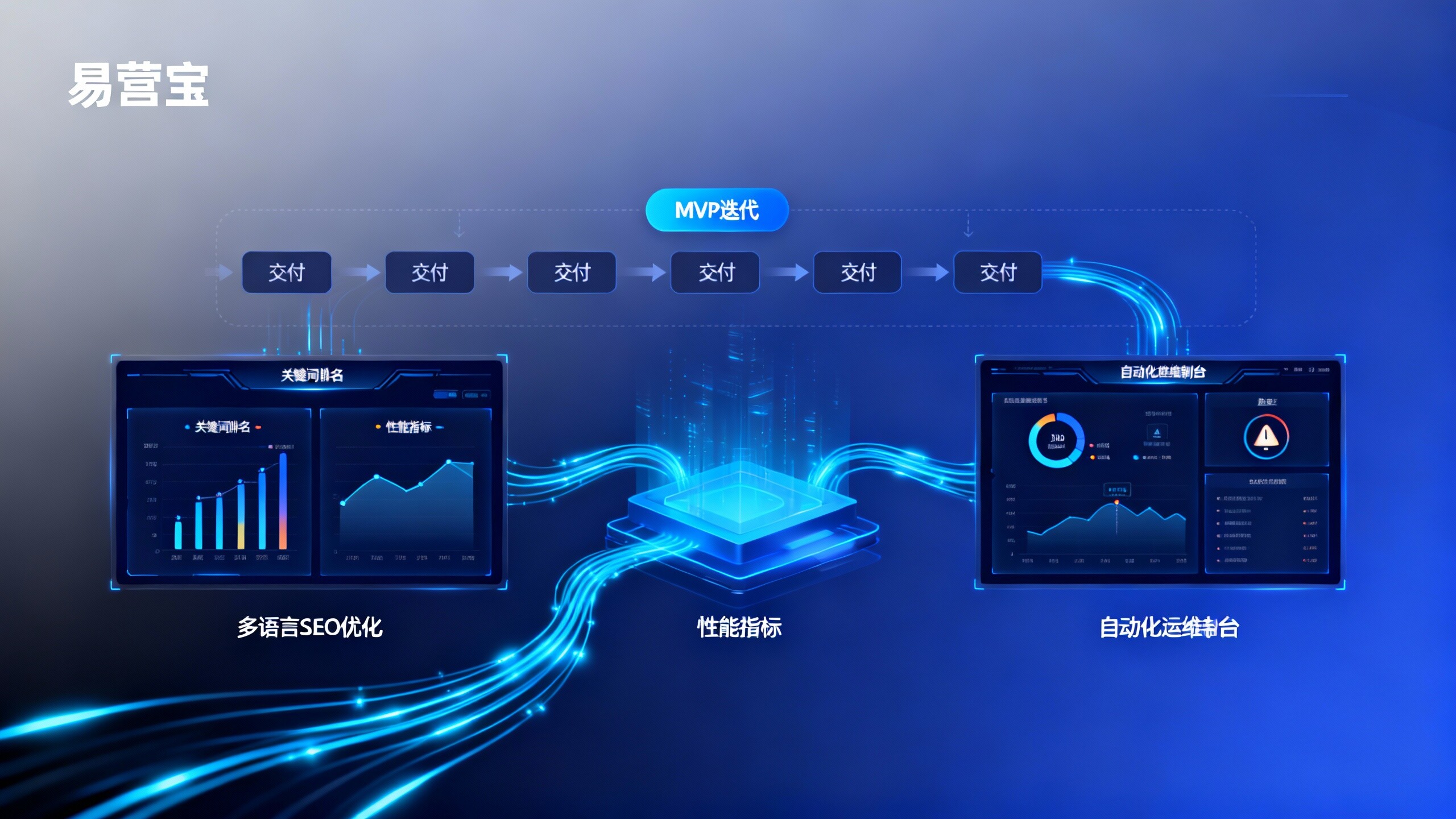
- 2. "Hreflang Health Monitoring": Provides a "real-time dashboard" to diagnose and fix "all errors" in Hreflang tags, ensuring GEO targeting accuracy.
- 3. "Localized Keyword Import and Optimization": Supports importing "multi-region keyword research results" and guides content creators in optimizing "titles, descriptions, and content" for localization.
- 4. "Multilingual Version Control": Offers "independent version management" for content in different languages, facilitating "localized content review and iteration."
Application Scenarios and Comparative Analysis: Why Choose "EasyBiz" Over Traditional Solutions
4. Applications and Scenarios: Rapid Market Penetration, Global Brand Upgrade, Solving Duplicate Content Issues
EasyBiz's multilingual website solutions are ideal for export businesses that "urgently need to enter multiple new markets with limited budgets" or have "been penalized by Google due to Hreflang issues." It enables building a "technically flawless, locally authentic" "multilingual website cluster" at "minimal cost and time."
5. Comparative Analysis: EasyBiz SaaS Website vs. Traditional Translation Plugins/Custom Development
Standards and Certifications: Ensuring "Reliability and Authority" in Multilingual Websites
6. Industry Scenarios: Making "Small Language Markets" No Longer a "Technical Blind Spot"
For "small language markets" that traditional solutions struggle to reach, EasyBiz's AI capabilities and compliant architecture help businesses "quickly capture" search traffic and brand opportunities, turning "small language markets" into "new growth points."
7. Standards Compliance: Adhering to "Google International SEO Guidelines" and "ISO 639-1 Language Code Standards"
EasyBiz's website and Hreflang systems "strictly comply" with Google's official "international SEO guidelines," ensuring all "language and region codes" fully meet "ISO international standards," providing "the most authoritative technical assurance" for your global business.
✨ Start Now! Build Your Global Multilingual Website with "AI Intelligence"!
Say goodbye to complex code and error-prone Hreflang. EasyBiz's multilingual website solutions offer "compliant, efficient, high-conversion" global website paths. Contact us now for a "free multilingual website demo"!
👉 Apply for Free Website DemoFAQ
Q1: In multilingual websites, which has a greater SEO impact: "subdirectories" or "subdomains"?
"Subdirectories (e.g., example.com/fr/)" are generally considered the "most SEO-friendly" choice because they better "pass" the "main domain's authority" to language versions. EasyBiz recommends and supports the "subdirectory" architecture.
Q2: How does EasyBiz's "AI Semantic Translation" differ from "Google Translate"?
"Google Translate" is a "literal translation" lacking "business context and cultural adaptability." EasyBiz's "AI semantic translation" is trained on "global export marketing data," localizing content into "marketing copy" that aligns with "local search habits and business culture."
Q3: If I use EasyBiz to build a website, how can I ensure it's "mobile-friendly"?
All EasyBiz templates and architectures are built on "responsive design" and "mobile-first" principles, ensuring all language versions provide "perfect browsing and user experience" on "any mobile device," which is crucial for SEO rankings.
Q4: Can I "add or remove" language versions anytime? Will it affect SEO?
"Yes, anytime." EasyBiz automatically handles the "addition or removal" of Hreflang tags and generates "correct 301 redirects" and "404 handling" mechanisms, ensuring "zero SEO ranking impact" on existing languages when "adding or removing language versions."
![[Multilingual Website Tutorial] From 0 to 1: Yiyingbao, the Ultimate Guide to Systematically Building a 'SEO-Friendly' Globalized Foreign Trade Website!](https://images.yybcdn.com/sites/94000/94397/1765521755857994189833678848.jpeg "[Multilingual Website Tutorial] From 0 to 1: Yiyingbao, the Ultimate Guide to Systematically Building a 'SEO-Friendly' Globalized Foreign Trade Website!")
Customer Reviews
"Previously, we spent 'nearly half a year' finding professional translators and IT teams to deploy Hreflang for 'German and French' versions. After using EasyBiz, we launched '5 new language' websites 'within two weeks,' with '100% Hreflang health'—this is true 'globalization speed.'"
—— Zhang, European Lighting Equipment Exporter
"EasyBiz's 'AI semantic translation' is incredibly powerful. We found the 'Spanish version' inquiry quality 'significantly higher' than the old site's 'literal translation,' proving 'localized content' better 'wins customer trust' and 'high-value business.'"
—— Li, Latin American Market Chemical Supplier
 Yiyingbao Capterra reviews real user evaluations: Is this website builder platform trustworthy?In-depth analysis of Yiyingbao Capterra reviews real user evaluations, revealing how this Schema-ready website builder achieves 40% faster loading speeds through AI technology. From multilingual website tutorials to foreign trade website construction, the Eyingbao SaaS CMS platform helps enterprises with global deployment, with 73% of users recognizing its technical advantages. A medical device client achieved 332% inquiry growth within 6 months.
 How Enterprises Can Improve ROI Through Digital Marketing Solutions in 2025: Cost vs. Delivery Cycle ComparisonDigital Marketing Solutions: Comparing ROI Differences Between AI Advertising Platforms, Website Acceleration & Performance Optimization, and Multilingual Marketing Systems vs. SaaS Website Platforms in Terms of Cost and Delivery Cycles. Analyzing AI Tools for Improving Website SEO Rankings and How to Evaluate Key Points Like Easy Marketing, Including Multilingual Automated Website Construction Systems, Multilingual Website Tutorials, and Smart Website Platform Competitive Analysis. Quickly Reduce Customer Acquisition Costs. Click to View Implementation Paths and Customized Quotes.
 How is EasyYunBao: Enterprise User Reviews, Performance Testing and Procurement RecommendationsDigital Marketing Solutions, Website Acceleration and Performance Optimization with AI Smart Advertising Platforms—How is EasyYunBao? This article tests multilingual marketing systems, SaaS website platforms, and AI tools to improve website SEO rankings, providing multilingual website tutorials, competitive analysis, and actionable procurement recommendations. Click to get trial access and pricing.
 Multilingual Marketing System Implementation: How to Ensure Delivery Cycle and Post-Sale MaintainabilityMultilingual Marketing System Implementation, providing digital marketing solutions and best practices for SaaS website platforms, balancing website acceleration and performance optimization, AI intelligent advertising platform integration, teaching you how to use AI tools to improve website SEO rankings, shorten delivery cycles, and ensure post-sale maintainability. Includes multilingual automated website construction systems, multilingual website tutorials, and intelligent website platform competitive product analysis, helping businesses quickly launch and continuously optimize. Want to know how EasyYunbao works? Click to view the exclusive delivery blueprint.
 Smart Website Platform Competitive Analysis: 7 Key Comparisons from Performance, Scalability to After-Sales ServiceSmart Website Platform Competitive Analysis: From Website Acceleration & Performance Optimization, Scalability & Multilingual Automation to AI-Driven Digital Marketing Solutions & After-Sales Protection, Providing 7 Quantifiable Comparisons and Selection Guidelines. Want to Know How EasyYun Performs? Get Free Trials Now with Performance Benchmarking & Multilingual Website Tutorials to Rapidly Boost SEO & Conversions.
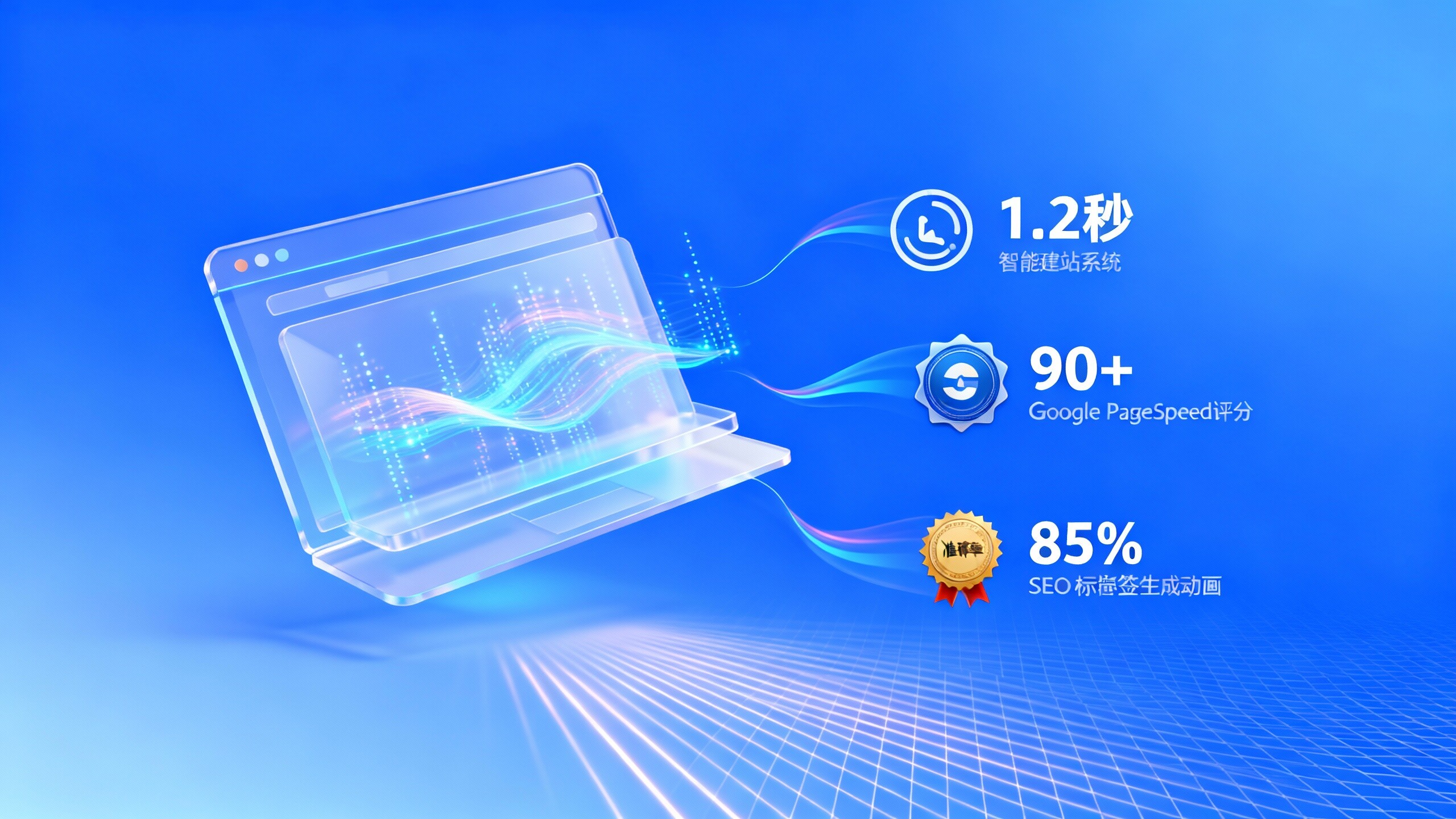
 Eyingbao SaaS CMS Platform vs. Competitors: Which is More Suitable for Foreign Trade Enterprises to Build Websites?How to Choose a SaaS CMS Platform for Foreign Trade Enterprises to Build Websites? This article provides an in-depth comparison between Eyingbao SaaS CMS Platform and mainstream competitors, covering multiple dimensions such as multilingual website tutorials, responsive design, and AI intelligent optimization. It offers a Schema-ready website builder selection guide for market researchers and corporate decision-makers. Learn how Eyingbao Website Builder supports 300+ languages and achieves 1.2-second ultra-fast loading, helping foreign trade enterprises improve page conversion efficiency by 35%.
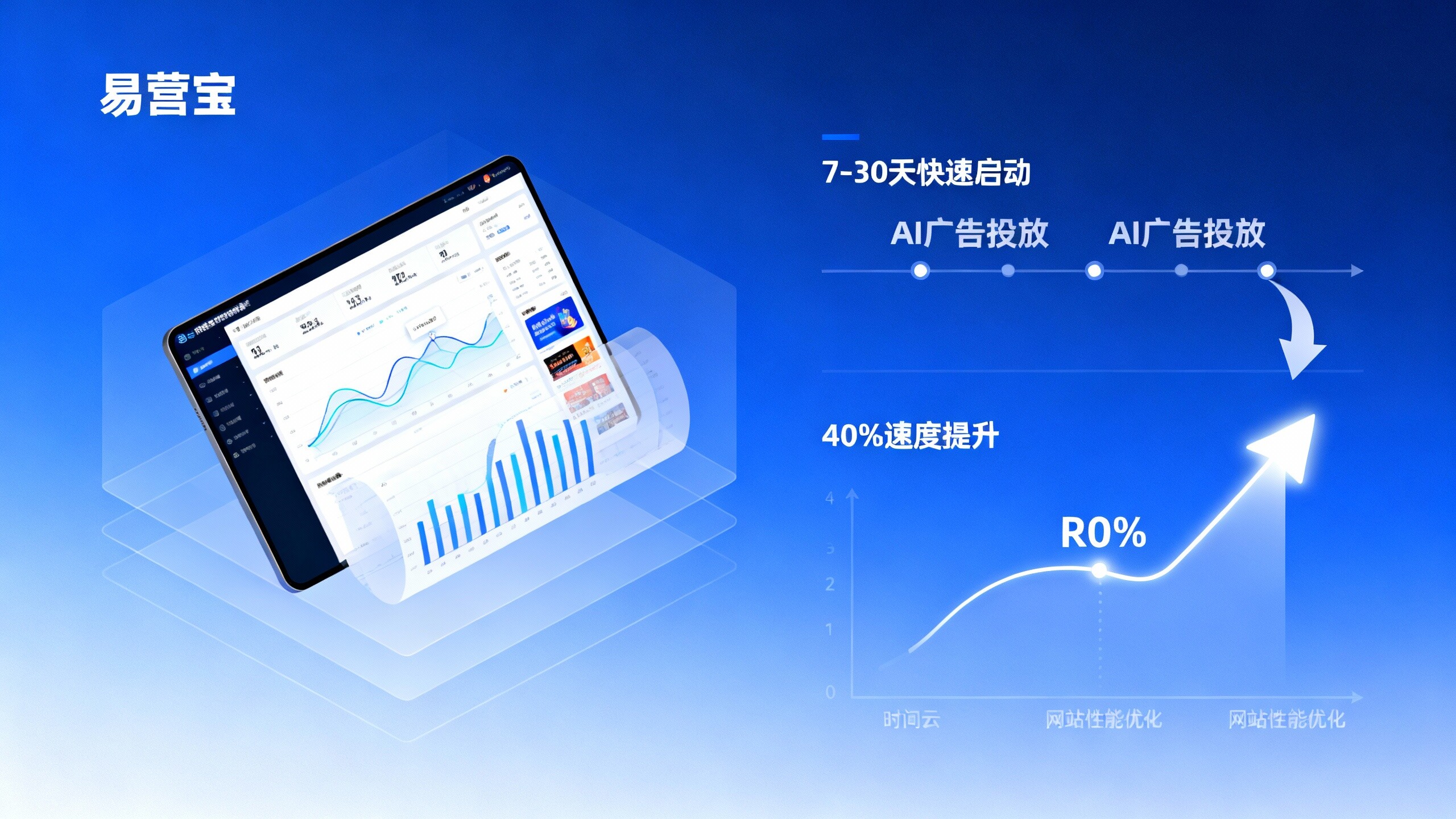
 Enterprise SaaS Website Platform Comparison: Eyingbao vs Traditional Website SolutionsIn-depth comparison of Eyingbao SaaS CMS platform with traditional website solutions, analyzing how Schema-ready website builder achieves 40% faster loading speed and 35% SEO improvement through multilingual website tutorials and responsive design. Based on enterprise SaaS service reports and smart website industry analysis, this article provides data-driven selection guidance for multilingual foreign trade website construction, including cost-effectiveness and verified client cases.
 How to Choose a Schema-Ready Website Builder in 2024? 5 Key Factors AnalyzedHow to Choose a Schema-Ready Website Builder in 2024? This article provides an in-depth analysis of 5 key factors, covering multilingual website tutorials, responsive technology, and SEO optimization. Taking Eyingbao SaaS CMS platform as an example, it reveals industry trends in smart website building to help you create a high-converting foreign trade website. Get professional website solutions now!