- توصلت ترتيبات الرسوم الجمركية بين الصين والولايات المتحدة إلى توافق إيجابي، وسيتم إنشاء مجلس التجارة15-06-2026عرض التفاصيل
- ما الذي يحدد تكلفة تطوير متجر B2C عبر الحدود؟ تحليل الوظائف وواجهات الربط ونمط النشر17-06-2026عرض التفاصيل
- العبور غير الجمركي الصيني المغربي، وتراجع تكلفة تصدير المنتجات المغربية إلى الصين11-06-2026عرض التفاصيل
- ما هي الإشارة التنفيذية التي يتم إطلاقها مؤقتًا بشأن تصدير الأسماك إلى اليابان10-06-2026عرض التفاصيل
- واردات الصين من LNG في مايو ترتفع مجددًا، وروسيا وكندا تزيدان الإمدادات لتعويض النقص في الشرق الأوسط10-06-2026عرض التفاصيل
- هل ستغير شركة GEO استراتيجيتها في تحسين محركات البحث؟04-06-2026عرض التفاصيل
كيف نجعل تحسين الفهرسة في Google أكثر فعالية؟ من الزحف، والفهرسة إلى فحص جودة الصفحة خطوة بخطوة
Google optimization is often misunderstood as “the result after submitting links,” but in actual evaluation, the problem often lies in the crawl path earlier, or in the page quality assessment later. For businesses that rely on overseas independent sites to acquire customers, indexing is not a single action, but the result of the coordination of website architecture, content strategy, and marketing systems.
Especially in the scenario of website construction and integrated marketing services, indexing efficiency directly affects natural traffic accumulation, ad landing page support, and the stability of subsequent conversion paths.
First, understand on which layer the indexing problem occurs

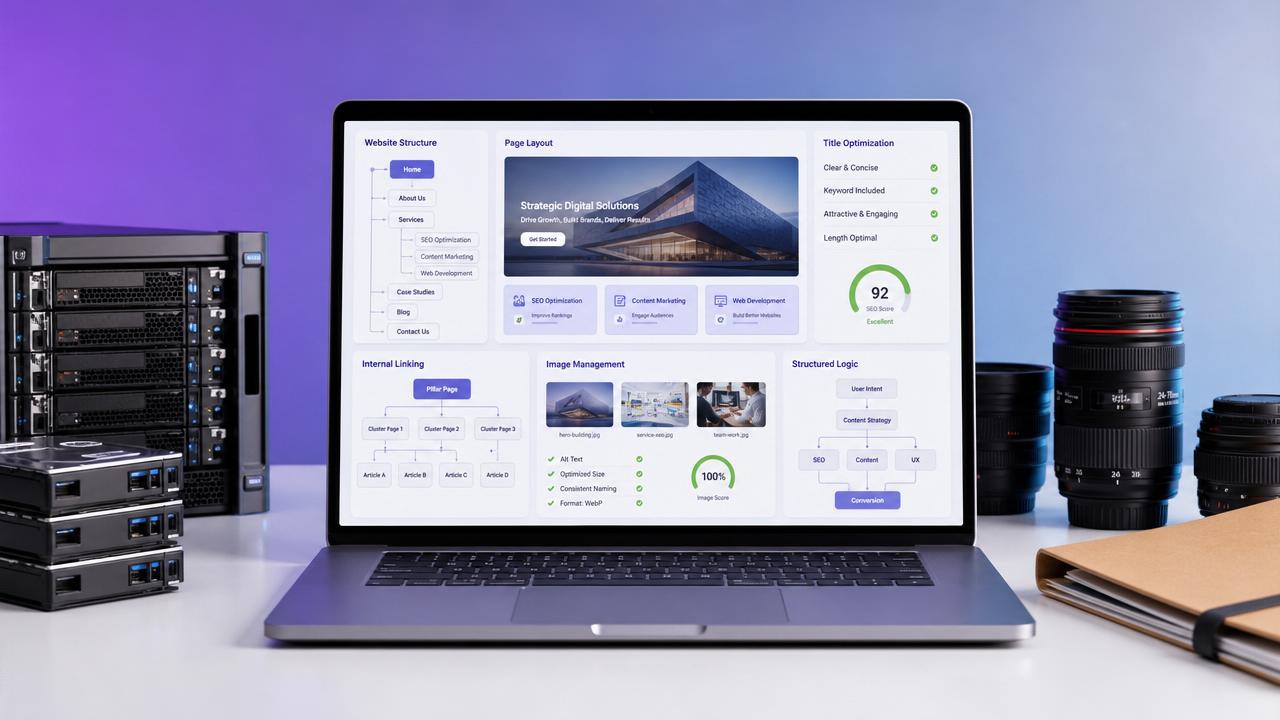
The core of Google indexing optimization is not simply pursuing the number of pages, but confirming whether the page can be discovered, whether it can enter the index, and whether it is worth retaining after entering the index. In simple terms, crawl, index, and quality evaluation are three continuous stages; if any layer is blocked, it will show up as “page not indexed” or “indexed and then disappeared.”
From a technical troubleshooting perspective, first distinguish between “Google did not come to crawl” and “crawled but not entered the index,” then determine “why it is not steadily displayed after being indexed.” The advantage of doing this is avoiding repeated changes to titles and stacking content, while overlooking the real bottleneck.
Corresponding layers of common issues
Crawl efficiency determines the starting point of indexing optimization
The first step in Google indexing optimization is usually not to rewrite copy, but to confirm whether the search engine can visit the site at a low cost and stably. A website with a messy structure, too-deep jump levels, or an overload of parameter pages will consume a large amount of crawl budget even if the content is good.
For multilingual official websites, cross-border stores, and landing pages that exist in parallel, a unified crawl logic is even more necessary. The more pages there are, the less they should rely on manual submission page by page; instead, they should depend on a clear directory structure, a standardized sitemap, and an effective internal link network.
Technical points to check first
- Whether robots settings are blocking directories, scripts, or image resources by mistake.
- Whether the response codes are stable, and whether there are large numbers of 302, 404, or soft 404.
- Whether canonical links are consistent, avoiding multiple URLs for the same page.
- Whether the sitemap only submits valid URLs and is updated regularly.
- Whether important pages can be reached within three clicks, avoiding deep orphan pages.
In actual implementation, the reason why Yiyingbao and similar AI-driven website building and marketing platforms place greater emphasis on the underlying structure is that indexing results and subsequent SEO and ad placement are not separate. Only when a page can be crawled can it talk about being indexable; only when it is indexable can the subsequent content strategy have a foothold.
Indexing status is not just “indexed or not,” but “why it has not entered the index”
Many sites see “Crawled - currently not indexed” in Search Console and rush to keep submitting links. In fact, this is more like a quality filtering signal. Google has already visited the page, but has not yet decided that it is worth occupying index resources.
At this point, the focus of Google indexing optimization should shift from “making it seen” to “making it understand its value.” If the page only changes a few keywords, the main information highly overlaps with same-site content, or a large number of template pages differ only by model number, the improvement in indexing usually will not be obvious.
Signals most easily ignored at the indexing layer
- The title, body, and search intent do not match, and the page topic is vague.
- Producing large batches of similar pages, but lacking differentiated information.
- Pagination, filters, and parameter pages are not standardized.
- Multilingual versions interfere with each other, and the regional targeting relationship is unclear.
This is also why, during technical evaluation, you cannot only check server logs, but must also combine them with the content model. Especially in high-volume SKU scenarios, the page count is not the more the better; the clearer the structure, the easier it is to obtain indexing opportunities.
Page quality is the key to whether Google indexing optimization can remain stable
After Google indexing optimization enters the third layer, the focus shifts from “whether there are pages” to “whether the pages are worth keeping for the long term.” Here, quality is not only originality, but also completeness of information, professionalism, readability, and user experience.
For foreign trade websites, cross-border stores, and B2B inquiry sites, an indexable page usually has several common characteristics: a clear topic, a clear structure, sufficient evidence, stable loading, and the ability to answer the questions visitors truly want confirmed.
Quality evaluation can be viewed like this
Using electronic component websites as an example, for high-volume model displays, if they only rely on a list of names, it is usually not conducive to indexing, nor to conversion. A more effective approach is to connect categories, parameters, application descriptions, and related content. Abilities like electronic components industry solutions lie in using intelligent categorization and parameterized display to make high-volume product pages differentiated in structure and more efficient for retrieval, while improving user experience and reducing low-quality duplicate pages.
An integrated website and marketing system is more suitable for sustained indexing
The reason indexing problems keep recurring is often not that a certain page was made wrong, but that website construction, content generation, landing page placement, and SEO strategy are fragmented from one another. Pages go online today, are revised tomorrow, and the URL changes again the day after tomorrow; crawl records and authority signals will be constantly interrupted.
From industry practice, platforms like Yiyingbao, which serve long-term foreign trade enterprises and brand going-global businesses, place more emphasis on establishing “promotable, indexable, and convertible” at the same time. In other words, when building a site, search structure is considered; when doing multilingual work, regional adaptation is considered; when producing content, AI is combined with manual review, avoiding later rework at high cost to make up for indexing issues.
This approach is especially important for Google indexing optimization. Because indexing is not an isolated metric; it affects the pace of natural traffic growth, the trust level of ad pages, the discoverability of brand sites, and content visibility in AI search scenarios.
The order of troubleshooting is more important than technique
If you want to improve Google indexing optimization efficiency, it is recommended to first establish a fixed judgment sequence, rather than changing whatever is not indexed. A clear sequence reduces ineffective actions.
- First check crawl: look at logs, response codes, robots, sitemap, and internal link structure.
- Then check indexing: compare pages that were crawled but not indexed, and find duplication and standardization issues.
- Then evaluate quality: check content depth, template duplication, and page experience.
- Finally check coordination: confirm whether the website, content, and landing pages use consistent logic.
If the site is still in the expansion stage, it is better to first close the indexing loop for high-value pages than to pursue a sitewide one-time rollout that is more stable. Get the category pages, core product pages, and key solution pages running first, then replicate the successful model; the overall quality will be easier to control.
At the end of the day, Google indexing optimization is not a single SEO action, but a judgment method that starts from technology and goes all the way to underlying content. First clear the bottlenecks, then decide whether to repair structure, adjust indexing, or supplement page value; this is usually more effective than repeatedly submitting links. If you want to evaluate the current status of a site next, you can first extract a batch of unindexed pages and build a checklist according to the three dimensions of crawl, index, and quality; many problems will surface faster than imagined.
مقالات ذات صلة


منتجات ذات صلة
 EasyCamp SaaS نظام ذكي لبناء المواقع الإلكترونية والتسويقنظام التسويق الذكي للمواقع الإلكترونية E-Yingbao SaaS: إنشاء مواقع إلكترونية بدون كتابة أكواد برمجية وبواسطة الذكاء الاصطناعي. أنشئ مواقع تجارة إلكترونية مستقلة متعددة اللغات في غضون 10 دقائق فقط. تسريع الخادم العالمي وتحسين محركات البحث بواسطة الذكاء الاصطناعي يمكّن الشركات من التواصل بفعالية مع الأسواق العالمية. الاندماج السلس بين التكنولوجيا والتشغيل السهل يجعل تطوير مواقع التجارة الإلكترونية أمرًا في غاية البساطة.
 خدمة تحسين نظام AI + SEO المزدوجنظام تحسين Yi Ying Bao AI + SEO المزدوج، من خلال استخراج الكلمات الرئيسية الذكية بواسطة الذكاء الاصطناعي، وإنشاء المحتوى والتحسين التقني الشامل، لمساعدة شركات التجارة الخارجية في الحصول على حركة مرور طبيعية عالية الجودة، وتحسين ترتيب البحث ومعدل التحويل بشكل ملحوظ.
 نظام ذكاء الإعلانات AI+SEM للتسويقيقود AI+SEM الإعلانات الذكية، ويمكّن التسويق الدقيق للإعلانات عبر سلسلة كاملة. يولد النظام تلقائيًا تقارير أسبوعية/شهرية، ويوصي AI بالكلمات الرئيسية والبلدان المستهدفة، ويراقب المؤشرات الأساسية في الوقت الفعلي مع تنبيهات ذكية، ويطلق خطة إعلانية عالية التحويل بنقرة واحدة، مما يساعد على اكتساب عملاء سريعًا وتحسين عائد الاستثمار.
 نظام التسويق عبر وسائل التواصل الاجتماعي AI+SNSنظام التسويق الذكي Yingyingbao AI+SNS Social Media - التقاط دقيق للوسائط الاجتماعية في عصر وسائل التواصل الاجتماعي. يدعم مزامنة المحتوى بنقرة واحدة عبر المنصات الرئيسية بما في ذلك Facebook و LinkedIn. تعزز إعادة كتابة المنشورات المدعومة بالذكاء الاصطناعي التوطين. تتيح خدمة العملاء الذكية على مدار الساعة وطوال أيام الأسبوع وتحليل ملفات تعريف المستخدمين للشركات التوسع بكفاءة في الأسواق العالمية.
 حلول التسويق الإعلاني AI+SEMتستفيد حلول الإعلانات SEM المدعومة بالذكاء الاصطناعي من الذكاء الاصطناعي لتحسين إدارة حملات SEM بشكل كبير. باستخدام الذكاء الاصطناعي لإنشاء تقارير أسبوعية وشهرية، تقدم هذه الحلول بيانات الحساب عبر أبعاد متعددة، مما يتيح الإشراف الشامل على أداء الإعلانات واتجاهاتها. يقدم الذكاء الاصطناعي توصيات دقيقة بشأن الكلمات الرئيسية والبلدان المستهدفة، ويصمم نصوص إعلانية عالية التحويل بذكاء، ويبدأ نشر الحملات بكفاءة بنقرة واحدة، مما يسرع من اكتساب العملاء للشركات. في الوقت نفسه، يراقب النظام المقاييس الأساسية في الوقت الفعلي، ويحدد التقلبات غير الطبيعية بذكاء، ويصدر تنبيهات في الوقت المناسب، مما يضمن أداء إعلانيًا مستقرًا وعوائد عالية.
 AI+SEO营销解决方案易营宝AI+SEO营销解决方案,通过AI批量写作、智能生成TDK、精准关键词扩词等功能,全面优化网站SEO效果,提升流量与转化率。助力企业构建高效智能网站新生态。
 خدمات أسماء النطاقاتيقدم يي يينغ باو خدمات احترافية لأسماء النطاقات، تشمل الاستعلام الذكي، التسجيل الشامل، حماية العلامة التجارية، والإدارة الشاملة، لمساعدة الشركات في بناء صورة العلامة التجارية الرقمية.
 متجر EasyOperate B2C عبر الحدود وموقع مستقلمنصة متجر B2C عبر الحدود المستقلة من EasyStore هي حل متكامل للبناء الذكي للمواقع والتجارة الإلكترونية عبر الحدود، تم تطويره بشكل مستقل من قبل شركة EasyStore لتكنولوجيا المعلومات (بكين) المحدودة. تم تصميم النظام خصيصًا للشركات الصغيرة والمتوسطة وكذلك الكبيرة المصدرة، حيث يجمع بين "البناء، التشغيل، التسويق، الإعلان، التحويل" في نظام واحد، لمساعدة الشركات على إنشاء موقع تجارة إلكترونية مستقل عبر الحدود بسرعة، وتحقيق النمو في المبيعات العالمية وانتشار العلامة التجارية في الخارج. تدعم المنصة تعدد اللغات والعملات وقنوات التسويق، وتضم نظام ترجمة ذكي يعمل بالذكاء الاصطناعي ونظام تحسين محركات البحث (SEO)، وهي مناسبة للأسواق الرئيسية مثل جنوب شرق آسيا، أوروبا وأمريكا، أمريكا اللاتينية، الشرق الأوسط، مما يساعد الشركات المصنعة الصينية على التخطيط الفعال للتجارة الإلكترونية الدولية.
 B2B2C双模式独立站解决方案易营宝推出的B2B2C双模式独立站解决方案,专为同时开展批发与零售业务的企业打造。平台支持商品价格展示、商品多规格管理、购物车与购物车弹窗、购物车总价计算,以及统一批量询价等功能,帮助企业以更高效、更直观的方式触达B端与C端客户。通过云建站、大数据分析与广告智能投放体系,助力企业打破渠道壁垒,实现国内外市场拓展与品牌价值提升。