









- AliExpress Global Double 11: Brand Sales Grow Nearly 50% in the First Week, U.S. GMV Rises 70%Nov 21, 2026View details
- Ministry of Commerce Reports E-commerce Development from January to October 2026, with Cross-Border Imports Performing StronglyNov 21, 2026View details
- Amazon Black Friday Orders Sluggish on Day One; NRF Forecasts 4.2 Million Fewer ParticipantsNov 21, 2026View details
- 21st Century Business Herald: AI and CTV Become Core Growth Engines for Digital Marketing in Overseas MarketsNov 18, 2026View details
- China Presents 25 Cooperation Outcomes in Areas Including Cross-Border E-Commerce During APECNov 18, 2026View details
- AI Products Drive Hong Kong Exports Up 64.9% in September, Fastest Growth in Over 40 YearsNov 17, 2026View details
How Can You Tell Whether an Inquiry from Overseas Industrial Marketing Is Qualified?
After receiving an inquiry through overseas industrial marketing, how can you identify genuine purchasing needs? Sales staff should first verify the customer's identity, then understand their purchase intentions and assess whether the project matches the company's products and delivery capabilities. An inquiry with incomplete information does not need to be dismissed immediately, but it should not be treated as a qualified sales opportunity without further review.
What Are the Criteria for a Qualified Inquiry?
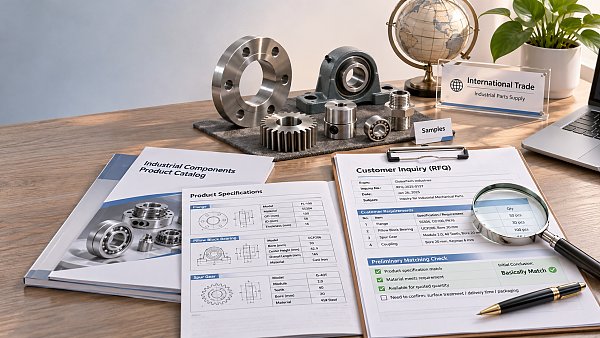
For industrial companies, a qualified inquiry is one that has been preliminarily verified, comes from a genuine prospective customer, involves a business need that can be explored further, and has some potential fit with the company's products or services. It merits an investment of follow-up resources, but does not mean the customer is certain to place an order.
During the assessment, consider three factors together: whether the customer is genuine, whether the need is specific, and whether the company can meet it. For example, a customer who can describe the application but does not yet have a budget may still represent an early-stage opportunity. If the contact details are invalid and the inquiry is unrelated to the business, however, it should be given lower priority.
We recommend first classifying inquiries as spam, pending verification, or qualified, and then identifying near-term opportunities among the qualified inquiries. This helps prevent sales staff from spending time on irrelevant messages while reducing the risk of missing long-term projects because customers have not yet provided complete information.
Step 1: How Do You Verify a Customer's Identity?
Start by checking whether the name, company, email address, phone number, and country provided by the customer are broadly consistent. Then cross-check the details against the company's website, publicly available business registration information, or professional social networks. The goal is to confirm that the company and contact exist, not to require every detail to match exactly.
A business email address is generally easier to verify, but using a free email account does not necessarily mean an inquiry is invalid. Small buyers, startups, or independent technical consultants may use free email accounts. Conversely, emails using a company domain may also be fraudulent, so assess them alongside other information.
You should also understand the contact's role. They may be a purchasing manager, engineer, distributor, or simply someone tasked with gathering information. A non-decision-maker may still influence product selection, so ask about their responsibilities in the project and the subsequent decision-making process rather than looking only for the most senior person.
If the customer's company name cannot be verified, both the phone number and email are unreachable, or they consistently avoid basic business questions, mark the inquiry as pending verification. For payments or sensitive information, reconfirm the customer's identity and transaction details through verified contact channels.
Step 2: How Can You Tell Whether a Customer Has Genuine Purchase Intent?
Do not rely solely on statements such as “Please send a quote” or “We are interested.” Ask about the product's application, key specifications, estimated quantity, delivery location, and purchasing timeline. Customers may not be able to provide everything at once, but those willing to discuss the project in response to questions are generally more worth pursuing.
For equipment inquiries, ask about processing capacity, operating environment, existing processes, and installation conditions. For components, ask about drawings, materials, dimensions, tolerances, and certification requirements. This information helps verify the need and prevents misleading quotations when specifications are unclear.
Assess the purchasing timeline in light of the project's stage. A customer who has completed technical selection and requests a formal quotation may be comparing suppliers; one conducting a feasibility study may need several months or longer. Both needs may be genuine, but they call for different follow-up schedules.
Budget is another factor, but a customer's reluctance to disclose a budget right away should not be taken as a lack of intent. Sales staff can first provide suitable models, the main factors that affect pricing, and the information needed for a quote, then ask whether the customer has a target price range or an internal purchasing plan.
Step 3: Does the Project Match the Company's Capabilities?
After confirming the need, check the product specifications, customization scope, minimum order quantity, production capacity, and lead time against the company's actual capabilities. If the customer's requirements fall outside the standard product range, consult technical, production, or supply chain staff to confirm feasibility before deciding whether to invest further resources in preparing a quote.
Certification, import requirements, and after-sales conditions in the target market also affect the quality of an opportunity. For example, if a customer requires documents for market access, check the scope and validity of the company's existing certificates. If the required qualifications are not currently available, assess the time and cost involved in obtaining them.
For inquiries from distributors or trading companies, also learn about their sales territory, existing customer types, and expected cooperation model. It is not unusual for them not to have complete information about the end user, but they should be able to describe the target market and basic requirements. Both parties should also confirm that there are no conflicts over regional authorization.
Fit depends not only on whether the company can manufacture the product, but also on whether the transaction makes commercial sense. For projects with small order values, high customization costs, or complex after-sales requirements, estimate the gross margin, sampling costs, and communication costs before deciding whether to accept the project or adjust the terms of cooperation.
How Should You Follow Up When Information Is Incomplete?
In your first reply, address the customer's question before asking a few key questions that affect product selection or pricing. For example: “What material will the equipment be used for, what is the target processing capacity, and in which country will it be installed?” The more closely your questions relate to the customer's needs, the more likely you are to receive useful answers.
If an inquiry only says “Please send prices,” you can provide a product catalog or reference configuration and explain which specifications are needed for a formal quote. If the product model and configuration significantly affect the price, clearly state the conditions that apply to the reference price to avoid the customer mistaking a price range for a final commitment.
If the customer does not respond, schedule follow-ups based on their market's time zone and purchasing cycle. In a follow-up, providing product selection materials, case studies, or questions that need clarification is more useful than simply urging the customer to respond. If there is no response after multiple attempts, record the status and nurture the lead later.
How Can You Rank Inquiries and Set Follow-Up Priorities?
Companies can create a simple scoring sheet, for example, assigning 25 points each to customer authenticity, clarity of need, project fit, and purchasing progress. Use the score to prioritize follow-up, not as a mechanical substitute for human judgment. If key information is missing, mark the inquiry as “pending verification” rather than automatically assigning it zero points.
High-priority inquiries typically involve a verified customer, a need that matches the product, and a clear next step. Technical and sales resources should be coordinated promptly. Medium-priority inquiries involve potential needs but lack key information; continue to clarify details through product selection discussions and case studies.
Low-priority inquiries include requests that are clearly a poor fit, repeat submissions, or inquiries from contacts who cannot be reached over a long period. These can be followed up less frequently. In cases involving identity fraud or unusual payment requests, suspend the transaction and verify the details. Mark spam separately to avoid affecting subsequent data analysis.
Sales, technical, and marketing staff should calibrate the scoring rules together. For example, an early-stage project for complex equipment may have a low probability of closing in the short term but a high potential order value. For standard parts inquiries, specifications, quantity, and lead time may deserve more weight. The same thresholds should not be applied to every product.
How Can Inquiry Outcomes Help Improve Overseas Marketing Investment?
Overseas marketing for industrial products should not be assessed solely by the number of inquiries each channel generates. Record the source, product category, target market, qualification level, and subsequent progress as well. The qualified inquiry rate can be calculated by dividing the number of qualified inquiries by the total number of inquiries, provided the team uses a consistent definition of “qualified.”
Compare the cost per qualified inquiry, quotation rate, and sales results to determine whether your investment is generating sustainable opportunities. For example, if a channel generates many inquiries but most are for products that do not match your offerings, review the advertising keywords, landing page content, and form design rather than increasing the budget based solely on a low cost per inquiry.
The long purchasing cycles of industrial products should also be taken into account. Inquiries generated by recent campaigns may not have reached the sales stage yet, so channels should not be evaluated solely by orders placed in the same month. Review leads in cohorts based on when they were acquired, take historical conversion cycles into account, and periodically check the progress of early-stage opportunities.
Companies can add fields to website forms for product application, target market, and a description of the customer's needs. This helps sales staff understand the background in advance while keeping the form easy to complete. Combined with search optimization, advertising, and customer management records, Yiyingbao's website and marketing services can support lead collection and subsequent analysis.
What Else Should You Consider When Establishing an Evaluation Process?
Inquiries should be evaluated using consistent records, not personal impressions. For every lead, record the identity verification result, customer requirements, fit assessment, owner, and next follow-up date. Periodically review opportunities that have stalled to decide whether to continue nurturing them or change their priority.
Companies can also draw on approaches to analyzing costs and management information from other fields. For example, read Applications and Improvements of Management Accounting in Financial Management at Public Institutions, then develop a suitable way to record investments and outcomes based on your own business.
The key to determining whether an inquiry is qualified is to verify the customer, understand their needs, and confirm that your company can meet them, then allocate resources according to the project's stage. By continuously linking initial assessments with subsequent feedback, companies can respond promptly to near-term purchasing opportunities while preserving growth potential in long-cycle industrial projects.
Related Articles
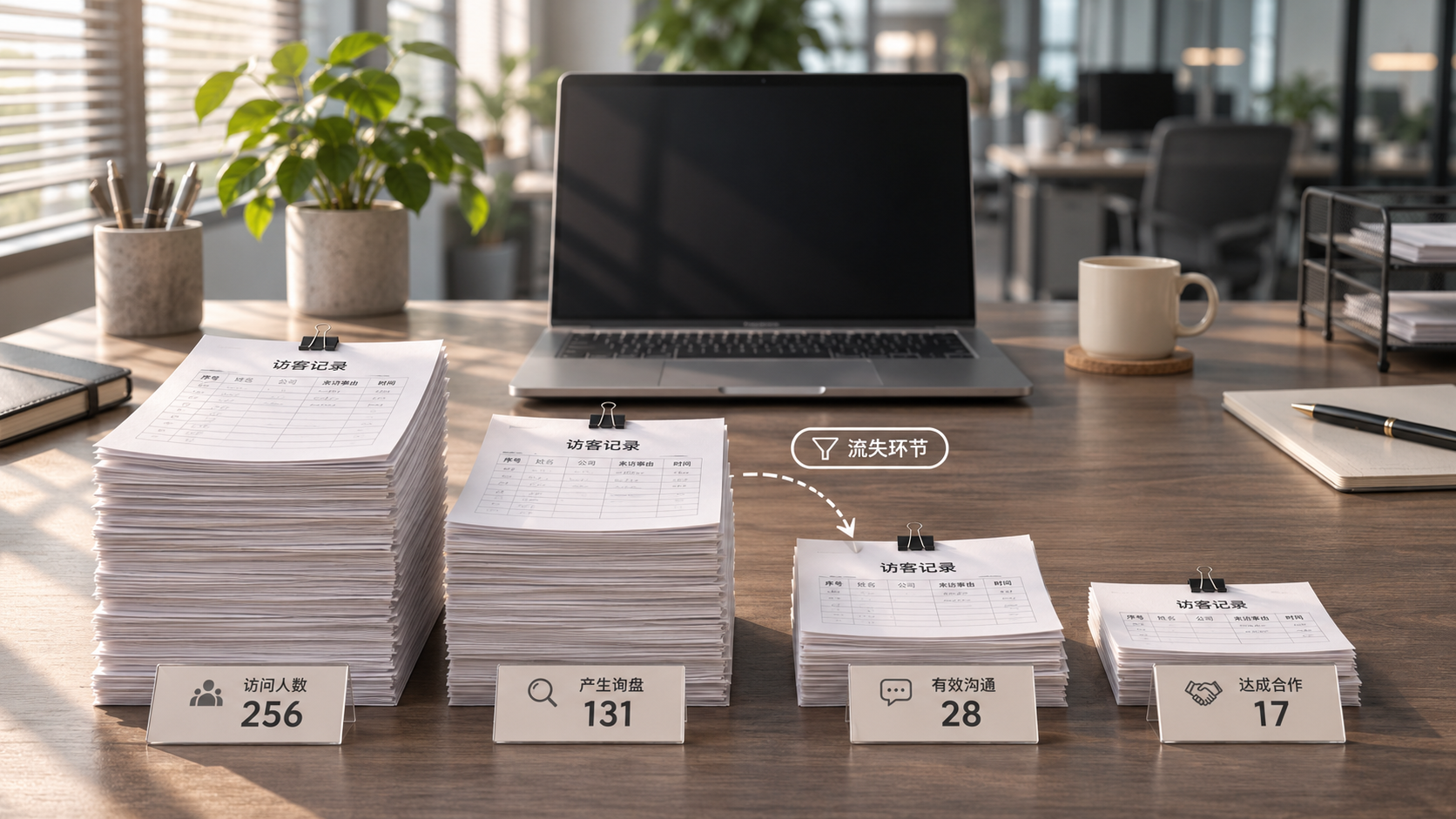
 How Can Website Data Analytics Services Identify Where Inquiries Are Being Lost?
 Dongguan Opens a New Transit Logistics Route for Cross-Border E-Commerce Exports to Russia
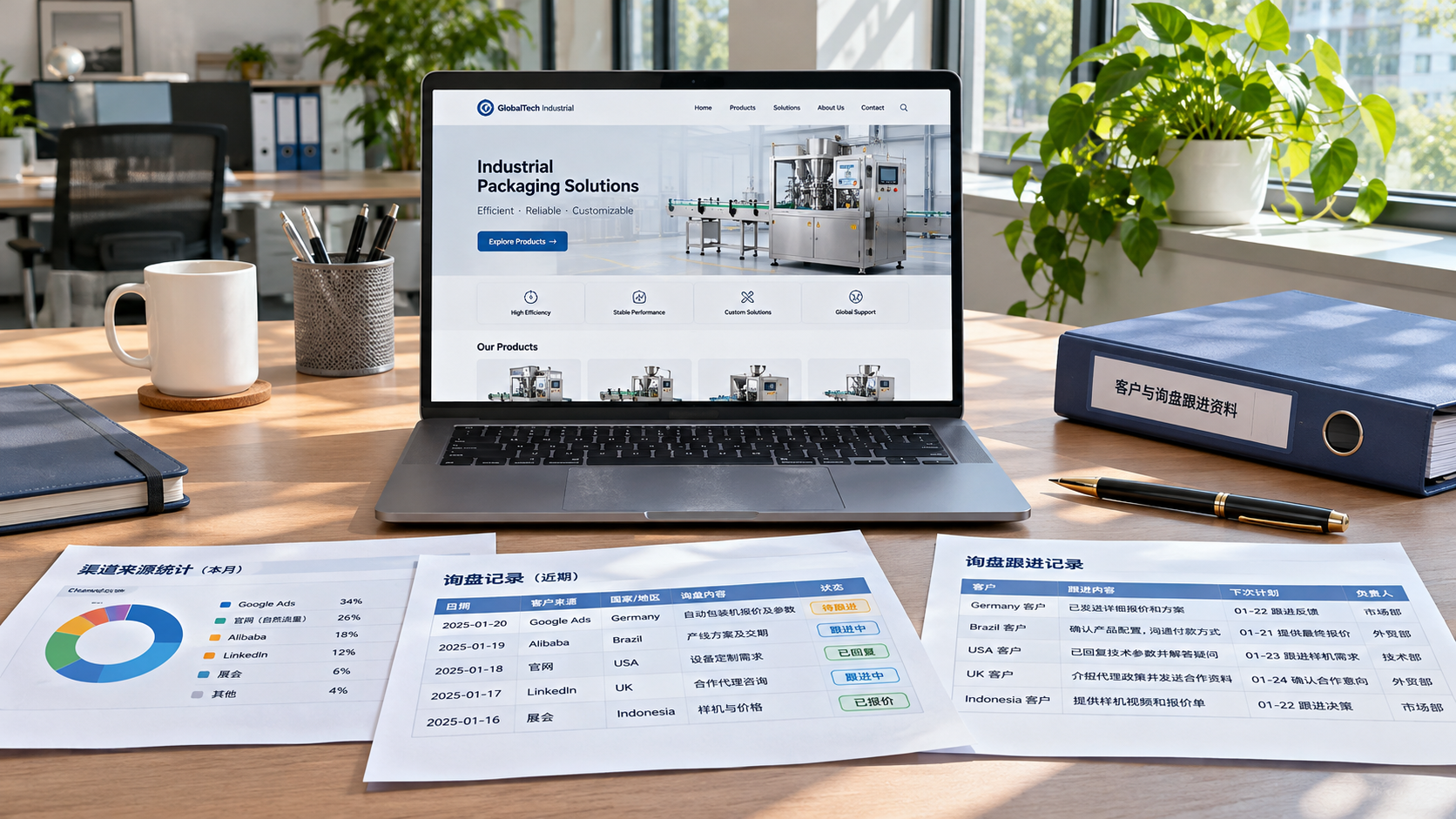
 How Can You Identify Effective Traffic Sources When Reviewing Growth in Inquiries from Your Independent Website?

Related Products
 Yiyingbao SaaS Intelligent Website Building and Marketing SystemYiyingbao SaaS Intelligent Website Building and Marketing System, AI-powered no-code website building, rapid creation of multilingual B2B international websites in 10 minutes, global server acceleration, AI-powered SEO optimization, helping businesses connect efficiently with global markets. The perfect integration of technology and operation makes building an international trade website remarkably simple
 AI+SEM Intelligent Advertising Marketing SystemAI+SEM drives intelligent ad creation, empowering full-funnel precision advertising marketing. The system automatically generates weekly/monthly reports, AI recommends keywords and target countries, monitors core metrics in real-time with intelligent alerts, and enables one-click high-conversion ad solutions to help quickly acquire customers and improve ROI.
 AI+SEO Dual-Engine System Optimization ServicesYiyingbao’s AI+SEO dual-engine optimization system helps foreign trade enterprises acquire high-quality organic traffic through AI-powered keyword research, content generation, and comprehensive technical optimization, significantly improving search rankings and conversion rates.
 AI+SNS Social Media Marketing SystemYingbao AI+SNS Social Media Marketing System - Precision social capture for the social media era. Supports one-click content synchronization across major platforms like Facebook and LinkedIn. AI intelligently rewrites posts for enhanced relevance. 24/7 AI customer service and user profiling analysis empower businesses to efficiently expand into global markets.
 AI+SEO营销解决方案易营宝AI+SEO营销解决方案,通过AI批量写作、智能生成TDK、精准关键词扩词等功能,全面优化网站SEO效果,提升流量与转化率。助力企业构建高效智能网站新生态。
 AI+SEM Advertising Marketing SolutionsAI+SEM Advertising Marketing Solution leverages AI technology to deeply empower SEM ad campaigns. It automatically generates weekly/monthly reports using AI, presenting account data across multiple dimensions for comprehensive insights into campaign performance and trends. The system precisely recommends keywords and target countries, intelligently generates high-conversion ad copy, and enables one-click activation of efficient campaign plans to help businesses rapidly acquire customers. Simultaneously, it monitors core metrics in real time, intelligently identifies abnormal fluctuations, and issues timely alerts to ensure stable, high-return advertising results.
 Domain Name ServicesEasyWin provides professional domain name services, including intelligent queries, one-stop registration, brand protection, and full lifecycle management, helping businesses build a digital brand image.
 EasyOperate B2C Cross-Border E-Commerce Platform & Independent WebsiteEasyStore B2C Cross-border E-commerce Independent Store is an intelligent website building and cross-border e-commerce integrated solution independently developed by EasyStore Information Technology (Beijing) Co., Ltd. The system is specially designed for small and medium-sized as well as large export enterprises, integrating 'website building, operation, marketing, advertising, and conversion' into one, helping enterprises quickly establish cross-border e-commerce independent stores to achieve brand globalization and global sales growth.
The platform supports multiple languages, multiple currencies, and multi-channel marketing, with built-in AI intelligent translation and SEO optimization systems, suitable for mainstream markets such as Southeast Asia, Europe and America, Latin America, and the Middle East, assisting Chinese manufacturing enterprises in efficiently deploying international e-commerce strategies. SSL证书易营宝提供专业SSL安全证书服务,包括单域名和泛域名证书,确保网站数据传输加密、身份验证和完整性保护,助力企业建立安全可信的在线业务环境。









