









- CBP Finalizes Electronic Rail Export Manifest Rule, Effective October 26, 2026Oct 26, 2026View details
- Amazon’s 2026 peak season surcharge takes effect on October 25Oct 26, 2026View details
- AI Is Eating SaaS: Three Real-World Cases in One AfternoonOct 25, 2026View details
- Exiger CEO: The SaaS Apocalypse Is Real, but It Means Something DifferentOct 25, 2026View details
- Hengqin Cooperation Zone Shares Cross-Border E-Commerce Developments, Focusing on Macao-Hengqin Collaboration and International MarketsOct 24, 2026View details
- A Shenyang study highlights the development of the “cross-border e-commerce + industrial cluster” modelOct 24, 2026View details
How Yiyingbao Pricing Affects Your Annual Marketing Budget
How Yingyingbao Pricing Affects Annual Marketing Budgets
Introduction: When evaluating Yingyingbao pricing, financial approvers should focus not only on the initial investment, but also on the annual customer acquisition efficiency and budget controllability delivered by the integration of website development, SEO, advertising, and social media.
Companies searching for “Yingyingbao pricing” are usually not simply seeking a quotation figure. They want to determine whether this investment should be categorized as website development costs, marketing expenses, or a long-term customer acquisition asset, and whether it will strain their annual budget.
For financial approvers, the right assessment should not stop at whether the price is high. More importantly, they should break down the investment structure, identify recurring expenses, calculate lead generation output, and clarify which capabilities can reduce duplicate procurement and outsourced management costs.
Include Yingyingbao Pricing in the Annual Budget, Rather Than the One-Time Procurement Budget

Yingyingbao covers services such as AI-powered website development, multilingual websites, SEO optimization, advertising, social media operations, and GEO optimization. Actual fees generally vary depending on service modules, target markets, number of languages, promotion periods, and service scope.
Therefore, financial approval should not focus solely on the first-year contract amount. The total cost of ownership should also be calculated over twelve or even twenty-four months. One-time website development, ongoing optimization, media buying, and content operations each correspond to different budget categories.
Website development and system configuration are closer to infrastructure investments and can create proprietary overseas digital assets for the company. SEO, content updates, and social media operations are ongoing operating expenses, while Google or Facebook advertising budgets should be managed separately as adjustable media expenses.
If all items are simply categorized as “website expenses,” subsequent operational needs can easily be underestimated. If everything is classified as “advertising expenses,” the long-term value of the website, content, and accumulated data may be overlooked, resulting in distorted budget assessments.
What Fee Components Should Financial Approvers Review Closely?
The first item is the platform and website development scope. Confirm whether the fees include domain names, servers, number of pages, responsive design, multilingual versions, e-commerce functions, inquiry forms, data analytics, and subsequent technical maintenance to avoid additional feature purchases after launch.
The second item is the scope of content and SEO services. Companies need to clarify who is responsible for keyword planning, page optimization, technical SEO, content production, link building, indexing monitoring, and monthly reports, as well as how service periods and delivery frequency are agreed upon.
The third item is advertising account and campaign management fees. Media top-up amounts, account setup, creative production, daily optimization, and agency service fees should be listed separately. Only by separating service fees from ad spend can the conversion efficiency of the channel itself be accurately assessed.
The fourth item is the cost of multi-market expansion. For North American, European, Middle Eastern, or Latin American markets, adding languages involves more than translation costs. It may also require localized content, currency payment options, privacy compliance, advertising creatives, and customer service process adjustments.
How to Determine Whether Integrated Services Can Reduce Total Annual Marketing Costs
The value of Yingyingbao pricing should not be compared only with that of a single website development company or advertising agency. A more appropriate comparison is the total annual expenditure incurred when a company separately procures website development, an SEO team, outsourced ad management, social media services, and data tools.
When services are centralized on the same platform and within the same team, website landing pages, SEO content, advertising creatives, and inquiry data can work together toward the same objective. For finance teams, this means lower hidden costs caused by coordinating multiple suppliers, duplicated communication, and inconsistent data standards.
For example, search term and conversion data generated through advertising can be used to adjust SEO content priorities, while high-conversion pages can directly serve as advertising landing pages. Budgets are no longer fragmented across multiple channels but are continuously optimized around qualified leads.
However, integration does not inherently mean savings. If a company only needs a showcase website, or does not yet have stable overseas supply capabilities, inquiry handling, and sales follow-up capabilities, deploying a complete marketing mix too early may result in idle resources and a longer payback period.
Annual Budget Planning Should Focus on Leads and Gross Profit, Not Traffic
Financial approval can begin by setting an acceptable annual customer acquisition cost and then working backward to determine a reasonable investment. For B2B companies, the focus should be on the number of qualified inquiries, sales-qualified leads, quotation opportunities, and revenue, rather than merely website traffic or ad clicks.
A practical formula is: divide total annual marketing investment by the number of qualified sales leads to obtain the cost per qualified lead; then combine the conversion rate and gross profit per order to determine whether that cost falls within the company's acceptable range.
If a company generates one order from an average of every twenty qualified inquiries and the gross profit per order is RMB 50,000, the theoretical acceptable cost per qualified inquiry should not exceed RMB 2,500. The actual budget should also reserve room for risk and operations.
For B2C cross-border online stores, additional metrics should include customer acquisition cost, conversion rate, repeat purchase rate, average order value, logistics costs, and refund rate. Different business models cannot share the same ROI criteria; otherwise, even transparent Yingyingbao pricing will not lead to an effective conclusion.
Use a “Core, Growth, and Flexible” Budget Structure
The core budget ensures that overseas digital assets remain continuously available, including the website development system, necessary maintenance, multilingual pages, foundational SEO, and data tracking. This portion generally should not be reduced frequently, as it determines whether subsequent promotional traffic can be captured and accumulated.
The growth budget is used to build sustainable customer acquisition capabilities, such as optimizing key product pages, developing industry content, deploying keywords, operating social media accounts, and improving conversion paths. Its effectiveness usually needs to be reviewed quarterly, making it more suitable for phased targets and review milestones.
The flexible budget mainly covers Google Ads, Facebook Ads, short-video promotion, and campaign landing pages. This portion should be monitored monthly or biweekly and adjusted dynamically based on lead costs, order quality, and market changes, rather than being fixed in a lump sum at the beginning of the year.
With a tiered budget structure, companies can retain foundational capabilities amid market uncertainty and add funding for growth and advertising after validating efficient channels. Compared with investing the entire annual budget in a single advertising channel at once, this approach carries lower cash flow risk.
Five Budget Control Questions to Clarify Before Signing a Contract
First, how long is the service period covered by the contract price, and which items will have price adjustments upon renewal? Second, when adding languages, pages, features, or markets, is pricing calculated by project, by month, or by resource package, and are there minimum spending requirements?
Third, is the advertising budget managed directly through the company account, and can media spend, service fees, and creative costs be reconciled separately? Fourth, are the ownership and handover mechanisms for website data, advertising accounts, domain names, and content assets clearly stipulated in the contract?
Fifth, what measurable reports will the service provider provide, including organic traffic, keyword coverage, ad spend, inquiry sources, lead quality, and conversion progress? Without a unified data dashboard, it is difficult for finance departments to determine whether the budget is truly generating business value.
Manufacturing companies and foreign trade companies planning to expand overseas should also confirm whether internal staff are available to handle inquiries, update product information, and provide feedback on sales results. Marketing services can improve customer acquisition efficiency, but they cannot replace quotation response, delivery capabilities, and sales follow-up.
Conclusion: Pricing Should Be Governed by a Verifiable Annual Customer Acquisition Model
The impact of Yingyingbao pricing on the annual marketing budget does not primarily lie in individual quotations. It lies in whether a company can obtain a promotable, indexable, and conversion-ready overseas standalone website at a relatively clear cost, while continuously accumulating customer data and content assets.
Financial approval should require business departments to provide a module list, annual cost breakdown, lead targets, sales assumptions, and a monthly review mechanism. Only marketing budgets that can be tracked, adjusted, and linked to gross profit are more likely to be transformed from cost items into manageable growth investments.
Related Articles
 How can you determine whether a digital marketing agency’s strategy can be implemented?
 How can you evaluate the overseas loading performance of a Yiyingbao website?
 Is the AI+SNS All-in-One Intelligent Social Media Marketing System suitable for managing multiple accounts?
Related Products
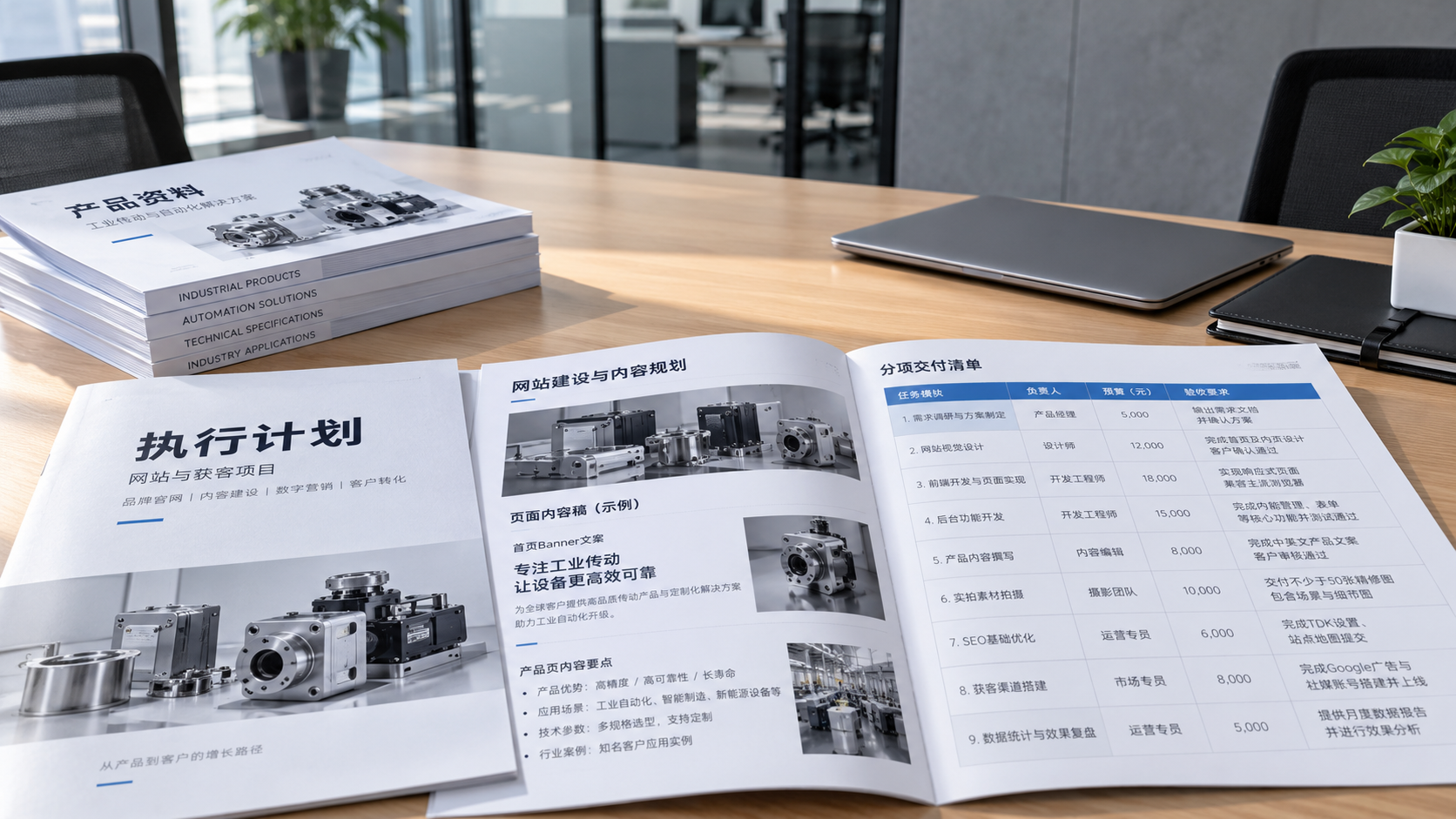
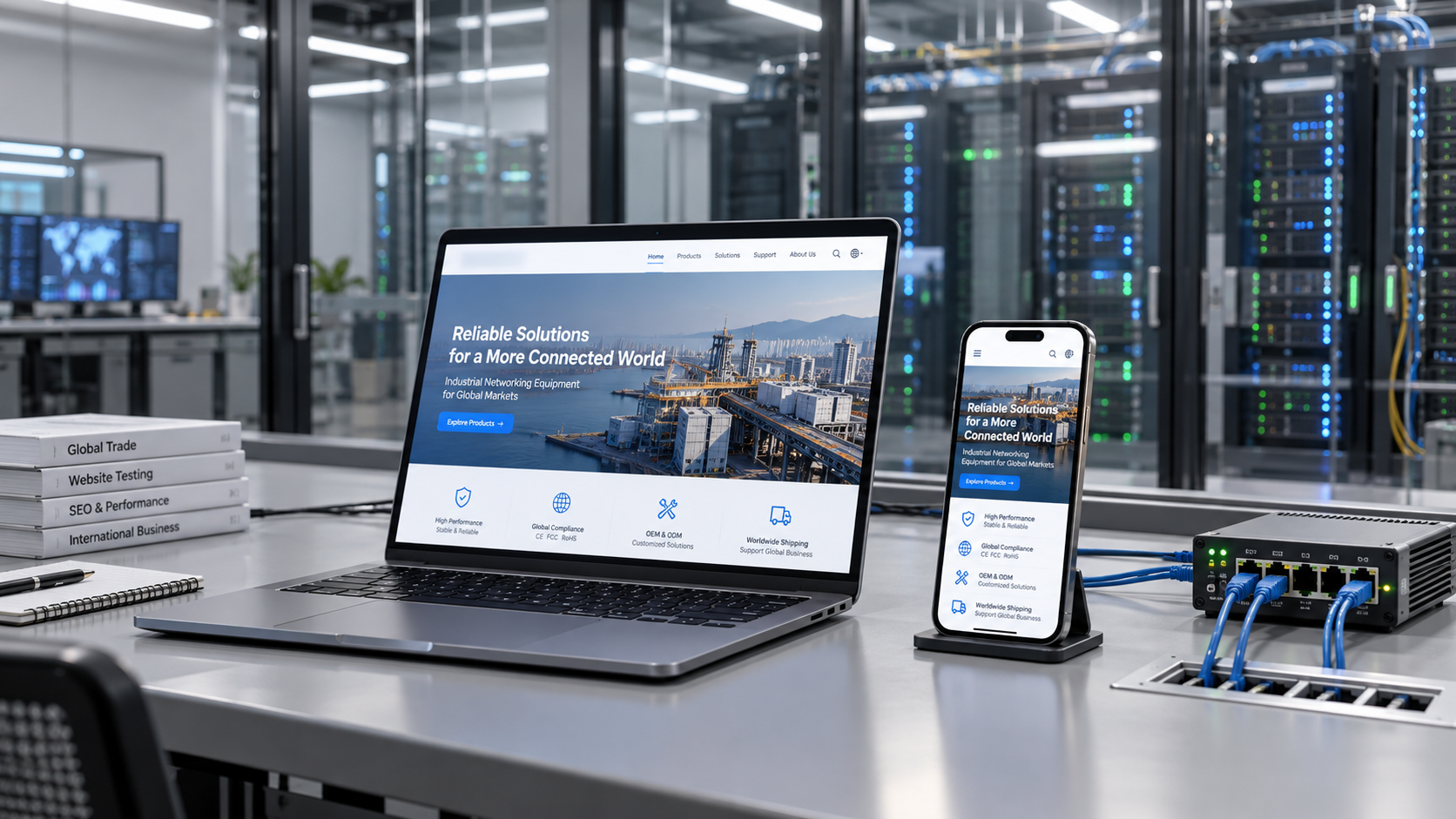
 Yiyingbao SaaS Intelligent Website Building and Marketing SystemYiyingbao SaaS Intelligent Website Building and Marketing System, AI-powered no-code website building, rapid creation of multilingual B2B international websites in 10 minutes, global server acceleration, AI-powered SEO optimization, helping businesses connect efficiently with global markets. The perfect integration of technology and operation makes building an international trade website remarkably simple
 AI+SEM Intelligent Advertising Marketing SystemAI+SEM drives intelligent ad creation, empowering full-funnel precision advertising marketing. The system automatically generates weekly/monthly reports, AI recommends keywords and target countries, monitors core metrics in real-time with intelligent alerts, and enables one-click high-conversion ad solutions to help quickly acquire customers and improve ROI.
 AI+SEO Dual-Engine System Optimization ServicesYiyingbao’s AI+SEO dual-engine optimization system helps foreign trade enterprises acquire high-quality organic traffic through AI-powered keyword research, content generation, and comprehensive technical optimization, significantly improving search rankings and conversion rates.
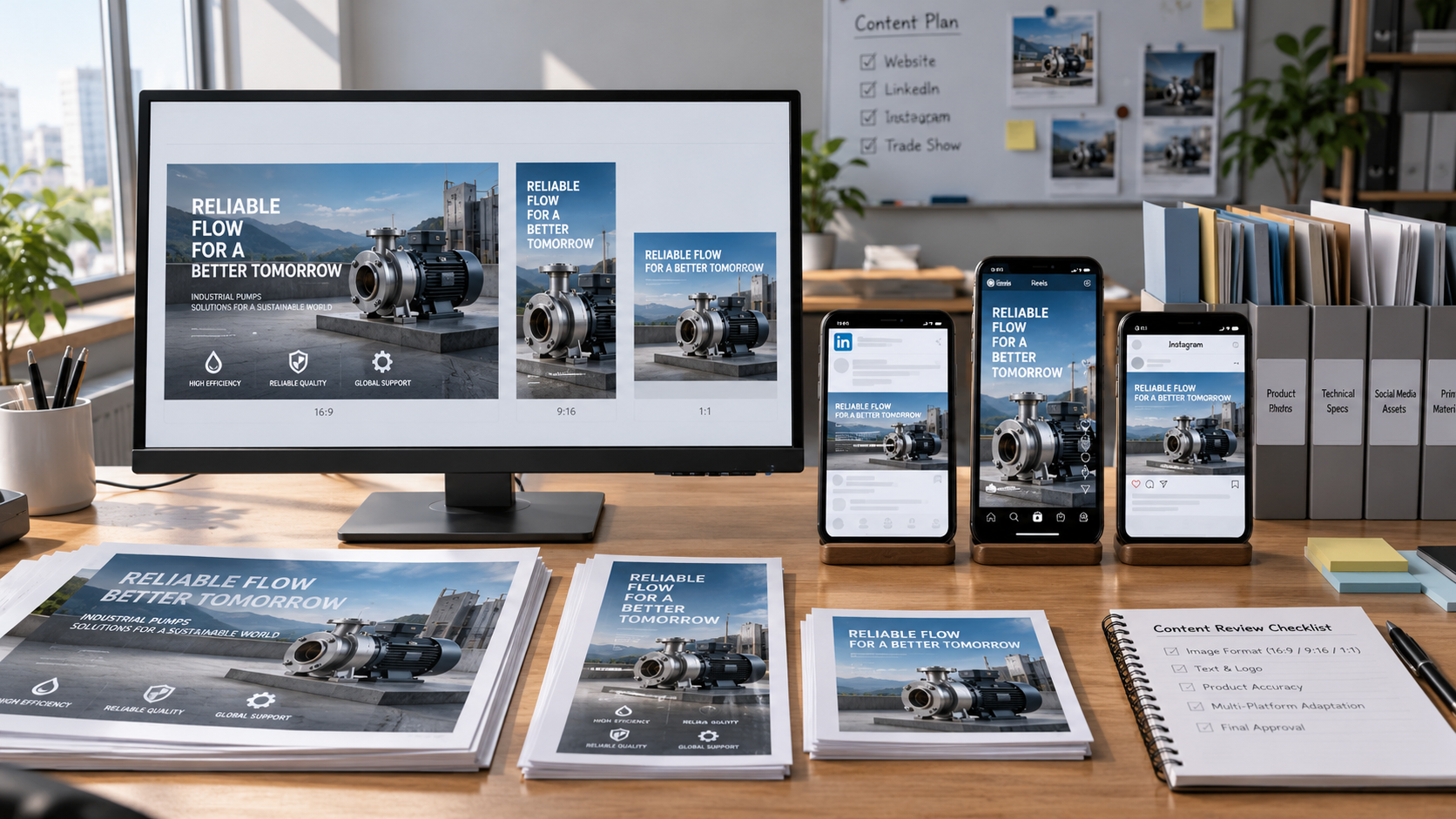
 AI+SNS Social Media Marketing SystemYingbao AI+SNS Social Media Marketing System - Precision social capture for the social media era. Supports one-click content synchronization across major platforms like Facebook and LinkedIn. AI intelligently rewrites posts for enhanced relevance. 24/7 AI customer service and user profiling analysis empower businesses to efficiently expand into global markets.
 AI+SEO营销解决方案易营宝AI+SEO营销解决方案,通过AI批量写作、智能生成TDK、精准关键词扩词等功能,全面优化网站SEO效果,提升流量与转化率。助力企业构建高效智能网站新生态。
 AI+SEM Advertising Marketing SolutionsAI+SEM Advertising Marketing Solution leverages AI technology to deeply empower SEM ad campaigns. It automatically generates weekly/monthly reports using AI, presenting account data across multiple dimensions for comprehensive insights into campaign performance and trends. The system precisely recommends keywords and target countries, intelligently generates high-conversion ad copy, and enables one-click activation of efficient campaign plans to help businesses rapidly acquire customers. Simultaneously, it monitors core metrics in real time, intelligently identifies abnormal fluctuations, and issues timely alerts to ensure stable, high-return advertising results.
 Domain Name ServicesEasyWin provides professional domain name services, including intelligent queries, one-stop registration, brand protection, and full lifecycle management, helping businesses build a digital brand image.
 EasyOperate B2C Cross-Border E-Commerce Platform & Independent WebsiteEasyStore B2C Cross-border E-commerce Independent Store is an intelligent website building and cross-border e-commerce integrated solution independently developed by EasyStore Information Technology (Beijing) Co., Ltd. The system is specially designed for small and medium-sized as well as large export enterprises, integrating 'website building, operation, marketing, advertising, and conversion' into one, helping enterprises quickly establish cross-border e-commerce independent stores to achieve brand globalization and global sales growth.
The platform supports multiple languages, multiple currencies, and multi-channel marketing, with built-in AI intelligent translation and SEO optimization systems, suitable for mainstream markets such as Southeast Asia, Europe and America, Latin America, and the Middle East, assisting Chinese manufacturing enterprises in efficiently deploying international e-commerce strategies. SSL证书易营宝提供专业SSL安全证书服务,包括单域名和泛域名证书,确保网站数据传输加密、身份验证和完整性保护,助力企业建立安全可信的在线业务环境。









