









- The U.S. has ended the $800 de minimis exemption for non-postal shipments; express courier packages must be formally declared.Nov 16, 2026View details
- ASEAN Signs Digital Economy Framework Agreement, Moving Toward Harmonized Cross-Border E-Commerce RulesNov 15, 2026View details
- Shenzhen Becomes the First City in Mainland China to Exceed RMB 5 Trillion in Foreign TradeNov 15, 2026View details
- Fujian Announces the First Batch of Provincial-Level Cross-Border E-Commerce Industrial Parks and Key Brands for CultivationNov 14, 2026View details
- Amazon Global Store Announces the Launch of the 2026 Black Friday Global Shopping SeasonNov 14, 2026View details
- CCTV.com Examines APEC’s Role in China’s Foreign TradeNov 12, 2026View details
Why Spanish Website Development Cannot Simply Translate Chinese Content
Why Spanish Website Development Cannot Simply Translate Chinese Content
When many companies begin developing a Spanish website, the first approach they consider is translating their existing Chinese corporate website, replacing the menus and product descriptions, and then launching it to attract overseas traffic. For project managers, this approach appears to save time and makes it easier to reuse existing materials. However, when the website truly targets markets such as Spain, Mexico, Chile, and Colombia, issues often emerge in lead quality, time spent on pages, and customer trust.
The reason is not simply whether the translation is accurate. Chinese content usually reflects the decision-making habits, industry expressions, and communication pace of domestic customers. When Spanish-speaking users visit the website, their priorities, reading sequence, interpretation of commitments, and even acceptance of button copy may differ. Direct translation is not localization. Especially for B2B projects that require long-term lead generation, a website is not a multilingual product manual, but the first place where overseas customers assess whether a company is trustworthy.
A “complete introduction” in Chinese may appear unfocused in Spanish-speaking markets
Chinese corporate websites commonly introduce company scale, qualifications and honors, and production equipment first, before gradually presenting products and services. This narrative logic suits visitors familiar with Chinese supply chains, but many Spanish-speaking buyers follow a more direct browsing path: What problem do you solve? Which applications is it suitable for? What is included in the scope of delivery? Can I quickly contact the person in charge?
If a Chinese page is translated sentence by sentence into Spanish, it can easily retain many generalized statements such as “established in,” “equipped with advanced equipment,” and “committed to quality,” while failing to promptly answer buyers' concerns about technical specifications, application limitations, minimum order requirements, logistics coordination, or after-sales response. Although the language has changed, the information structure has not, and users still need to search through long paragraphs for answers.
For engineering project managers, this means an “information reduction” should be conducted before content migration. Promotional modules on the Chinese website should be distinguished from content that genuinely supports sales communication. Priority should be given to product parameters, industry solutions, project processes, quality control methods, FAQs, and contact points. A Spanish website does not need to replicate every section of the Chinese website, but it must enable target visitors to make decisions more quickly.
The same Spanish language does not mean the same market
Spanish is used across multiple countries and regions, with clear differences in vocabulary, tone, and business practices. For example, common terms such as “computer,” “mobile phone,” and “automotive parts” are expressed differently in Spain and in some Latin American countries. Certain expressions that sound natural in Spain may seem awkward in Mexico or Argentina, or even lead to misunderstandings.
Measurement units, currencies, date formats, and contact methods are even more easily overlooked. Chinese websites are accustomed to displaying “ten thousand yuan,” “working days,” and “WeChat consultation.” If only the text is translated, overseas users will still face unfamiliar pricing contexts and communication methods. For businesses with longer decision cycles, such as machinery and equipment, building materials, and engineering services, it is also necessary to clearly specify whether metric or imperial units are used, whether quotes include tax, how delivery locations are defined, and which contact channels are available, such as email, phone, or WhatsApp.

Therefore, before Spanish website development begins, the project team should first clarify the target country rather than broadly defining the project as “building a Spanish site.” A brand presentation website for Spain, an industrial product inquiry website for Mexico, and a cross-border online store targeting multiple Latin American countries should make different choices in language versions, price presentation, payment methods, and content priorities. Only by determining market priorities first can translation and design have a clear basis.
What literal translation most easily loses is “credibility”
Overseas customers may not understand the organizational structure of Chinese companies, nor may they understand the value behind terms such as “direct factory sales,” “source factory,” and “strong capabilities.” If these terms are translated directly, they may become nothing more than vague commercial slogans. In comparison, Spanish-speaking users are more likely to build trust through verifiable information: how factory capabilities affect lead times, which product standards certifications correspond to, how project teams coordinate, who handles after-sales responses, whether materials can be downloaded, and how samples can be requested.
Similarly, absolute expressions commonly found in Chinese business language, such as “best price,” “number one in the industry,” and “100% satisfaction,” should be used with particular restraint in cross-border communication. They not only lack supporting evidence but may also increase customer skepticism. A more reliable approach is to base advantages on specific facts, such as the industries served, documents available, customization scope supported, and typical delivery stages. Website trust usually comes from details that are clear without making excessive promises.
Search keywords cannot simply be “translated over” from Chinese logic
Many companies translate their core Chinese keywords into Spanish and directly place them in titles, descriptions, and product pages, while overlooking how local customers actually search. Overseas buyers may search for product models, material names, or usage scenarios, or may use different combinations such as “supplier,” “manufacturer,” “wholesale,” and “customized.” The customary name for the same type of product may also vary from country to country.
This is also why Spanish website development cannot be left solely to the translation process. Content planning needs to consider search intent in the target market: Are customers learning about solutions, comparing suppliers, or preparing to submit purchasing requirements? Users at different stages should see different page priorities. Product detail pages are suitable for specifications and inquiries, industry solution pages are suitable for explaining application value, and knowledge content can answer preliminary questions about installation, maintenance, and product selection. A website structure formed this way is more conducive to Google understanding the page topic and makes it easier for sales teams to handle subsequent communication.
Mobile experience amplifies insufficient localization
Spanish content is generally longer than Chinese. If buttons, navigation, and form fields continue to use the layout of the Chinese website, mobile pages can easily suffer from crowded line breaks, folded key information, and unclear inquiry entry points. For visitors arriving through search or social media advertising, slow page loading, difficult forms, and indirect contact paths are enough to make prior advertising costs meaningless.
During acceptance, project managers should not only check whether the PC version has been “fully translated,” but should also test it on an actual mobile phone: Can the first screen explain the business in a short time? Are product images and parameters easy to read? Are CTA buttons natural? How many steps are required to submit an inquiry? When multiple regional markets are involved, they should also check whether currency, language switching, and privacy notices suit the usage scenarios.
For mobile-first development needs, Yiyingbao AMP/MIP Mobile Intelligent Website Building can serve as a complementary technical option. Its website-building system supports multilingual mobile page management, image compression, and lazy loading capabilities, making it suitable for companies that need to balance overseas Google mobile access with domestic mobile marketing entry points. Technology cannot replace localized content judgment, but loading speed, page stability, and unified maintenance efficiency do affect the actual conversion performance of Spanish websites.
Make translation part of the website development process, rather than the final step
A more appropriate approach is to incorporate the Spanish-speaking market into the joint planning of content, design, technology, and promotion from the project initiation stage. First identify target customers and countries, then reorganize page information; after completing terminology lists and standards for product names and units, proceed to translation and localization proofreading; before launch, use real mobile devices to check search entry points, forms, redirects, and contact details. If SEO, Google Ads, or social media traffic acquisition will be carried out later, landing page topics should also remain consistent with the language used in advertising.
Yiyingbao has long served multilingual independent websites and overseas marketing scenarios, and can consider intelligent website building, search optimization, advertising landing pages, and content management within the same growth framework. For companies, the value of Spanish website development lies not in “adding another language version,” but in enabling customers in different regions to understand, trust, and find the company, and to be willing to take the first step toward submitting an inquiry.
Related Articles
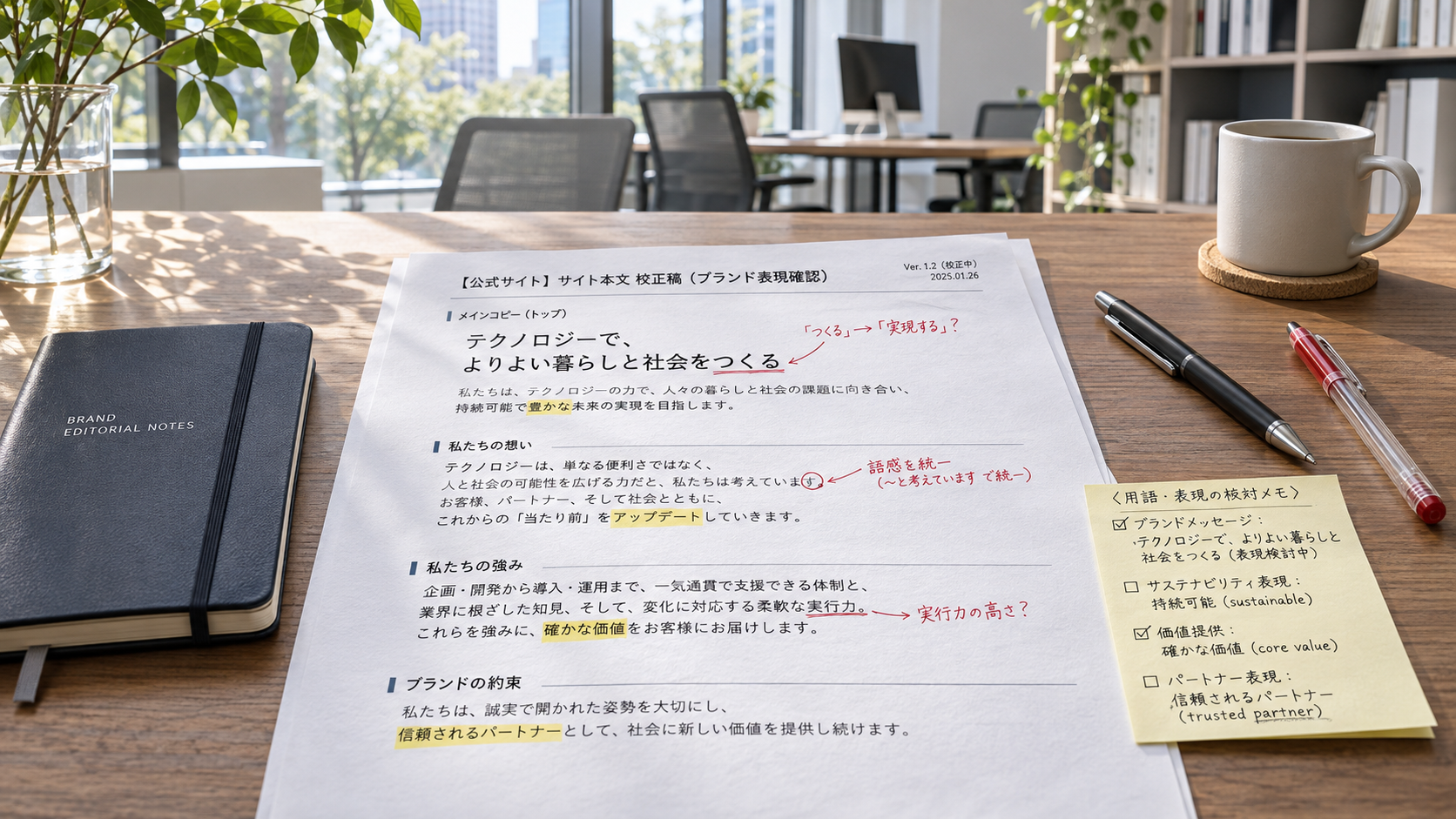
 How Can You Avoid Localization Mistakes When Building a Japanese-Language Brand Website?
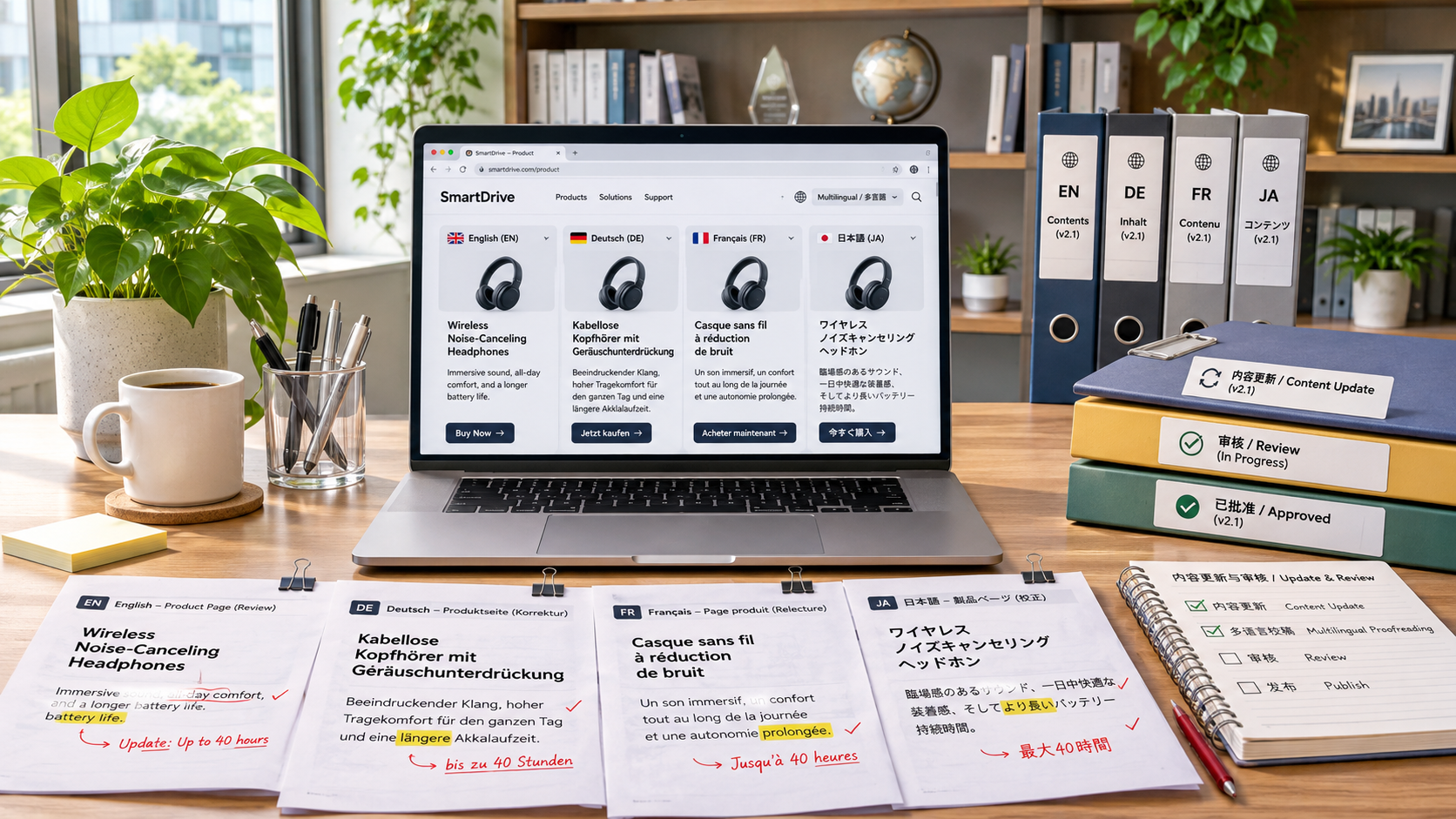
 How Does a Website Localization System Manage Multilingual Content Updates?
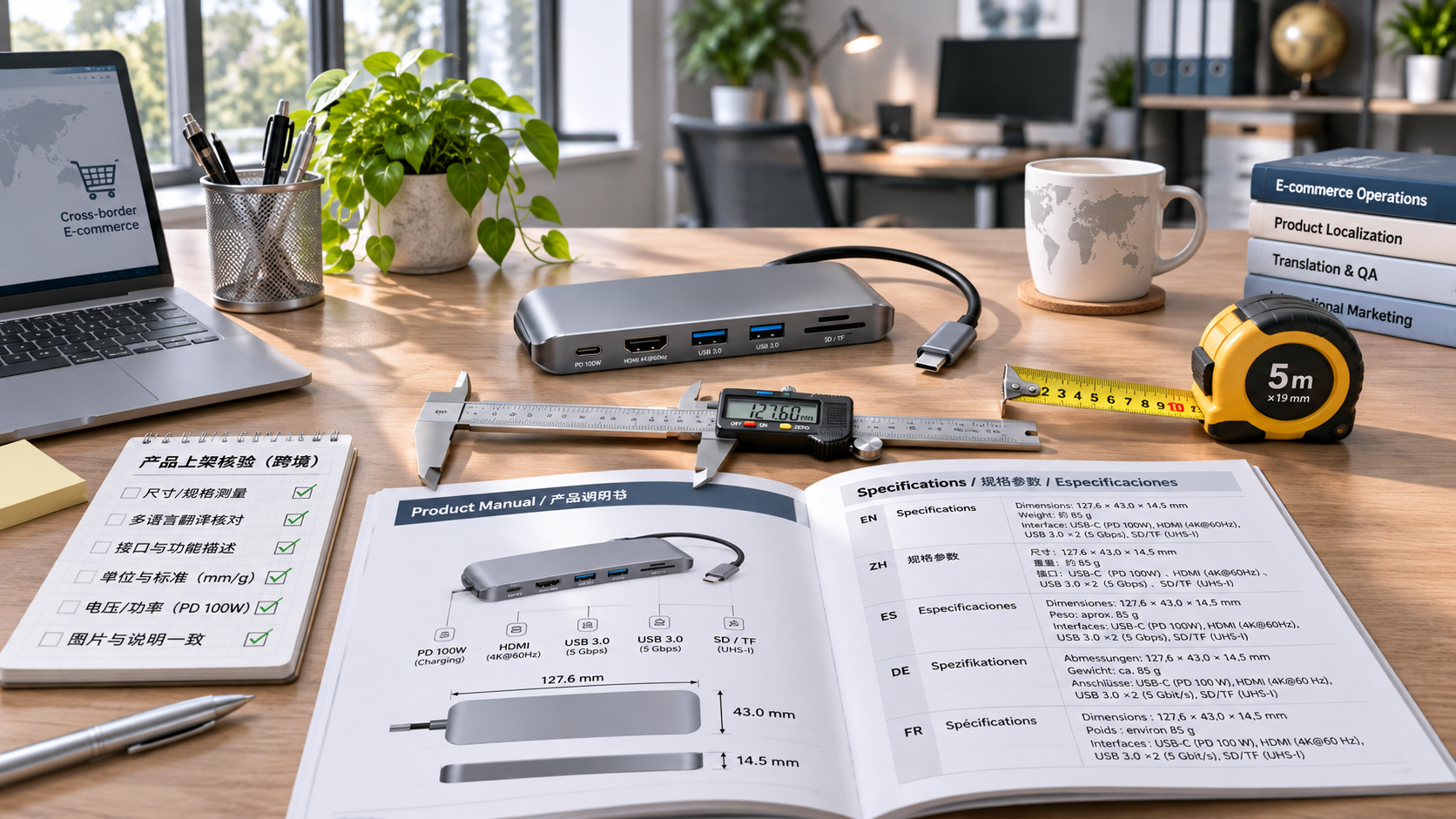
 How Can Cross-Border E-Commerce Multilingual Product Pages Avoid Errors in Translating Product Specifications?
Related Products
 Yiyingbao SaaS Intelligent Website Building and Marketing SystemYiyingbao SaaS Intelligent Website Building and Marketing System, AI-powered no-code website building, rapid creation of multilingual B2B international websites in 10 minutes, global server acceleration, AI-powered SEO optimization, helping businesses connect efficiently with global markets. The perfect integration of technology and operation makes building an international trade website remarkably simple
 AI+SEM Intelligent Advertising Marketing SystemAI+SEM drives intelligent ad creation, empowering full-funnel precision advertising marketing. The system automatically generates weekly/monthly reports, AI recommends keywords and target countries, monitors core metrics in real-time with intelligent alerts, and enables one-click high-conversion ad solutions to help quickly acquire customers and improve ROI.
 AI+SEO Dual-Engine System Optimization ServicesYiyingbao’s AI+SEO dual-engine optimization system helps foreign trade enterprises acquire high-quality organic traffic through AI-powered keyword research, content generation, and comprehensive technical optimization, significantly improving search rankings and conversion rates.
 AI+SNS Social Media Marketing SystemYingbao AI+SNS Social Media Marketing System - Precision social capture for the social media era. Supports one-click content synchronization across major platforms like Facebook and LinkedIn. AI intelligently rewrites posts for enhanced relevance. 24/7 AI customer service and user profiling analysis empower businesses to efficiently expand into global markets.
 AI+SEO营销解决方案易营宝AI+SEO营销解决方案,通过AI批量写作、智能生成TDK、精准关键词扩词等功能,全面优化网站SEO效果,提升流量与转化率。助力企业构建高效智能网站新生态。
 AI+SEM Advertising Marketing SolutionsAI+SEM Advertising Marketing Solution leverages AI technology to deeply empower SEM ad campaigns. It automatically generates weekly/monthly reports using AI, presenting account data across multiple dimensions for comprehensive insights into campaign performance and trends. The system precisely recommends keywords and target countries, intelligently generates high-conversion ad copy, and enables one-click activation of efficient campaign plans to help businesses rapidly acquire customers. Simultaneously, it monitors core metrics in real time, intelligently identifies abnormal fluctuations, and issues timely alerts to ensure stable, high-return advertising results.
 Domain Name ServicesEasyWin provides professional domain name services, including intelligent queries, one-stop registration, brand protection, and full lifecycle management, helping businesses build a digital brand image.
 EasyOperate B2C Cross-Border E-Commerce Platform & Independent WebsiteEasyStore B2C Cross-border E-commerce Independent Store is an intelligent website building and cross-border e-commerce integrated solution independently developed by EasyStore Information Technology (Beijing) Co., Ltd. The system is specially designed for small and medium-sized as well as large export enterprises, integrating 'website building, operation, marketing, advertising, and conversion' into one, helping enterprises quickly establish cross-border e-commerce independent stores to achieve brand globalization and global sales growth.
The platform supports multiple languages, multiple currencies, and multi-channel marketing, with built-in AI intelligent translation and SEO optimization systems, suitable for mainstream markets such as Southeast Asia, Europe and America, Latin America, and the Middle East, assisting Chinese manufacturing enterprises in efficiently deploying international e-commerce strategies. SSL证书易营宝提供专业SSL安全证书服务,包括单域名和泛域名证书,确保网站数据传输加密、身份验证和完整性保护,助力企业建立安全可信的在线业务环境。









