









- Levanta’s Inaugural China Summit Held in Shenzhen, Focusing on AI and Cross-Border Brand GrowthOct 20, 2026View details
- The October Edition of the 2026 GGE Shenzhen Cross-Border E-Commerce Expo OpensOct 20, 2026View details
- Dongguan’s foreign trade imports and exports reached RMB 1.29 trillion in the first three quarters, a record high for the same periodOct 20, 2026View details
- Liaoning Holds Province-Wide Meeting to Advance Cross-Border E-Commerce, Emphasizing the Need to Explore Differentiated Development PathsOct 20, 2026View details
- Advanced Manufacturing Seizes Global Opportunities as Guangdong’s Q3 Foreign Trade Surpasses RMB 3 Trillion for the First TimeOct 20, 2026View details
- Can the average annual growth rate reflect real opportunities in overseas markets?Oct 07, 2026View details
How can fragrance brands quickly produce multilingual content for their independent websites?
How Can Fragrance Brand Independent Websites Quickly Produce Multilingual Content?
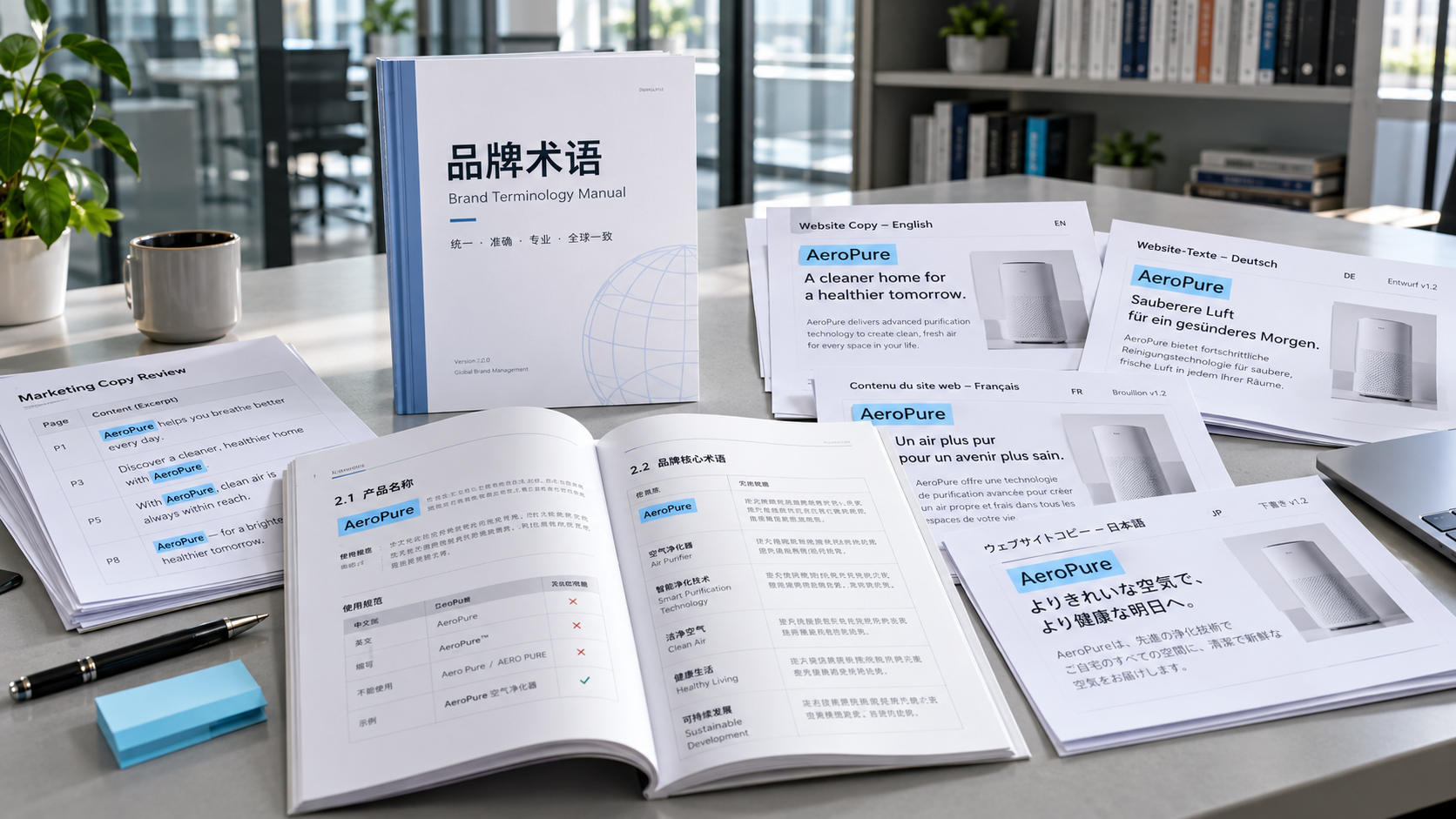
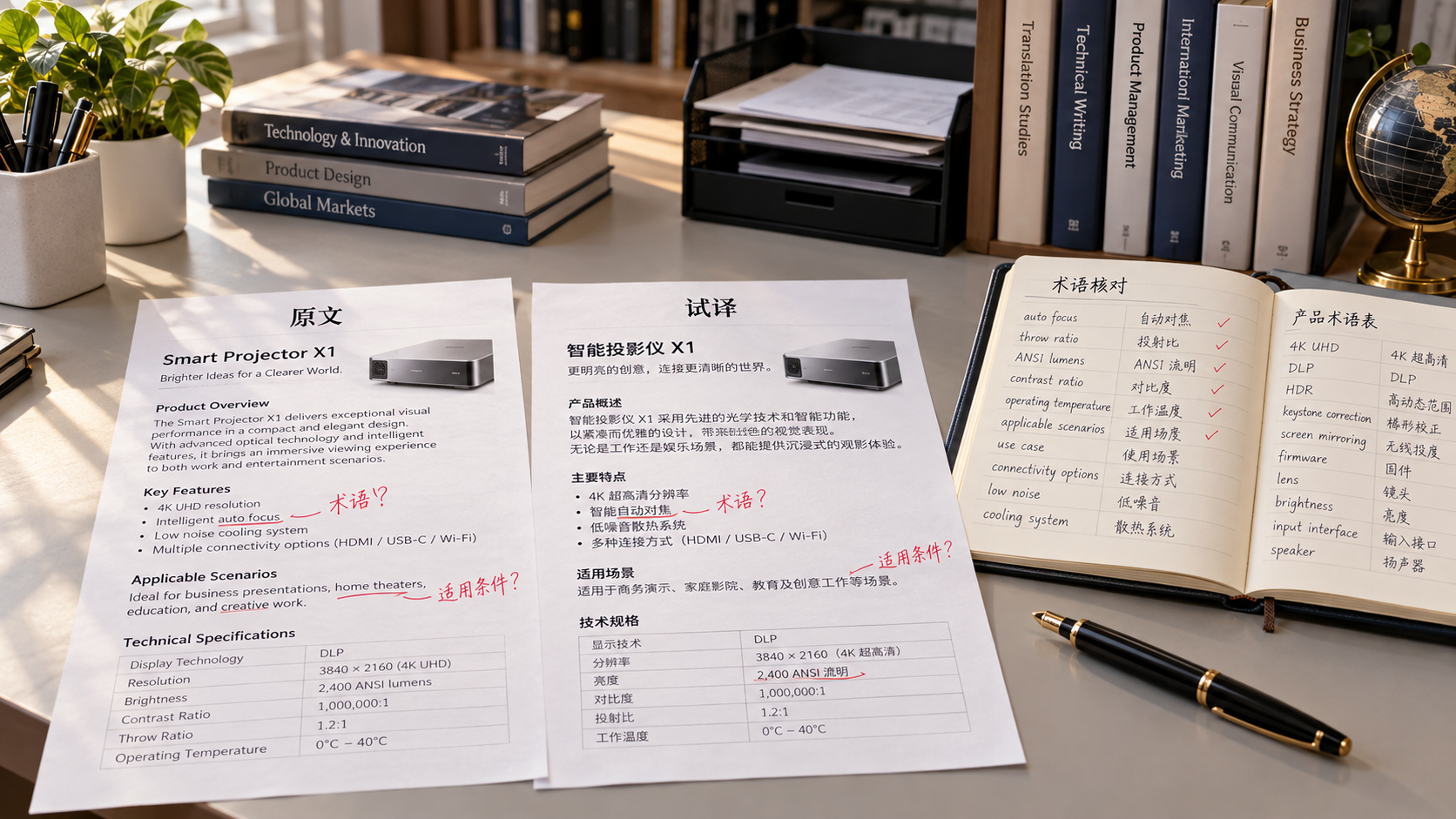
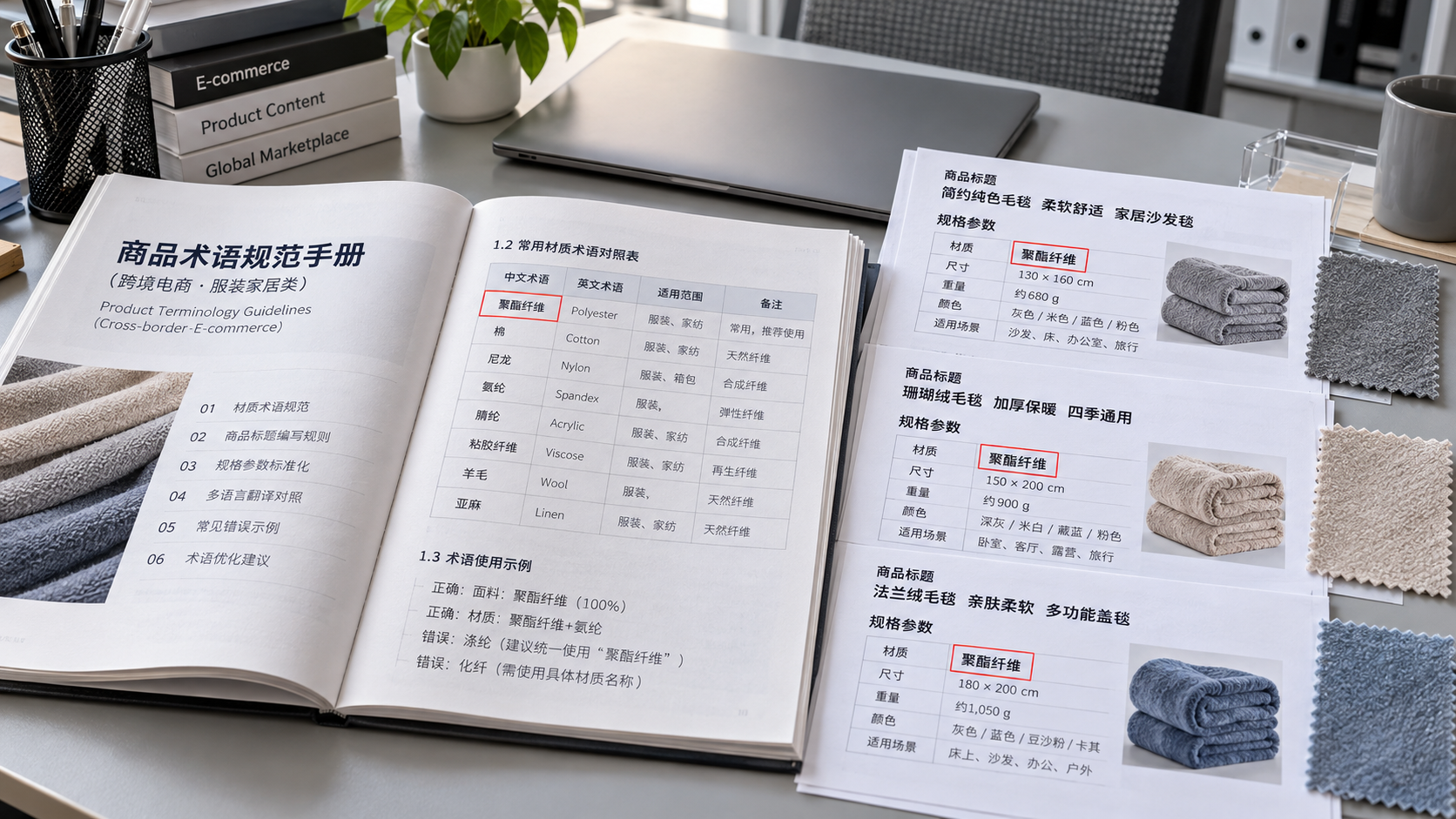
When fragrance brands build overseas independent websites, content is often more difficult to advance than website development itself. A single collection may include multiple product categories such as perfumes, scented candles, reed diffusers, and car fragrances; each product also involves top, middle, and base notes, the scent experience, usage scenarios, packaging materials, gifting recommendations, and brand stories. Translating Chinese copy sentence by sentence into English, French, Japanese, or Arabic may seem fast, but it often loses the nuances of scent expression and fails to match the search habits of local users.
“How can a fragrance brand independent website produce multilingual content quickly?” The real issue to solve is not merely translation speed, but how to establish a content system that can be produced in batches, managed consistently, continuously updated, and serve search visibility and product conversion. Once content is disconnected from product information, keyword planning, and page structure, no matter how quickly it is generated, it can easily become a multilingual burden that is difficult to maintain.
Fragrance Content Cannot Rely Solely on Literal Translation
Scent is a highly subjective experience. Common Chinese expressions such as “a premium feel,” “atmosphere,” and “healing” do not always directly correspond to expressions understood by overseas consumers. For example, on product pages targeting the North American market, consumers may care more about fragrance note structure, suitable spaces, burning or diffusion methods, and gifting attributes; when entering the Japanese market, restraint, seasonality, home-use scenarios, and packaging details are generally more worth explaining clearly. Scent preferences, gifting habits, and language reading patterns also differ across markets such as the Middle East, Europe, and Southeast Asia.
Therefore, multilingual content should be divided into two levels: one consists of brand and product facts that should not be altered arbitrarily, such as fragrance names, ingredient information, volume, instructions for use, precautions, delivery and return policies; the other consists of narratives that may vary by market, including titles, scenario-based selling points, category page guidance, content features, and frequently asked questions. The former requires a unified information database, while the latter is suitable for expansion, rewriting, and localization by artificial intelligence according to country and language.
In particular, avoid including unverified ingredient benefits, environmental claims, suitable user groups, or safety promises in automatically generated content. When fragrance products involve skin contact, indoor use, or transportation and storage, page descriptions should still be based on product information confirmed by the company and target market requirements. Marketing language must not replace compliance review.

Build the Content Framework First, Then Use AI for Batch Generation
A more efficient approach is not to hand an entire Chinese website directly to a translation tool, but to first define page fields for each category. Taking a scented candle as an example, basic fields may include fragrance notes, net weight, burn time, container material, wick material, suitable space, usage recommendations, warning information, and gift box configuration; marketing fields may include target scenarios, seasonal themes, emotional keywords, gift recipients, and related products. Once the information structure is stable, the same set of data can be used for product detail pages, collection pages, advertising landing pages, social media short copy, and email content.
At this stage, AI is best suited for producing first drafts, content variations, title testing, and tone adjustments, rather than “creating product facts” out of thin air. Instructions for the model should include brand tone of voice, prohibited terms, target market, target page, existing product parameters, and relevant keywords. For example, for the same woody fragrance diffuser, content for a search page needs to answer “what space is it suitable for?”; content for a gifting page needs to highlight gifting scenarios and packaging; content for a brand feature can elaborate on fragrance inspiration and collection stories. One source of information serving multiple content purposes is the key to batch production.
For Multilingual SEO, Page Relationships Matter More Than Keyword Stuffing
Organic traffic for fragrance brands does not usually come only from branded keywords. Users also search for fragrance types, usage scenarios, gift needs, and product categories, such as bedroom diffusers, fresh summer perfumes, wedding favors, and woody candles. Websites in different languages should plan category pages, product pages, and content pages around genuine local search expressions, rather than forcing the same keyword into every page.
Website structure also affects whether multilingual content can be correctly understood. Each language should have clear page paths and corresponding relationships, avoiding the mixing of machine-translated pages with original-language pages; different language versions of the same product need to maintain consistent core facts, while titles, descriptions, and internal links can be adjusted according to the market. Category pages address category demand, product pages support purchase decisions, and content pages such as fragrance guides, usage instructions, and gifting recommendations address more specific questions. Only when these three are linked to one another will content avoid becoming a collection of isolated pages.
Another often overlooked issue is the coordination between images and text. Fragrances cannot be smelled through a screen, so visuals take on a significant explanatory role. Descriptive text for page images, product video subtitles, gift box dimension diagrams, and usage scenario images should also be included in the multilingual content workflow, rather than translating only the main text. Otherwise, users may understand the product but still find it difficult to judge its effect and style in a real space.
Put Website Building, Content, and Promotion Into the Same Workflow
For brands with frequent product launches and many SKUs, the bottleneck in content production often occurs during handoffs between multiple departments: the product team provides information, operations organizes spreadsheets, translators deliver copy, developers publish it page by page, and the promotion team creates advertising pages again. The longer the process, the more likely version inconsistencies become. A more suitable approach is to manage product information, page templates, multilingual content, keyword tasks, and campaign assets around the same website, reducing repetitive data entry.
Since its establishment in 2013, Yiyingbao Information Technology (Beijing) Co., Ltd. has provided global digital marketing services centered on artificial intelligence and big data, with services covering intelligent website building, multilingual websites, cross-border online stores, search optimization, advertising placement, and overseas social media operations. For fragrance brands, the value of this integrated website and marketing service capability lies not only in launching multilingual pages more quickly, but also in connecting content production with subsequent search, advertising landing pages, social media traffic acquisition, and AI search visibility optimization.
Yiyingbao's self-developed cloud-based intelligent website building system, cross-border online store system, and AI+SEO/GEO optimization capabilities can support content deployment for markets including North America, Europe, Japan and South Korea, Southeast Asia, the Middle East, and Latin America. When choosing such solutions, companies should not focus solely on how many pieces of copy can be generated. They should also confirm whether the solution can manage multilingual versions, retain manual review access, synchronize product fields, support page-level optimization, and facilitate ongoing content revisions based on advertising data and search terms.
Fast Does Not Mean Covering Every Language at Once
Many brands want to cover as many countries as possible from the beginning, only to end up with a small amount of thin content in every language and even higher maintenance costs. A more prudent path is to select priority languages based on primary markets and product offerings: first complete core categories, key SKUs, brand pages, policy pages, and high-intent content pages, then gradually expand into collection stories, fragrance guides, and seasonal features. For markets that are not yet ready with local fulfillment, customer service, or payment support, brands should also carefully determine whether to independently build a complete language website.
For fragrance brands to quickly produce multilingual content, the ultimate reliance is on a chain of “standardized information, AI-assisted generation, localized review, and continuous website iteration.” First clarify which content must be accurate and which content can vary by market, then select tools and services that can connect website building with marketing, so that content speed does not come at the expense of brand expression and user trust.
Related Articles
Related Products
 Yiyingbao SaaS Intelligent Website Building and Marketing SystemYiyingbao SaaS Intelligent Website Building and Marketing System, AI-powered no-code website building, rapid creation of multilingual B2B international websites in 10 minutes, global server acceleration, AI-powered SEO optimization, helping businesses connect efficiently with global markets. The perfect integration of technology and operation makes building an international trade website remarkably simple
 AI+SEM Intelligent Advertising Marketing SystemAI+SEM drives intelligent ad creation, empowering full-funnel precision advertising marketing. The system automatically generates weekly/monthly reports, AI recommends keywords and target countries, monitors core metrics in real-time with intelligent alerts, and enables one-click high-conversion ad solutions to help quickly acquire customers and improve ROI.
 AI+SEO Dual-Engine System Optimization ServicesYiyingbao’s AI+SEO dual-engine optimization system helps foreign trade enterprises acquire high-quality organic traffic through AI-powered keyword research, content generation, and comprehensive technical optimization, significantly improving search rankings and conversion rates.
 AI+SNS Social Media Marketing SystemYingbao AI+SNS Social Media Marketing System - Precision social capture for the social media era. Supports one-click content synchronization across major platforms like Facebook and LinkedIn. AI intelligently rewrites posts for enhanced relevance. 24/7 AI customer service and user profiling analysis empower businesses to efficiently expand into global markets.
 AI+SEO营销解决方案易营宝AI+SEO营销解决方案,通过AI批量写作、智能生成TDK、精准关键词扩词等功能,全面优化网站SEO效果,提升流量与转化率。助力企业构建高效智能网站新生态。
 AI+SEM Advertising Marketing SolutionsAI+SEM Advertising Marketing Solution leverages AI technology to deeply empower SEM ad campaigns. It automatically generates weekly/monthly reports using AI, presenting account data across multiple dimensions for comprehensive insights into campaign performance and trends. The system precisely recommends keywords and target countries, intelligently generates high-conversion ad copy, and enables one-click activation of efficient campaign plans to help businesses rapidly acquire customers. Simultaneously, it monitors core metrics in real time, intelligently identifies abnormal fluctuations, and issues timely alerts to ensure stable, high-return advertising results.
 Domain Name ServicesEasyWin provides professional domain name services, including intelligent queries, one-stop registration, brand protection, and full lifecycle management, helping businesses build a digital brand image.
 EasyOperate B2C Cross-Border E-Commerce Platform & Independent WebsiteEasyStore B2C Cross-border E-commerce Independent Store is an intelligent website building and cross-border e-commerce integrated solution independently developed by EasyStore Information Technology (Beijing) Co., Ltd. The system is specially designed for small and medium-sized as well as large export enterprises, integrating 'website building, operation, marketing, advertising, and conversion' into one, helping enterprises quickly establish cross-border e-commerce independent stores to achieve brand globalization and global sales growth.
The platform supports multiple languages, multiple currencies, and multi-channel marketing, with built-in AI intelligent translation and SEO optimization systems, suitable for mainstream markets such as Southeast Asia, Europe and America, Latin America, and the Middle East, assisting Chinese manufacturing enterprises in efficiently deploying international e-commerce strategies. SSL证书易营宝提供专业SSL安全证书服务,包括单域名和泛域名证书,确保网站数据传输加密、身份验证和完整性保护,助力企业建立安全可信的在线业务环境。









