









- The U.S. has ended the $800 de minimis exemption for non-postal shipments; express courier packages must be formally declared.Nov 16, 2026View details
- ASEAN Signs Digital Economy Framework Agreement, Moving Toward Harmonized Cross-Border E-Commerce RulesNov 15, 2026View details
- Shenzhen Becomes the First City in Mainland China to Exceed RMB 5 Trillion in Foreign TradeNov 15, 2026View details
- Fujian Announces the First Batch of Provincial-Level Cross-Border E-Commerce Industrial Parks and Key Brands for CultivationNov 14, 2026View details
- Amazon Global Store Announces the Launch of the 2026 Black Friday Global Shopping SeasonNov 14, 2026View details
- CCTV.com Examines APEC’s Role in China’s Foreign TradeNov 12, 2026View details
Does French website development require rebuilding product pages for the French market?
Does French Website Development Require Redesigning Product Pages for the French Market?
French website development is not simply a matter of translating English or Chinese product pages into French. For companies preparing to enter the French market, the real issue to assess is whether existing pages can support local customers through the process of searching, understanding, comparing, making an inquiry, or placing an order. If only a French-language version is added, visitors may understand the content but still be unwilling to take further action, and the website will remain unable to fulfill its lead-generation role.
Whether product pages need to be redesigned should not be determined merely by whether “the French market is important.” It depends on product complexity, the transaction journey, traffic sources, local compliance requirements, and whether the company expects the website to generate brand exposure, B2B inquiries, or direct sales. For business evaluators, the most valuable approach is not to debate “translation version or redesigned version,” but to identify which content can be reused and which elements may create conversion risks if copied directly.
First Determine Whether the Original Product Page Is Only “Different in Language”
Some companies already have well-structured product pages: categories are clearly defined, specifications are complete, application scenarios are genuine, documentation downloads are available, and the page is intended to enable purchasers to submit inquiries. In such cases, French website development may not require starting from scratch. Product categories, parameter databases, image assets, and backend data models can be retained, while titles, the order of selling points, form fields, trust information, and page copy are localized.
However, if the original website is aimed at communication among Chinese suppliers, or has long relied on messaging such as “factory strength, low prices, and fast delivery,” direct translation often creates many problems. Upon entering the page, French customers generally need first to confirm the product’s applicable scenarios, technical limitations, service approach, and the responsible company entity before deciding whether it is worth contacting the supplier. Especially in fields with high information thresholds, such as industrial equipment, building materials, medical peripherals, chemicals, and electronic components, a product page is both introductory material and an initial screening mechanism.
One practical way to assess this is to check whether the current page can answer four types of questions: What specific problem does the product solve? Can key specifications be verified? Under what application conditions is it suitable for customers? What information or support can be obtained after making contact? If these points are unclear on the original page, even an accurate translation will find it difficult to become an effective landing page for the French market.
The Focus of Redesigning for the French Market Is Not Making the Visual Design “French”
Many projects interpret redesign as changing color schemes, adding Parisian elements, or using a cleaner layout, but these are not the core considerations. What truly affects results is how information is organized. A French product page needs to allow visitors to quickly form a judgment: Is this the product I am looking for? Can this company supply it reliably? Are the performance claims on the page subject to any conditions? Can I obtain materials that allow further evaluation after making contact?
For example, a Chinese page for the same industrial product may first present company scale and production capacity, while a French page is better suited to first explaining the product’s purpose, differences among product series, and selection criteria, then placing manufacturing capabilities, quality control, and delivery scope in supporting positions. Content for engineering procurement should also avoid presenting “customization available” as a general promise; instead, it should specify whether dimensions, materials, interfaces, packaging, or batch conditions can be adjusted. Parameters that cannot be confirmed should not be overstated merely to fill the page.
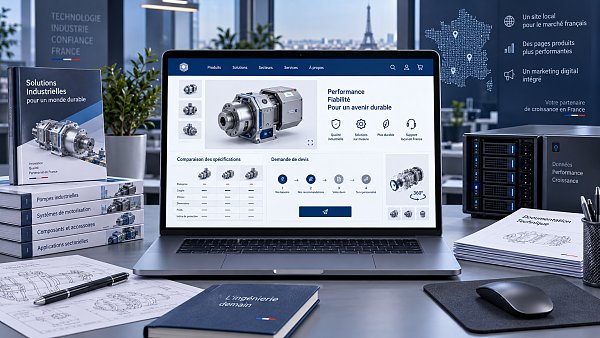
In addition, France is not the only French-speaking market. If a company also targets France, Belgium, Switzerland, French-speaking Canada, or French-speaking African markets, product pages should not simply share one conversion logic. The language can share some foundational content, but currency, logistics descriptions, after-sales boundaries, industry terminology, contact methods, and advertising landing pages should be configured according to the actual target region. Using the same French page for all regions lowers maintenance costs but may reduce the relevance of the information.
When Is a “Deep Restructuring” Worthwhile?
When a company plans to invest long-term in organic search, Google Ads, traffic from industry media, or customer acquisition through social media, product pages are generally worth deeply restructuring for the French market. The reason is not only page language, but also the different visitor intentions brought by different channels. Search traffic focuses more on specific product terms, model terms, application terms, and problem-related terms; advertising visitors may need more direct solution descriptions; social media visitors often first look at application results, video demonstrations, or brand background. Directing all traffic to a general product introduction page makes it difficult to determine later which type of content actually generates inquiries.
Deep restructuring is also more suitable for companies with complex product lines, many models, and long sales cycles. In this case, the website should not contain only individual detail pages; it also needs product category pages, industry application pages, selection guide pages, document download pages, and corresponding conversion entry points. The relationships among these pages should help customers gradually narrow their choices rather than requiring them to find answers themselves among large volumes of parameters. For internal teams, this structure also makes it easier to continuously add products later without recreating pages each time.
During budget approval, website transformation can be treated as an auditable digital asset initiative: page scope, language review responsibilities, information sources, form lead destinations, data measurement standards, and subsequent maintenance authority should all be included within the delivery scope. This review logic is not inconsistent with the emphasis on documentation completeness and traceability of responsibility in Research on Common Issues and Countermeasures in Final Financial Audits of Capital Construction Projects. The most common later-stage cost of website projects is often not development itself, but the lack of clarity regarding content and maintenance responsibilities at the outset.
Do Not Overlook the Placement of Compliance, Privacy, and Trust Information
When entering the French market, companies need to confirm, based on their own business, whether privacy, data collection, cookies, contact information, company entity information, and product declarations comply with local requirements. Templates from other markets should not be applied here, nor should legal pages be treated as temporary additions before launch. Particularly when forms, quotation requests, subscriptions, online customer service, and remarketing tools involve data collection, technical deployment and on-page notices should be jointly confirmed by personnel responsible for the website, marketing, and compliance.
From the user’s perspective, trust information does not exist only in the footer. For high-value B2B products, product pages can appropriately display the company address, service regions, available technical documents, quality management materials, or after-sales communication methods; for cross-border retail, price composition, shipping, returns and exchanges, and customer service channels should be explained more clearly. The focus is not on stacking badges, but on preventing customers from discovering that key facts are missing when they are ready to make contact.
What Should Be Required From Service Providers During Selection?
When evaluating French website development services, companies should not compare only homepage design mockups and per-page prices. They should also ask whether the service provider will first review existing content assets, how it will handle the relationship between French keywords and product categories, whether it supports page segmentation for different markets, how form leads enter the sales process, and how page visits and conversion performance will be monitored after launch.
Since its establishment in 2013, Yingyingbao Information Technology (Beijing) Co., Ltd. has provided integrated digital services centered on intelligent website development, SEO optimization, advertising placement, and social media marketing. For multilingual projects, its value is not limited to producing French pages, but lies in considering website structure, content management, search visibility, advertising landing pages, and subsequent operations within the same business workflow. Through its self-developed cloud-based intelligent website-building system and AI-assisted SEO and GEO optimization capabilities, companies can segment content by market and channel while retaining room for continuous iteration.
Whether to choose an integrated solution depends on whether a company internally possesses coordinated capabilities in content, technology, media placement, and data. If the team already has a mature overseas marketing system, the service provider should focus on supplementing localized website development and technical support; if the company still needs to continuously acquire traffic, test landing pages, and track inquiry quality after website development, integrated collaboration generally makes it easier to reduce handover losses. Yingyingbao’s services for foreign trade companies, manufacturing factories, cross-border sellers, and brand globalization projects cover multilingual corporate websites, B2B marketing websites, cross-border online stores, and overseas promotion scenarios, making them suitable for managing pages and marketing activities for different countries through one backend.
Before Redesigning, Conduct a Content Inventory
A more prudent approach is not to immediately decide on “complete redesign” or “complete translation,” but to first list all product pages and mark the traffic source, target customers, completeness of materials, historical inquiry performance, and French-market adaptation risks for each page. Core products, advertising landing pages, and pages with high search demand can be restructured first; long-tail model pages can first receive accurate translations and basic structural optimization; products not yet entering the French market do not need priority investment.
Ultimately, the criteria for French website development should return to business objectives: Can customers understand, trust, and complete the next step? Can the sales team handle leads? Can operations personnel continuously maintain the content? Product page redesign is not better simply because it is more comprehensive; budgets should be concentrated on pages that affect customer acquisition and decision-making in the French market.
Related Articles
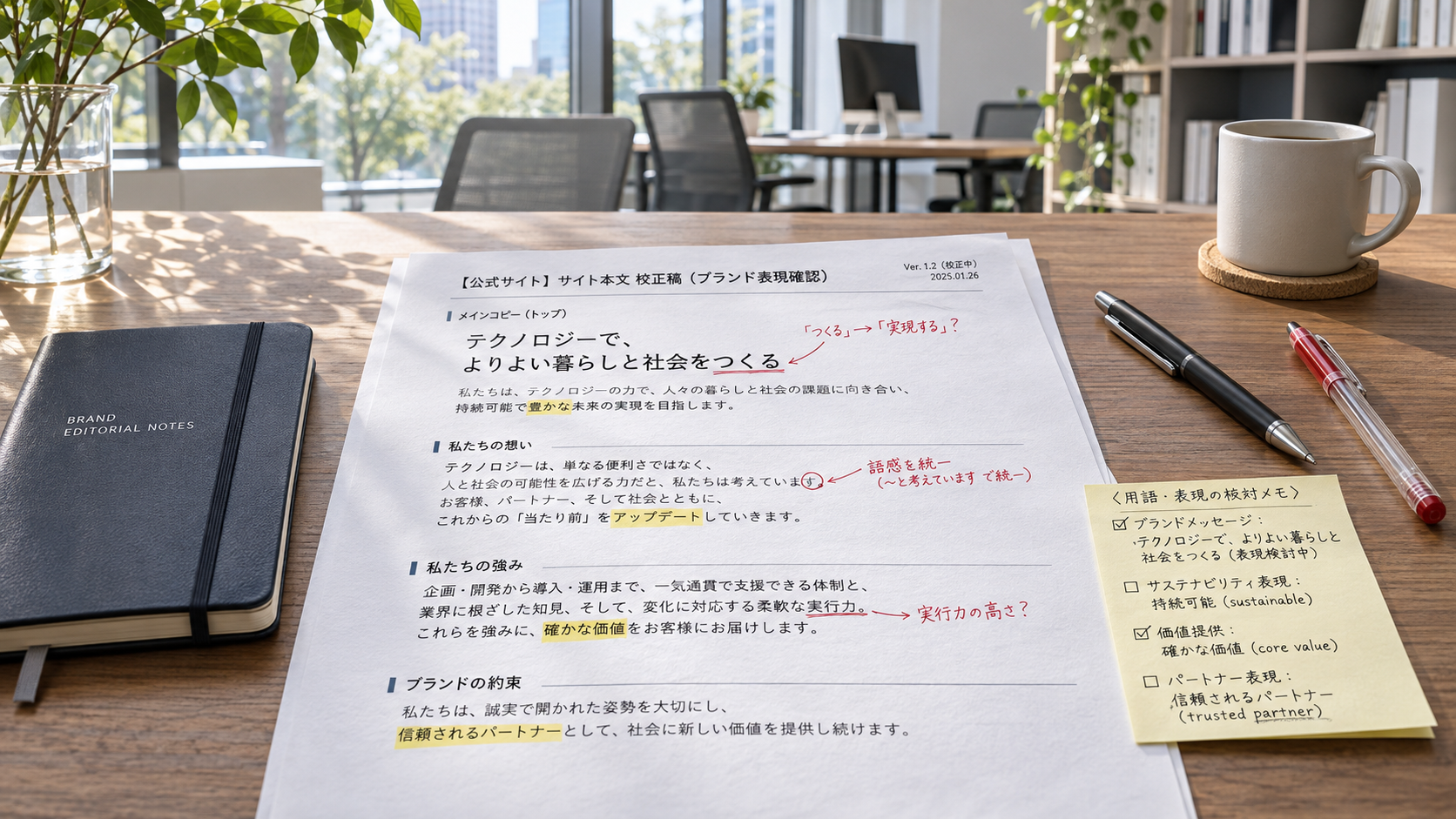
 How Can You Avoid Localization Mistakes When Building a Japanese-Language Brand Website?
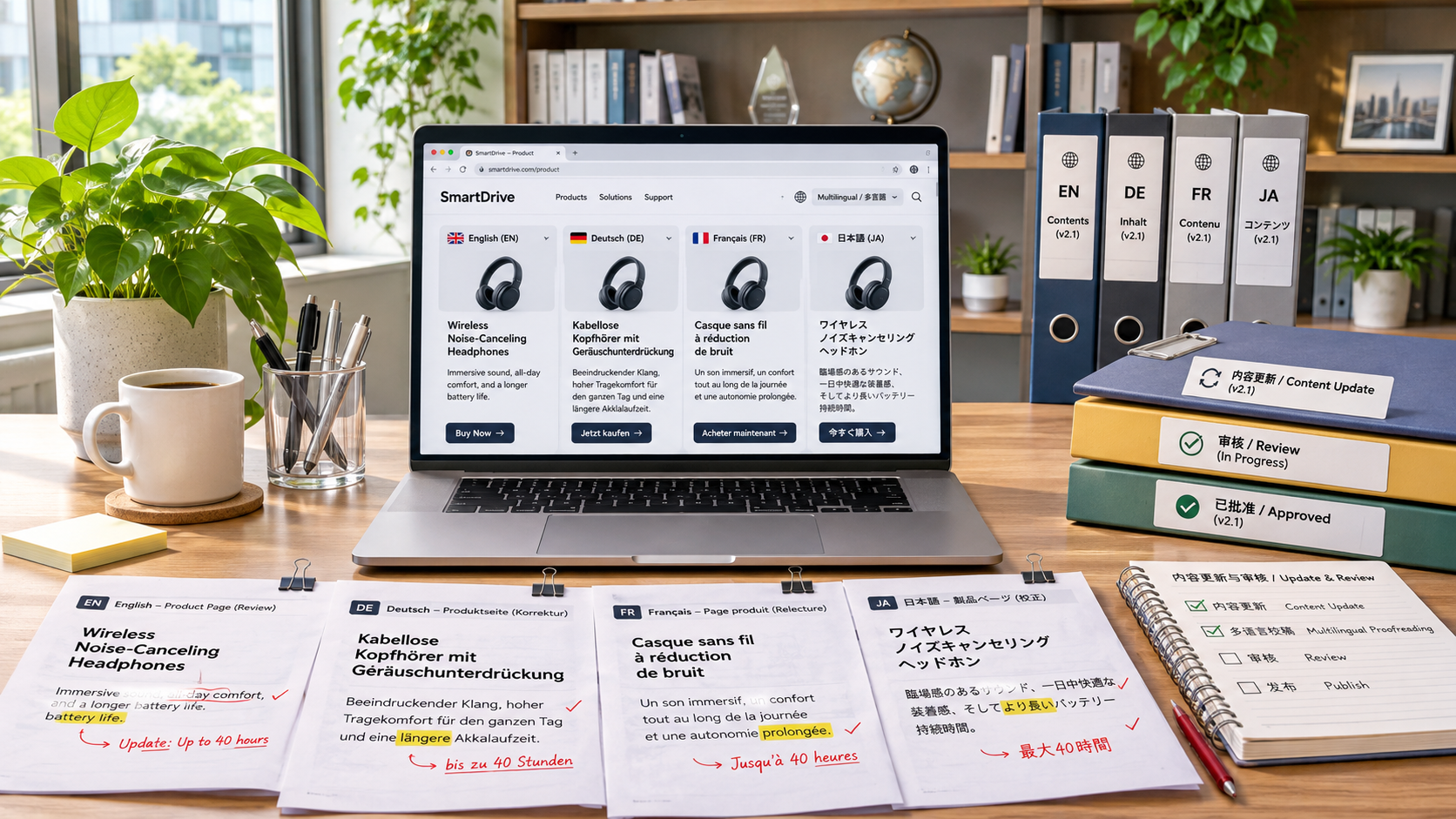
 How Does a Website Localization System Manage Multilingual Content Updates?
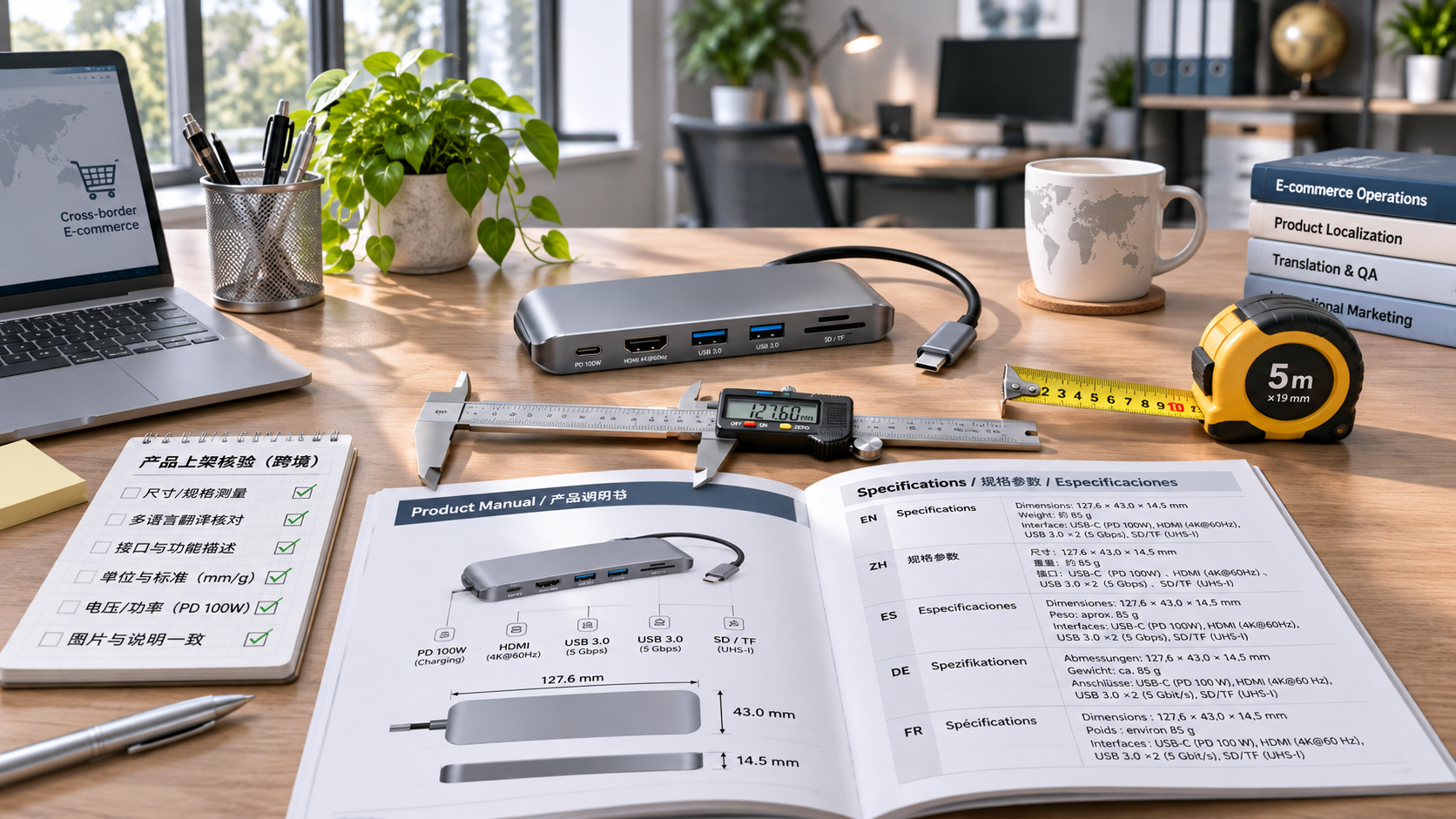
 How Can Cross-Border E-Commerce Multilingual Product Pages Avoid Errors in Translating Product Specifications?
Related Products
 Yiyingbao SaaS Intelligent Website Building and Marketing SystemYiyingbao SaaS Intelligent Website Building and Marketing System, AI-powered no-code website building, rapid creation of multilingual B2B international websites in 10 minutes, global server acceleration, AI-powered SEO optimization, helping businesses connect efficiently with global markets. The perfect integration of technology and operation makes building an international trade website remarkably simple
 AI+SEM Intelligent Advertising Marketing SystemAI+SEM drives intelligent ad creation, empowering full-funnel precision advertising marketing. The system automatically generates weekly/monthly reports, AI recommends keywords and target countries, monitors core metrics in real-time with intelligent alerts, and enables one-click high-conversion ad solutions to help quickly acquire customers and improve ROI.
 AI+SEO Dual-Engine System Optimization ServicesYiyingbao’s AI+SEO dual-engine optimization system helps foreign trade enterprises acquire high-quality organic traffic through AI-powered keyword research, content generation, and comprehensive technical optimization, significantly improving search rankings and conversion rates.
 AI+SNS Social Media Marketing SystemYingbao AI+SNS Social Media Marketing System - Precision social capture for the social media era. Supports one-click content synchronization across major platforms like Facebook and LinkedIn. AI intelligently rewrites posts for enhanced relevance. 24/7 AI customer service and user profiling analysis empower businesses to efficiently expand into global markets.
 AI+SEO营销解决方案易营宝AI+SEO营销解决方案,通过AI批量写作、智能生成TDK、精准关键词扩词等功能,全面优化网站SEO效果,提升流量与转化率。助力企业构建高效智能网站新生态。
 AI+SEM Advertising Marketing SolutionsAI+SEM Advertising Marketing Solution leverages AI technology to deeply empower SEM ad campaigns. It automatically generates weekly/monthly reports using AI, presenting account data across multiple dimensions for comprehensive insights into campaign performance and trends. The system precisely recommends keywords and target countries, intelligently generates high-conversion ad copy, and enables one-click activation of efficient campaign plans to help businesses rapidly acquire customers. Simultaneously, it monitors core metrics in real time, intelligently identifies abnormal fluctuations, and issues timely alerts to ensure stable, high-return advertising results.
 Domain Name ServicesEasyWin provides professional domain name services, including intelligent queries, one-stop registration, brand protection, and full lifecycle management, helping businesses build a digital brand image.
 EasyOperate B2C Cross-Border E-Commerce Platform & Independent WebsiteEasyStore B2C Cross-border E-commerce Independent Store is an intelligent website building and cross-border e-commerce integrated solution independently developed by EasyStore Information Technology (Beijing) Co., Ltd. The system is specially designed for small and medium-sized as well as large export enterprises, integrating 'website building, operation, marketing, advertising, and conversion' into one, helping enterprises quickly establish cross-border e-commerce independent stores to achieve brand globalization and global sales growth.
The platform supports multiple languages, multiple currencies, and multi-channel marketing, with built-in AI intelligent translation and SEO optimization systems, suitable for mainstream markets such as Southeast Asia, Europe and America, Latin America, and the Middle East, assisting Chinese manufacturing enterprises in efficiently deploying international e-commerce strategies. SSL证书易营宝提供专业SSL安全证书服务,包括单域名和泛域名证书,确保网站数据传输加密、身份验证和完整性保护,助力企业建立安全可信的在线业务环境。









