









- Which customer acquisition channels will be affected by cross-border marketing trends in 2026?Sep 06, 2026View details
- Which homogenization risks should be considered in an analysis of the AI-powered website building industry?Aug 30, 2026View details
- How Will AI Marketing Trends 2026 Change Advertising Budget AllocationAug 28, 2026View details
- Is the EV SSL certificate market shrinking or upgrading? How should companies assess certificate procurement?Aug 11, 2026View details
- Why the old AMP SEO 2020 practices no longer work and what has changed in current optimization prioritiesAug 02, 2026View details
- How to Choose Topics for an Industry News Section to Attract More Organic Search TrafficJul 29, 2026View details
What Localization Pitfalls Should Be Avoided When Building a Product Showcase Website for the German Market?
Product Showcase Websites for the German Market: The Problem Is Often Not That They Are Not Attractive Enough
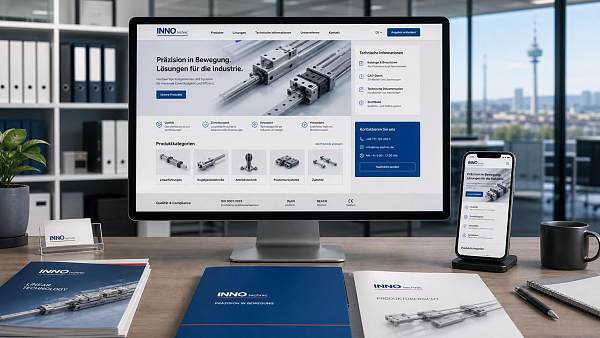
When building product showcase websites for the German market, the areas most likely to lose points are usually not visual presentation, but information organization, trust-building paths, and compliance details. Many companies understand a German website as simply “translating an English website into German.” After launch, the pages may be complete and contain plenty of product images, yet inquiry quality remains low, time on site is short, and the bounce rate is high. The problem often lies in unfocused localization decisions: users first want to confirm whether the company is reliable, whether the specifications are clear, and whether delivery and after-sales service are supported by evidence, while the website focuses on brand stories, slogans, and large visual carousels.
German procurement professionals have little tolerance for product showcase websites, especially those for industrial products, equipment accessories, components, and materials. If the wording is vague, supporting evidence is insufficient, or technical documentation is missing, users may not complain, but they are very likely to leave directly. The key to building this type of website is not to “fill every page,” but to enable visitors to determine as quickly as possible what you sell, what operating conditions the product is suitable for, what information can be verified, and who is responsible if a problem occurs.
German Is Not Simply a Translation Issue, but an Information Logic Issue
When many companies create an official website for the German market for the first time, their most common mistake is to move over the page structure originally designed for the domestic or general English-speaking market and process the copy through literal translation. On the surface, the product names, company introduction, and application areas are all present, but the actual reading experience is awkward. The reason is not necessarily grammatical errors, but that the information sequence does not match the way German users evaluate suppliers.
For example, in manufacturing product showcases, many Chinese websites prefer to talk first about the company’s capabilities, factory area, and number of customers served before entering the product pages. However, after entering a website, German visitors are more concerned with model distinctions, technical parameters, compatibility, delivery information, downloadable materials, and whether contact details are clear. If the homepage remains focused on brand statements and large-image transitions for too long while the product entrance is difficult to find, visitors may feel that the information cost is too high.
This is why, when building product showcase websites for the German market, German copy should not only aim to be “correctly translated,” but also to “read like a local industry website.” Headings, parameter labels, download-section names, form fields, and even button wording should all favor clarity, restraint, and ease of evaluation rather than marketing-oriented rhetoric.
An Incomplete Specifications Page Can Affect Conversion More Than the Absence of Advertising
For product showcase websites in the German market, the “engineering readability” of product detail pages is often underestimated. Some companies are willing to invest in homepage design and advertising, but place only a few images and a brief overview on the detail pages, assuming that interested customers will naturally make inquiries. This assumption may have some room for tolerance in certain consumer-goods categories, but in B2B scenarios—especially when the audience includes procurement professionals, technical managers, or project leaders—insufficient detail-page information directly weakens the willingness to submit an inquiry.
They generally do not dislike seeing more specifications. Instead, they are more concerned that you are deliberately withholding information. Operating temperature range, material, dimensions, tolerances, interface type, installation conditions, maintenance recommendations, and delivery format may not all need to be fully presented for every product category, but the core evaluation criteria cannot be missing. If a website only emphasizes “high quality,” “customization,” and “many years of experience,” without providing even the basic basis for product selection, it is difficult for users to regard it as a supplier worth adding to a procurement shortlist.
Many foreign-trade companies discover during later reviews that their German website is not lacking traffic; rather, it lacks sufficient information to support the next action after visitors arrive. If website development is separated from marketing services, the problem becomes even more pronounced. SEO brings visitors with clear search intent, while advertising brings high-cost clicks. After these users click through, the last thing they want to see is a website that “seems to say everything, yet feels like it has said nothing.”
Trust Cannot Be Built Through the “About Us” Page Alone
Whether German customers will trust a new supplier depends on more than the website, but the website is often a tool for the first round of screening. A common misconception is that many companies place all their trust-building efforts on the company introduction page, believing that stating the founding date, team size, and export countries is enough. In reality, the elements that truly make a difference are often distributed across multiple touchpoints.
For example, are the contact details complete? Can users clearly see the legal entity information? Do product pages provide downloadable materials? Does the website explain delivery regions, response methods, or the scope of after-sales support? Are news updates maintained regularly? Is there clear feedback after a form is submitted? German users are highly sensitive to whether information is traceable, contactable, and verifiable. If a website provides only an email address and an online message box, or presents the company address, fixed contact details, and responsible legal entity ambiguously, the brand will appear insubstantial.
Especially when building product showcase websites for the German market in the B2B sector, trust is not established by saying “we serve customers worldwide.” It is built through a series of details: whether pages contain broken links, whether materials are organized systematically, whether the language is professional and consistent, whether forms collect appropriate information, and whether the privacy statement is clear. No matter how modern a website looks, if these basic elements are handled carelessly, German visitors can easily categorize it as “marketing first, delivery unknown.”
Compliance Pages Are Not Secondary Pages and Should Never Be Added at the Last Minute
When developing a website for the European market, many teams know that they need to prepare a privacy policy, but they tend to underestimate how seriously the German market takes the completeness of legal-information pages. Specific requirements need to be assessed according to the business model, data-collection methods, and the laws of the target country. However, based on website development experience, such pages should at least not be treated as peripheral content to be “filled in quickly” before launch.
If a website has inquiry forms, analytics tools, remarketing code, file downloads, or subscription functions, it is no longer merely a showcase page. At this point, cookie notices, privacy statements, contact-information disclosures, and data-collection explanations need to correspond with one another. The problem with many websites is not that these pages are completely absent, but that their content does not match the actual functions: the front end collects telephone numbers and company names, while the privacy page does not explain this accordingly; multiple tracking tools are deployed, but users are not clearly informed. German users may not read through every detail, but once a compliance gap is noticed, its impact on trust can be direct and significant.
This is also where an integrated “website + marketing services” solution is more valuable than simply building pages. When website development, SEO, advertising, and data tracking are handled separately, the most common result is that functions go live before the required disclosures are updated, or that legal texts are in place while the tracking logic has changed. When targeting the German market, these areas are best designed in parallel from the beginning.
Do Not Turn the German Website into Merely “One Language Version of a Global Website”
To reduce costs, many companies expanding overseas copy multiple language versions into the same template. This approach is not necessarily unusable, but when the German market is simply attached to the architecture of a global website, several common problems become concentrated: navigation names are copied directly from the English website, content priorities are not adjusted, case studies and application scenarios are based entirely on other regional contexts, and even downloaded file names are inconsistent. Although users may understand the content, they do not feel that the website was prepared for them.
Localization does not necessarily mean developing an entirely separate website, but at a minimum, the page hierarchy, key modules, and conversion path should be reorganized for German users. For example, some industries are better served by placing “Industry Applications,” “Technical Document Downloads,” and “Customization Process” earlier rather than putting a brand video above the fold. Some product categories may instead require more information about logistics, delivery times, or after-sales contact methods. This difference cannot be solved by a translation company alone; it must be assessed together with search requirements, sales feedback, and product characteristics.
On Mobile, Do Not Focus Only on Responsiveness; Consider Whether Users Can Filter Products and Submit Inquiries Easily
Being a B2B user in Germany does not mean that visitors access websites only on desktop devices. Many first visits come from mobile phones, especially clicks from advertisements, social-media traffic, or follow-up visits after trade shows. The problem is that when many companies develop mobile versions, they only address whether the page can scale for display, without addressing whether the information can be evaluated quickly. Technical specification tables that are too wide, download buttons that are difficult to tap, forms with too many fields, and product categories with overly deep hierarchies can all significantly reduce mobile conversion efficiency.
For a product showcase website, the mobile version should at least ensure three things: core parameters are visible, the contact entrance is easy to find, and the inquiry-submission process is short enough. German customers may not complete the entire decision-making process on a mobile phone, but they will complete the first round of screening there. If the website stops users at this stage, it will be difficult to achieve high efficiency from subsequent SEO and advertising investments.
To Determine Whether a Website Is Truly Suitable for the German Market, Start by Reviewing These Areas
If a company is preparing to enter the German market, or already has a German-language website but is seeing average results, it can first inspect several specific areas rather than rushing to rebuild the entire website.
In our experience, the stability of a German website is often determined not by the number of pages, but by whether these key touchpoints support one another. Platforms such as Yiyingbao, which cover intelligent website building, multilingual website development, SEO optimization, advertising, and AI search visibility optimization, have the advantage of handling website structure, content indexing, lead capture, and subsequent promotion within one coherent framework. The value of this approach is not to give the website “more functions,” but to prevent website development, promotion, lead generation, and analytics from becoming disconnected.
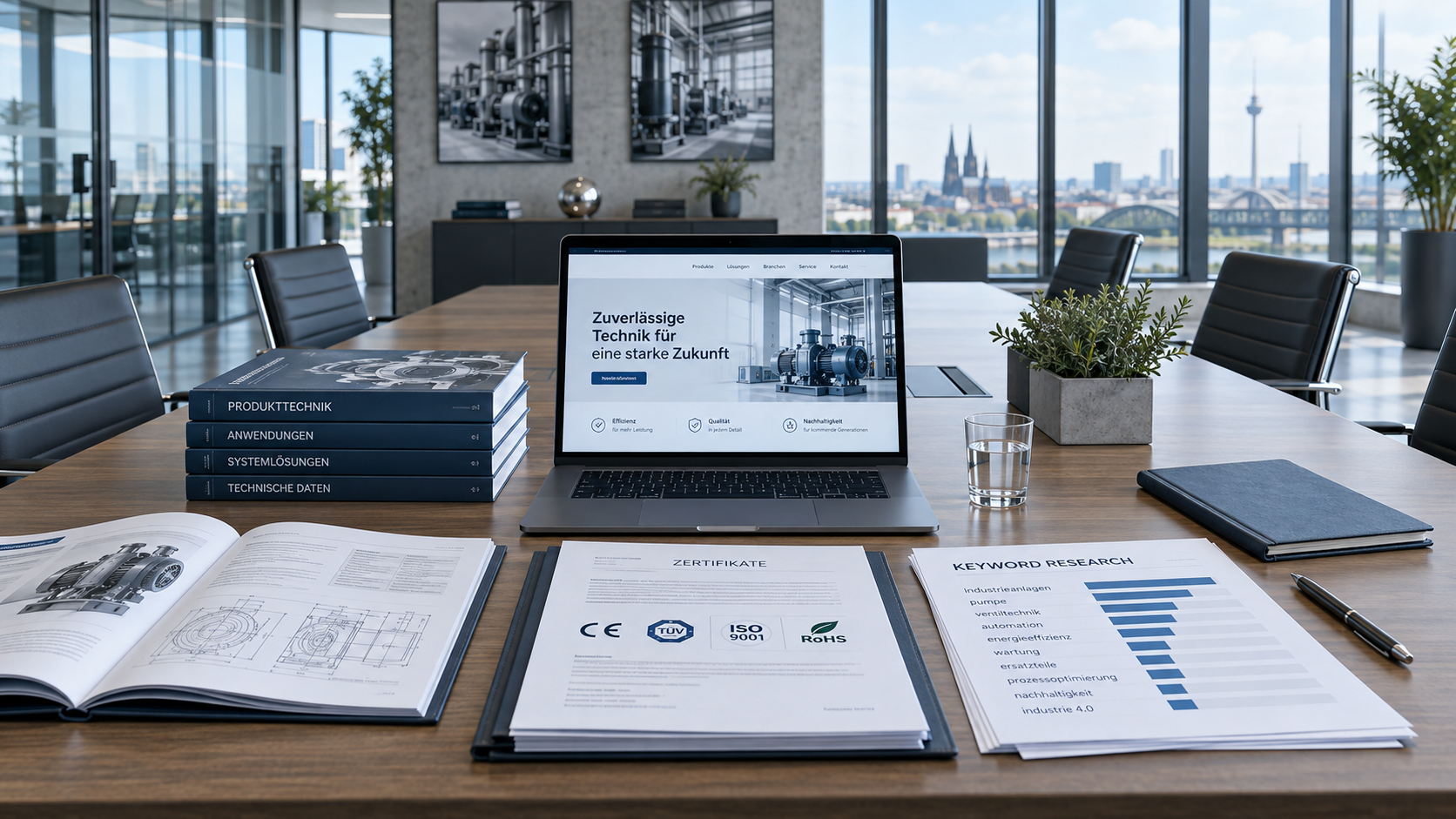
If the company’s current priority is generating inquiries from Germany, the most important things to confirm during the website-building stage are not which homepage style to choose, but three more practical points: whether your product information is sufficient for unfamiliar visitors to complete their first evaluation; whether your website provides credible contact and responsibility information; and whether your data-collection and conversion processes are consistent with the explanations on the pages. Once these areas are handled correctly, building a product showcase website for the German market will truly be moving in the right direction.
Related Articles
Related Products
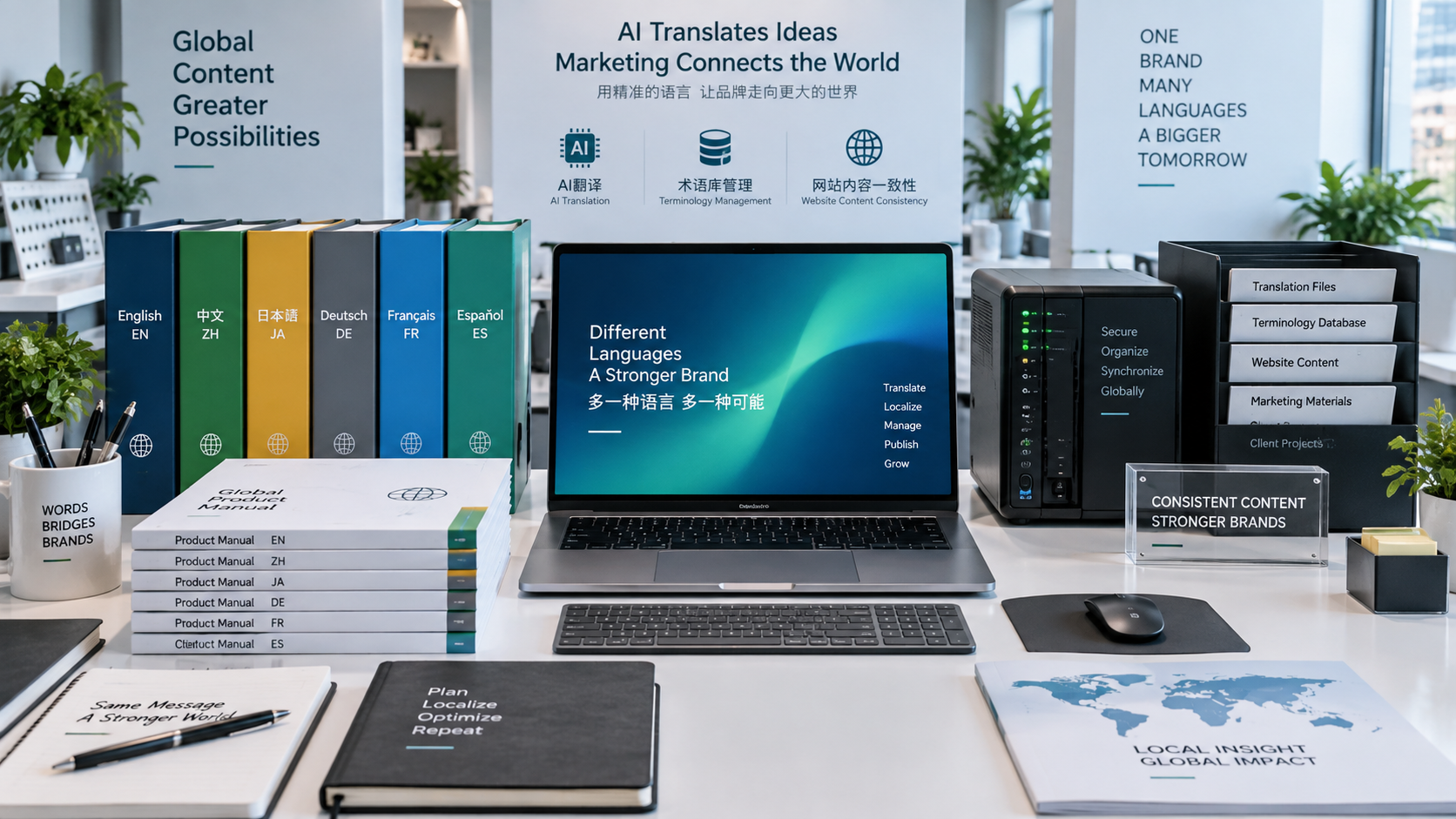
 Yiyingbao SaaS Intelligent Website Building and Marketing SystemYiyingbao SaaS Intelligent Website Building and Marketing System, AI-powered no-code website building, rapid creation of multilingual B2B international websites in 10 minutes, global server acceleration, AI-powered SEO optimization, helping businesses connect efficiently with global markets. The perfect integration of technology and operation makes building an international trade website remarkably simple
 AI+SEM Intelligent Advertising Marketing SystemAI+SEM drives intelligent ad creation, empowering full-funnel precision advertising marketing. The system automatically generates weekly/monthly reports, AI recommends keywords and target countries, monitors core metrics in real-time with intelligent alerts, and enables one-click high-conversion ad solutions to help quickly acquire customers and improve ROI.
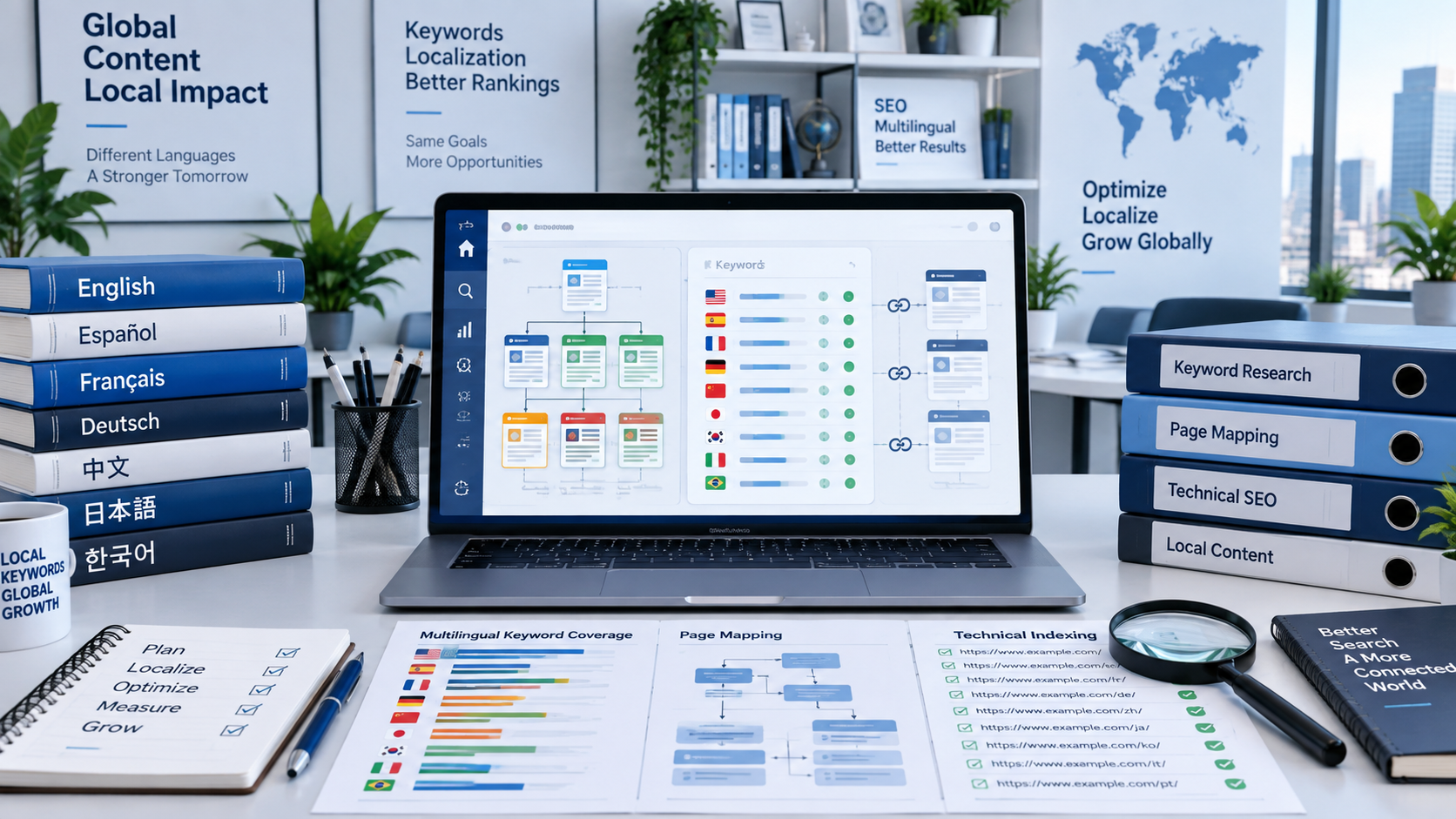
 AI+SEO Dual-Engine System Optimization ServicesYiyingbao’s AI+SEO dual-engine optimization system helps foreign trade enterprises acquire high-quality organic traffic through AI-powered keyword research, content generation, and comprehensive technical optimization, significantly improving search rankings and conversion rates.
 AI+SNS Social Media Marketing SystemYingbao AI+SNS Social Media Marketing System - Precision social capture for the social media era. Supports one-click content synchronization across major platforms like Facebook and LinkedIn. AI intelligently rewrites posts for enhanced relevance. 24/7 AI customer service and user profiling analysis empower businesses to efficiently expand into global markets.
 AI+SEO营销解决方案易营宝AI+SEO营销解决方案,通过AI批量写作、智能生成TDK、精准关键词扩词等功能,全面优化网站SEO效果,提升流量与转化率。助力企业构建高效智能网站新生态。
 AI+SEM Advertising Marketing SolutionsAI+SEM Advertising Marketing Solution leverages AI technology to deeply empower SEM ad campaigns. It automatically generates weekly/monthly reports using AI, presenting account data across multiple dimensions for comprehensive insights into campaign performance and trends. The system precisely recommends keywords and target countries, intelligently generates high-conversion ad copy, and enables one-click activation of efficient campaign plans to help businesses rapidly acquire customers. Simultaneously, it monitors core metrics in real time, intelligently identifies abnormal fluctuations, and issues timely alerts to ensure stable, high-return advertising results.
 Domain Name ServicesEasyWin provides professional domain name services, including intelligent queries, one-stop registration, brand protection, and full lifecycle management, helping businesses build a digital brand image.
 EasyOperate B2C Cross-Border E-Commerce Platform & Independent WebsiteEasyStore B2C Cross-border E-commerce Independent Store is an intelligent website building and cross-border e-commerce integrated solution independently developed by EasyStore Information Technology (Beijing) Co., Ltd. The system is specially designed for small and medium-sized as well as large export enterprises, integrating 'website building, operation, marketing, advertising, and conversion' into one, helping enterprises quickly establish cross-border e-commerce independent stores to achieve brand globalization and global sales growth.
The platform supports multiple languages, multiple currencies, and multi-channel marketing, with built-in AI intelligent translation and SEO optimization systems, suitable for mainstream markets such as Southeast Asia, Europe and America, Latin America, and the Middle East, assisting Chinese manufacturing enterprises in efficiently deploying international e-commerce strategies. SSL证书易营宝提供专业SSL安全证书服务,包括单域名和泛域名证书,确保网站数据传输加密、身份验证和完整性保护,助力企业建立安全可信的在线业务环境。









