Is your website indexed but still not ranking? To address “como mejorar seo pagina web,” start with search intent, content quality, and internal links to identify the right direction for page SEO. First diagnose the problem, then decide what to change.
Being indexed only means that a search engine has added the page to its index; it does not mean the page will be prioritized in search results. Website operators should first confirm whether the page is receiving relevant search impressions, then check whether it adequately answers the questions of target customers.
Don’t rewrite the entire page or add keywords in bulk as soon as you see a low ranking. A more effective approach is to sort pages into three groups: no impressions, impressions but low rankings, and decent rankings but few clicks. Then address relevance, content competitiveness, and how the page appears in search results, respectively.
Start with Search Data: Where Is the Page Getting Stuck?
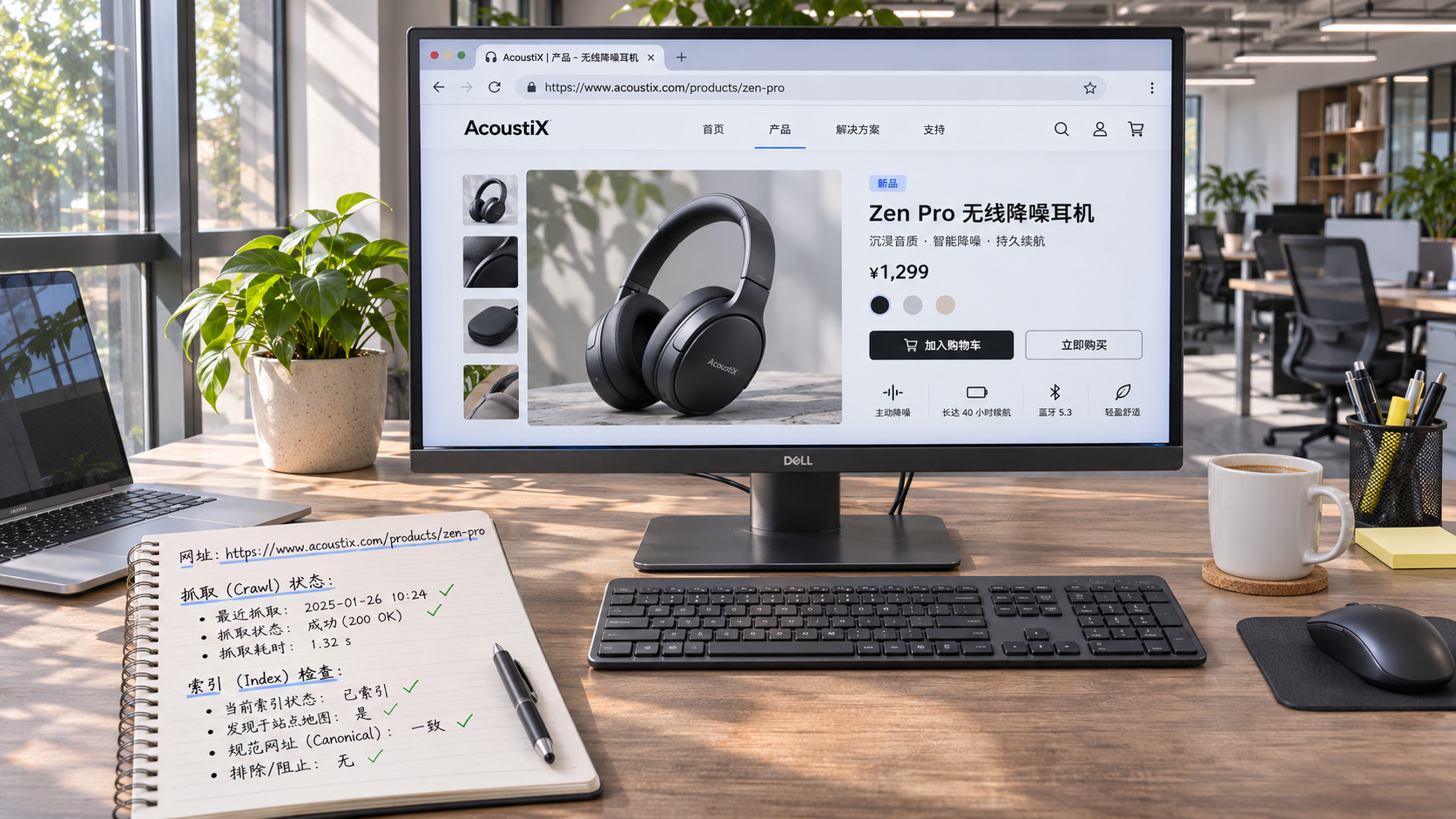
Open Google Search Console, go to the Performance report, filter for the target page, and review queries, impressions, click-through rate, and average position. Compare data by target country, device, and date to avoid mixing performance across different markets.
If there are almost no impressions, first use the URL Inspection tool to confirm the indexing status and check whether Google has selected the correct canonical URL. If the page is indexed but another URL is actually being used as the canonical version, investigate duplicate pages and canonical tag settings first.
If the page is receiving impressions for relevant queries but has a low average position, first check whether the page type and content match user needs. If rankings are relatively stable and impressions are substantial but clicks are few, adjust the title and description so users can see what the page can help them with.
Average position is an aggregate metric that can vary by query, location, and device. Don’t judge performance based on a single manual search or use the number of site search results as a measure of ranking. Keep the filters consistent to see the changes before and after an update.
Did You Choose the Right Keyword? First Check the Language and Search Intent
“como mejorar seo pagina web” asks how to improve a website’s search engine optimization and primarily reflects an informational need. Searchers typically want diagnostic steps, specific actions, and criteria for evaluating results, so a tutorial is often better suited to address this query than a service page.
This keyword is a Spanish search phrase. If your goal is to attract organic traffic in Spanish, create Spanish-language content and check search results in the target country. A Chinese tutorial can help Chinese-speaking website operators understand the process, but it cannot guarantee that the page will attract Spanish-language traffic.
In practice, search for the target keyword and review the top results: are they mainly how-to guides, tool lists, or commercial service pages? Note the questions they cover and their page formats, then use this information to refine your content direction instead of relying on the keyword’s meaning alone.
Define one primary need for each core page, then address closely related subtopics. For example, a tutorial should focus on diagnosis and improvement, while a service page should explain the scope of deliverables and the collaboration process. Clear roles for different pages also make it easier for users to find the next step.
How Can You Improve Content to Make It More Helpful Than Existing Results?
First, check whether the opening of the page directly addresses the question. Users searching for page optimization methods should quickly find out where to look, how to assess the issue, and what to improve first, rather than having to read a long company introduction. Put the information most useful for taking action first.
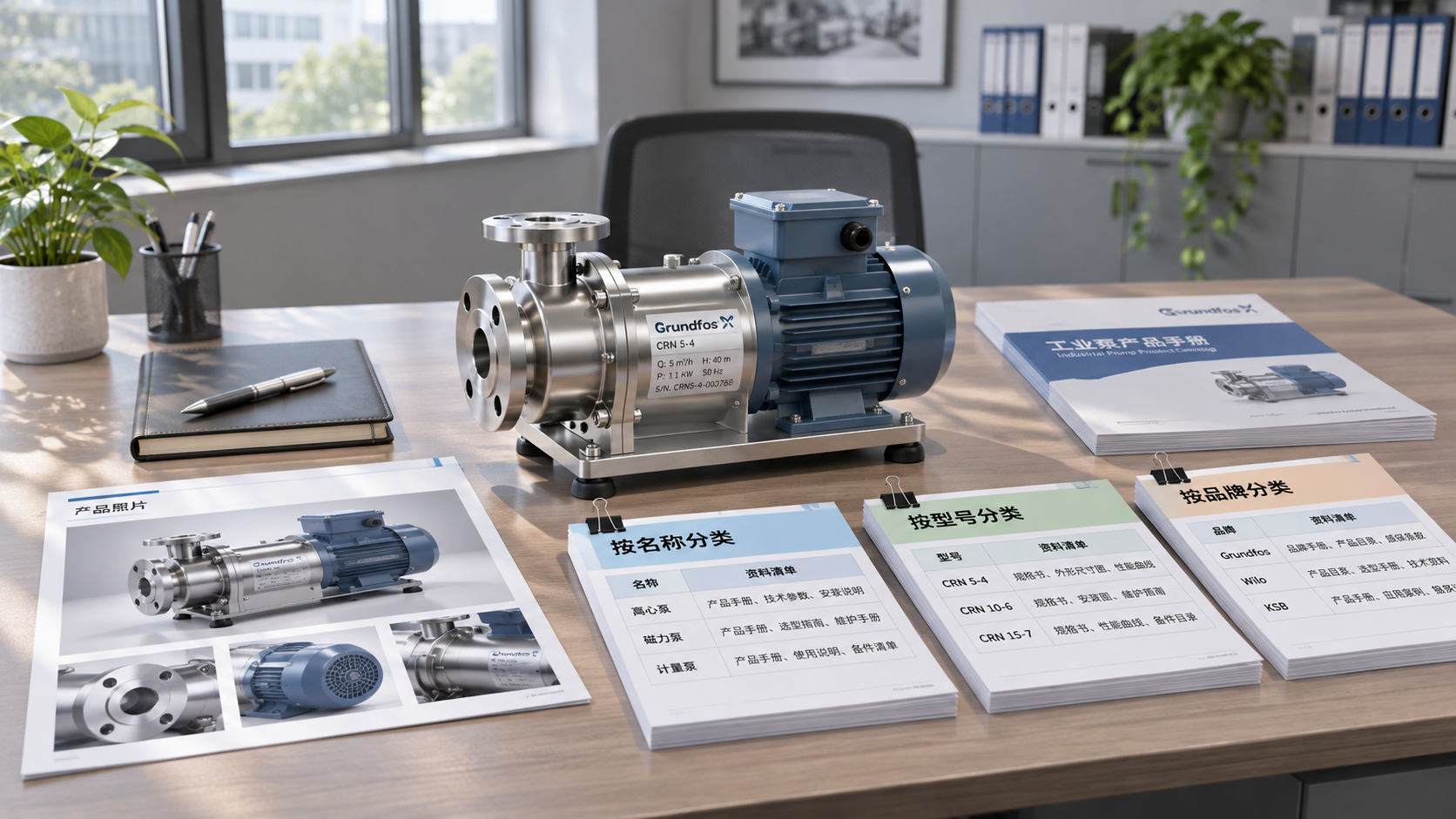
Next, add the evidence needed to put the recommendations into practice. For example, if discussing insufficient content, explain what is missing: selection criteria, application scenarios, parameter explanations, or answers to common questions. Product pages for manufacturers can also provide specifications, the scope of applicable certifications, and actual usage limitations.
Don’t repeat industry concepts just to increase word count. Draw real questions from sales inquiries, customer emails, and on-site searches, and answer them on the relevant pages. Data on technical parameters or results should have verifiable sources and be updated promptly.
The title should accurately describe the topic and its value, and the main heading and subheadings should follow a logical structure. The title tag and page heading can naturally include the core keyword and related terms, but there is no need to repeat them in every section. A clear heading hierarchy also helps users find answers quickly.
A meta description can summarize the steps covered and the intended audience, helping users decide whether to click. Search engines may generate a different snippet, so the body content should also communicate clearly. Changing only the description tag is not enough to expect a significant ranking improvement.
Once the Content Is in Place, What Internal Links and Technical Issues Should You Check?
Add internal links to the target page from relevant category pages, tutorials, and business pages. Use anchor text that describes the destination content, such as “product page optimization checklist.” Prioritize links from topically relevant pages that help readers take the next step, and avoid adding links mechanically.
Check whether the target page can only be found through the site search or requires several clicks to reach. Include important content in a clear navigation and category structure, and fix broken links so both users and search engines can access it smoothly.
Focus technical checks on mobile usability, loading experience, whether the main content displays correctly, and any faulty redirects or server errors. Compressing images, reserving space for them, and reducing unnecessary scripts can improve the experience, but faster loading alone cannot replace content relevance.
For multilingual websites, also check language-version links, canonical tags, and language-region annotations. Pages in different languages should generally retain their own indexable URLs rather than all pointing to the same language version, which can make localized pages less likely to appear independently in search results.
Optimizing Pages for the Middle East Also Requires Localization
If your business is expanding into the Middle East, page optimization also involves Arabic wording, right-to-left layouts, and local customers’ reading habits. Translating keywords directly can overlook industry terminology, and contact options, product descriptions, and forms should also be checked individually.
If you need website-building support, learn about Yiyingbao’s Arabic Industry Website Development and Marketing Solutions, which include Arabic website development, right-to-left layouts, and intelligent translation and localization features to help coordinate website development and subsequent marketing.
Its Arabic advertising keyword optimization solution can help organize paid advertising priorities, but organic search still requires an independent assessment of page quality. Before launch, have someone familiar with the local industry review the terminology and test mobile readability and the inquiry process.
How Should You Review Results After Making Changes, and What Should You Do Next?
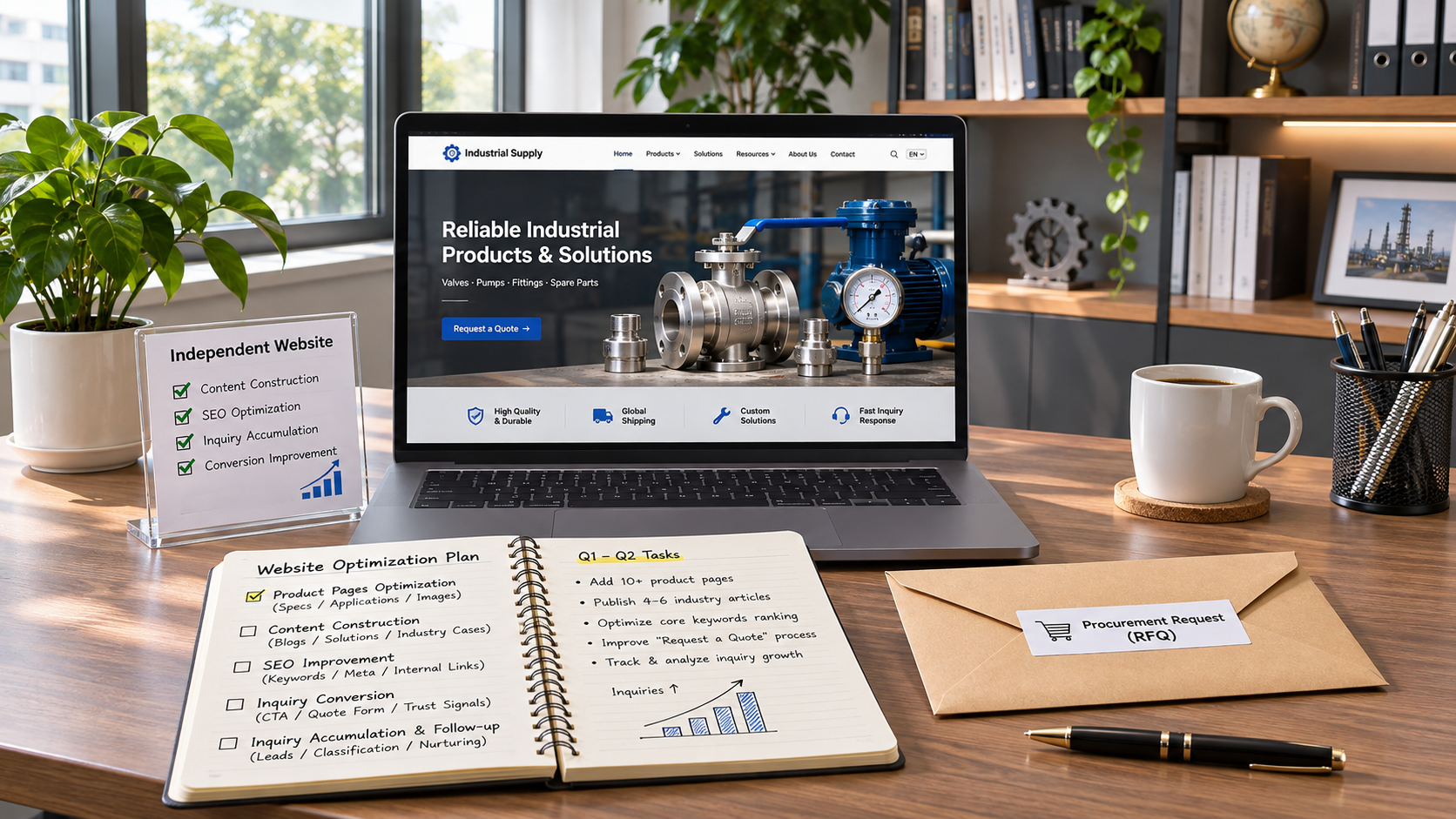
Start by selecting pages that already receive relevant impressions and have clear business value. Record the date of each change, the target queries, and what was adjusted. Make each round of changes address one main issue and keep comparison records to help assess which changes may have led to improvements.
After making changes, confirm that the page is accessible and allow time for it to be recrawled. Then monitor impressions for relevant queries, clicks, and qualified inquiries at regular intervals. Low-traffic pages need a longer observation period. Also account for seasonality and changes in competition, and avoid promising first-page rankings within a few days.
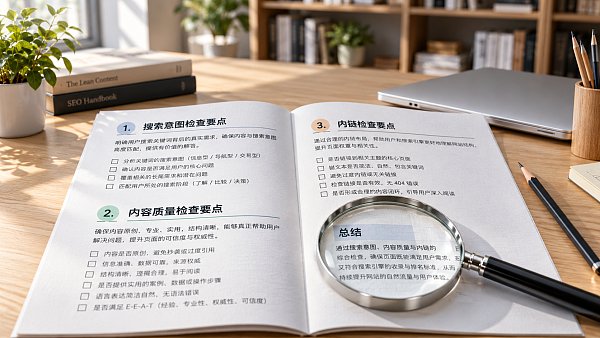
If a website is indexed but not ranking, first investigate intent alignment and content value, then improve internal links and technical fundamentals. Define the problem each page should solve, the market it serves, and the metrics used to evaluate it. This makes optimization an ongoing improvement process.